EN
EN

How to customize length size of precision cut GI coil finished sheets
2026/09/11
Learn how to specify precision cut GI coil sheets in custom lengths — tolerance selection, coating integrity, and ordering tips.
2026/08/20
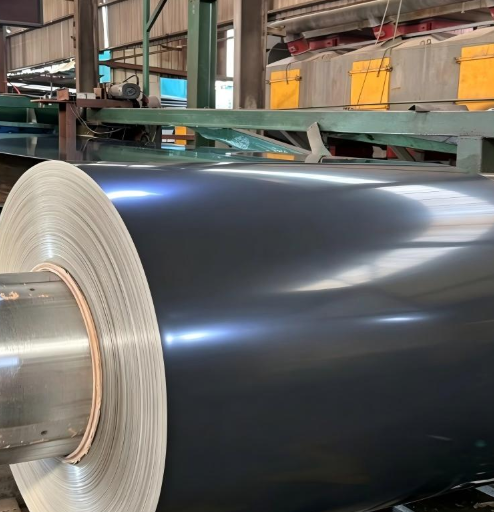
Building contractors, roofing manufacturers, and appliance fabricators rely heavily on prepainted galvanized iron sheet products to deliver lasting color, structural strength, and corrosion protection. Commonly referred to across global markets as ppgi, this material combines the sacrificial rust protection of a zinc-coated steel substrate with an engineered organic coating top layer. However, the real secret behind the long-term durability of a ppgi coated coil lies within the specific liquid paint formulation applied during the continuous coil coating line.
Choosing the ideal paint formulation directly dictates how well a ppgi coated coil will withstand intense solar radiation, heavy rainfall, industrial smog, and temperature swings over decades of service. From budget-friendly industrial warehouses to high-profile commercial landmarks, matching project needs with appropriate ppgi paint types ensures optimal performance while avoiding costly material over-specification.
Standard polyester paint remains the workhorse coating system across the global steel industry. Accounting for roughly 60 percent of total production volumes, polyester paint delivers an impressive balance between baseline corrosion defense, flexible forming capability, and low initial procurement cost.
The standard polyester profile features several core technical parameters:
Market Share: Accounts for approximately 60 percent of global prepainted steel production.
Topcoat Thickness: Applied at a typical thickness of 15 to 25 microns.
Pencil Hardness: Achieves a standard 2H hardness rating.
T-Bend Flexibility: Maintains a flexible 2T bend rating without cracking.
Salt Spray Resistance: Exceeds 500 hours of continuous salt spray testing.
Expected Service Life: Provides a reliable service life of 7 to 12 years in moderate climates.
When applied over a quality galvanized substrate, polyester paint bonds tightly to provide smooth finishes in virtually any custom RAL shade. For indoor manufacturing, interior wall partitioning, home appliance bodies, and general agricultural structures in mild climates, a PE-coated ppgi sheet provides dependable protection without stretching budget limits.
While polyester paint excels in standard environments, prolonged exposure to intense UV light eventually degrades its organic polymer chain. Over time, this degradation causes gradual color fading and chalking. Fabricators specifying ppgi for harsh exterior exposure should evaluate enhanced resin options designed for extended weatherability.
To bridge the performance gap between entry-level finishes and expensive fluorocarbon options, paint chemistries incorporate silicone resins into standard polyester paint formulations. This modified formulation, known as silicone modified polyester or SMP, offers significantly higher resistance to chalking, scratching, and UV fading.
By reinforcing the polymer backbone with silicone, an SMP-coated ppgi coated coil retains original gloss levels far longer under strong sun exposure.
Enhanced Chemical Stability: Silicone bonds resist breakdown caused by solar radiation.
Longer Aesthetic Lifespan: SMP finishes extend expected service life by 30 to 50 percent compared to standard polyester paint systems.
Durable Hardness: Improved surface hardness resists abrasion during roll forming and job site installation.
Roofing profiles and side cladding installed across hot, dry regions benefit significantly from SMP coatings. The added gloss retention keeps commercial developments looking clean and modern throughout their service life.
For demanding applications where budget constraints prevent ultra-premium finishes, high durability polyester coatings—commonly termed HDP—deliver exceptional long-term reliability. HDP coatings utilize specialized resin structures featuring higher molecular weight and tighter chemical cross-linking.
This advanced chemistry gives HDP-coated ppgi coated coil products superior protection against color shifting, micro-cracking, and chemical attack.
Evaluating HDP technical performance shows strong performance benchmarks:
Topcoat Thickness: Standard application ranges from 20 to 30 microns.
Pencil Hardness Rating: Maintains a consistent 2H surface hardness.
Salt Spray Resistance: Exceeds 1,000 hours under ASTM B117 salt spray testing.
Accelerated QUV-B Exposure: Handles 1,500 hours of continuous UV testing.
Typical Expected Life Range: Delivers 12 to 18 years of service life in demanding environments.
Selecting HDP when comparing ppgi paint types gives building owners peace of mind in high-humidity zones, industrial parks, and coastal areas situated a few kilometers inland. HDP provides a middle ground that balances long-term performance with smart procurement planning.
When absolute weather resistance, chemical stability, and maximum warranty coverage are required, polyvinylidene fluoride stands as the undisputed industry benchmark. Widely known as a PVDF coating, this ultra-premium finish contains at least 70 percent fluorocarbon resin by mass.
The chemical bond between carbon and fluorine atoms within a PVDF coating represents one of the strongest molecular bonds known in industrial chemistry. This strong bond creates an almost impenetrable barrier against environmental damage.
| Performance Benchmark | Polyester Paint (PE) | Silicone Modified (SMP) | High Durability (HDP) | Fluorocarbon (PVDF Coating) |
| Weather Resistance | Moderate | Good | Very Good | Outstanding (20+ Years) |
| UV & Gloss Retention | Baseline | Enhanced | Superior | Maximum Protection |
| Salt Spray Rating | 500+ Hours | 800+ Hours | 1,000+ Hours | 1,500+ Hours |
| Relative Cost Index | Economical | Balanced | Premium | High Investment |
Specifying a PVDF coating ensures that high-end architectural developments—such as international airports, stadiums, corporate headquarters, and coastal facilities—retain color intensity and gloss without chalking or peeling for 20 years or more.
Navigating different ppgi paint types requires evaluating operational trade-offs across cost, flexibility, surface hardness, and environmental degradation resistance.
Key distinctions define each system's operational focus:
PE Paint: Offers the lowest upfront cost with excellent flexibility, making it ideal for interior panels and mild climates.
SMP Paint: Provides upgraded UV resistance and improved surface hardness for sun-exposed roofing.
HDP Paint: Features high cross-link resin density for great coastal resistance and extended color retention.
PVDF Coating: Formulated with 70% fluorocarbon resin for extreme chemical defense and 20+ year architectural lifespans.
Standard polyester paint provides flexible formability during deep bending or profiling, whereas a PVDF coating offers unmatched resistance to chalking and chemical erosion in harsh industrial atmospheres. Selecting the ideal ppgi coated coil setup comes down to evaluating regional weather patterns, expected building lifespan, and upfront budget constraints.
A commercial building complex located roughly two kilometers from the oceanfront in Southeast Asia needed a durable roofing and cladding specification. The engineering design requested a 20-year warranty covering color retention and resistance to salt spray.
Initial procurement proposals suggested standard polyester paint to minimize initial construction costs. However, environmental analysis indicated that standard PE would experience gloss loss and chalking within five to seven years under high coastal humidity and intense UV exposure.
Consulting with technical coating teams led to an optimized hybrid specification:
Roofing Panels: Specified a PVDF coating to withstand intense solar radiation and rain.
Wall Cladding: Specified an HDP-coated ppgi system for side panels sheltered from direct vertical sunlight.
This hybrid approach secured the required 20-year performance warranty while reducing total material costs by nearly 20 percent compared to applying a PVDF coating across every surface.
Frequently Asked Questions
What is the most widely used finish for ppgi products?
Standard polyester paint remains the most common coating for ppgi, representing roughly 60 percent of global market volume. It delivers good general-purpose performance at an accessible price point for mild environments.
How do SMP and HDP paint formulations differ?
SMP uses silicone resin additives to improve gloss retention and hardness over standard PE. HDP utilizes advanced polyester resin chains that deliver superior UV resistance, tight cross-linking, and extended color retention, typically outlasting SMP by 3 to 5 years [cite: Paint System 3: High Durability Polyester (HDP) — Premium Grade, Answer: Choose SMP for moderate exterior exposure with good cost efficiency. Select HDP when you need superior UV resistance and longer color retention in demanding environments. HDP typically provides 3 to 5 years more service life than SMP.].
Is choosing a PVDF coating worth the higher investment?
For iconic commercial structures, coastal installations, or projects requiring 20-plus years of guaranteed aesthetic integrity, a PVDF coating is well worth the upfront cost [cite: Paint System 4: Polyvinylidene Fluoride (PVDF) — Ultra-Premium Grade, Answer: For projects requiring 20 or more years of color and gloss performance in harsh environments, PVDF is worth the investment. For shorter-life applications or interior use, PE or HDP coatings may provide better value.]. For interior applications or basic industrial sheds, polyester paint or HDP options offer better overall value [cite: Paint System 1: Polyester (PE) — Standard Grade, Paint System 3: High Durability Polyester (HDP) — Premium Grade, Answer: For projects requiring 20 or more years of color and gloss performance in harsh environments, PVDF is worth the investment. For shorter-life applications or interior use, PE or HDP coatings may provide better value.].
2026/09/11
Learn how to specify precision cut GI coil sheets in custom lengths — tolerance selection, coating integrity, and ordering tips.
2026/09/11
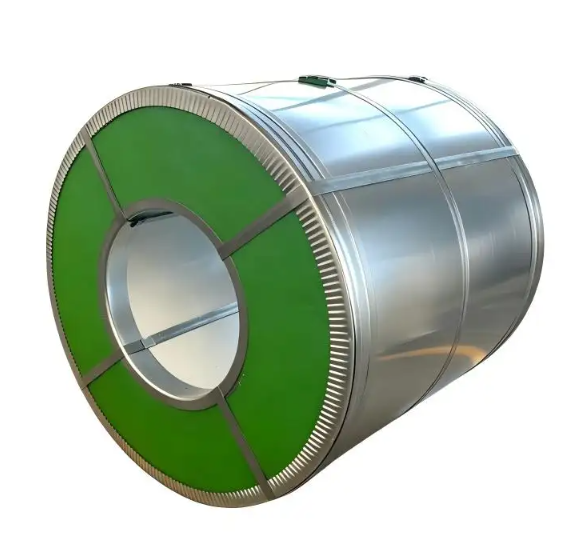
Learn why premium finish galvalume steel coil delivers better paint adhesion and visual consistency in finished building products. Request specs today.
2026/09/10
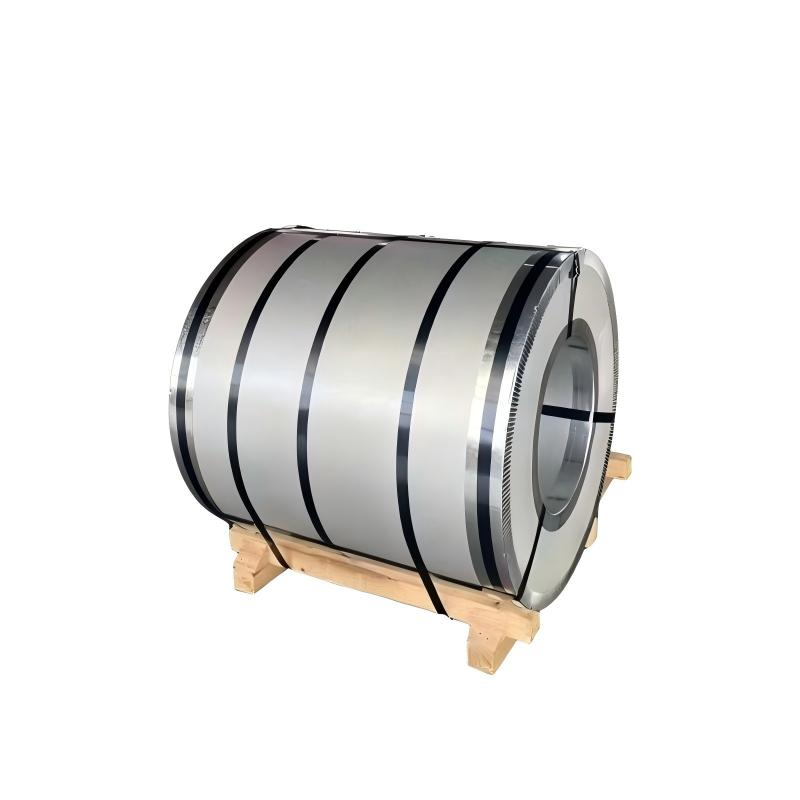
Learn why heavy coating galvalume steel coil provides superior corrosion resistance in harsh coastal settings and saves long-term maintenance costs.
2026/09/10
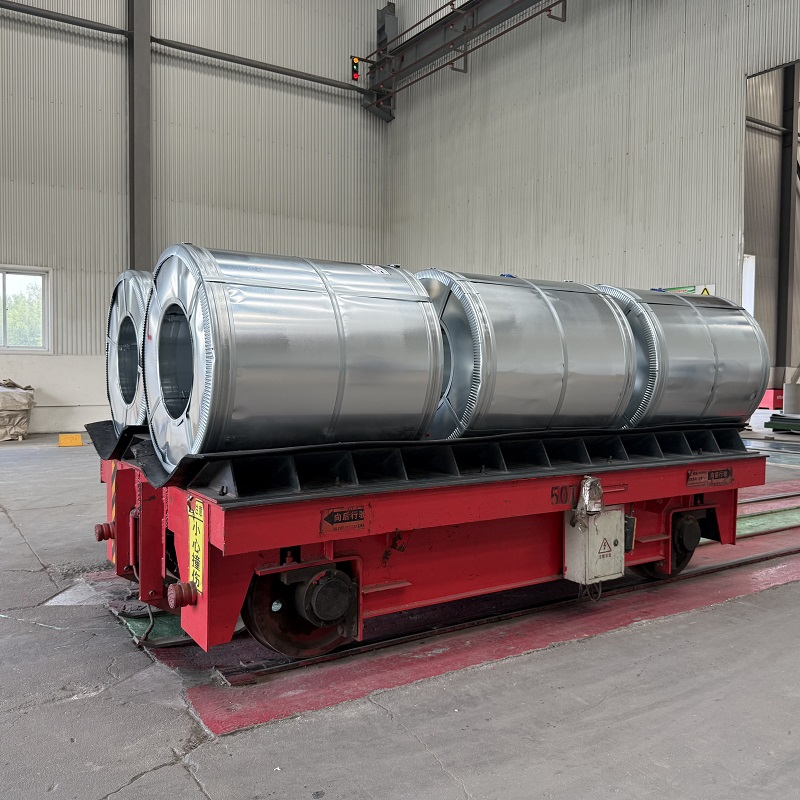
Learn how to test the bending performance of formable galvalume steel coil samples using T-bend testing to prevent cracking and scrap.
2026/09/10
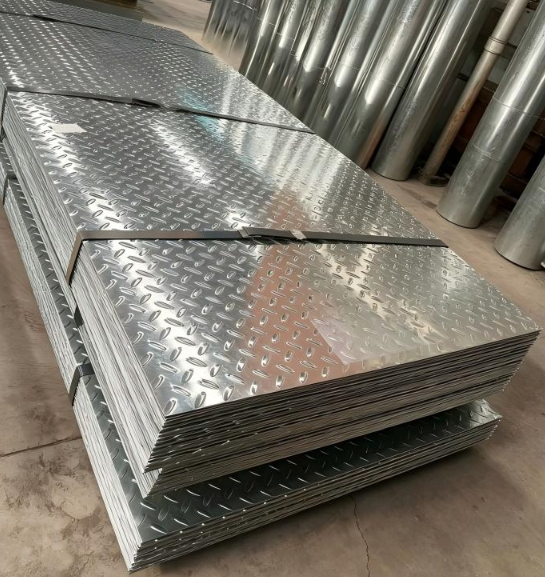
Discover how multi specification galvalume steel coil simplifies purchasing, boosts productivity, and lowers costs for metal fabricators.
2026/09/10
Discover why hot dipped galvanized steel and hot dip galvanized checkered plate offer ideal corrosion resistance and strength for road guardrails.
Covering green transformation, product comparison, selection guide, and industry empowerment, helping you fully grasp the dynamics of the color steel industry.
Global climate action and Belt and Road cooperation are driving the color steel industry’s shift toward green, sustainable development.

Comparing PPGI and PPGL across performance, durability, and applications to help you select the optimal coated steel for your project.
A practical guide to selecting and applying color steel coils, ensuring optimal performance, durability, and cost-effectiveness for your projects.
Industry forum drives digital and green transformation, empowering steel sector development through innovation and collaboration.