EN
EN

How to customize length size of precision cut GI coil finished sheets
2026/09/11
Learn how to specify precision cut GI coil sheets in custom lengths — tolerance selection, coating integrity, and ordering tips.
2026/08/04
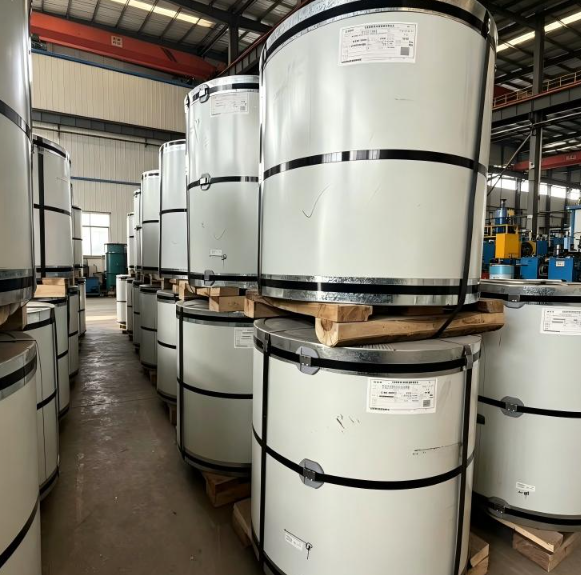
Ocean freight from Chinese ports to Southeast Asia, the Middle East, Africa, or South America involves transit times of 15 to 45 days, during which bulk PPGL coil is exposed to repeated temperature and humidity cycles inside shipping containers. A standard 40-foot container can experience interior temperature swings of 25 degrees Celsius or more between day and night, driving relative humidity from 40 percent to 95 percent and causing container rain, where condensation drips from the container ceiling onto cargo below. Without proper packing, PPGL coil surfaces develop water stains, white zinc oxide deposits, and in severe cases, under-film corrosion blisters that compromise the coating integrity. Global shipment PPGL steel coil requires a multi-layer packing system that addresses both physical damage risk from handling and chemical damage risk from the marine atmosphere, making export packing a technical specification rather than an afterthought.
Industry best practice for export-grade packing of bulk PPGL coil employs a five-layer protection system. The first layer, applied directly to the coil surface, is VCI (volatile corrosion inhibitor) paper, which releases molecules that form a protective molecular film on the metal surface, neutralizing moisture and preventing white rust on the AZ coating. The second layer is polyethylene stretch film, typically 50 micrometers thick, wrapped in three to five overlapping turns to create a continuous moisture barrier that blocks direct water contact and salt spray infiltration. The third layer consists of hardboard or steel covers placed over the top and bottom of the coil to resist impact and distribute stacking pressure, preventing edge deformation. The fourth layer is circumferential steel strapping, four to six bands of 19 millimeter width and 0.8 millimeter thickness, securing the coil against unwinding during vessel rolling. The fifth layer is a wooden pallet or cradle base, providing ground clearance for forklift handling and isolating the coil from container floor moisture.
Proper container loading is as critical as coil-level packing for protecting global shipment PPGL steel coil. Before loading, the container interior should be inspected for water tightness, pre-existing damage, and floor cleanliness. Desiccant bags, typically 1 kilogram each, should be distributed throughout the container at a rate of 4 to 6 bags for a 20-foot container and 8 to 12 bags for a 40-foot container, positioned to maximize air circulation around the cargo. Coils must be loaded with the eye facing the container doors or sidewalls to distribute weight evenly and prevent shifting during vessel rolling. The total loaded weight must not exceed the container's maximum payload rating, and for heavy coils, the container floor should be protected with steel plates or thick plywood under each coil to prevent floor penetration. After loading, the container should be sealed and the seal number documented on the bill of lading, providing a chain of custody record from the factory to the destination port.
During ocean transport, vessels pitch, roll, and heave, subjecting cargo to acceleration forces in multiple axes. Bulk PPGL coil weighing 5 to 15 metric tons per coil must be secured against longitudinal, transverse, and vertical movement. The standard securing method uses a combination of wooden blocking and bracing cut to fit the coil contours, steel lashing chains rated to 5,000 kilograms breaking load, and friction mats placed between the coil and container floor to achieve a friction coefficient of 0.6 or higher. The lashing plan should be calculated per the International Maritime Organization's Code of Safe Practice for Cargo Stowage and Securing, with the number of lashings determined by the coil weight, vessel route, and expected sea state. For coils loaded on flat racks rather than in containers, additional tie-downs using wire rope or heavy-duty chain binders are required, and the coil must be chocked with timber to prevent rolling during crane lifts between vessel and quay.
In 2024, a 400-ton shipment of global shipment PPGL steel coil was dispatched from Dalian, China, to Mombasa, Kenya, a transit route of 28 days through tropical waters with humidity regularly exceeding 85 percent. The supplier implemented the full five-layer packing system on all 52 coils, including VCI paper, PE film, hardboard covers, six circumferential steel straps per coil, wooden cradles, and four desiccant bags per coil. The coils were loaded into 17 forty-foot containers with 10 desiccant bags per container and secured with timber bracing cut to coil contours. Upon arrival and unpacking at the destination warehouse, quality inspectors verified that 50 of 52 coils showed no moisture intrusion, no white rust, and no edge deformation. Two coils showed minor water staining at the bottom contact area where the PE film had been punctured during loading, affecting less than 0.5 percent of the coil surface. The packing method achieved a damage rate below 4 percent by coil count and below 0.1 percent by surface area, well within the acceptable threshold for construction-grade material and validating the multi-layer approach for long-duration sea transport.
A structured inspection protocol at both dispatch and arrival stages ensures that packing integrity is maintained and any transit damage is documented for claims. Before dispatch, inspectors should verify that each coil carries a packing list showing the coil number, specification, and packing date; the VCI paper fully covers the coil surface with no gaps; the PE film has no tears or pinholes; the hardboard covers are centered on the coil; the steel strapping is tensioned to specification with no loose bands; and the wooden cradle shows no cracks or damage. Upon arrival, the inspection should confirm that container seals are intact, desiccant bags show no saturation, coil wrapping is intact, steel strapping remains tensioned, and the coil surface shows no water staining, white rust, or mechanical damage. Photographic documentation of any damage, with close-up images and wide shots showing the coil location in the container, supports insurance claims and supplier quality feedback. For bulk PPGL coil valued at $700 to $800 per ton, a thorough inspection protocol protects the buyer's investment and provides the evidence needed for any freight claims.
The packing quality of global shipment PPGL steel coil is ultimately determined by the supplier's export experience and quality control discipline. Buyers should evaluate suppliers on three packing-related criteria. First, request export packing photos or video documentation from previous shipments, showing the five-layer system and container loading process. Second, verify that the supplier uses VCI paper and adequate desiccant quantity per container, as these low-cost components have the highest impact on moisture damage prevention. Third, ask about the supplier's damage claim rate from previous shipments and their standard packing specifications for different destination regions. Shenyang Yuanhe Steel has developed export packing protocols for shipments to Southeast Asia, the Middle East, Central Asia, Africa, and South America, maintaining long-term partnerships with global logistics providers who understand the requirements for steel coil transport. Their three-tier quality control system includes pre-shipment packing inspection, and their standing inventory of over 10,000 tons supports the flexible scheduling needed to align production dates with vessel sailing schedules, minimizing the storage time between packing and dispatch that increases moisture exposure risk.
|
Packing Layer |
Material |
Function |
Protection Against |
|
1st Layer |
VCI anti-corrosion paper |
Chemical protection |
Humidity corrosion, white rust |
|
2nd Layer |
PE stretch film (50um) |
Moisture barrier |
Condensation, salt spray |
|
3rd Layer |
Hardboard / steel cover |
Physical protection |
Edge deformation, impact |
|
4th Layer |
Steel strapping (4-6 bands) |
Securing |
Coil unwind, shifting |
|
5th Layer |
Wooden pallet / cradle |
Support and lifting |
Fork damage, ground moisture |
|
Outer |
Desiccant bags (1kg each) |
Moisture absorption |
Container rain, humidity |
Q: How many desiccant bags are needed for a 40-foot container of PPGL coil?
A: For a 40-foot container loaded with PPGL coil, 8 to 12 desiccant bags of 1 kilogram each are recommended. The exact quantity depends on the transit route duration, expected humidity, and the number of temperature cycles the container will experience during the voyage.
Q: What causes white rust on bulk PPGL coil during sea transport?
A: White rust occurs when moisture trapped between the coil surface and its wrapping reacts with the aluminum-zinc coating, forming white zinc and aluminum oxide deposits. VCI anti-corrosion paper and proper PE film wrapping prevent moisture contact and inhibit white rust formation.
2026/09/11
Learn how to specify precision cut GI coil sheets in custom lengths — tolerance selection, coating integrity, and ordering tips.
2026/09/11
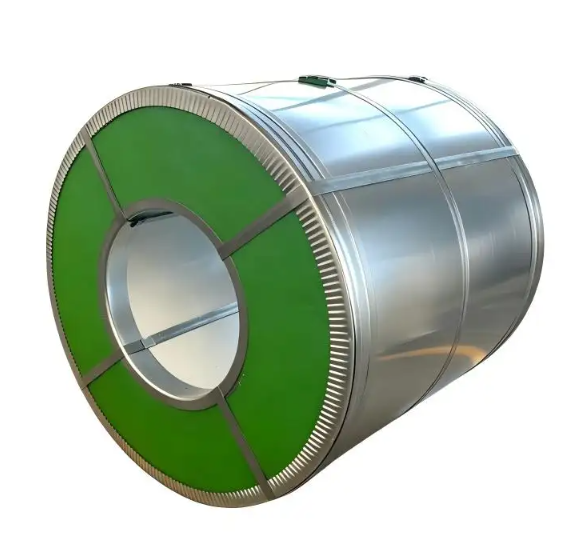
Learn why premium finish galvalume steel coil delivers better paint adhesion and visual consistency in finished building products. Request specs today.
2026/09/10
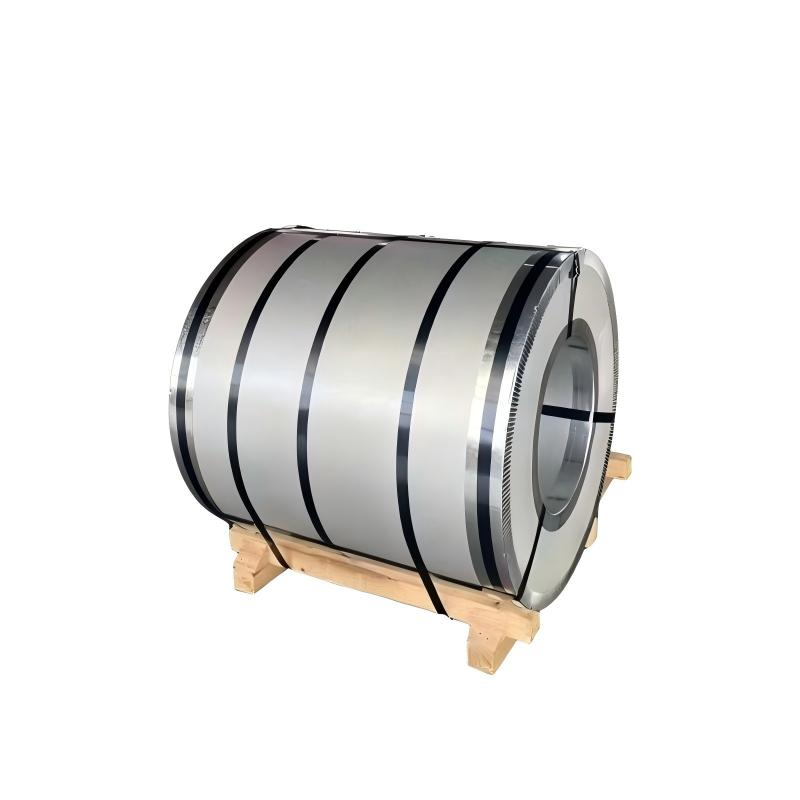
Learn why heavy coating galvalume steel coil provides superior corrosion resistance in harsh coastal settings and saves long-term maintenance costs.
2026/09/10
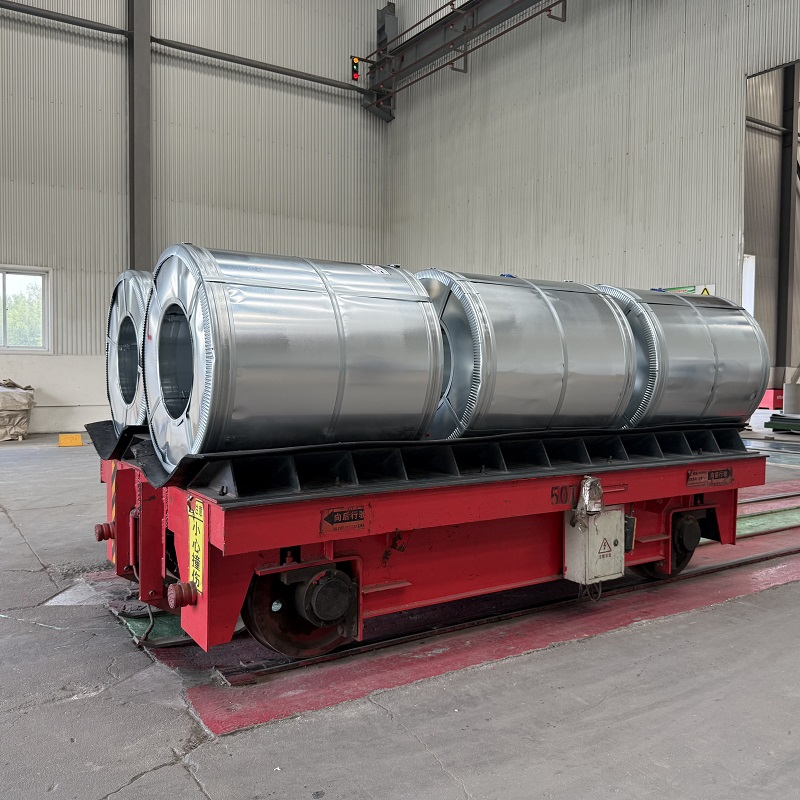
Learn how to test the bending performance of formable galvalume steel coil samples using T-bend testing to prevent cracking and scrap.
2026/09/10
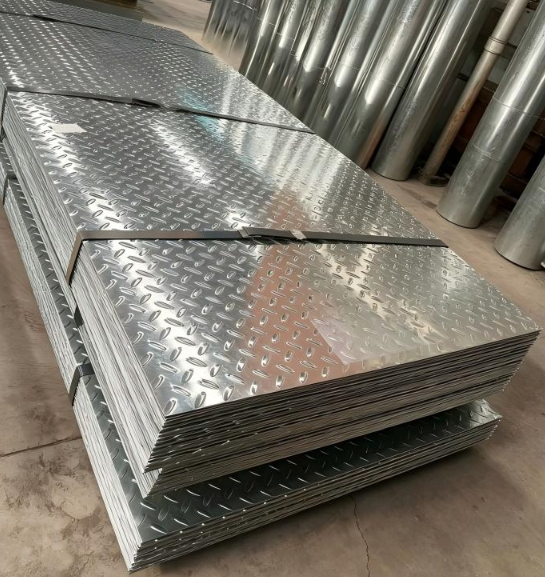
Discover how multi specification galvalume steel coil simplifies purchasing, boosts productivity, and lowers costs for metal fabricators.
2026/09/10
Discover why hot dipped galvanized steel and hot dip galvanized checkered plate offer ideal corrosion resistance and strength for road guardrails.
Covering green transformation, product comparison, selection guide, and industry empowerment, helping you fully grasp the dynamics of the color steel industry.

Global climate action and Belt and Road cooperation are driving the color steel industry’s shift toward green, sustainable development.

Comparing PPGI and PPGL across performance, durability, and applications to help you select the optimal coated steel for your project.
A practical guide to selecting and applying color steel coils, ensuring optimal performance, durability, and cost-effectiveness for your projects.
Industry forum drives digital and green transformation, empowering steel sector development through innovation and collaboration.