EN
EN

How to customize length size of precision cut GI coil finished sheets
2026/09/11
Learn how to specify precision cut GI coil sheets in custom lengths — tolerance selection, coating integrity, and ordering tips.
2026/08/10
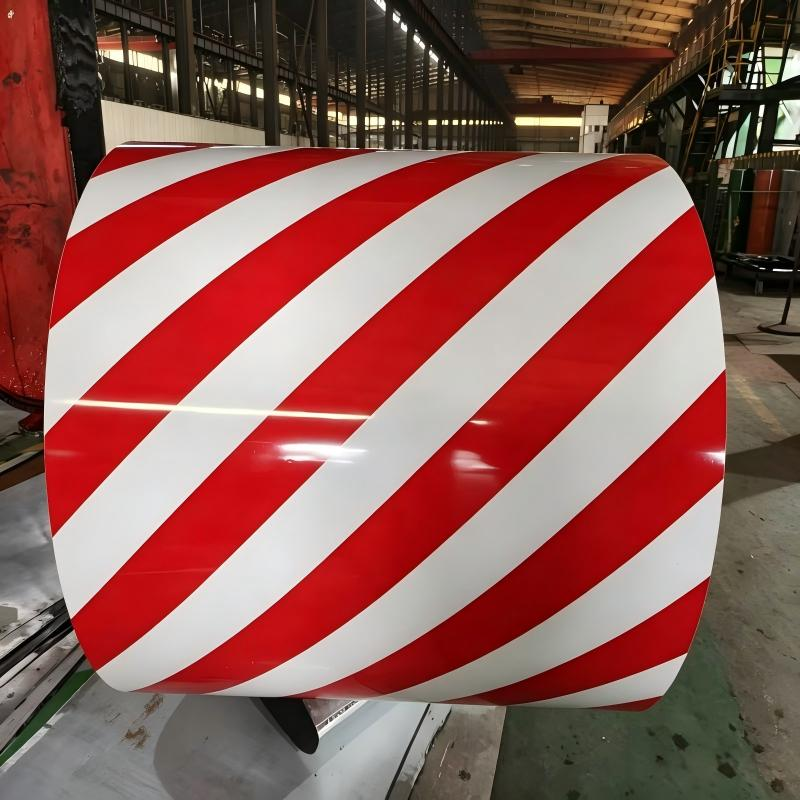
When transporting colour coated aluminium coil and global shipment ppgi steel coil across maritime trade routes, shipments face continuous exposure to aggressive chloride-laden salt spray that can compromise surface layers within days. Seawater typically contains sodium chloride concentrations exceeding 3.5 percent. Once airborne salt particles settle on a colour coated aluminium coil during transit, they trigger an electrochemical reaction that degrades paint resins and accelerates under-film damage. For global shipment ppgi steel coil moving through tropical waters where temperatures top 35 degrees Celsius and relative humidity spikes past 85 percent, the corrosion risk escalates dramatically.
Logistics data reveals that improperly wrapped metal products can develop white rust and blistering within 72 hours of marine exposure. The financial consequences stretch far beyond the raw material value—project delays, replacement freight charges, and client disputes can multiply initial expenses exponentially. Choosing proper coil packaging materials is therefore a vital quality assurance decision for any international transport of colour coated aluminium coil or heavy-duty steel goods.
Safeguarding metal inventory from maritime degradation requires a comprehensive multi-layer strategy utilizing five key components. The primary layer, resting directly against the metal, consists of volatile corrosion inhibitor film. This specialized wrap releases active molecules that settle on the colour coated aluminium coil surface, proactively neutralizing salt ions before they can spark deterioration. High-grade VCI films offering multi-month protection are heavily recommended for any global shipment ppgi steel coil bound for distant ports.
The secondary layer involves a waterproof polyethylene wrapping film with a minimum thickness of 0.15 mm, applied with a generous overlap between passes. This creates a solid moisture barrier preventing liquid water from reaching the colour coated aluminium coil while allowing VCI vapors to circulate freely. Hard plastic end guards protect vulnerable edges on global shipment ppgi steel coil, followed by robust steel strapping bands that lock everything securely in place. Finally, a sturdy wooden pallet or steel cradle elevates the cargo away from container floor condensation, completing a dependable export coil protection setup.
Corrosion on colour coated aluminium coil follows a predictable electrochemical path. When sodium chloride dissolves in trapped surface moisture, it forms a conductive electrolyte bridge enabling electron transfer between the aluminium base and its organic paint coating. This reaction produces expanding aluminium hydroxide, physically lifting the paint film away from the metal. The outcome is the classic blistering pattern often discovered on poorly protected shipments.
For a global shipment ppgi steel coil, the mechanism shifts slightly. The underlying zinc layer acts as a sacrificial shield, but high chloride levels accelerate zinc depletion up to fivefold compared to standard atmospheric exposure. Once the zinc layer vanishes, red rust forms rapidly on the exposed steel. This reality highlights why professional sea salt corrosion packing must combine physical barriers with chemical VCI technology to interrupt electrochemical processes right at the molecular level.
| Packing Layer Configuration | Salt Barrier Rating | VCI Protection | Moisture Control | Relative Cost | Recommended Application |
| Standard PE Film | Low | No | Poor | 1.0x | Domestic transit |
| VCI Film Only | High | Yes | Good | 2.5x | Standard export |
| VCI Wrap + PE Outer | Very High | Yes | Excellent | 3.0x | Regional sea shipping |
| Full Barrier System | Maximum | Yes | Maximum | 4.5x | Tropical maritime routes |
An overseas exporter recently dispatched a heavy batch of colour coated aluminium coil from an Asian port to Dubai, only to face recurring customer complaints regarding surface quality upon arrival. Wrapped merely in standard plastic film on wooden pallets, the cargo showed visible white rust and paint bubbling across nearly 8 percent of its exposed surface. The 21-day voyage traversing tropical waters exposed the colour coated aluminium coil to continuous heat and heavy salt mist.
To resolve the issue, the supplier upgraded their entire packaging protocol to implement rigorous sea salt corrosion packing standards: a VCI inner wrap, a heavy-duty waterproof outer layer, reinforced end caps, steel tension bands, and a raised steel cradle. Subsequent batches of global shipment ppgi steel coil utilizing this upgraded setup arrived with zero rust or blistering. The client accepted the entire delivery without penalties, prompting the exporter to standardize this method for all global voyages.
Establishing strict packing benchmarks for international metal exports demands careful multi-stage oversight. Before wrapping commences, inspectors must verify that every colour coated aluminium coil is thoroughly clean and dry to prevent trapping residual moisture. During wrapping, VCI layers must completely seal the cargo, and outer protective films must maintain consistent tension.
Post-packing evaluations should double-check that end caps fit snugly, steel bands remain taut without cutting into edges, and supporting pallets offer proper ground clearance. For any global shipment ppgi steel coil, placing 2 to 3 kilograms of silica gel desiccant inside the sealed envelope helps absorb condensation during drastic temperature shifts. Utilizing professional coil packaging materials paired with meticulous oversight guarantees reliable export coil protection from factory floor to final destination.
When sourcing premium metal goods internationally, partnering with a dependable manufacturer makes all the difference. Shenyang Yuanhe operates state-of-the-art production facilities and collaborates with world-class logistics partners to serve diverse global markets. By integrating advanced manufacturing capabilities with robust supply chain solutions, Shenyang Yuanhe ensures that every order of colour coated aluminium coil or global shipment ppgi steel coil arrives safely, securely, and in pristine condition.
Quality VCI film delivers active chemical defense for up to 24 months. For standard maritime journeys lasting 15 to 45 days, this technology provides exceptional safeguarding for both a colour coated aluminium coil and a global shipment ppgi steel coil when paired with waterproof outer layers.
No. Standard polyethylene film only provides a physical barrier against liquid water and lacks active chemical inhibitors. Maritime shipping routes require integrated VCI technology within proper coil packaging materials to neutralize microscopic salt particles effectively.
Tropical shipments demand a complete multi-tier system including inner VCI wrap, heavy-duty waterproof exterior film, protective end caps, secure steel strapping, elevated bases, and moisture-absorbing desiccants to guarantee successful export coil protection against extreme heat and humidity.
2026/09/11
Learn how to specify precision cut GI coil sheets in custom lengths — tolerance selection, coating integrity, and ordering tips.
2026/09/11
Learn why premium finish galvalume steel coil delivers better paint adhesion and visual consistency in finished building products. Request specs today.
2026/09/10
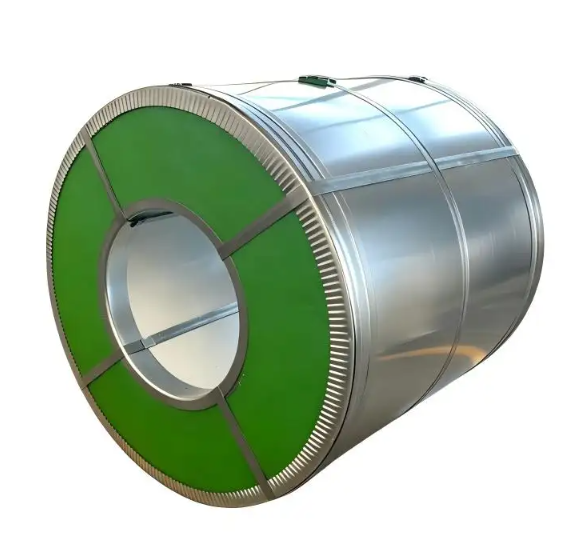
Learn why heavy coating galvalume steel coil provides superior corrosion resistance in harsh coastal settings and saves long-term maintenance costs.
2026/09/10
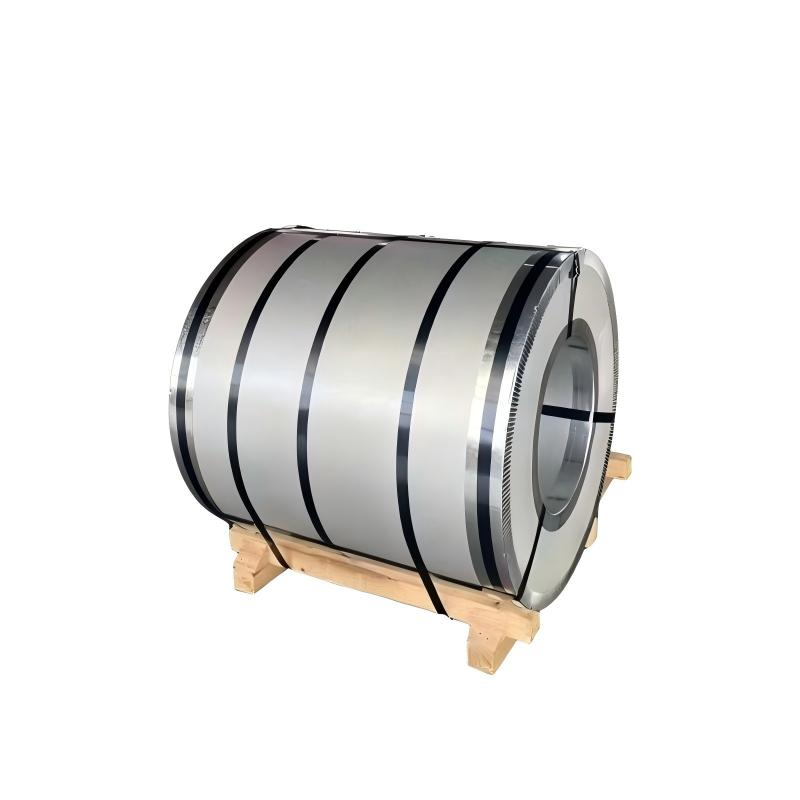
Learn how to test the bending performance of formable galvalume steel coil samples using T-bend testing to prevent cracking and scrap.
2026/09/10
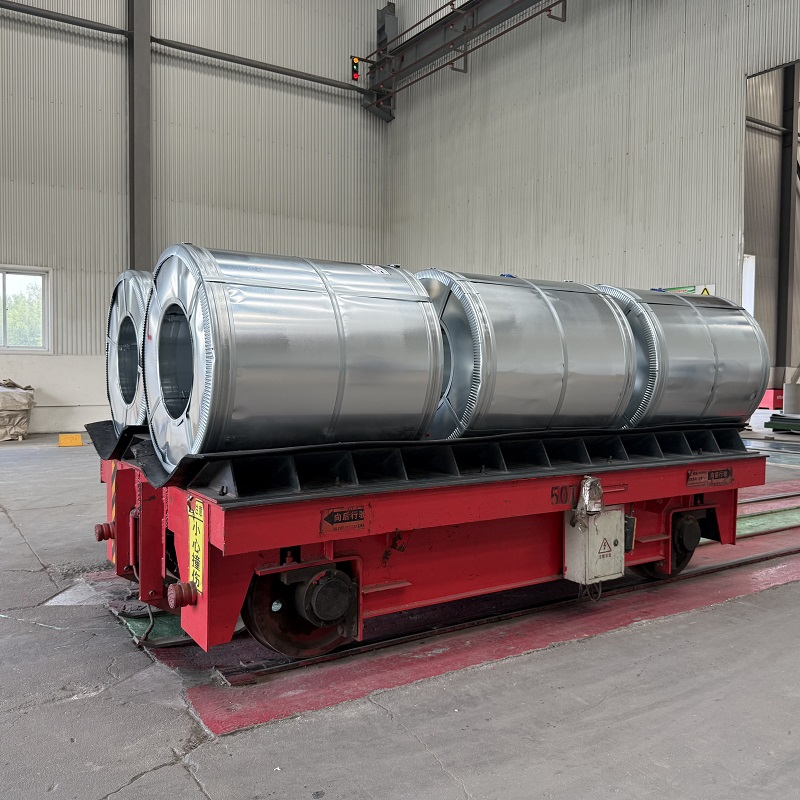
Discover how multi specification galvalume steel coil simplifies purchasing, boosts productivity, and lowers costs for metal fabricators.
2026/09/10
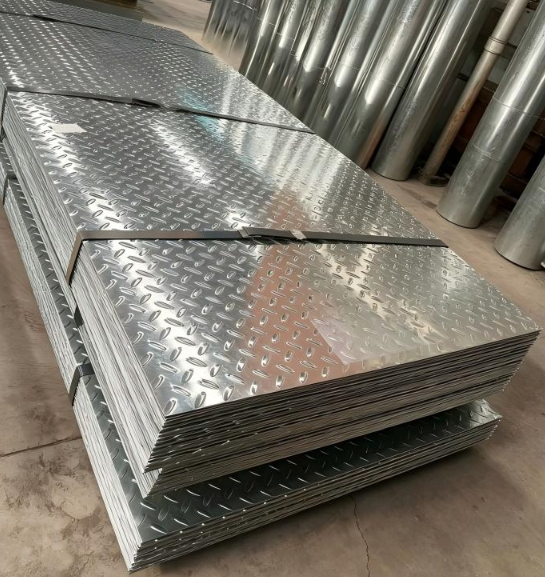
Discover why hot dipped galvanized steel and hot dip galvanized checkered plate offer ideal corrosion resistance and strength for road guardrails.
Covering green transformation, product comparison, selection guide, and industry empowerment, helping you fully grasp the dynamics of the color steel industry.

Global climate action and Belt and Road cooperation are driving the color steel industry’s shift toward green, sustainable development.

Comparing PPGI and PPGL across performance, durability, and applications to help you select the optimal coated steel for your project.
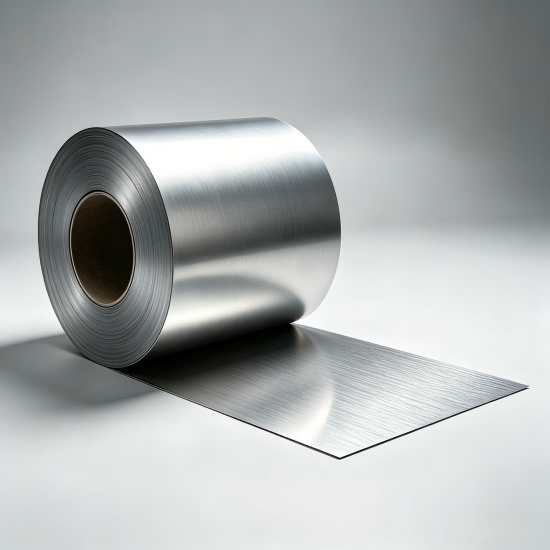
A practical guide to selecting and applying color steel coils, ensuring optimal performance, durability, and cost-effectiveness for your projects.
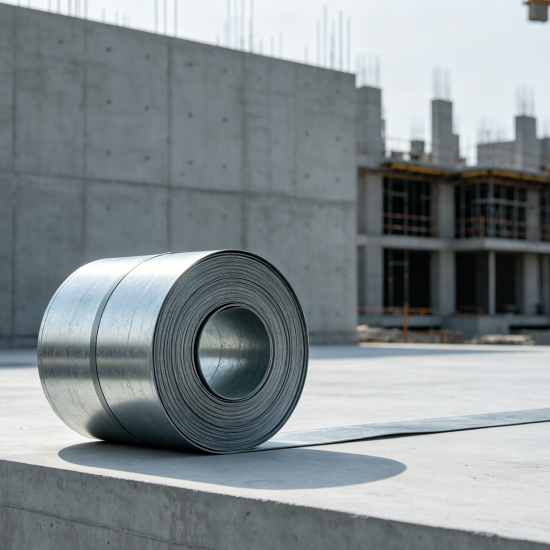
Industry forum drives digital and green transformation, empowering steel sector development through innovation and collaboration.