EN
EN

How to customize length size of precision cut GI coil finished sheets
2026/09/11
Learn how to specify precision cut GI coil sheets in custom lengths — tolerance selection, coating integrity, and ordering tips.
2026/07/31
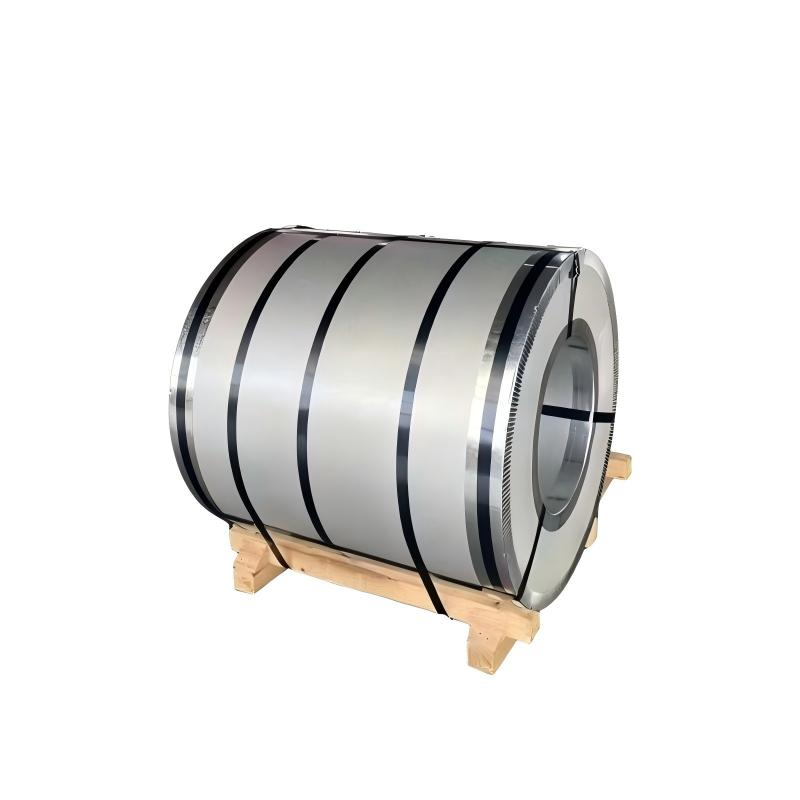
When sourcing PPGI coil for construction or manufacturing projects, the quality of the raw material is only half the equation. What often determines whether a project stays on schedule and within budget is whether the supplier can provide the right downstream processing services. A PPGI coil metal factory that only ships full-width master coils may leave your team dealing with costly third-party slitting, cutting, and leveling work that introduces delays, adds handling costs, and increases material waste. In our experience working with fabricators across Southeast Asia and the Middle East, a factory’s processing workshop is frequently the deciding factor between a smooth procurement cycle and a logistical headache.
The minimum processing capabilities a PPGI coil metal factory should offer for custom fabrication PPGI steel coil orders include precision slitting, cut-to-length shearing, and tension leveling. Slitting is the most commonly requested service. A professional slitting line should be able to process coil from 0.09mm up to 1.5mm thickness with width tolerances within plus or minus 0.1mm. Without accurate slitting, downstream roll-forming machines can experience tracking issues that produce warped panels. Equally important is cut-to-length shearing. For buyers ordering prepainted sheets rather than coils, the factory should provide flat sheets cut to exact dimensions with clean, burr-free edges. The third essential capability is tension leveling or flattening. Coils naturally carry internal stresses from the rolling process, and without proper leveling, sheets can exhibit edge wave, center buckle, or crossbow that makes them unsuitable for precision applications like sandwich panel production.
Beyond the three core services, a capable PPGI coil metal factory often provides value-added processing that eliminates secondary operations at the customer’s end. These include in-line embossing for textured surface finishes, protective film application (typically PE film in 30 to 60 micron thickness), and custom packaging with edge protectors and desiccant packs for ocean freight. For custom fabrication PPGI steel coil orders destined for roofing and cladding systems, some factories also offer pre-punching and notching services that allow panels to be installed directly onsite without additional drilling. In one project supplying prepainted coils for a warehouse development in the Philippines, the buyer reduced their onsite labor cost by approximately 15 percent simply by having all sheets pre-cut, pre-punched, and bundled by bay number at the factory. The incremental processing cost was recovered within the first week of installation through faster erection speed and lower rework rates.
Processing operations are not standalone activities. They must be integrated into the factory’s broader quality control system. A PPGI coil metal factory should demonstrate that its slitting and cutting lines operate under the same three-tier inspection protocol applied to the coating line. Visual inspection stations should be positioned at the entry, mid-process, and exit points of each processing line. Key checks include verifying strip width against work order specifications, inspecting cut edges for burrs or coating delamination, and confirming flatness after leveling. For orders involving custom fabrication PPGI steel coil where tight dimensional tolerances are critical, the factory should be able to provide a dimensional inspection report with each shipment. This document serves as a traceable record and is particularly valued by buyers in markets with strict import inspection regimes.
Custom orders demand robust documentation. When a PPGI coil metal factory processes material from multiple master coils into dozens of smaller slit coils or cut sheets, maintaining traceability becomes essential. The factory should tag every finished piece with a heat number or coil ID that links back to the original mill test certificate. This traceability allows the end user to verify the zinc coating weight, paint specification, and mechanical properties of each piece of material used in their project. Suppliers serving export markets like the Middle East and Africa should also be prepared to provide Certificate of Origin, fumigation certificates for wooden pallets, and detailed packing lists organized by size and specification.
Consider a real scenario from our supply operations. A buyer in Kenya required 200 metric tons of PPGI coil processed into 11 different slit widths ranging from 250mm to 1200mm, with thicknesses spanning 0.25mm to 0.60mm in four RAL colors. The order also included 50 metric tons of cut-to-length sheets at 2400mm length. Coordinating this through a PPGI coil metal factory with an integrated processing workshop allowed the entire order to be completed in 10 working days using stock base material. The factory’s slitting team programmed all 11 width changes across three slitting lines, while the cut-to-length line ran the sheet portion simultaneously. Each slit coil was individually wrapped, labeled with width and color codes, and loaded into containers by specification. The buyer received a shipment-ready inventory that their roll-forming team could feed directly into production lines without any additional preparation. Had the processing been outsourced to a third party, the timeline would likely have stretched to 20 to 25 working days, and the risk of mixed specifications during handling would have been significantly higher.
When evaluating a PPGI coil metal factory for custom order capabilities, verify not only the existence of processing equipment but also its age, maintenance record, and capacity. A factory running a single aging slitting line may struggle to meet tight deadlines during peak season. Ask about typical lead times for custom processing, minimum order quantities for slitting and cutting services, and whether rush orders can be accommodated. Also inquire about packaging standards. Seaworthy export packaging requires more than stretch wrap; it should include VCI paper for corrosion protection, edge guards to prevent coil damage during handling, and steel strapping to secure coils inside containers. These operational details, while seemingly minor, directly affect the condition in which material arrives at your facility and ultimately determine the success of your custom fabrication PPGI steel coil procurement. For buyers seeking a supplier with proven processing capability, companies like Shenyang Yuanhe Steel maintain an in-house workshop for slitting, cutting, and flattening, supported by over 10,000 metric tons of persistent inventory, enabling efficient handling of custom fabrication PPGI steel coil orders for construction markets worldwide.
Most professional PPGI coil metal factories can process prepainted coils from 0.09mm upward using precision slitting lines with carbide or ceramic slitter blades. For material thinner than 0.20mm, the factory should use tension-controlled unwind systems to prevent strip breakage during high-speed slitting. Always confirm with the supplier before placing an order for ultra-thin gauge material.
Request photographs or a live video tour of the processing workshop showing equipment nameplates with the factory’s location. Ask for sample processing reports from recent orders that include dimensional inspection data. A factory with genuine in-house capability will have no hesitation sharing this information. Also check whether the factory’s ISO or quality management documentation lists processing as a covered activity.
Yes, experienced PPGI coil metal factories routinely consolidate mixed-spec orders into consolidated containers to optimize freight costs. Each coil or sheet bundle is individually labeled and documented on the packing list. For container loading, heavier coils are positioned at the bottom, and void spaces are filled with dunnage to prevent movement during transit. This mixed-load capability is particularly valuable for buyers who need small quantities of multiple specifications for a single project.
Essential vs. Value-Added Processing Capabilities Comparison
|
Capability |
Essential (Must Have) |
Value-Added (Recommended) |
Impact on Custom Orders |
|
Slitting |
Precision slitting 0.09-1.5mm thickness |
In-line width measurement system |
Enables multi-width orders from single master coil |
|
Cut-to-Length |
Shearing with burr-free edges |
Automated stacking and sorting |
Reduces downstream cutting labor |
|
Leveling |
Tension leveling for flatness |
Stretch leveling for ultra-flat panels |
Prevents panel warping in sandwich panel lines |
|
Embossing |
N/A (not essential) |
In-line embossing for textures |
Adds aesthetic value for architectural panels |
|
Pre-punching |
N/A (not essential) |
CNC punching and notching |
Eliminates onsite drilling for roofing panels |
|
Protective Film |
N/A (not essential) |
PE film 30-60 micron application |
Protects surface during transport and roll-forming |
2026/09/11
Learn how to specify precision cut GI coil sheets in custom lengths — tolerance selection, coating integrity, and ordering tips.
2026/09/11
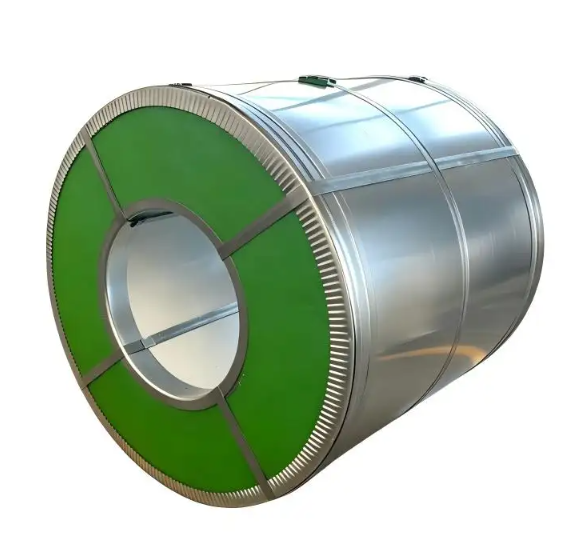
Learn why premium finish galvalume steel coil delivers better paint adhesion and visual consistency in finished building products. Request specs today.
2026/09/10
Learn why heavy coating galvalume steel coil provides superior corrosion resistance in harsh coastal settings and saves long-term maintenance costs.
2026/09/10
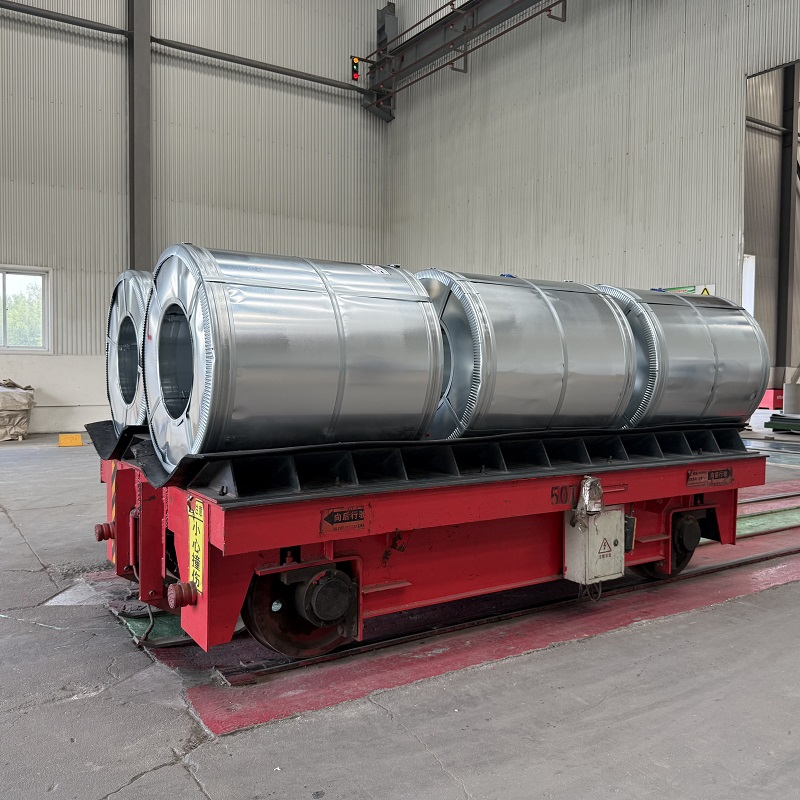
Learn how to test the bending performance of formable galvalume steel coil samples using T-bend testing to prevent cracking and scrap.
2026/09/10
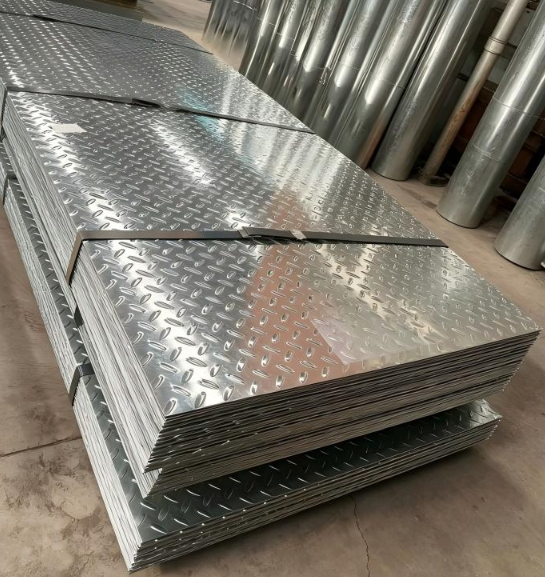
Discover how multi specification galvalume steel coil simplifies purchasing, boosts productivity, and lowers costs for metal fabricators.
2026/09/10
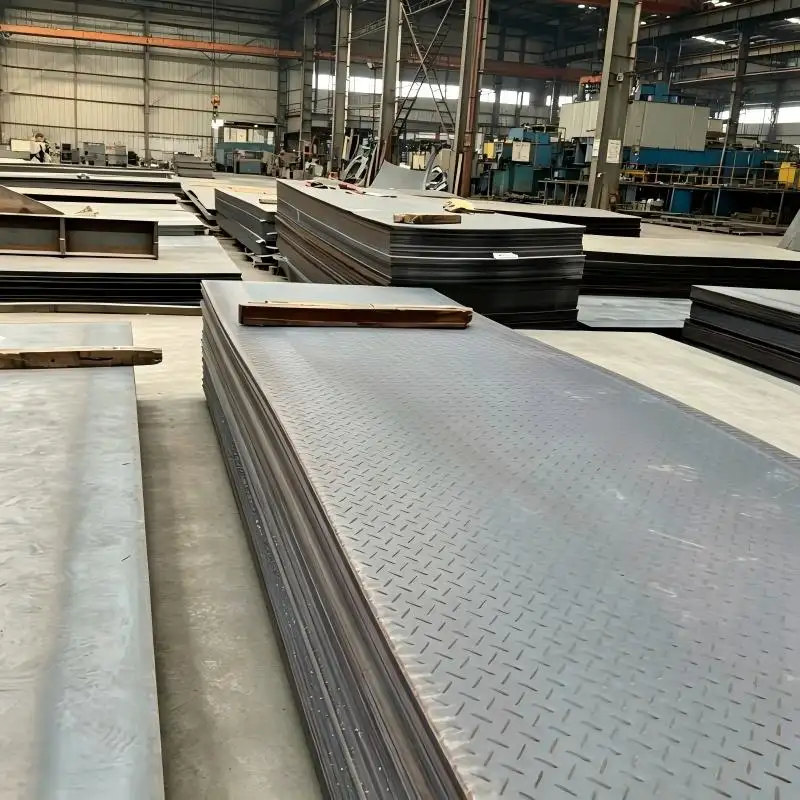
Discover why hot dipped galvanized steel and hot dip galvanized checkered plate offer ideal corrosion resistance and strength for road guardrails.
Covering green transformation, product comparison, selection guide, and industry empowerment, helping you fully grasp the dynamics of the color steel industry.

Global climate action and Belt and Road cooperation are driving the color steel industry’s shift toward green, sustainable development.

Comparing PPGI and PPGL across performance, durability, and applications to help you select the optimal coated steel for your project.
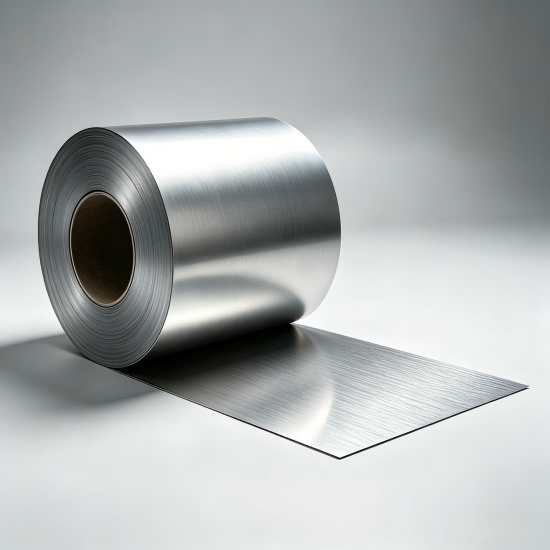
A practical guide to selecting and applying color steel coils, ensuring optimal performance, durability, and cost-effectiveness for your projects.
Industry forum drives digital and green transformation, empowering steel sector development through innovation and collaboration.