EN
EN

How to customize length size of precision cut GI coil finished sheets
2026/09/11
Learn how to specify precision cut GI coil sheets in custom lengths — tolerance selection, coating integrity, and ordering tips.
2026/08/12
When a manufacturer commits to purchasing bulk hot rolled carbon steel coil, the mechanical property test results documented on the mill test certificate represent the single most important quality assurance document in the transaction. These test values determine whether the coil can be safely formed, welded, and placed into service in structural, pressure vessel, automotive, or pipeline applications. A missing or inaccurate test result can cascade into catastrophic field failures — which is why international standards mandate specific test protocols for every heat of hot rolled coil produced. Drawing from my experience auditing steel mills and qualifying suppliers across China, India, and Southeast Asia, this article details each required mechanical property test, what it measures, and how buyers should interpret the results when evaluating bulk coil purchases.
Tensile testing (ASTM A370, ISO 6892) provides the most fundamental mechanical property data for hot rolled carbon steel coil. A machined specimen is pulled to failure at controlled strain rate, generating a stress-strain curve that reveals four critical parameters. Yield strength — the stress at which permanent deformation begins — typically ranges from 250 MPa for commercial-grade hot rolled coil to over 400 MPa for high-strength low-alloy grades. Ultimate tensile strength, representing the maximum stress the material sustains, provides the baseline for engineering calculations. Elongation percentage, measured over a specified gauge length (usually 50mm or 200mm), indicates ductility — values below 18 percent suggest potential forming difficulties. The reduction of area measurement, though less commonly reported, provides additional insight into the material is ability to deform before fracture.
For bulk hot rolled carbon steel coil orders, buyers should require tensile test results for each heat number, with test specimens taken from both the head and tail of the coil. Discrepancies between head and tail values exceeding 30 MPa in yield strength indicate inconsistent rolling conditions and should trigger further investigation. Reputable mills provide this data routinely, but buyers should verify that test specimens are taken from the actual coil being supplied, not from a representative heat sample.
Hardness testing offers a rapid, non-destructive method to verify that hot rolled coil meets specified strength ranges. Brinell hardness (HBW) testing, using a 10mm tungsten carbide ball at 3000 kgf load, is the standard method for hot rolled carbon steel coil. Typical hardness values range from 120 HBW for low-carbon forming grades to 190 HBW for medium-carbon structural grades. Rockwell B (HRB) testing provides an alternative for thinner gauges, while Vickers (HV) testing is preferred for precise research applications. The value of hardness testing in bulk purchases lies in its ability to detect inconsistencies across a coil or between coils from the same heat. A hardness variation exceeding 15 HBW across a single coil surface suggests non-uniform cooling during rolling, which may affect downstream formability and weldability.
|
Test Type |
Standard |
Property Measured |
Typical Range (HRC coil) |
Specimens per Heat |
Critical for Applications |
|
Tensile Test |
ASTM A370 / ISO 6892 |
Yield, tensile, elongation |
YS: 250-400 MPa |
2 (head + tail) |
Structural, pressure vessel |
|
Brinell Hardness |
ASTM E10 / ISO 6506 |
Resistance to penetration |
120-190 HBW |
3-5 per coil |
Quality consistency |
|
Charpy Impact |
ASTM E23 / ISO 148 |
Toughness at temperature |
20-100 Joules at 0C |
3 (averaged) |
Low-temp, dynamic loading |
|
Bend Test |
ASTM E290 / ISO 7438 |
Ductility, soundness |
180 deg at 1.5T-3T |
1-2 per heat |
Forming, fabrication |
|
Chemical Analysis |
ASTM E1019 |
C, Mn, Si, P, S content |
Per grade spec |
1 per heat |
Weldability, hardenability |
For hot rolled carbon steel coil destined for applications involving dynamic loading, seismic conditions, or low-temperature service, Charpy V-notch impact testing is mandatory. The test measures the energy absorbed by a notched specimen when struck by a pendulum hammer at a specified temperature. The results, reported in joules, indicate the material is resistance to brittle fracture — a critical property for pressure vessel steel, bridge steel, and pipeline applications. ASTM A673 defines sampling procedures for hot rolled coil, typically requiring three specimens per heat, tested at the minimum service temperature. For coil intended for service at or below 0 degrees Celsius, minimum absorbed energy values of 27-40 joules are commonly specified. Mills producing hot rolled coil for structural applications in seismic zones should provide impact test data demonstrating adequate toughness at the lowest anticipated service temperature.
Bend testing (ASTM E290) evaluates the ductility and soundness of hot rolled carbon steel coil by bending a full-thickness specimen around a mandrel of specified diameter. The test reveals internal discontinuities, inclusions, and surface defects that tensile testing may not detect. For structural grades, a 180-degree bend around a mandrel equal to 1.5-3 times the material thickness (1.5T-3T) is standard. The bent specimen is examined for surface cracks, tearing, or separation. Failures in bend testing often indicate excessive sulfur content, inadequate desulfurization during steelmaking, or surface defects from the rolling process. For bulk hot rolled coil orders, bend test results should be provided for each heat, with additional tests if coil thickness varies significantly across the order.
While not strictly a mechanical property test, chemical composition analysis is inseparable from mechanical property verification because composition directly determines mechanical behavior. Carbon content controls strength and hardenability — each 0.01 percent carbon increase raises yield strength by approximately 8-10 MPa. Manganese contributes strength and hot ductility, while phosphorus and sulfur are undesirable elements that reduce toughness and weldability. For hot rolled carbon steel coil conforming to ASTM A1011 or EN 10025, the chemical analysis must fall within grade-specific ranges. The mill test certificate should report carbon equivalent (CEV) for weldable structural grades, calculated as CEV = C + Mn/6 + (Cr+Mo+V)/5 + (Ni+Cu)/15. A CEV exceeding 0.45 indicates potential weldability concerns that may require preheat or special welding procedures.
In 2023, I was engaged as an independent technical expert in a quality dispute involving 800 tons of hot rolled carbon steel coil supplied for an oil pipeline project in Central Asia. The pipeline manufacturer reported unexpected cracking during spiral welding. Review of the mill test certificates showed tensile properties within specification, but the Charpy impact values were reported as a single average without individual specimen data. Independent re-testing revealed that two of three specimens from the same heat had absorbed less than 15 joules — below the 27-joule minimum. The low toughness was traced to elevated nitrogen content (0.012 percent) not reported on the original certificate. This case illustrates why buyers of bulk hot rolled coil should require complete test data, not just pass/fail summaries.
Beyond the standard tests, metallographic examination provides valuable insight into the internal quality of hot rolled carbon steel coil. Microstructure analysis reveals grain size, phase distribution, and banding patterns that affect mechanical properties. ASTM E45 inclusion assessment rates non-metallic inclusions on a severity scale, with excessive inclusions indicating steelmaking process deficiencies. For critical applications such as pressure vessels or offshore structures, specifying maximum inclusion severity ratings (typically 2.0 or below) provides additional quality assurance beyond standard mechanical property tests for hot rolled coil.
A properly completed mill test certificate for hot rolled coil should include: heat number and cast sequence, chemical composition, tensile test results (yield strength, tensile strength, elongation), hardness values, impact test results (where applicable), bend test results, and applicable standard designations. Buyers should verify that the heat number on the certificate matches the heat number stenciled on the coil packaging. Any values reported as "typical" or "representative" rather than actual test results should be questioned. For high-volume orders, statistical analysis of test data across multiple heats can reveal process consistency trends that single-heat certificates cannot show.
Yuanhe supplies hot rolled carbon steel coil and hot rolled coil with complete mill test certifications, including full chemical analysis and mechanical property test results for every heat. The company maintains records of all test data and can provide third-party inspection reports from SGS, BV, or TUV upon request. For bulk orders destined for critical applications, Yuanhe coordinates with independent testing laboratories to verify mechanical properties before shipment.
2026/09/11
Learn how to specify precision cut GI coil sheets in custom lengths — tolerance selection, coating integrity, and ordering tips.
2026/09/11
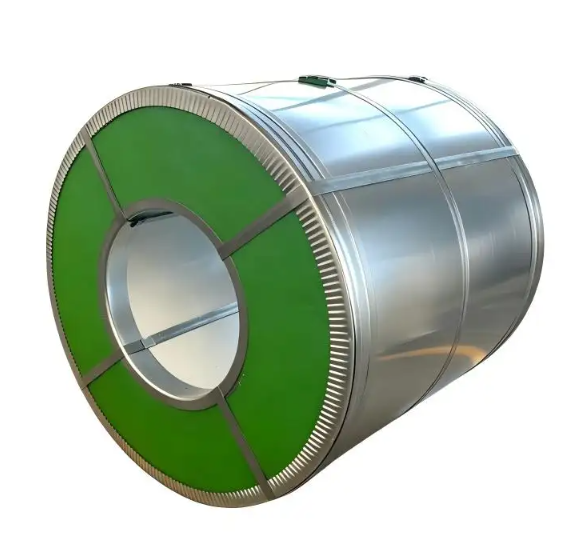
Learn why premium finish galvalume steel coil delivers better paint adhesion and visual consistency in finished building products. Request specs today.
2026/09/10
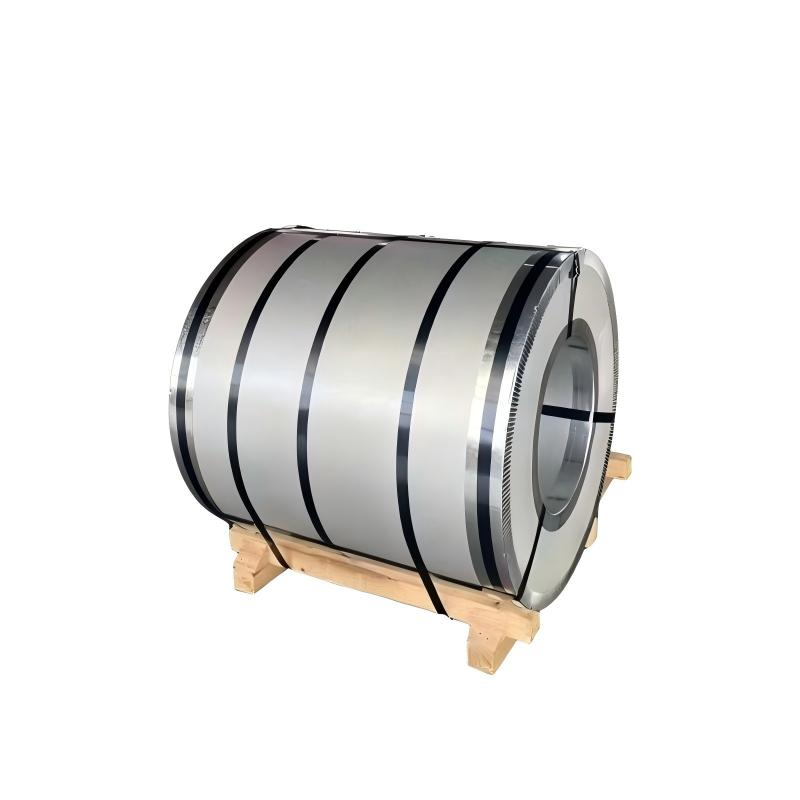
Learn why heavy coating galvalume steel coil provides superior corrosion resistance in harsh coastal settings and saves long-term maintenance costs.
2026/09/10
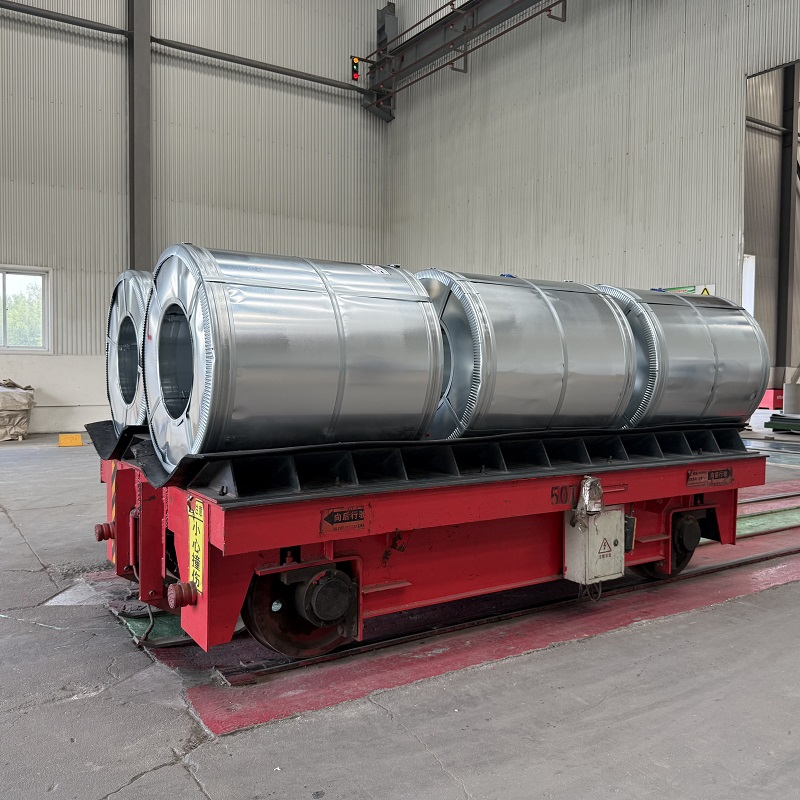
Learn how to test the bending performance of formable galvalume steel coil samples using T-bend testing to prevent cracking and scrap.
2026/09/10
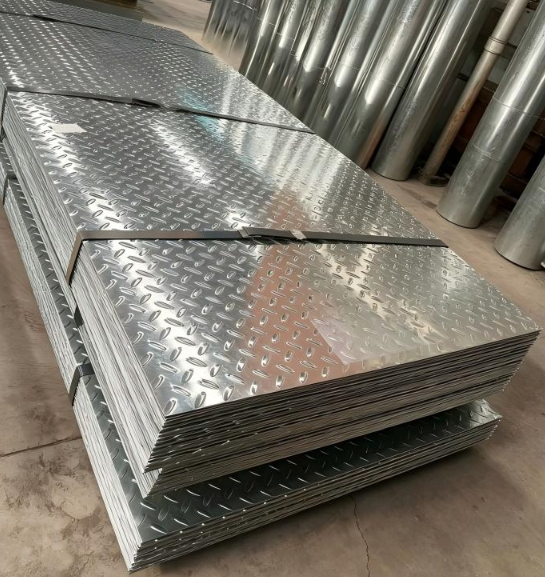
Discover how multi specification galvalume steel coil simplifies purchasing, boosts productivity, and lowers costs for metal fabricators.
2026/09/10
Discover why hot dipped galvanized steel and hot dip galvanized checkered plate offer ideal corrosion resistance and strength for road guardrails.
Covering green transformation, product comparison, selection guide, and industry empowerment, helping you fully grasp the dynamics of the color steel industry.

Global climate action and Belt and Road cooperation are driving the color steel industry’s shift toward green, sustainable development.
Comparing PPGI and PPGL across performance, durability, and applications to help you select the optimal coated steel for your project.
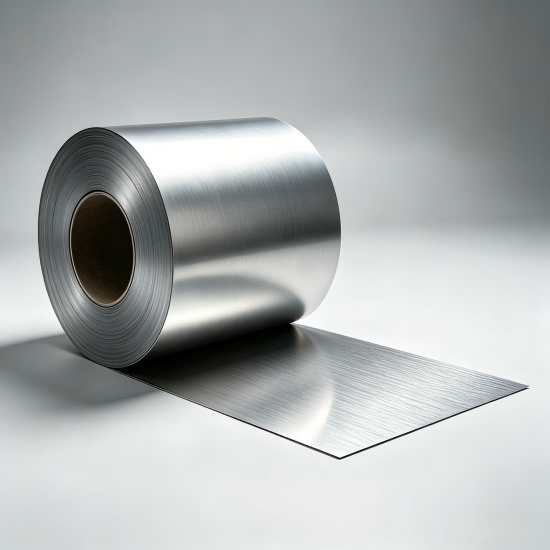
A practical guide to selecting and applying color steel coils, ensuring optimal performance, durability, and cost-effectiveness for your projects.
Industry forum drives digital and green transformation, empowering steel sector development through innovation and collaboration.