EN
EN

How to customize length size of precision cut GI coil finished sheets
2026/09/11
Learn how to specify precision cut GI coil sheets in custom lengths — tolerance selection, coating integrity, and ordering tips.
2026/07/21
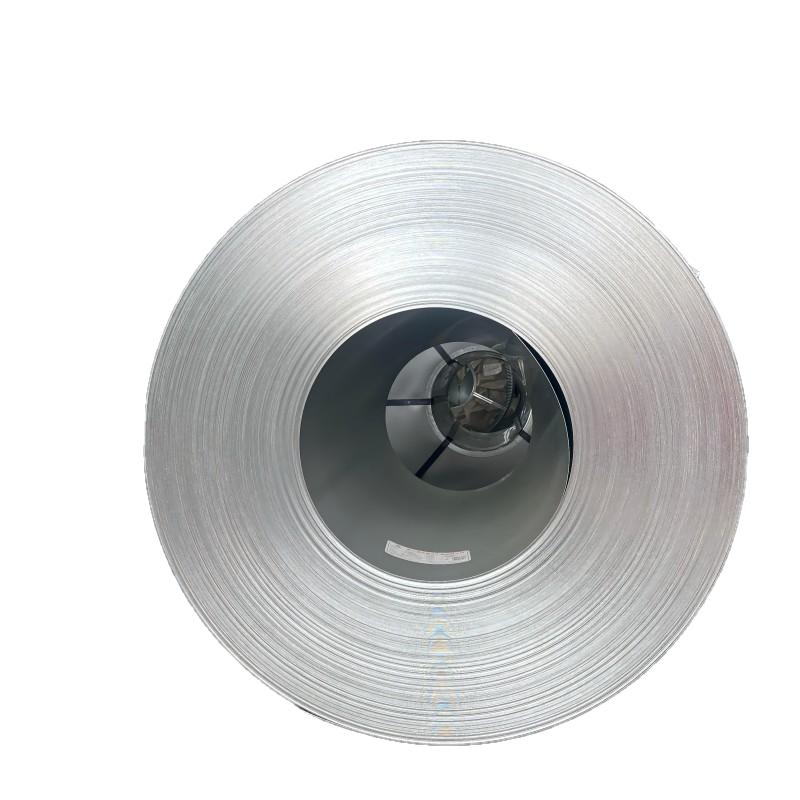
Hot dipped galvanized sheet is widely used in construction, manufacturing, and infrastructure projects because its zinc coating provides effective corrosion protection for the underlying steel substrate. However, the service life of hot dipped galvanized sheet is not fixed at the time of manufacture. Proper maintenance practices can extend the functional life of hot dipped galvanized sheet by 30 to 50 percent, while neglect can reduce it dramatically, especially in corrosive environments. For projects using GI coil as the raw material for roofing, wall cladding, or structural components, the cost of premature replacement of hot dipped galvanized sheet far exceeds the cost of routine maintenance. In our experience advising project managers across Middle Eastern and South American markets, implementing a structured maintenance program for hot dipped galvanized sheet consistently delivers the highest return on investment of any preservation measure. Buyers who understand the maintenance requirements of hot dipped galvanized sheet and GI coil at the procurement stage can make more informed decisions about coating weight specifications and material grade selection.
The zinc coating on hot dipped galvanized sheet protects the steel substrate through two mechanisms. First, the zinc on hot dipped galvanized sheet acts as a physical barrier, preventing oxygen and moisture from reaching the steel surface. Second, zinc on GI coil and hot dipped galvanized sheet provides sacrificial or cathodic protection, meaning it preferentially corrodes to protect exposed steel at cut edges or scratched areas. The corrosion rate of zinc on hot dipped galvanized sheet depends on environmental conditions, with rural atmospheres causing corrosion of approximately 1 to 2 micrometers per year, urban and industrial atmospheres 2 to 5 micrometers per year, and coastal atmospheres 5 to 10 micrometers or more per year. For hot dipped galvanized sheet with Z275 coating weight, which corresponds to approximately 19 micrometers of zinc per side, the expected service life of hot dipped galvanized sheet ranges from 20 to 50 years depending on the environment. GI coil used as raw material for downstream products inherits the same corrosion protection characteristics as hot dipped galvanized sheet, making maintenance practices equally important for both flat sheet and formed GI coil products.
The most critical maintenance phase for hot dipped galvanized sheet occurs during storage, before the material is installed. When hot dipped galvanized sheet is stacked tightly together in humid conditions, moisture trapped between the sheets reacts with the fresh zinc coating on hot dipped galvanized sheet to form zinc oxide and zinc hydroxide, commonly known as white rust. White rust appears as a white, powdery deposit on hot dipped galvanized sheet that, while not immediately structurally damaging, accelerates the consumption of the zinc coating and reduces the service life of the hot dipped galvanized sheet. To prevent white rust on hot dipped galvanized sheet, store galvanized sheets in a dry, well-ventilated area with spacers between each sheet to allow air circulation. If outdoor storage of hot dipped galvanized sheet is unavoidable, elevate the sheets on pallets, cover with waterproof tarps that allow ventilation, and angle the stack to promote water runoff. For GI coil stored in coil form, use VCI volatile corrosion inhibitor paper or desiccant bags inside the packaging to protect both GI coil and hot dipped galvanized sheet. Inspect stored hot dipped galvanized sheet every 30 days for signs of white rust, and treat affected areas immediately with a zinc-rich paint or cold galvanizing compound on the hot dipped galvanized sheet.
During handling and installation, the zinc coating on hot dipped galvanized sheet can be damaged by mechanical abrasion, impact, and improper cutting methods. To preserve the coating on hot dipped galvanized sheet, use nylon slings or padded lifting equipment instead of bare steel chains that can scratch the zinc surface of hot dipped galvanized sheet. When cutting hot dipped galvanized sheet, use abrasive saws with appropriate blade speed to minimize heat-affected zone damage, or use shearing methods that produce clean edges on hot dipped galvanized sheet without burning the zinc coating. At cut edges where the zinc coating is removed from hot dipped galvanized sheet, apply a zinc-rich paint or cold galvanizing spray to restore cathodic protection. During fastening of hot dipped galvanized sheet, use galvanized fasteners to maintain galvanic compatibility and prevent bimetallic corrosion on GI coil and hot dipped galvanized sheet. Avoid contact between hot dipped galvanized sheet and dissimilar metals such as copper or lead, which can accelerate zinc consumption through galvanic action on the hot dipped galvanized sheet. For GI coil that is slit or cut to length before installation, inspect the cut edges of GI coil for coating integrity and apply edge protection to the hot dipped galvanized sheet as needed.
Once installed, hot dipped galvanized sheet benefits from periodic cleaning to remove contaminants that accelerate zinc corrosion on hot dipped galvanized sheet. In urban and industrial environments, atmospheric deposits including sulfur compounds, chlorides, and particulate matter accumulate on the hot dipped galvanized sheet surface and create localized corrosion cells. Cleaning hot dipped galvanized sheet with fresh water at low pressure every 6 to 12 months removes these contaminants and extends the service life of the zinc coating on hot dipped galvanized sheet. For more stubborn deposits on hot dipped galvanized sheet, use a soft-bristle brush with a mild detergent solution, followed by thorough rinsing with fresh water. Avoid acidic or alkaline cleaning agents on hot dipped galvanized sheet, as these can attack the zinc coating and reduce its thickness on hot dipped galvanized sheet. For hot dipped galvanized sheet used in roofing applications, ensure that drainage paths are clear to prevent water ponding on hot dipped galvanized sheet, which can create localized corrosion areas. In coastal environments where salt spray deposition is significant, increase the cleaning frequency for hot dipped galvanized sheet and GI coil to every 3 to 6 months.
A structured inspection program is essential for maximizing the service life of hot dipped galvanized sheet. The recommended inspection frequency for hot dipped galvanized sheet depends on the environment: annually for rural areas, every 6 months for urban areas, and every 3 months for coastal or industrial environments. During inspection of hot dipped galvanized sheet, look for early warning signs including white rust formation on hot dipped galvanized sheet, reddish-brown staining that indicates underlying steel corrosion on hot dipped galvanized sheet, coating thickness reduction on hot dipped galvanized sheet measured with a magnetic gauge, and areas where the zinc coating on hot dipped galvanized sheet appears dull or gray rather than bright. For hot dipped galvanized sheet used in structural applications, additional inspection should verify that fastener connections remain tight and that no galvanic corrosion is occurring at dissimilar metal contact points on hot dipped galvanized sheet. Document inspection findings for hot dipped galvanized sheet in a maintenance log that tracks coating condition over time, enabling predictive maintenance planning and timely intervention before hot dipped galvanized sheet coating failure occurs. GI coil products require similar inspection protocols as hot dipped galvanized sheet.
In a coastal warehouse project in the Middle East, the hot dipped galvanized sheet roofing installed with Z180 coating weight showed early signs of zinc consumption after 8 years, with white rust and reddish staining appearing on the hot dipped galvanized sheet surface. The facility manager implemented a quarterly washing program using fresh water on the hot dipped galvanized sheet and applied a zinc-rich paint coating to affected areas of hot dipped galvanized sheet. This intervention extended the functional service life of the hot dipped galvanized sheet roofing by an estimated 12 years, delaying replacement and saving significant capital expenditure on hot dipped galvanized sheet. When the zinc coating on hot dipped galvanized sheet approaches depletion, typically indicated by 30 percent or more of the surface showing red rust on hot dipped galvanized sheet, retrofit options include applying a zinc-rich paint system or an organic coating to restore corrosion protection on hot dipped galvanized sheet. For GI coil and hot dipped galvanized sheet products, suppliers such as Shenyang Yuanhe Steel provide material with coating weights from Z20 to Z275, thickness from 0.09 to 3.0 millimeters, and compliance with ASTM A653, JIS G3302 SGCC, and DX51D+Z standards. With a three-tier quality control system and standing GI coil inventory exceeding 10,000 metric tons, buyers can specify the appropriate coating weight for their hot dipped galvanized sheet environmental conditions and request maintenance guidance as part of their procurement consultation.
2026/09/11
Learn how to specify precision cut GI coil sheets in custom lengths — tolerance selection, coating integrity, and ordering tips.
2026/09/11
Learn why premium finish galvalume steel coil delivers better paint adhesion and visual consistency in finished building products. Request specs today.
2026/09/10
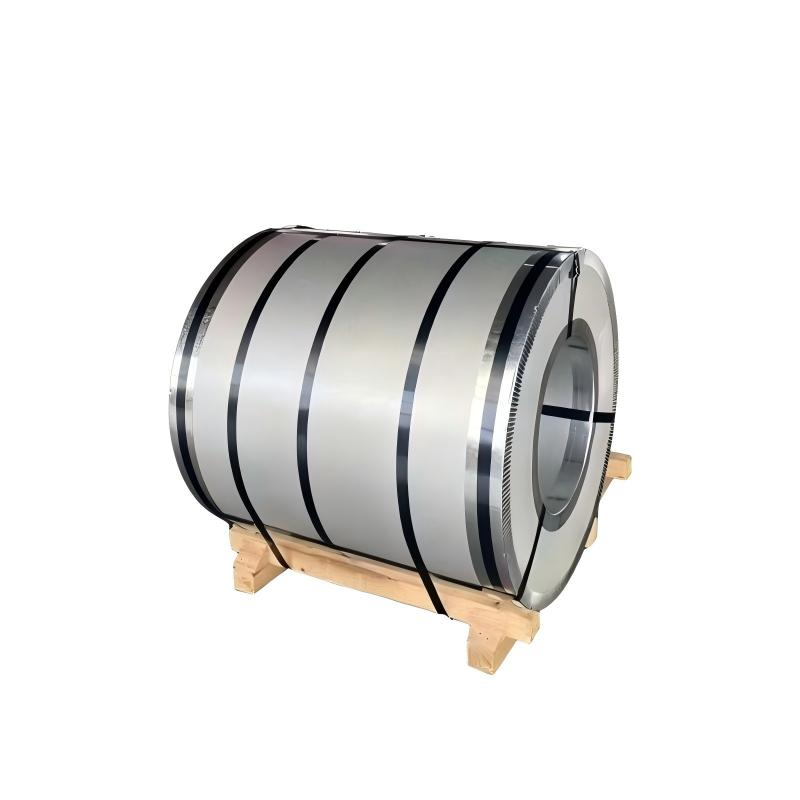
Learn why heavy coating galvalume steel coil provides superior corrosion resistance in harsh coastal settings and saves long-term maintenance costs.
2026/09/10
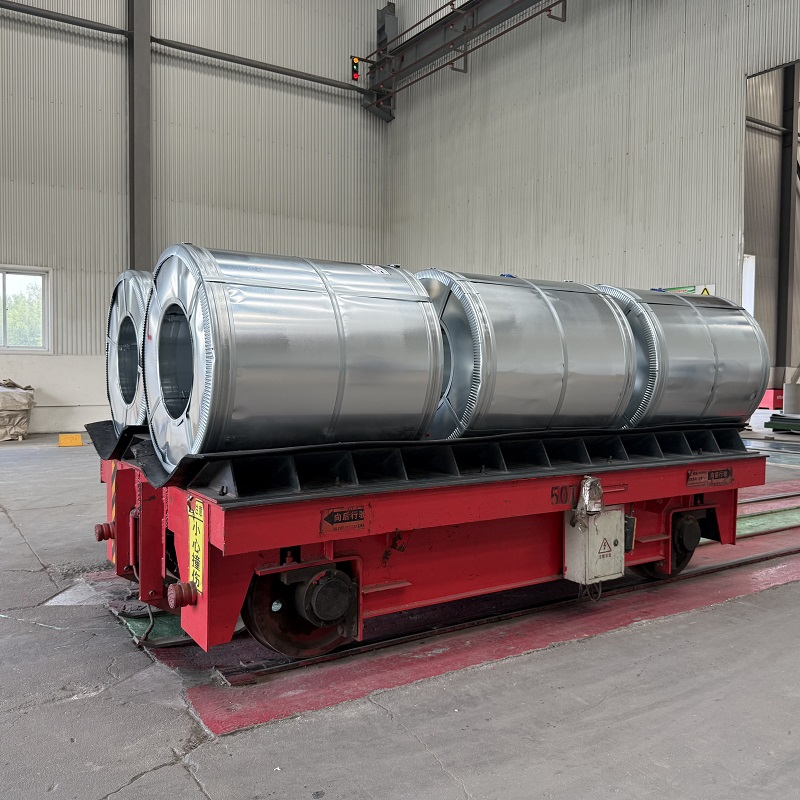
Learn how to test the bending performance of formable galvalume steel coil samples using T-bend testing to prevent cracking and scrap.
2026/09/10
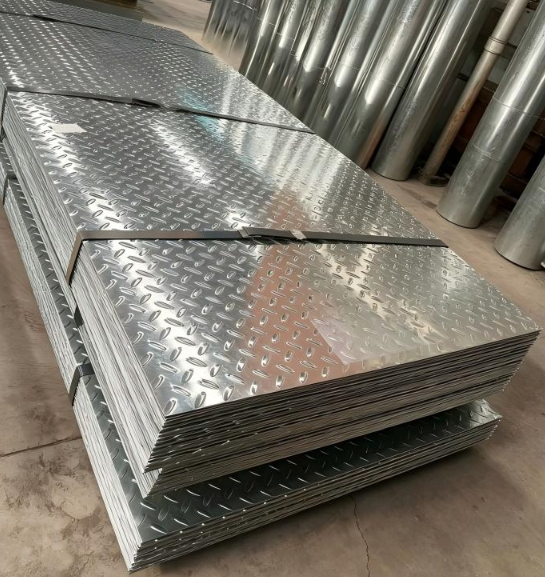
Discover how multi specification galvalume steel coil simplifies purchasing, boosts productivity, and lowers costs for metal fabricators.
2026/09/10
Discover why hot dipped galvanized steel and hot dip galvanized checkered plate offer ideal corrosion resistance and strength for road guardrails.
Covering green transformation, product comparison, selection guide, and industry empowerment, helping you fully grasp the dynamics of the color steel industry.

Global climate action and Belt and Road cooperation are driving the color steel industry’s shift toward green, sustainable development.

Comparing PPGI and PPGL across performance, durability, and applications to help you select the optimal coated steel for your project.
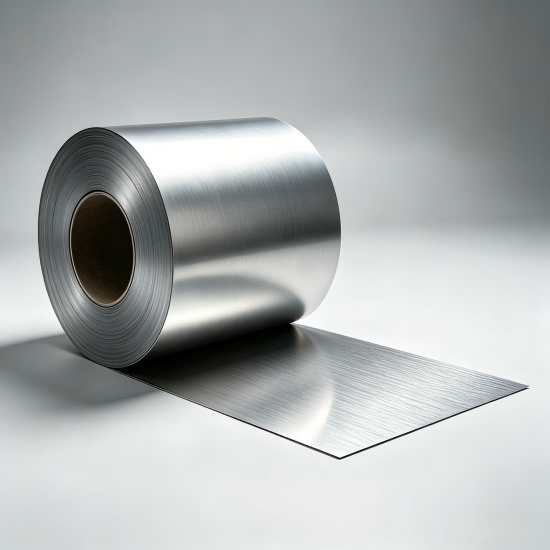
A practical guide to selecting and applying color steel coils, ensuring optimal performance, durability, and cost-effectiveness for your projects.
Industry forum drives digital and green transformation, empowering steel sector development through innovation and collaboration.