EN
EN

How to customize length size of precision cut GI coil finished sheets
2026/09/11
Learn how to specify precision cut GI coil sheets in custom lengths — tolerance selection, coating integrity, and ordering tips.
2026/09/03
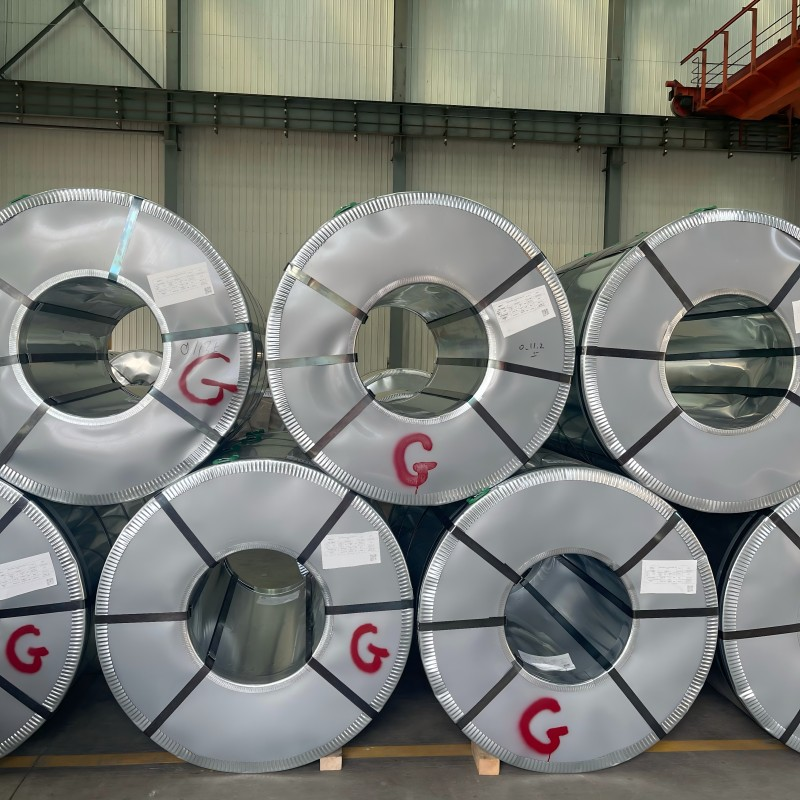
A widespread misconception among procurement specialists and facility managers is that high‑grade metal cladding requires zero care after installation. While 55% aluminum‑zinc coatings offer extraordinary corrosion resistance compared to traditional galvanized alternatives, even high‑performance industrial substrates benefit from occasional care. The key distinction is simple: care for galvalume steel coil cladding is minimal, straightforward, and low‑cost—yet performing these routine tasks makes a dramatic difference over the building's operational lifetime.
Implementing targeted galvalume coil maintenance can realistically stretch the functional service lifespan of exterior panels from 25 years to over 40 years. Proactive, scheduled upkeep preserves both the structural integrity and the aesthetic appearance of metal building envelopes across all weather conditions.
The most effective action to extend steel coil life is periodic surface cleaning with clean fresh water. Atmospheric contaminants, industrial particulates, air‑borne chemicals, and sea salts collect on exterior surfaces over time. When left unwashed, these deposits trap ambient moisture against the protective coating, accelerating localized pit corrosion and edge degradation.
Cleaning frequencies should always match the local micro‑climate:
| Environmental Hazard Level | Facility Location Type | Recommended Washing Interval | Key Contaminants to Remove |
|---|---|---|---|
| Low Exposure | Rural & Agricultural | Every 12 Months | Dust, organic debris, pollen |
| Moderate Exposure | Urban & Commercial | Every 6–8 Months | Vehicle exhaust, grime, soot |
| High Exposure | Coastal & Marine | Every 3–4 Months | Air‑borne sea salts, high humidity |
| Extreme Exposure | Heavy Industrial Sites | Every 3 Months | Chemical fall‑out, sulfur compounds |
Rinsing panels with low‑pressure fresh water washes away accumulated salt crystals and chemical residues before they penetrate the passive oxide surface layer.
Pressure Restrictions: When power washing exterior cladding fabricated from weather‑resistant galvalume steel coil, never exceed 1,500 PSI. Excessive water pressure damages factory edge sealants, forces moisture into micro‑flaws around fastener holes, and strips protective surface treatments.
Conducting thorough annual inspections allows maintenance managers to catch minor physical flaws before they develop into costly structural issues. Systematic checks should prioritize high‑vulnerability areas across the building envelope.
Checklist for effective galvalume coil maintenance:
Documenting findings with high‑resolution photos creates an operational track record to monitor surface degradation across different building elevations.
Accidental mechanical damage—caused by roof foot traffic, falling tree limbs, or equipment maintenance—can expose bare steel to the elements. Applying prompt field repairs restores edge‑to‑edge protection and prevents rust from expanding beneath adjacent coating layers.
Recommended spot‑repair procedures based on damage severity:
Addressing minor surface flaws immediately maintains the long‑term barrier protection of weather‑resistant galvalume steel coil installations without requiring expensive panel replacements.
Building envelope connections are critical performance zones. Substandard or aged fasteners frequently trigger localized moisture leaks long before the main metal sheet shows any degradation.
Guidelines for hardware and joint maintenance:
Controlling physical surroundings helps significantly reduce unnecessary structural stress on exterior metal cladding:
Maximizing material longevity starts with specifying high‑purity raw materials from trusted suppliers. Precise coating application, uniform alloy mixing, and consistent tension‑leveling during coil production lay the foundation for decades of trouble‑free exterior performance.
Supporting international industrial projects with premium‑grade metal products, Yuanhe manufactures high‑specification galvalume steel coil stock engineered for demanding environmental conditions. By providing complete mill test documentation, customized coil slitting services, and comprehensive care guidance with international shipments, Yuanhe enables global contractors to construct long‑lasting metal building envelopes. Investing in high‑quality raw materials alongside basic galvalume coil maintenance provides building owners with reliable protection, operational continuity, and exceptional total lifecycle value.
2026/09/11
Learn how to specify precision cut GI coil sheets in custom lengths — tolerance selection, coating integrity, and ordering tips.
2026/09/11
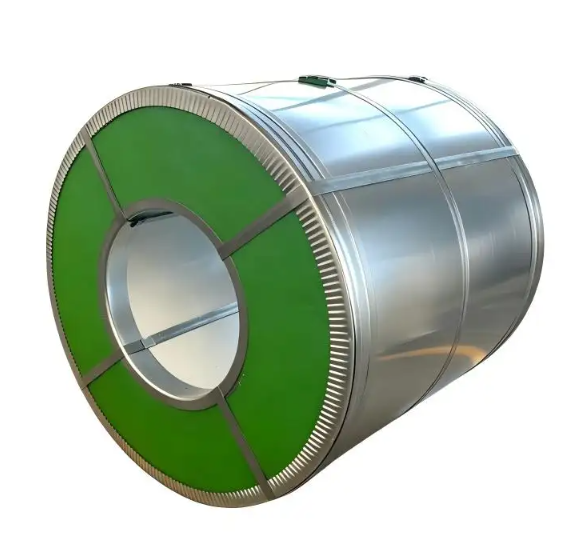
Learn why premium finish galvalume steel coil delivers better paint adhesion and visual consistency in finished building products. Request specs today.
2026/09/10
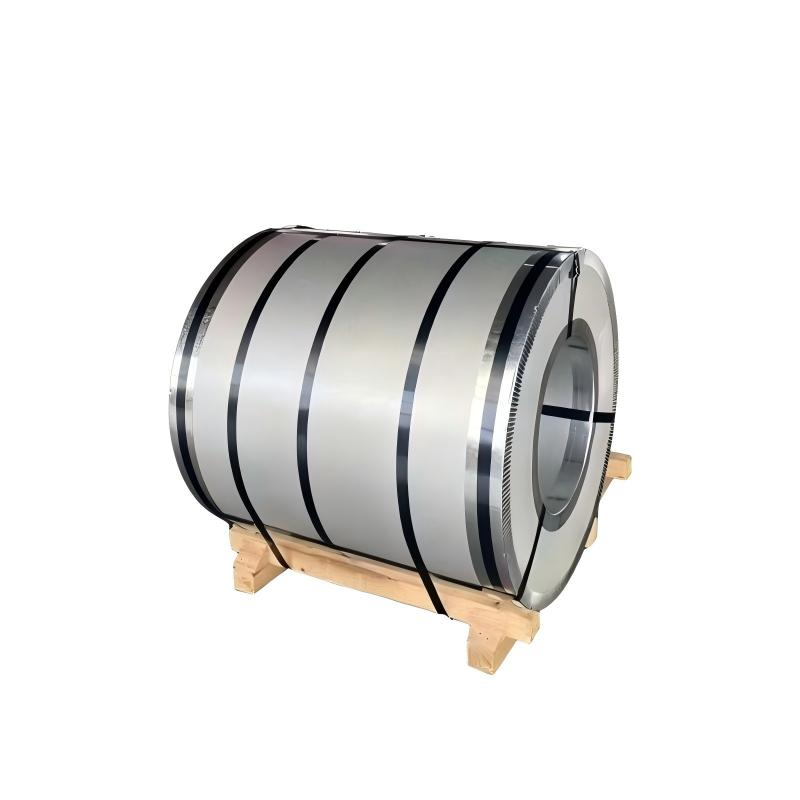
Learn why heavy coating galvalume steel coil provides superior corrosion resistance in harsh coastal settings and saves long-term maintenance costs.
2026/09/10
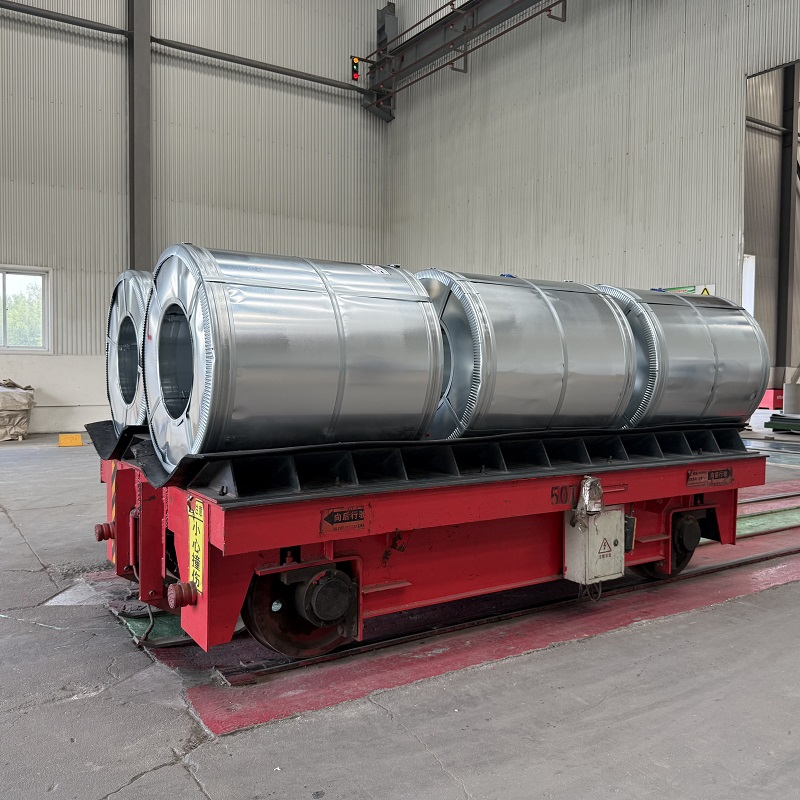
Learn how to test the bending performance of formable galvalume steel coil samples using T-bend testing to prevent cracking and scrap.
2026/09/10
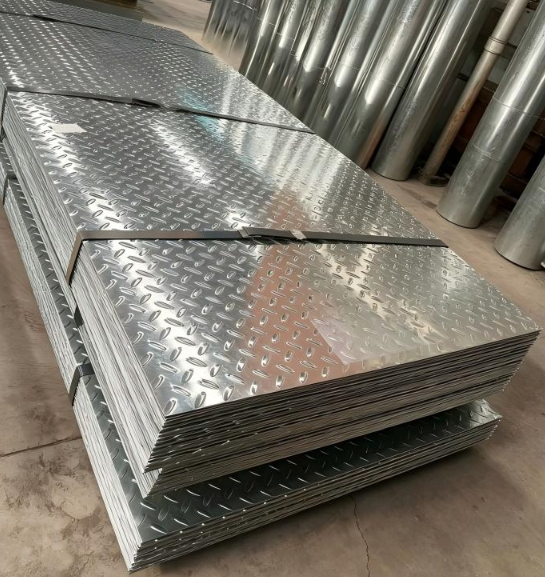
Discover how multi specification galvalume steel coil simplifies purchasing, boosts productivity, and lowers costs for metal fabricators.
2026/09/10
Discover why hot dipped galvanized steel and hot dip galvanized checkered plate offer ideal corrosion resistance and strength for road guardrails.
Covering green transformation, product comparison, selection guide, and industry empowerment, helping you fully grasp the dynamics of the color steel industry.

Global climate action and Belt and Road cooperation are driving the color steel industry’s shift toward green, sustainable development.
Comparing PPGI and PPGL across performance, durability, and applications to help you select the optimal coated steel for your project.
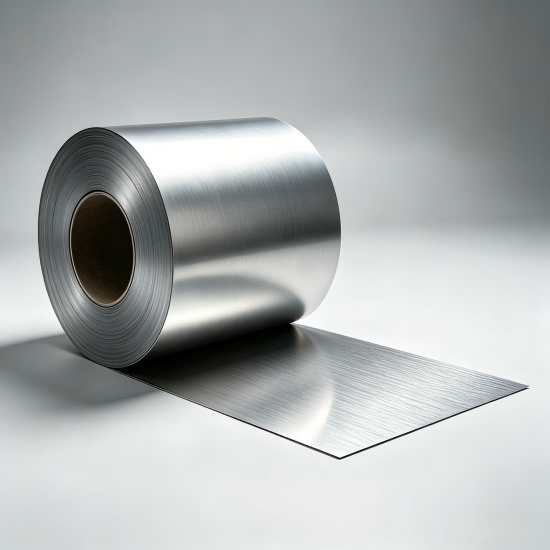
A practical guide to selecting and applying color steel coils, ensuring optimal performance, durability, and cost-effectiveness for your projects.
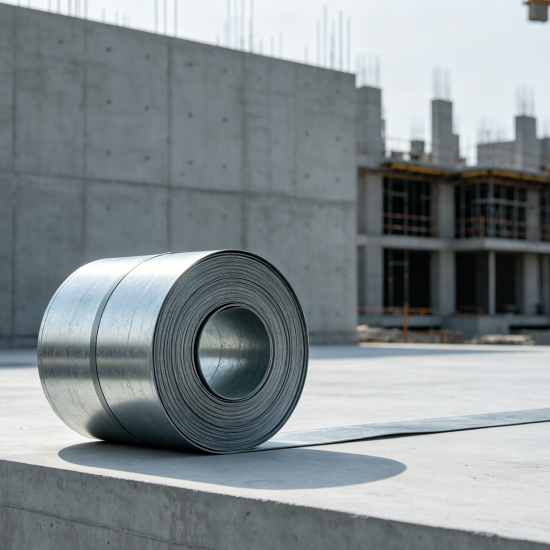
Industry forum drives digital and green transformation, empowering steel sector development through innovation and collaboration.