EN
EN

How to customize length size of precision cut GI coil finished sheets
2026/09/11
Learn how to specify precision cut GI coil sheets in custom lengths — tolerance selection, coating integrity, and ordering tips.
2026/08/13
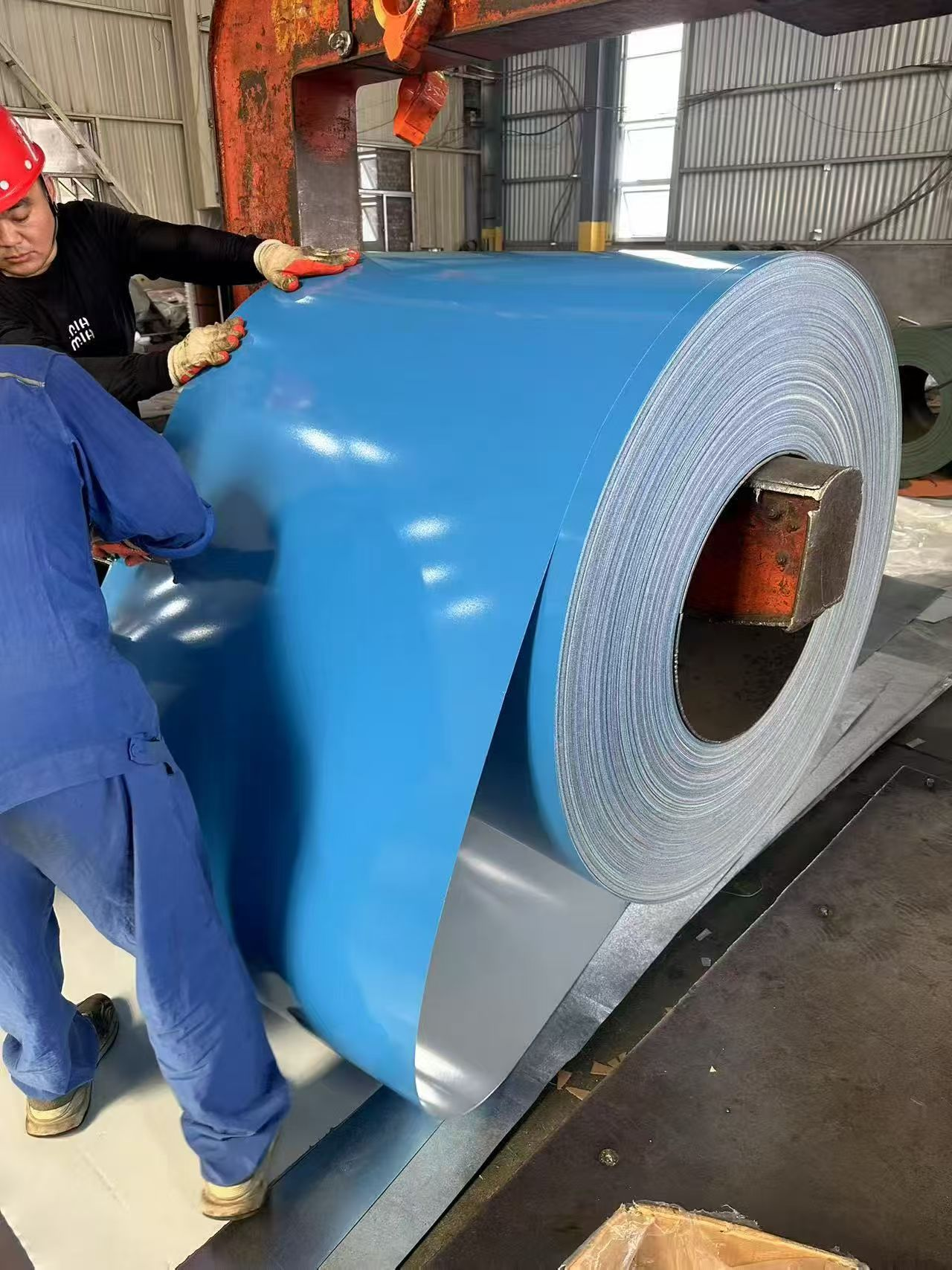
Selecting a thin gauge colour coated steel coil—typically falling between 0.13 mm and 0.30 mm in total thickness—has become a game-changer for project managers and fabricators in the lightweight construction market. This specialized segment of the PPGI coil market excels in projects where weight reduction, material cost efficiency, and fast installation take precedence over heavy structural load capacity.
Opting for an optimized coil thickness provides an ideal blend of flexibility, weather durability, and visual appeal. Knowing where and how to specify these lighter sheets helps engineering and procurement teams trim unnecessary spending without compromising on long-term performance.
The rapid global shift toward lightweight construction comes down to simple economics and job site practicality: less weight means smaller foundation requirements, cheaper freight per shipment, faster manual handling, and better overall job site safety.
In fast-growing markets throughout Southeast Asia, South America, and Africa, where budget sensitivity drives high material demand, a thin gauge PPGI coil under 0.25 mm accounts for a massive portion of total steel stock imports. Combining low dead-weight with pre-painted protection eliminates field painting steps while providing excellent yield per ton.
Not every building needs heavy, structural steel. Choosing a colour coated steel coil in lighter gauges fits a wide range of semi-structural and decorative building uses.
| Project Application | Suggested Thickness Range | Ideal Coating System | Primary Technical Advantage | Average Service Span |
| Portable Shelters | 0.18 mm – 0.25 mm | PE / SMP | Light transport, quick assembly | 10 – 15 Years |
| Modular Buildings | 0.20 mm – 0.28 mm | SMP | Handling toughness, uniform finish | 15 – 20 Years |
| Interior Ceilings | 0.15 mm – 0.20 mm | Standard PE | Fire resistance, sleek aesthetics | 20+ Years |
| Partition Walls | 0.18 mm – 0.22 mm | Standard PE | High formability, color consistency | 20+ Years |
| Agri-Roofing | 0.20 mm – 0.28 mm | SMP / PVDF | Heat reflection, corrosion defense | 12 – 18 Years |
| Event Enclosures | 0.15 mm – 0.20 mm | Standard PE | Low upfront cost, fast tear-down | 5 – 10 Years |
Modular units, site cabins, and container conversions represent an expanding market for lightweight construction materials. These structures require robust exterior cladding that withstands rain and wind without adding excess weight that complicates crane lifts or truck deliveries.
Using a thin gauge colour coated steel coil between 0.18 mm and 0.25 mm allows builders to create sleek exterior panels, interior partition walls, and ceiling tiles with ease. The pre-painted finish eliminates the need for post-assembly spray painting, shortening production cycles on the factory floor.
In a prefabricated housing project across sub-Saharan Africa, switching from a heavy 0.35 mm profile to a 0.20 mm PPGI coil for wall panels reduced overall component weight by roughly 35 percent. This weight drop allowed freight teams to ship complete unit kits on a single truck rather than two, cutting logistics costs significantly. Over two years after installation in a high-humidity zone, the factory-applied paint coat maintains its original color without chalking or peeling.
Interior architectural fits are another natural habitat for a thin gauge PPGI coil. Suspended ceiling panels, office partitions, and decorative wall cassettes require steady flat panel rigidity without placing heavy dead-loads on overhead framing systems.
For interior spaces, specifying a coil thickness between 0.15 mm and 0.20 mm delivers complete structural stability at a lower material price point.
Furthermore, thin colour coated steel coil profiles handle intricate roll-forming roll passes—such as tight tongue-and-groove or U-channel locks—without micro-cracking the organic paint film. Combined with uniform batch-to-batch color matching, pre-painted steel brings a modern, fire-rated finish to commercial interiors.
Agricultural livestock sheds, grain storage units, and temporary exhibition spaces need reliable weather protection on modest budgets. A PPGI coil spec between 0.20 mm and 0.28 mm provides ample protection against wind and rain for structures with 10-to-15-year service expectations.
Using heat-reflective organic paint systems on an agricultural roof can lower internal building temperatures by 3°C to 5°C compared to plain unpainted metal sheets. This heat barrier improves livestock comfort and trims mechanical ventilation costs. When temporary structures reach the end of their operational lifespan, thin steel sheets tear down quickly using standard hand tools and remain 100 percent recyclable.
When procuring steel stock for lightweight construction, buyers should look beyond basic cost and shade choices.
Paint System Selection: Primer layers combined with topcoat resins (Polyester, Silicon Modified Polyester, or PVDF) decide outdoor life. For high-UV outdoor regions, pick SMP or PVDF coatings over standard Polyester.
Coating Thickness Metrics: Standard paint application calls for 15 to 20 microns of topcoat over a 5 to 7-micron primer base.
Base Metal Mechanical Properties: Ensure yield strength aligns with forming needs. Decorative interior panels work well with soft yield strengths (180 to 250 MPa), whereas structural roofing profiles require high-tensile grades (300 to 550 MPa).
Working with established supply chain partners like Shenyang Yuanhe ensures complete material traceability. Access to certified mechanical test reports, precise chemical composition tracking, and custom paint formulations guarantees that every shipment meets job site performance standards.
The thinnest standard PPGI coil used in construction is around 0.13 mm, mostly reserved for light interior ceiling tiles or temporary wall cladding. For exterior roofing panels, a minimum coil thickness of 0.18 mm is generally recommended to guarantee wind tear resistance around fastener points.
A thin gauge colour coated steel coil typically costs 30 to 50 percent less than an aluminum sheet of similar thickness while delivering higher structural yield strength and superior fire protection. However, aluminum weighs less per square meter and handles extreme marine salt spray better. For general inland projects, steel provides a far better balance of strength, cost, and longevity.
Lighter sheets between 0.18 mm and 0.25 mm perform well in moderate wind conditions when fastened according to tighter screw-pattern layouts. For extreme typhoon zones with wind speeds topping 33 m/s, stepping up to a minimum coil thickness of 0.30 mm paired with close purlin spacing is recommended to prevent panel blow-off.
2026/09/11
Learn how to specify precision cut GI coil sheets in custom lengths — tolerance selection, coating integrity, and ordering tips.
2026/09/11
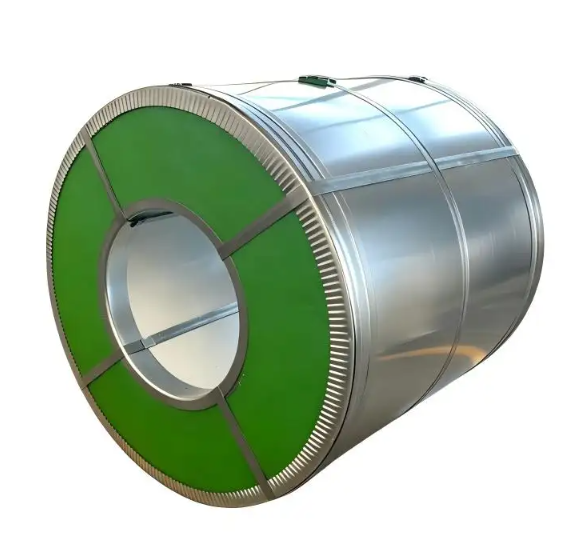
Learn why premium finish galvalume steel coil delivers better paint adhesion and visual consistency in finished building products. Request specs today.
2026/09/10
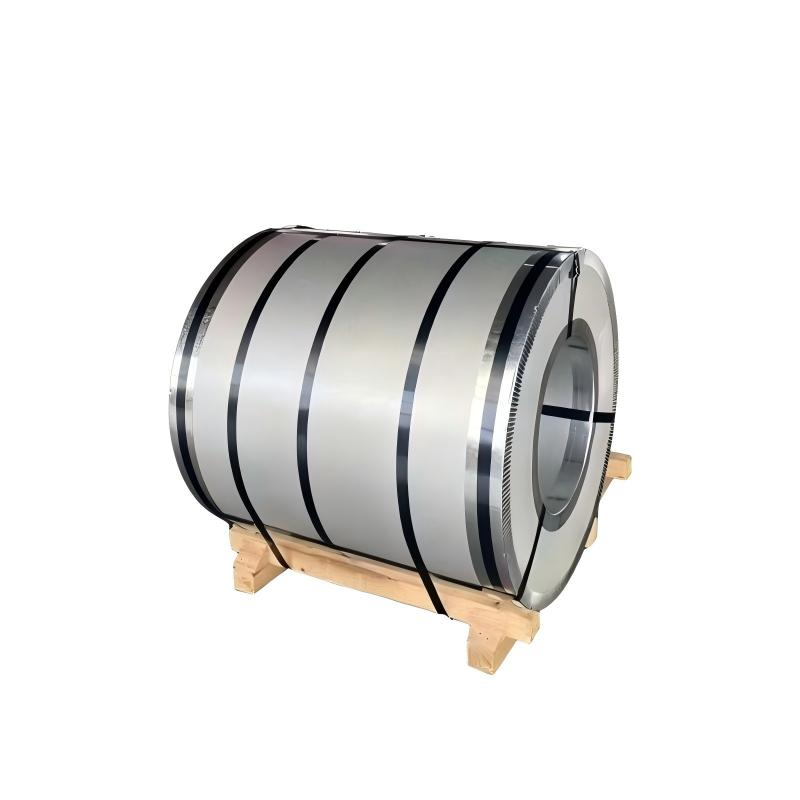
Learn why heavy coating galvalume steel coil provides superior corrosion resistance in harsh coastal settings and saves long-term maintenance costs.
2026/09/10
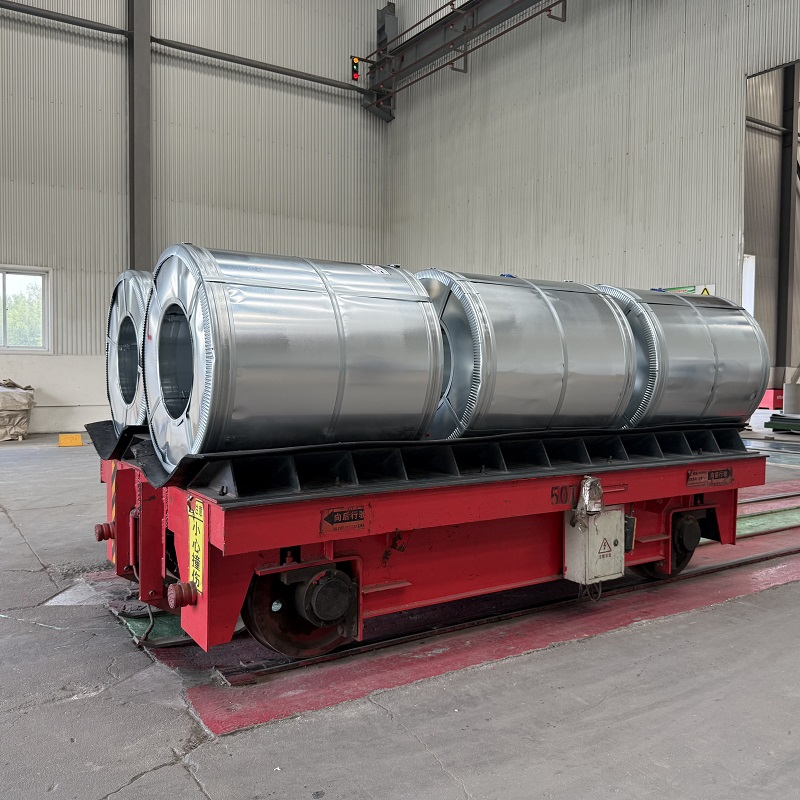
Learn how to test the bending performance of formable galvalume steel coil samples using T-bend testing to prevent cracking and scrap.
2026/09/10
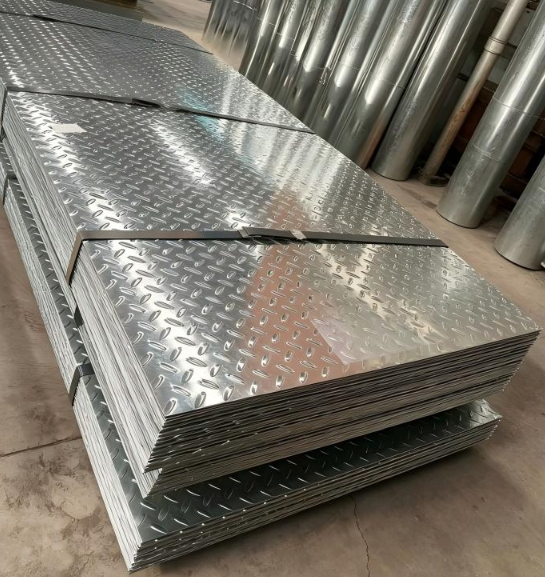
Discover how multi specification galvalume steel coil simplifies purchasing, boosts productivity, and lowers costs for metal fabricators.
2026/09/10
Discover why hot dipped galvanized steel and hot dip galvanized checkered plate offer ideal corrosion resistance and strength for road guardrails.
Covering green transformation, product comparison, selection guide, and industry empowerment, helping you fully grasp the dynamics of the color steel industry.

Global climate action and Belt and Road cooperation are driving the color steel industry’s shift toward green, sustainable development.

Comparing PPGI and PPGL across performance, durability, and applications to help you select the optimal coated steel for your project.
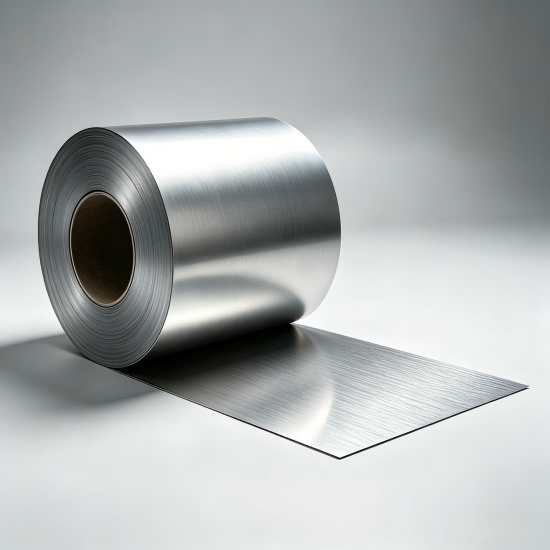
A practical guide to selecting and applying color steel coils, ensuring optimal performance, durability, and cost-effectiveness for your projects.
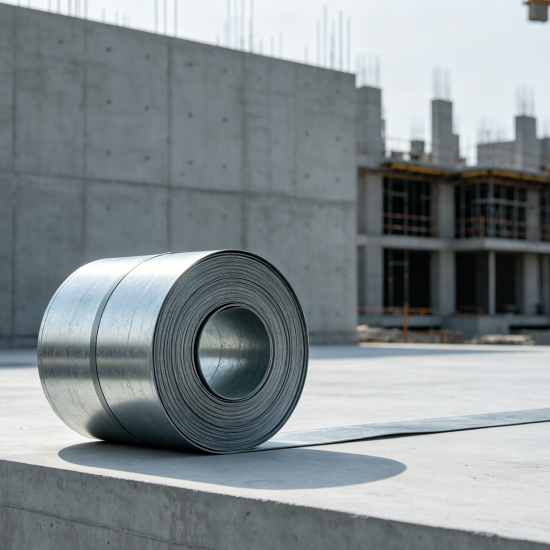
Industry forum drives digital and green transformation, empowering steel sector development through innovation and collaboration.