EN
EN

How to customize length size of precision cut GI coil finished sheets
2026/09/11
Learn how to specify precision cut GI coil sheets in custom lengths — tolerance selection, coating integrity, and ordering tips.
2026/07/16
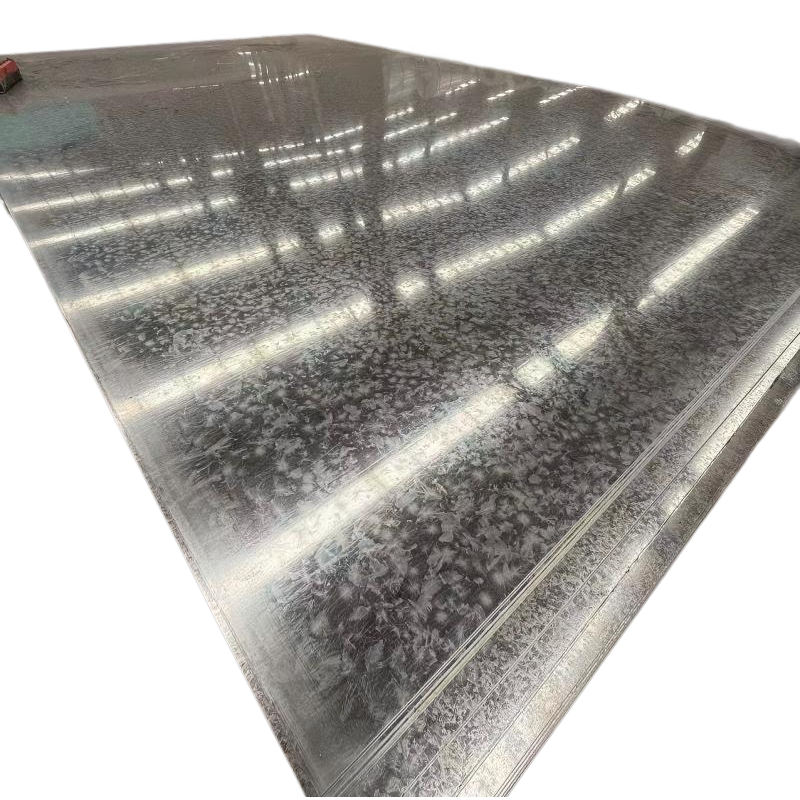
When importing bulk GI coil from overseas suppliers, pre-delivery inspection is not a formality but a financial safeguard. A single batch of bulk GI coil may represent tens of thousands of dollars in material cost, and defects discovered after shipment arrival can lead to project delays, customs complications, and costly rework. Based on years of practical experience in coated steel quality management, the inspection process for bulk GI coil should cover at least six core categories: dimensional accuracy, zinc coating integrity, surface quality, mechanical properties, chemical composition, and packaging compliance. Each category corresponds to specific international standards such as ASTM A653, JIS G3302, and EN 10346, which define acceptable tolerance ranges and testing methods. Buyers who understand these inspection items can effectively evaluate whether a supplier's quality control system is genuinely robust or merely claims to be.
The first inspection item for any bulk GI coil is dimensional accuracy, which includes thickness, width, and flatness. For galvanized steel coil produced to ASTM A653 or JIS G3302 SGCC standards, thickness tolerance is typically specified as plus or minus a small percentage of the nominal gauge. In practice, inspectors use digital micrometers to measure thickness at multiple points across the coil width and along the coil length, checking for consistent gauge control. Width is verified using steel tapes or laser measuring devices, with tolerance bands depending on the specified mill edge or trimmed edge condition. Flatness is assessed by uncoiling a sample length and measuring edge wave and center buckle against standard stedge units. A supplier that maintains a three-tier quality control system throughout production, as some established manufacturers do, will typically provide a mill test certificate showing actual dimensional measurements for each coil in the bulk GI coil shipment.
Zinc coating weight is arguably the most critical inspection item for GI coil, because it directly determines corrosion resistance and product service life. The coating weight range for standard galvanized steel coil typically falls between Z20 and Z275 grams per square meter, with the specific requirement dictated by the end application. Inspectors verify coating weight using either the gravimetric strip method, which involves stripping the zinc layer chemically and weighing the difference, or the non-destructive X-ray fluorescence method. Coating adhesion is tested through bend tests, where a sample is bent around a mandrel of specified diameter and the coating is examined for peeling or flaking. A properly manufactured GI coil with skin-pass treatment and regular spangle should show no coating separation even after a 180-degree bend. For bulk GI coil orders, buyers should request coating weight test results for both the top and bottom surfaces, as uneven coating distribution is a common defect in lower-quality products.
Surface inspection of bulk GI coil involves both visual examination and tactile assessment of the galvanized layer. Common surface defects include zinc splatter, bare spots, dross inclusions, scratches, coil breaks, and rust stains. Inspectors typically uncoil several meters from the outer wrap and inner diameter of each coil, examining the surface under adequate lighting for these defects. The spangle pattern should be uniform and consistent, whether regular spangle or minimized spangle is specified. For GI coil intended for subsequent painting or color coating, surface smoothness is particularly important, as any irregularities will telegraph through the paint layer. Skin-pass treatment, which many quality suppliers apply, improves surface flatness and removes yield-point elongation that can cause stretcher strains during forming. The surface should also be checked for oiling condition, as some applications require non-oiled surfaces while others benefit from a light rust-preventive oil.
Mechanical property testing ensures that the bulk GI coil will perform correctly in downstream forming and fabrication processes. Key properties include yield strength, tensile strength, and elongation percentage, which are determined through tensile testing per ASTM A370 or equivalent standards. For common grades such as DX51D+Z or SGCC, the typical yield strength range is 170 to 380 MPa, with elongation values of 22 percent or higher for deep drawing grades. Chemical composition is verified through spectrometric analysis of the base steel, checking carbon, silicon, manganese, phosphorus, and sulfur content against the specified grade requirements. A reliable supplier will provide mill test certificates that document both mechanical and chemical test results for each heat number in the shipment. Buyers should cross-reference these certificates with the actual product markings on each coil to ensure traceability throughout the supply chain.
The final inspection category for bulk GI coil covers packaging, marking, and documentation, which are essential for safe international shipping and customs clearance. Standard seaworthy packaging for GI coil typically includes inner waterproof paper, outer metal or plastic end caps, circumferential steel banding, and wooden pallets or steel cradles. Each coil should be clearly marked with heat number, grade, dimensions, coating weight, batch number, and supplier identification. Documentation should include the mill test certificate, packing list, commercial invoice, and certificate of origin, all of which must be consistent with the actual product markings. For bulk GI coil shipments, inspectors should also verify that the coil inner diameter and outer diameter match the vessel or container loading plan, as dimensional mismatches can cause loading difficulties and transit damage.
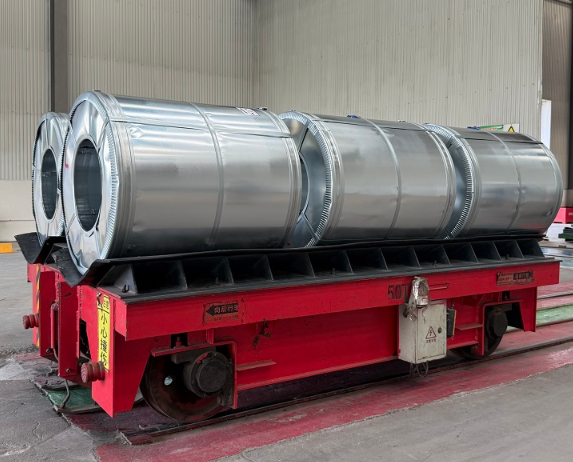
In a recent project involving a construction materials distributor in Southeast Asia, a buyer ordered 200 metric tons of GI coil with Z275 coating and 0.5mm thickness for roofing sheet production. During pre-shipment inspection, the buyer's third-party inspector discovered that approximately 15 percent of the coils showed visible surface defects including zinc splatter and dross marks on the outer wraps. By requesting re-inspection of the affected coils and requiring the supplier to replace the defective material before loading, the buyer avoided an estimated $12,000 in potential rework costs and a three-week production delay. This case demonstrates why a structured inspection protocol is essential for bulk GI coil procurement. Suppliers with established quality control systems, such as those maintaining persistent stock levels of over 10,000 tons and implementing three-tier inspection processes, are generally better positioned to deliver consistent quality across large-volume orders. Buyers should always verify the supplier's actual QC capabilities through factory audits or third-party inspection reports before placing bulk orders.
For outdoor applications such as roofing and wall cladding, a minimum zinc coating weight of Z180 is generally recommended, with Z275 being preferred for coastal or high-humidity environments. The specific requirement should be determined based on the expected service environment, design life, and applicable building codes.
For shipments under 50 metric tons, inspecting every coil is feasible and recommended. For larger shipments of 100 to 300 metric tons, a sampling plan based on ISO 2859 or AQL standards is typically applied, with sample sizes of 10 to 20 percent of the total coil count, focusing on multiple heat numbers and production batches.
While mill test certificates provide valuable baseline data, they represent the manufacturer's own quality records and may not capture issues that arise during storage, handling, or transit. For bulk GI coil orders representing significant financial value, independent third-party inspection or at minimum a visual verification at the loading port is strongly recommended to confirm that the actual product matches the documented specifications.
2026/09/11
Learn how to specify precision cut GI coil sheets in custom lengths — tolerance selection, coating integrity, and ordering tips.
2026/09/11
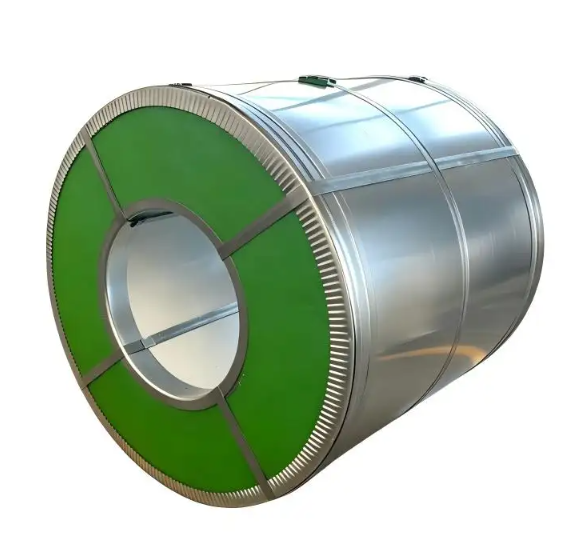
Learn why premium finish galvalume steel coil delivers better paint adhesion and visual consistency in finished building products. Request specs today.
2026/09/10
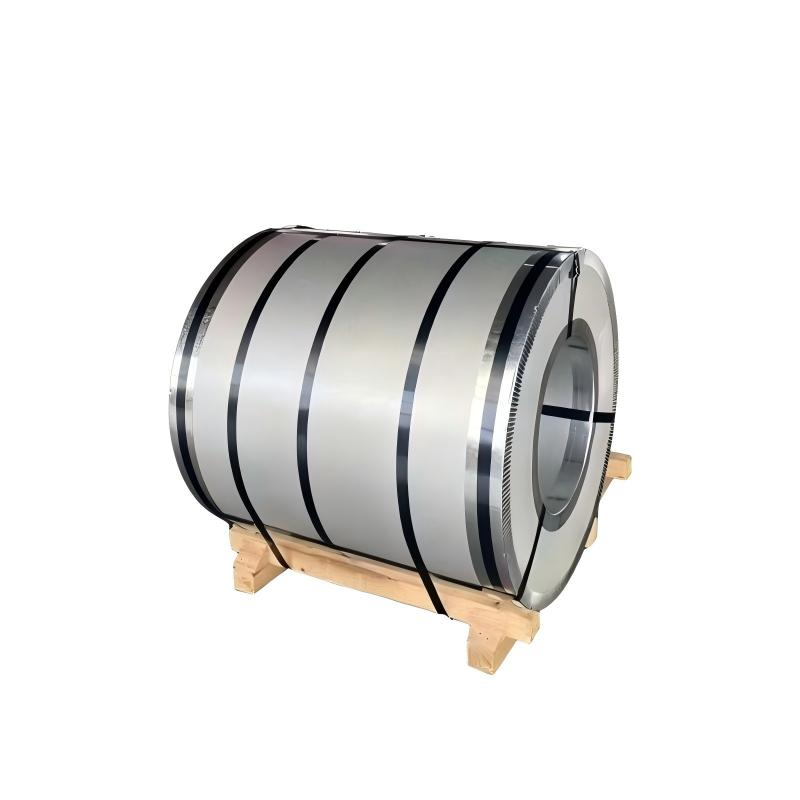
Learn why heavy coating galvalume steel coil provides superior corrosion resistance in harsh coastal settings and saves long-term maintenance costs.
2026/09/10
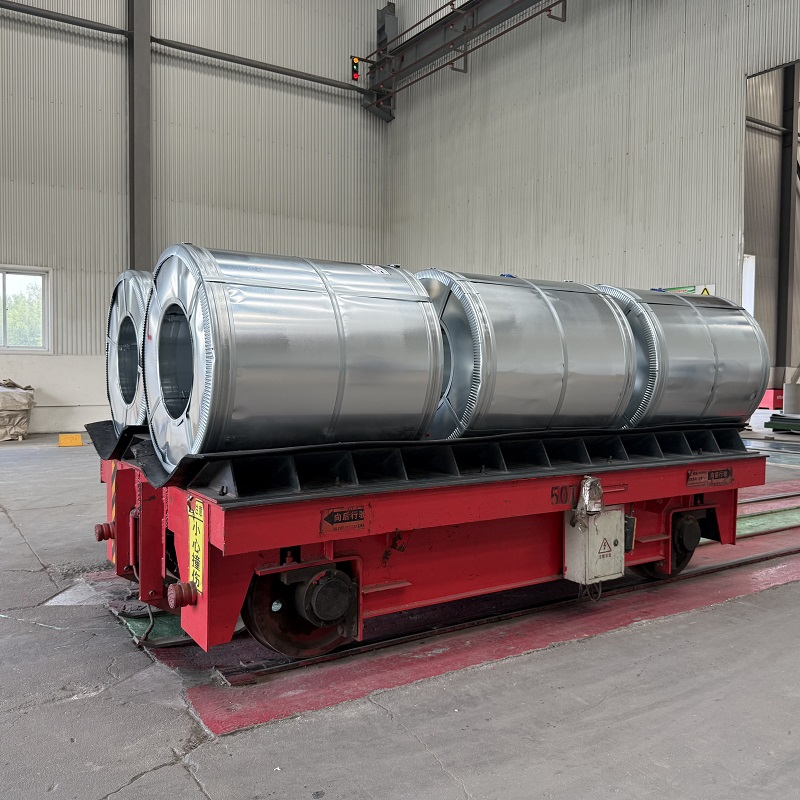
Learn how to test the bending performance of formable galvalume steel coil samples using T-bend testing to prevent cracking and scrap.
2026/09/10
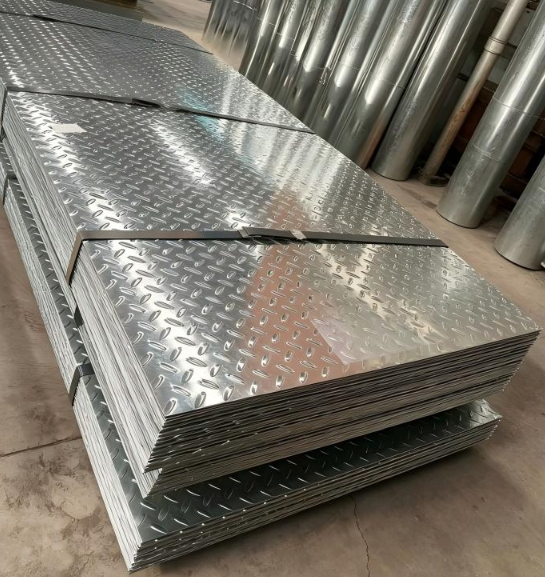
Discover how multi specification galvalume steel coil simplifies purchasing, boosts productivity, and lowers costs for metal fabricators.
2026/09/10
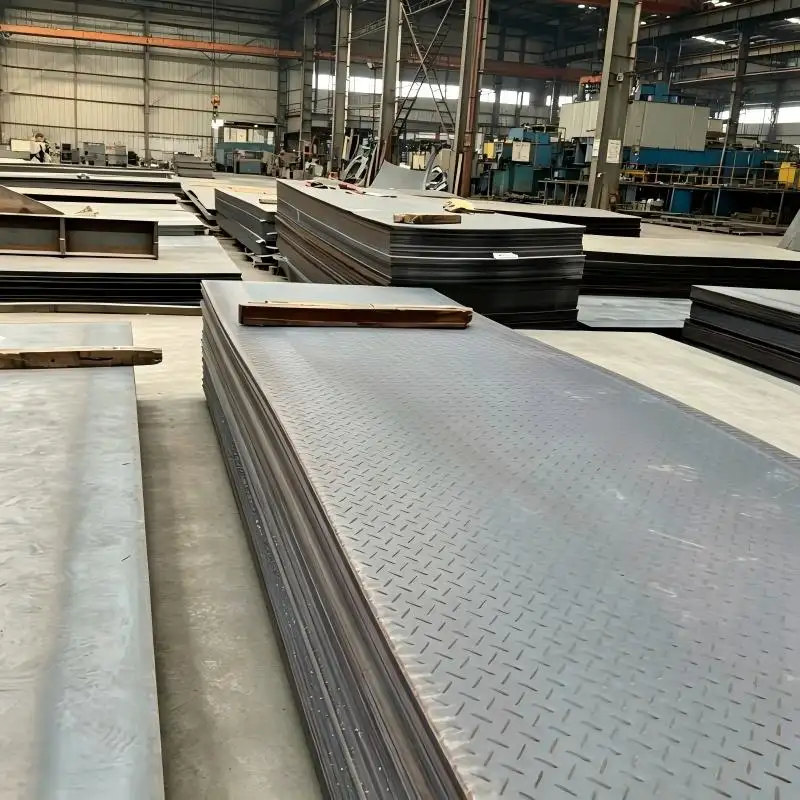
Discover why hot dipped galvanized steel and hot dip galvanized checkered plate offer ideal corrosion resistance and strength for road guardrails.
Covering green transformation, product comparison, selection guide, and industry empowerment, helping you fully grasp the dynamics of the color steel industry.

Global climate action and Belt and Road cooperation are driving the color steel industry’s shift toward green, sustainable development.

Comparing PPGI and PPGL across performance, durability, and applications to help you select the optimal coated steel for your project.
A practical guide to selecting and applying color steel coils, ensuring optimal performance, durability, and cost-effectiveness for your projects.
Industry forum drives digital and green transformation, empowering steel sector development through innovation and collaboration.