EN
EN

How to customize length size of precision cut GI coil finished sheets
2026/09/11
Learn how to specify precision cut GI coil sheets in custom lengths — tolerance selection, coating integrity, and ordering tips.
2026/08/11
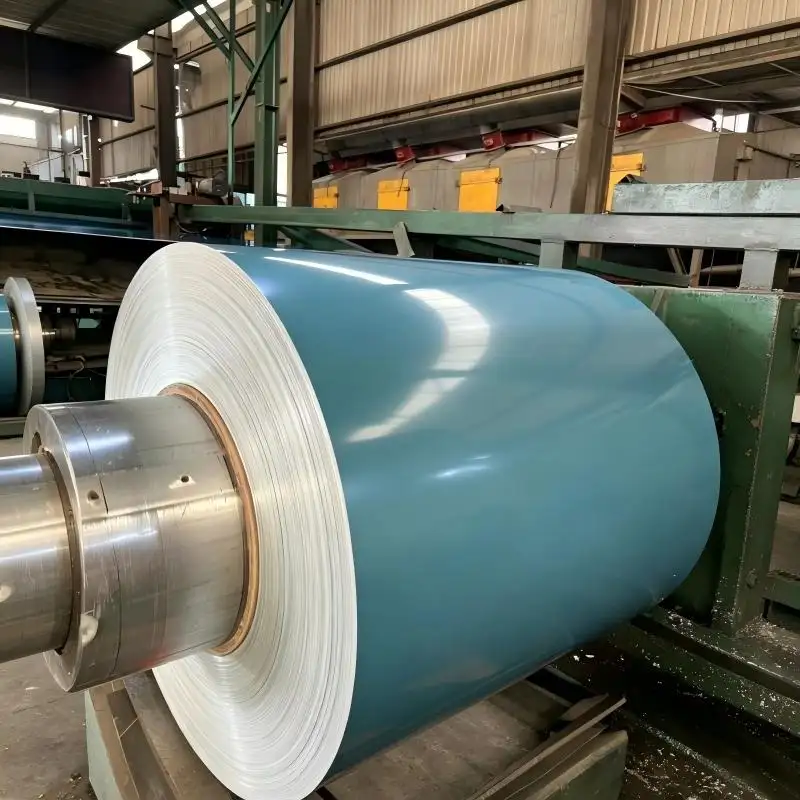
Galvalume steel coil has emerged as a preferred raw material for industrial equipment frames due to its unique combination of structural strength, corrosion resistance, and fabrication flexibility. The aluminum-zinc alloy coating on galvalume steel coil provides sacrificial protection similar to pure zinc galvanizing, but with two to four times greater corrosion resistance in atmospheric environments. This extended protection is critical for equipment frames that operate outdoors or in humid industrial facilities where maintenance access is limited and coating failure can lead to structural compromise.
When galvalume steel coil undergoes custom fabrication into PPGL coil products with paint systems, the resulting material offers even broader application potential. Custom fabrication PPGL coil combines the corrosion resistance of the aluminum-zinc substrate with the aesthetic and additional protective benefits of organic coatings, creating a material suitable for equipment frames that require both durability and visual appeal. The galvalume steel coil substrate typically achieves yield strengths of 250 to 550 MPa depending on the steel grade, providing structural performance comparable to uncoated steel while eliminating the need for secondary corrosion protection treatments.
Industrial equipment frames manufactured from galvalume steel coil span multiple sectors with diverse performance requirements. In the HVAC industry, galvalume steel coil forms the structural framework for outdoor air conditioning units, chillers, and ventilation systems, where the material must withstand continuous exposure to weather and thermal cycling. The custom fabrication PPGL coil variant is frequently specified for visible HVAC equipment enclosures where color matching with building facades is required.
In electrical power distribution, galvalume steel coil serves as the primary structural material for transformer housings, switchgear cabinets, and control panel enclosures. These applications demand materials that provide decades of corrosion-free service in environments where electromagnetic interference, thermal stress, and moisture exposure coexist. The galvalume steel coil coating system does not interfere with electrical grounding requirements, making it preferable to painted alternatives in sensitive electrical applications. Additionally, custom fabrication PPGL coil is used for substation fencing and equipment platforms where both corrosion resistance and visual identification color coding are necessary.
The agricultural equipment sector represents another significant market for galvalume steel coil frame construction. Grain handling equipment, livestock housing structures, and irrigation system supports all benefit from the material ability to withstand ammonia exposure, animal waste chemicals, and high humidity environments. Custom fabrication PPGL coil products in agricultural applications often incorporate specialized paint systems with additional UV inhibitors to maintain color stability under prolonged sunlight exposure, extending the galvalume steel coil service life in open-field installations.
|
Industry Sector |
Frame Type |
Galvalume Steel Coil Grade |
Custom PPGL Coil Used |
Key Requirement |
|
HVAC |
Outdoor unit frames |
250-350 MPa yield |
Yes (color match) |
Weather + thermal cycling |
|
Electrical |
Transformer housings |
350-550 MPa yield |
Yes (safety colors) |
Corrosion + EM shielding |
|
Agricultural |
Equipment supports |
250-350 MPa yield |
Yes (UV resistant) |
Chemical + UV resistance |
|
Material Handling |
Conveyor frames |
350-450 MPa yield |
Optional |
Wear + impact resistance |
|
Mining |
Equipment skids |
450-550 MPa yield |
No (uncoated) |
Extreme corrosion |
|
Telecom |
Tower sections |
350-550 MPa yield |
Yes (identification) |
Wind + corrosion |
Fabricating equipment frames from galvalume steel coil requires attention to specific material characteristics that affect processing outcomes. The aluminum-zinc coating on galvalume steel coil has a higher hardness than pure zinc galvanizing, which extends blade life during cutting operations but requires adjusted welding parameters. Gas metal arc welding (GMAW) with silicon bronze or aluminum-bronze filler wire produces superior results on galvalume steel coil compared to standard steel filler wire, minimizing coating burnback and maintaining corrosion protection at weld joints.
For custom fabrication PPGL coil frame production, paint system compatibility with welding and bending operations must be considered. The paint layer on PPGL coil can be damaged by welding heat, requiring paint removal in weld zones followed by touch-up coating after fabrication. Bend radius specifications for galvalume steel coil frames should maintain minimum internal radius of 2 to 3 times the material thickness to prevent coating cracking at bend points. When custom fabrication PPGL coil is specified for visible frame components, fabricators should establish clear acceptance criteria for coating touch-up quality at weld and bend zones.
A telecommunications infrastructure provider required equipment frames for a network expansion project across Southeast Asia, specifying materials that could provide 20-year corrosion resistance in tropical coastal environments. The original specification called for stainless steel frames, but cost analysis showed this would exceed the project budget by 35 percent. The engineering team evaluated galvalume steel coil and custom fabrication PPGL coil as alternative materials, conducting comparative corrosion testing over 1,000 hours of salt spray exposure.
Test results demonstrated that custom fabrication PPGL coil with a 55 percent aluminum-zinc coating substrate and PVDF paint system achieved 1,200 hours of salt spray resistance without red rust, meeting the 20-year service life requirement. The galvalume steel coil frame cost was 55 percent lower than stainless steel, while the custom fabrication PPGL coil version—adding the PVDF paint system—still cost 40 percent less than stainless while providing superior color identification for maintenance crews. The project used galvalume steel coil for internal structural components and custom fabrication PPGL coil for visible exterior frames, optimizing both performance and cost across the 2,800 equipment frames produced.
Selecting galvalume steel coil or custom fabrication PPGL coil for equipment frame projects requires systematic evaluation of structural, environmental, and economic factors. Structural requirements include yield strength, elongation percentage, and impact toughness appropriate for the expected load conditions. Environmental factors encompass atmospheric corrosivity, temperature range, chemical exposure, and UV intensity at the installation site. Economic considerations extend beyond material cost to include fabrication complexity, maintenance requirements, and expected service life replacement costs.
For projects requiring both structural performance and visual quality, custom fabrication PPGL coil often provides the optimal balance. The galvalume steel coil substrate delivers structural integrity and base corrosion protection, while the paint system adds UV resistance, color identification, and additional barrier protection. Buyers should specify coating weight (minimum 120 g/m2 for galvalume steel coil), paint type and thickness, color standards (RAL or custom), and dimensional tolerances when ordering custom fabrication PPGL coil for equipment frame applications.
Suppliers like Shenyang Yuanhe, who offer both galvalume steel coil and custom fabrication PPGL coil products with customizable specifications for thickness, color, width, and coating weight, can support diverse equipment frame manufacturing requirements. When sourcing materials for industrial equipment frames, confirming that the supplier maintains consistent coating quality, provides material test certificates, and offers value-added processing services such as flattening, slitting, and cutting helps streamline the fabrication supply chain and ensures frame quality consistency across production batches.
Q: What is the difference between galvalume steel coil and galvanized steel coil for equipment frames?
A: Galvalume steel coil uses an aluminum-zinc alloy coating (55% Al, 43.5% Zn, 1.5% Si) that provides 2-4 times better atmospheric corrosion resistance than pure zinc galvanized steel coil. For equipment frames in outdoor or humid environments, galvalume steel coil typically delivers longer service life, though it may cost 5-10 percent more than standard galvanized alternatives.
Q: Can custom fabrication PPGL coil be welded for equipment frame construction?
A: Yes, custom fabrication PPGL coil can be welded using GMAW with silicon bronze or aluminum-bronze filler wire for best results. The paint layer must be removed from weld zones before welding, and touch-up coating applied afterward to restore corrosion protection. The galvalume steel coil substrate welds readily with proper parameter adjustment.
Q: What coating weight is recommended for galvalume steel coil in outdoor equipment frames?
A: For outdoor equipment frame applications, minimum coating weight of 120 g/m2 (AZ120) is recommended for moderate environments, while coastal or industrial areas should specify 150 g/m2 (AZ150) or higher. Custom fabrication PPGL coil adds a paint barrier that supplements the galvalume steel coil coating for enhanced protection.
2026/09/11
Learn how to specify precision cut GI coil sheets in custom lengths — tolerance selection, coating integrity, and ordering tips.
2026/09/11
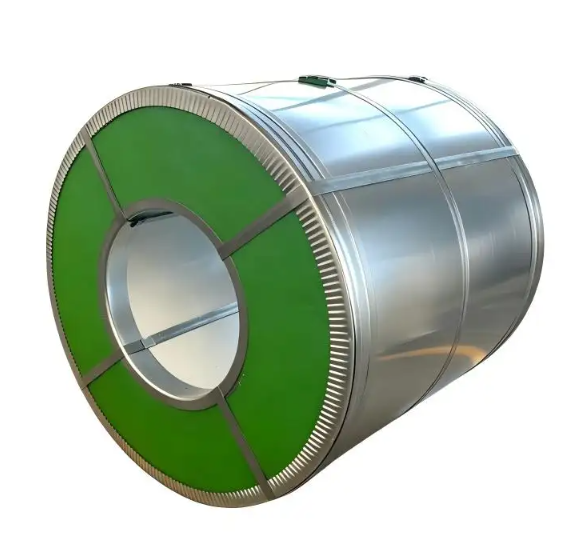
Learn why premium finish galvalume steel coil delivers better paint adhesion and visual consistency in finished building products. Request specs today.
2026/09/10
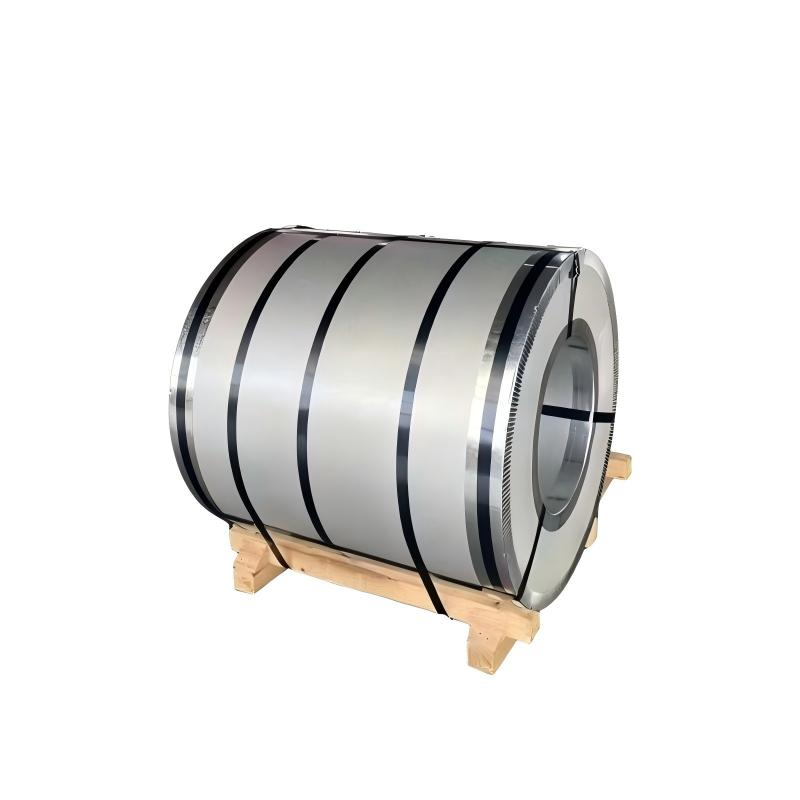
Learn why heavy coating galvalume steel coil provides superior corrosion resistance in harsh coastal settings and saves long-term maintenance costs.
2026/09/10
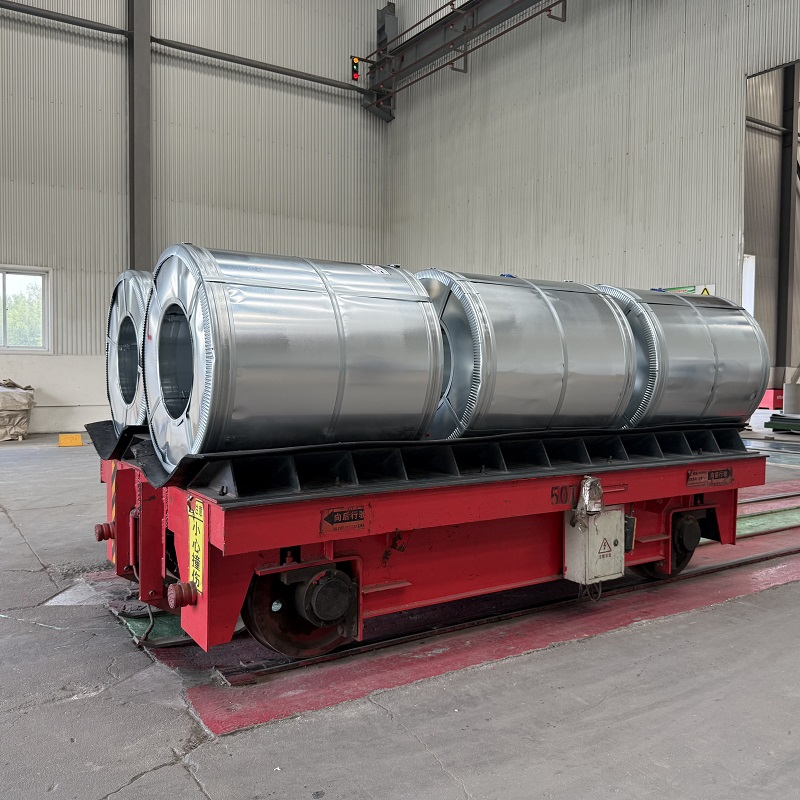
Learn how to test the bending performance of formable galvalume steel coil samples using T-bend testing to prevent cracking and scrap.
2026/09/10
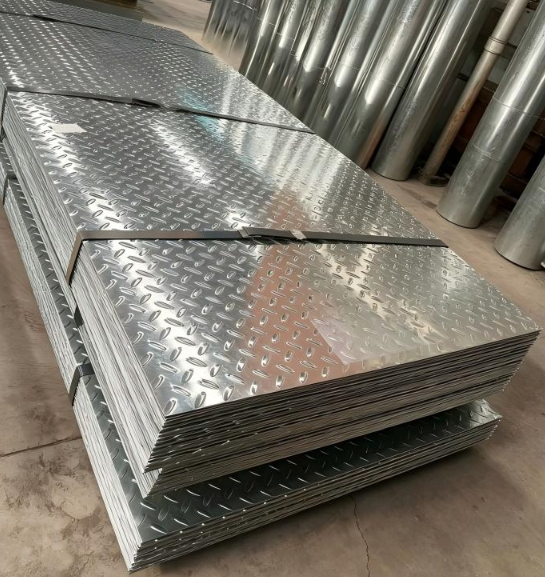
Discover how multi specification galvalume steel coil simplifies purchasing, boosts productivity, and lowers costs for metal fabricators.
2026/09/10
Discover why hot dipped galvanized steel and hot dip galvanized checkered plate offer ideal corrosion resistance and strength for road guardrails.
Covering green transformation, product comparison, selection guide, and industry empowerment, helping you fully grasp the dynamics of the color steel industry.

Global climate action and Belt and Road cooperation are driving the color steel industry’s shift toward green, sustainable development.
Comparing PPGI and PPGL across performance, durability, and applications to help you select the optimal coated steel for your project.
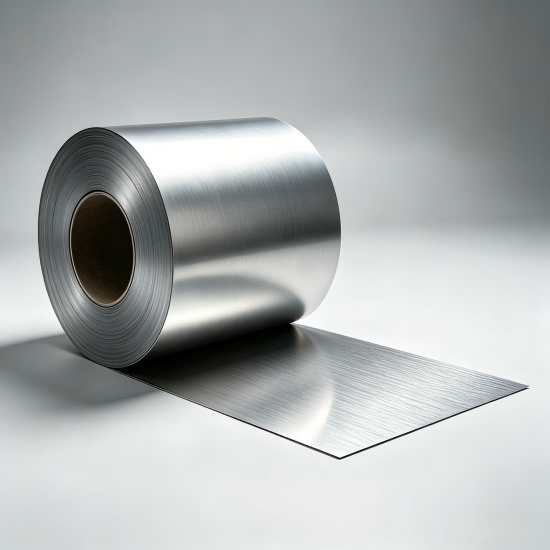
A practical guide to selecting and applying color steel coils, ensuring optimal performance, durability, and cost-effectiveness for your projects.
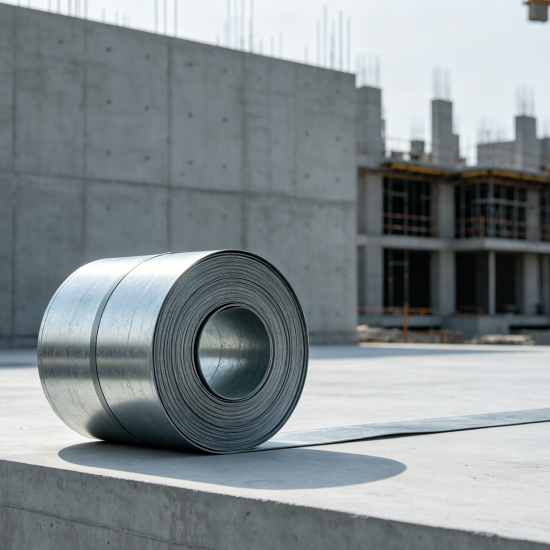
Industry forum drives digital and green transformation, empowering steel sector development through innovation and collaboration.