EN
EN

How to customize length size of precision cut GI coil finished sheets
2026/09/11
Learn how to specify precision cut GI coil sheets in custom lengths — tolerance selection, coating integrity, and ordering tips.
2026/08/09
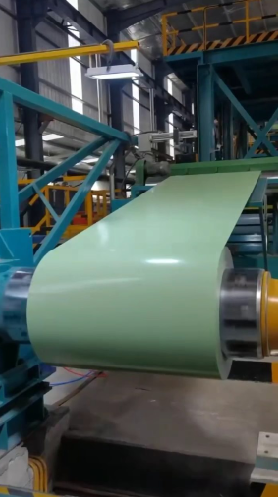
The global market for PPGI coil and galvalume steel coil has entered a period of structural growth driven by interconnected megatrends that extend far beyond traditional construction cycles. After five years of supplying PPGL coil and PPGI coil to buyers across Southeast Asia, the Middle East, Africa and South America, I have identified the key trend vectors that are reshaping demand patterns and creating new opportunities for steel coil suppliers and manufacturers.
The most powerful demand driver for PPGI coil and galvalume steel coil is urbanization in emerging economies. According to United Nations data, 68 percent of the world population will live in urban areas by 2050, with the most rapid urbanization occurring in Africa and Asia. This translates to approximately 2.5 billion new urban residents requiring housing, commercial buildings and supporting infrastructure over the next 25 years. Each new urban resident generates an estimated 200 to 400 kg of coated steel demand for housing construction, commercial buildings and infrastructure. Southeast Asia alone is projected to require an additional 8 million metric tons of PPGI coil and PPGL coil annually through 2030 to meet construction demand. The Middle East, despite its smaller population, drives premium-grade demand through mega-projects that specify high-performance galvalume steel coil for extreme-weather durability. These infrastructure investments create a sustained baseline demand that is relatively insensitive to short-term economic fluctuations.
The global shift toward green building standards is fundamentally changing the specifications for PPGI coil and PPGL coil. LEED certification in North America, Estidama in the Middle East, and CASBEE in Japan all reward or mandate the use of materials with high solar reflectance and thermal efficiency. High Solar Reflectance Index (SRI) coatings on PPGI coil reduce building cooling loads by 15 to 30 percent in hot climates, directly lowering energy consumption. Cool roof regulations in California, India and parts of Southeast Asia now require minimum SRI values of 78 for low-slope roofs, achievable only with specialized infrared-reflective paint systems on galvalume steel coil substrates. The green building materials market, of which coated steel is a significant component, is projected to grow at 10 percent CAGR through 2030, substantially outpacing general construction growth rates. This trend drives demand for premium-grade PPGL coil with PVDF and HDP coatings that meet SRI and thermal performance requirements.
The table below compares regional demand patterns and growth rates for PPGI coil and galvalume steel coil based on market analysis data.
|
Region |
PPGI Coil Demand Growth |
PPGL Coil Demand Growth |
Key Driver |
Price Sensitivity |
|
Southeast Asia |
7-9% CAGR |
9-11% CAGR |
Urbanization, FDI |
Medium |
|
Middle East |
5-7% CAGR |
8-10% CAGR |
Mega-projects, green codes |
Low |
|
Africa |
8-10% CAGR |
6-8% CAGR |
Housing deficit, infrastructure |
High |
|
South America |
4-6% CAGR |
5-7% CAGR |
Mining, agri-industrial |
High |
|
Central Asia |
6-8% CAGR |
7-9% CAGR |
Infrastructure modernization |
Medium |
Global PPGI coil manufacturing capacity is undergoing significant shifts that affect demand-supply dynamics. Chinese production capacity, which accounts for over 50 percent of global PPGI coil output, is being rationalized as environmental regulations close older, less efficient lines. This capacity consolidation is creating opportunities for well-equipped manufacturers with modern, environmentally compliant production lines. Simultaneously, countries with anti-dumping duties on Chinese-origin coated steel are developing domestic or regional supply sources, creating new markets for established suppliers who can provide competitive landed-cost pricing through efficient logistics and trade agreement utilization. The supply chain restructuring particularly benefits manufacturers who can offer both PPGI coil and galvalume steel coil from integrated facilities, as buyers increasingly prefer single-source suppliers for multiple product types to streamline procurement and quality management.
Technological innovation is creating new PPGL coil and PPGI coil product categories that expand market demand beyond traditional applications. Antimicrobial coatings for healthcare facilities, self-cleaning photocatalytic coatings for low-maintenance facades, and infrared-reflective cool roof coatings are emerging product segments that command premium prices and serve specialized markets. Digital printing technology now enables customized patterns and textures on PPGI coil, opening architectural and decorative applications that were previously served by more expensive materials. The trend toward lightweighting in transportation applications is driving demand for thin-gauge high-strength PPGL coil for vehicle body panels and container manufacturing. These technology-driven product segments are growing at 15 to 20 percent CAGR, substantially faster than the overall coated steel market, and they reward manufacturers who invest in research and development capabilities.
Southeast Asia and the Middle East show the strongest growth in PPGL coil demand, with CAGRs of 9 to 11 percent and 8 to 10 percent respectively. Southeast Asia growth is driven by urbanization and foreign direct investment, while Middle East demand is propelled by mega-projects and green building mandates that favor galvalume steel coil performance.
Green building standards drive demand for PPGI coil with high Solar Reflectance Index (SRI) coatings, typically requiring SRI values above 78 for low-slope roofs. This favors premium paint systems like PVDF and HDP on galvalume steel coil substrates, increasing the average specification grade and unit value compared to standard polyester coatings.
Price outlook depends on raw material costs (zinc, aluminum, hot rolled steel substrate) and regional supply-demand balance. Overall, the trend is toward moderate price stability for standard grades with widening premium for high-performance and specialty coatings. Buyers should expect 5 to 10 percent annual price variability tied to commodity markets.
Global demand for PPGI coil and galvalume steel coil is being reshaped by urbanization, green building standards, supply chain restructuring and technological innovation. These interconnected trends create sustained demand growth that rewards manufacturers with modern production capabilities, quality systems and global logistics reach. Shenyang Yuanhe is positioned at the intersection of these trends, supplying PPGI coil, PPGL coil and galvalume steel coil to emerging markets across Southeast Asia, the Middle East, Central Asia, Africa and South America, with ISO-certified quality systems, custom specification capabilities and integrated logistics solutions that meet the evolving demands of the global coated steel market.
2026/09/11
Learn how to specify precision cut GI coil sheets in custom lengths — tolerance selection, coating integrity, and ordering tips.
2026/09/11
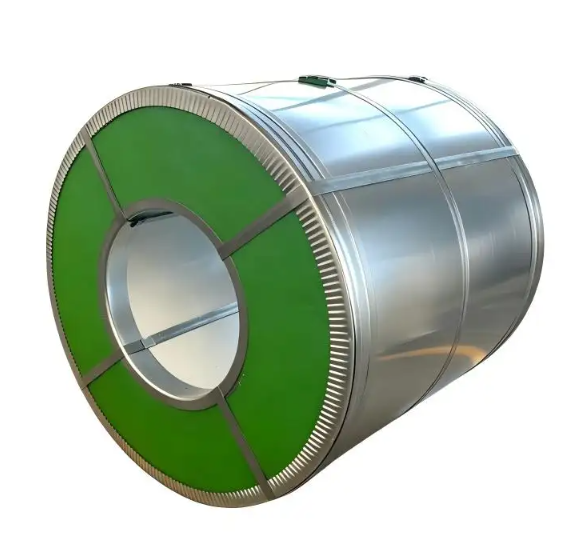
Learn why premium finish galvalume steel coil delivers better paint adhesion and visual consistency in finished building products. Request specs today.
2026/09/10
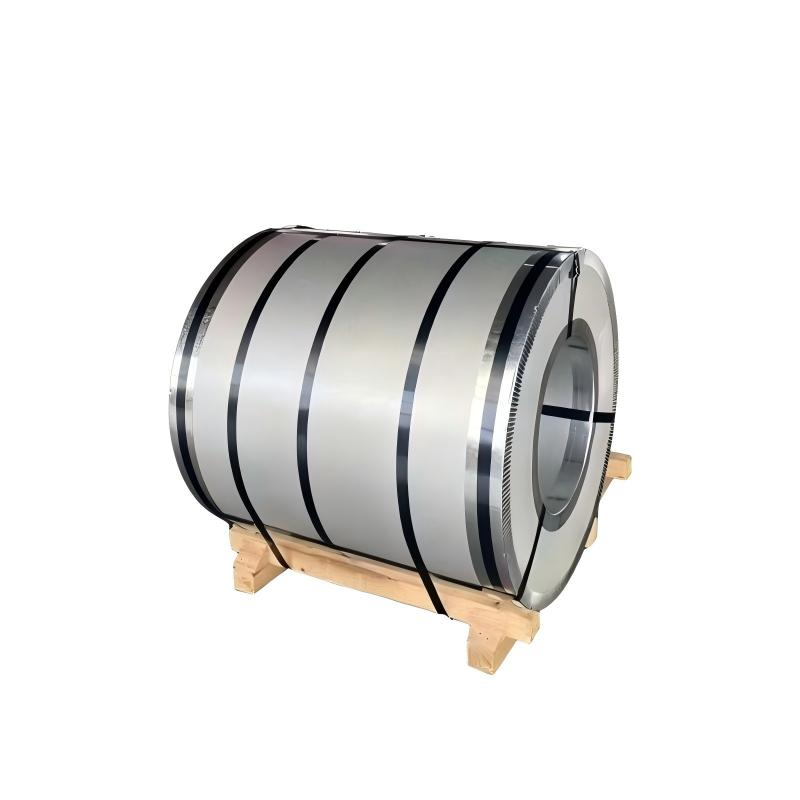
Learn why heavy coating galvalume steel coil provides superior corrosion resistance in harsh coastal settings and saves long-term maintenance costs.
2026/09/10
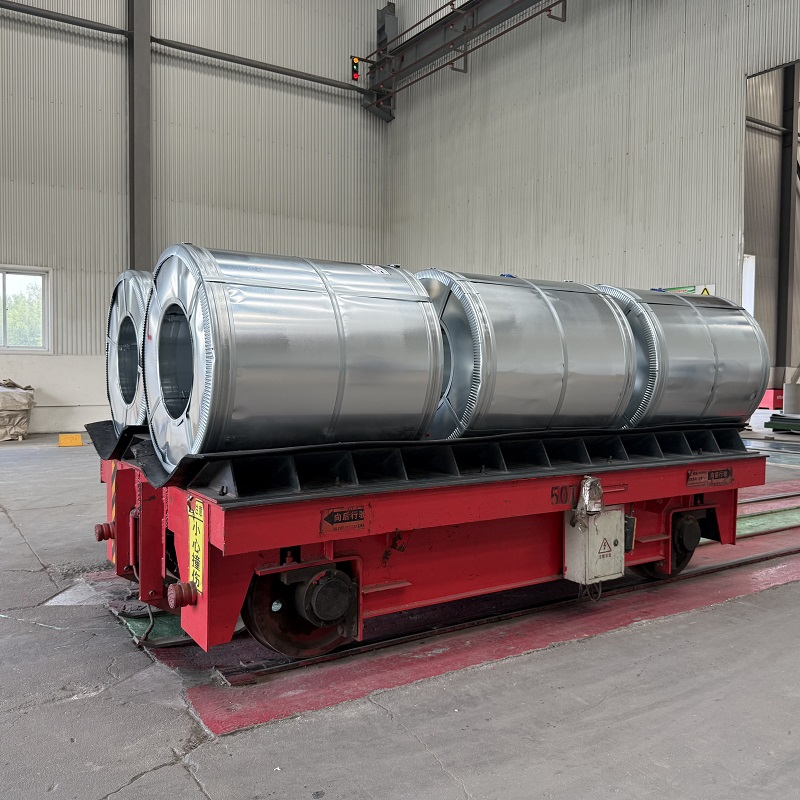
Learn how to test the bending performance of formable galvalume steel coil samples using T-bend testing to prevent cracking and scrap.
2026/09/10
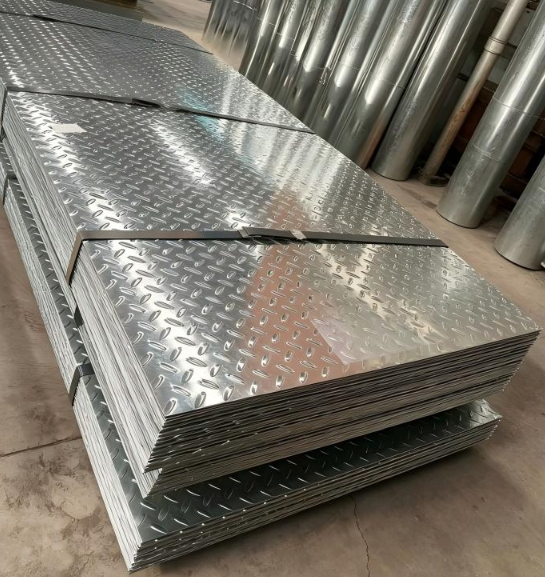
Discover how multi specification galvalume steel coil simplifies purchasing, boosts productivity, and lowers costs for metal fabricators.
2026/09/10
Discover why hot dipped galvanized steel and hot dip galvanized checkered plate offer ideal corrosion resistance and strength for road guardrails.
Covering green transformation, product comparison, selection guide, and industry empowerment, helping you fully grasp the dynamics of the color steel industry.

Global climate action and Belt and Road cooperation are driving the color steel industry’s shift toward green, sustainable development.

Comparing PPGI and PPGL across performance, durability, and applications to help you select the optimal coated steel for your project.
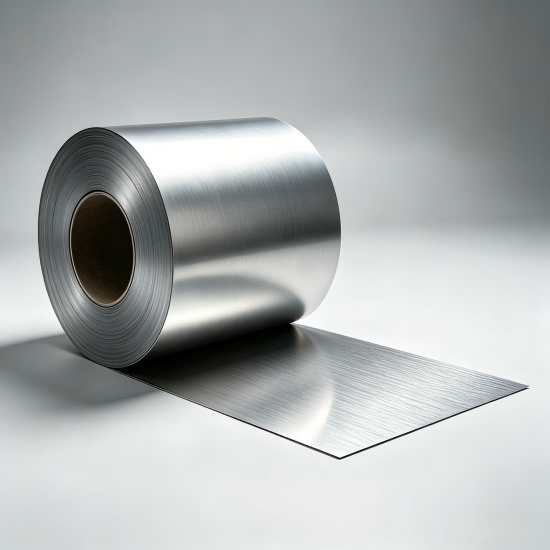
A practical guide to selecting and applying color steel coils, ensuring optimal performance, durability, and cost-effectiveness for your projects.
Industry forum drives digital and green transformation, empowering steel sector development through innovation and collaboration.