EN
EN

How to customize length size of precision cut GI coil finished sheets
2026/09/11
Learn how to specify precision cut GI coil sheets in custom lengths — tolerance selection, coating integrity, and ordering tips.
2026/08/20
Modern metal fabrication relies on prepainted materials that can handle aggressive shaping without losing protective capabilities or visual appeal. Choosing a formable PPGL coil gives manufacturers a material specifically designed to undergo intense mechanical deformation. This specialty steel bends, stretches, and profiles without cracking the protective finish, peeling the topcoat, or causing micro-fractures in the steel core.
As automated stamping, roll forming, and press brake systems advance, engineers and procurement specialists must carefully align metal specs with specific manufacturing demands. Understanding how a formable prepainted galvalume coil responds to physical pressure helps production lines run smoothly while reducing scrap rates across global fabrication facilities.
The core formability of any formable PPGL coil relies on balanced material properties: substrate ductility, zinc-aluminum alloy adhesion, paint film elasticity, and precise mill tempering. Matching the right processing method to the ideal coil specification makes the difference between flawless production and costly material failure.
Deforming prepainted steel requires balancing the physical limits of three distinct layers: the structural steel core, the protective zinc-aluminum coating, and the organic paint topcoat. When working with a formable prepainted galvalume coil, each layer must stretch and flex in harmony under mechanical stress. If the substrate elongates faster than the surface primer or topcoat, the paint loses adhesion, leading to microscopic cracking along the bend radius.
Organic Topcoat & Primer: Acts as the primary flexible barrier against UV, moisture, and mechanical wear during bending.
Al-Zn Protective Layer: Composed of 55% aluminum, 43.4% zinc, and 1.6% silicon to provide galvanic cathodic protection.
Ductile Steel Base Substrate: Provides structural tensile strength and elongation needed to handle severe deformation.
Cold-rolled steel substrates with balanced tensile strength provide the mechanical foundation for complex shaping. During cold deformation, internal stress concentrates along the outer curve of the bend. High-quality processing relies on controlled grain structures that distribute strain evenly throughout the metal matrix.
When factory engineers fine-tune processing equipment around verified PPGL coil forming techniques, they ensure the organic paint system stretches smoothly across the metallic substrate without flaking or blistering.
Deep Drawing Applications and Requirements
Performing deep drawing formable PPGL coil operations is one of the most demanding tests for prepainted sheet metal. This process forces a flat sheet blank into a shaped die cavity using a mechanical punch, creating severe radial tension and tangential compression. Cup-shaped components, electrical enclosures, and recessed caps rely on this technique for seamless structural geometry.
Punch Force: Drives the center of the metal blank down into the die cavity under continuous mechanical load.
Blankholder Pressure: Controls radial metal flow into the die to prevent wrinkling and buckling along the edges.
Wall Tension: Demands high substrate elongation (typically 35 percent or higher) to avoid wall thinning or tearing.
Corner Radius Strain: Demands flexible paint systems and lighter AZ50-AZ70 coatings to prevent flaking under severe stress.
Successful deep drawing formable PPGL coil processing demands high base-metal ductility, typically requiring substrate elongation ratings of 35 percent or higher. Coating mass selection proves equally vital. Lighter coating weights like AZ50 or AZ70 yield better results in deep drawing formable PPGL coil setups because thinner metallic layers minimize stress concentration at the paint-metal interface, preventing paint flaking during heavy draw steps.
Press Brake Bending and Minimum Bend Radius
Press brake forming remains a core fabrication method across general sheet metal shops. The critical metric here is minimum bend radius, which dictates how tightly the metal folds without triggering surface micro-cracking or paint crazing.
For standard 15-to-20-micron paint systems applied to a formable PPGL coil, recommended minimum bend radius guidelines range from 1T to 3T, where T represents total sheet thickness:
Polyester Systems: Standard flexible polyester coats handle a 2T to 3T bend radius smoothly for general enclosure panels.
Silicone Modified Polyester (SMP): Designed for chalk resistance, SMP systems generally require a 2T to 3T radius to protect the harder paint surface.
Polyvinylidene Fluoride (PVDF): Premium architectural PVDF finishes feature dense molecular structures requiring a 3T or larger radius to avoid coating tension cracks.
Using properly tempered DX51D+AZ base metal paired with elastic primer formulations allows a formable prepainted galvalume coil to achieve tight 1T bends reliably on high-speed press brake lines.
Continuous Roll Forming Efficiency
Roll forming passes flat metal strip through a sequential series of matched roller dies, applying incremental bends to create continuous cross-sectional profiles. This approach powers the mass production of standing seam roofing, corrugated wall cladding, door frames, and structural decking.
Progressive bending during roll forming distributes stress far more evenly than single-stroke press operations. Because deformation occurs gradually, a formable PPGL coil performs exceptionally well on automated roll forming lines. Softer, highly elastic paint systems excel here by absorbing localized friction and spreading mechanical strain across the entire profile surface.
Stamping and Progressive Die Operations
Progressive die stamping combines blanking, piercing, and shallow forming into a fast, multi-station automated sequence. High-speed stamping with a formable prepainted galvalume coil demands uniform mechanical traits along the entire length of the coil to prevent jam-ups and maintain die clearances.
Tooling design must account for edge quality after cut-off steps. Clean shear edges prevent microscopic coating cracks from spreading during subsequent forming steps. Maintaining sharp die edges and correct blade clearances preserves cut-edge integrity and prevents delamination on finished stamped parts.
Selecting the right combination of material grade, coating weight, and handling parameter ensures long-term performance without over-specifying raw material costs.
| Fabrication Method | Recommended Substrate | Ideal Coating Mass | Paint System Flexibility | Key Production Focus |
| Deep Drawing | DX52D+AZ / DX53D+AZ | AZ50 - AZ70 | High Elasticity (1T-0T) | Lubrication & radial strain management |
| Press Brake Bending | DX51D+AZ | AZ70 - AZ100 | Standard / High (1T-2T) | Tooling radius & stroke precision |
| Roll Forming | DX51D+AZ / S280GD | AZ70 - AZ150 | Medium / Flexible (2T) | Roller alignment & surface friction |
| Progressive Stamping | DX51D+AZ / DX52D+AZ | AZ70 - AZ100 | High Elasticity (1T) | Die clearance & cut-edge sharpness |
Substrate Grades and Paint System Compatibility
Base metal composition forms the foundation of all successful PPGL coil forming techniques. Commercial quality DX51D+AZ steel serves general bending and roll forming well. However, complex deep drawing formable PPGL coil runs require specialized drawing-grade steels like DX52D+AZ or DX53D+AZ, which offer higher elongation values and superior drawability.
Topcoat chemistry must match the physical demands of the forming tool. Modern coil coatings use specialized resin networks that stretch alongside the metal base:
Pre-treatment Layers: Chemical conversion coatings ensure tight chemical bonding between the metal substrate and the primer.
Flexible Primers: Elastic polyurethane or epoxy primers absorb shear stress during severe bends.
Formable Topcoats: Specialized polyester topcoats maintain surface finish integrity even under severe tension.
Real-World Application: Profile Manufacturing Optimization
A building profile manufacturer in Central Asia evaluated five primary PPGL coil forming techniques to streamline production of ribbed wall panels and corner flashings. The factory tested 0.5 mm formable prepainted galvalume coil featuring a DX51D+AZ substrate, AZ70 coating weight, and a 15-micron flexible topcoat across multiple production setups.
Raw coil sourcing was subjected to strict quality audits covering coating mass, sheet thickness, and base metal ductility. The material then moved through precision rotary slitting lines to ensure burr-free shear edges. Profile roll forming lines operated continuously at speeds of 25 meters per minute, maintaining a low defect rate of just 0.8 percent. For custom corner flashings, press brake forming achieved tight 1.5T bends with zero surface cracking or paint peeling.
Combining precision rotary slitting with automated roll forming helped the facility reduce total material scrap from 4.2 percent down to 1.1 percent, boosting overall daily output by 35 percent.
Post-Forming Quality Control Protocols
Maintaining quality across formed prepainted components requires structured post-forming inspection routines. Quality assurance teams track four core performance metrics:
Coating Surface Integrity: Visual and microscopic checks for micro-cracking, crazing, or gloss reduction along bend lines.
Cross-Hatch Adhesion: Testing paint adhesion on formed zones using cross-hatch tape tests to verify coating bond strength.
Cut-Edge Condition: Inspecting sheared edges for burrs or delamination that could accelerate corrosion in humid environments.
Dimensional Accuracy: Checking profile geometry against CAD tolerances using digital gauges and optical scanners.
Simulated laboratory testing—where sample coupons undergo aggressive bending and drawing before full batch production—ensures the material matches job site expectations every time.
Sourcing reliable prepainted galvalume coils requires a manufacturing partner with strong production control, versatile coating lines, and global supply experience. Shenyang Yuanhe Steel supplies fully certified formable PPGL coil products tailored to diverse industrial forming processes. Supporting automated slitting, customized paint formulations, and flexible order processing, Shenyang Yuanhe Steel provides dependable steel coil solutions backed by strict quality inspection for construction and fabrication markets worldwide.
2026/09/11
Learn how to specify precision cut GI coil sheets in custom lengths — tolerance selection, coating integrity, and ordering tips.
2026/09/11
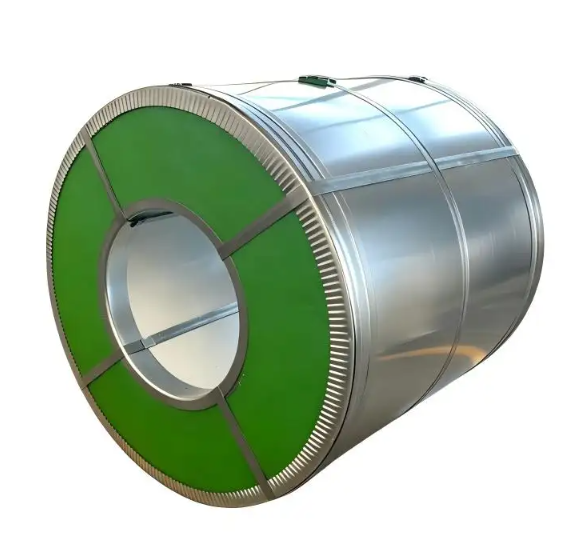
Learn why premium finish galvalume steel coil delivers better paint adhesion and visual consistency in finished building products. Request specs today.
2026/09/10
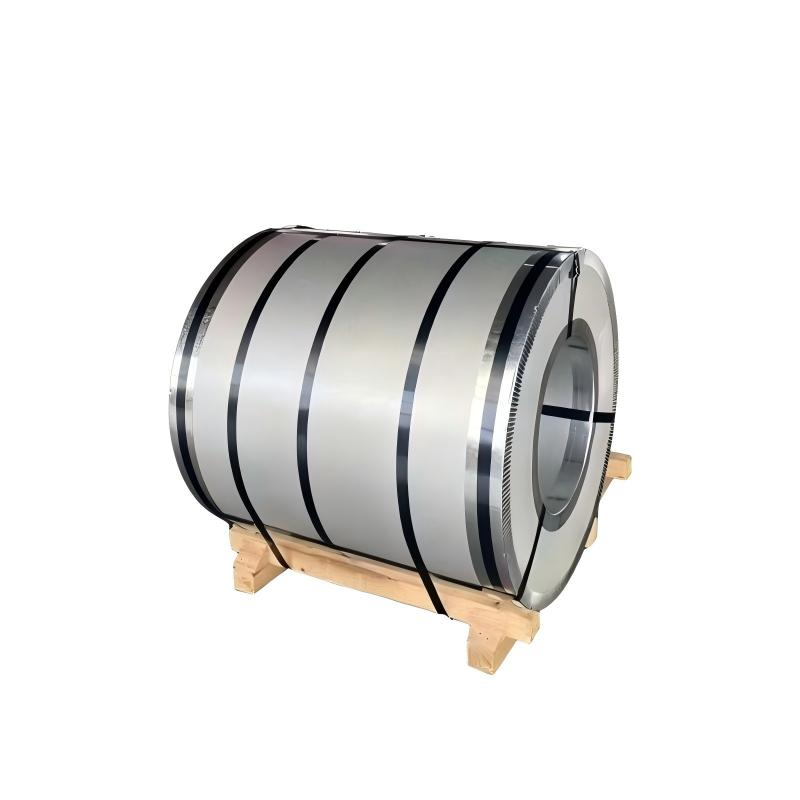
Learn why heavy coating galvalume steel coil provides superior corrosion resistance in harsh coastal settings and saves long-term maintenance costs.
2026/09/10
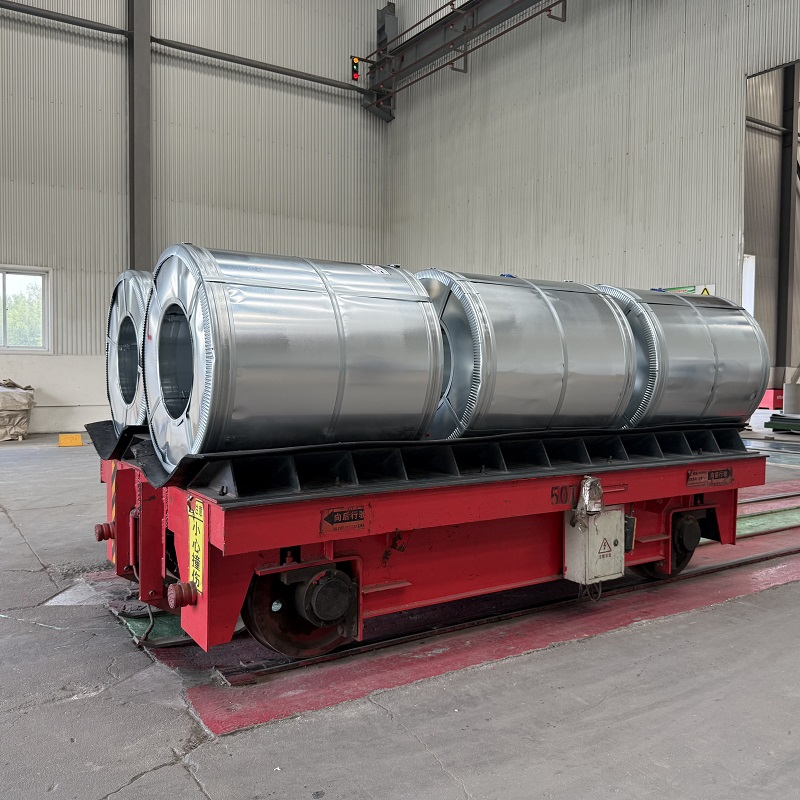
Learn how to test the bending performance of formable galvalume steel coil samples using T-bend testing to prevent cracking and scrap.
2026/09/10
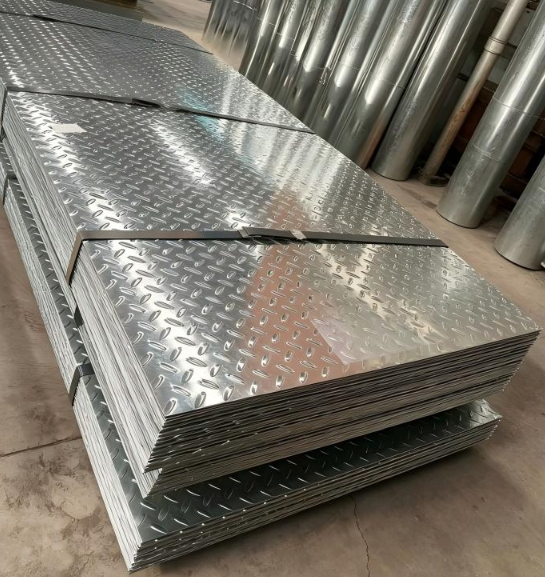
Discover how multi specification galvalume steel coil simplifies purchasing, boosts productivity, and lowers costs for metal fabricators.
2026/09/10
Discover why hot dipped galvanized steel and hot dip galvanized checkered plate offer ideal corrosion resistance and strength for road guardrails.
Covering green transformation, product comparison, selection guide, and industry empowerment, helping you fully grasp the dynamics of the color steel industry.

Global climate action and Belt and Road cooperation are driving the color steel industry’s shift toward green, sustainable development.
Comparing PPGI and PPGL across performance, durability, and applications to help you select the optimal coated steel for your project.
A practical guide to selecting and applying color steel coils, ensuring optimal performance, durability, and cost-effectiveness for your projects.
Industry forum drives digital and green transformation, empowering steel sector development through innovation and collaboration.