EN
EN

How to customize length size of precision cut GI coil finished sheets
2026/09/11
Learn how to specify precision cut GI coil sheets in custom lengths — tolerance selection, coating integrity, and ordering tips.
2026/08/27
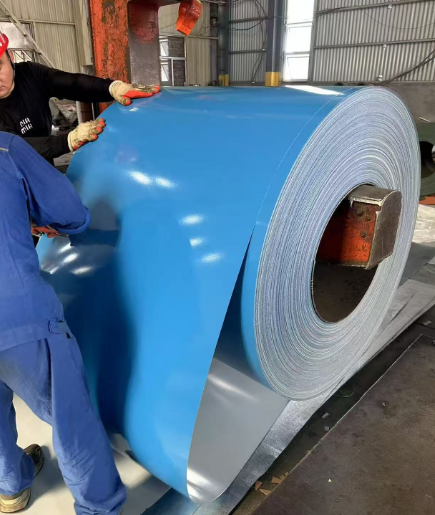
When specifying a galvanized steel coil for demanding applications, engineers and buyers typically focus on atmospheric corrosion, salt spray hours, and coating thickness. However, thermal exposure is a critical factor that is frequently overlooked. While zinc provides exceptional physical and cathodic protection under normal outdoor conditions, elevated heat triggers metallurgical shifts that degrade protective layers rapidly.
Understanding these thermal boundaries is essential when sourcing steel for industrial ducting, appliance enclosures, heat shields, and baking equipment. Standard galvanized stock performs predictably at ambient temperatures, but thermal degradation zinc coating failures happen fast once operational heat crosses key thresholds. Using a uniform zinc layer gi coil ensures consistent heat response across the entire metal strip, avoiding premature failure spots caused by uneven zinc thickness.
Thermal Thresholds and Structural Changes in Zinc Protection
Zinc undergoes progressive phase changes as temperatures rise. Up to 200°C, a galvanized steel coil maintains its original metallurgical structure and full corrosion resistance. Beyond 200°C, iron from the steel substrate begins diffusing rapidly into the outer zinc layer. This reaction creates brittle iron-zinc intermetallic compounds that disrupt the coating's original mechanical flexibility and adhesion.
Above 250°C, intermetallic growth accelerates dramatically, turning the once-flexible protective coat into a crumbly layer prone to flaking. At 419°C, zinc hits its absolute physical limit and melts, stripping away all corrosion protection.
| Operating Temperature Range | Physical Zinc Layer Behavior | Overall Protection Impact | Recommended Engineering Action |
| Below 200°C | Completely stable, no phase shifts | Full protective capacity retained | Safe for continuous long-term service |
| 200°C to 250°C | Initial Fe-Zn intermetallic phase growth | Coating becomes slightly brittle | Acceptable for short-term/intermittent heat |
| 250°C to 350°C | Rapid intermetallic growth | Reduced adhesion, high flaking risk | Avoid continuous operating exposure |
| 350°C to 419°C | Severe structural degradation | Spalling and coating micro-cracking | Strictly not recommended |
| 419°C (Melting Point) | Liquid phase transition | Complete loss of coating adhesion | Absolute physical operating limit |
| Above 419°C | Zinc liquefies and drips off | Raw steel substrate fully exposed | Catastrophic coating failure |
Practical Engineering Rules for Material Selection
When operating conditions call for continuous temperatures over 200°C, standard galvanized steel coil is rarely the right choice. For high-heat environments like engine heat shields, industrial exhaust systems, or high-temperature ovens, alternative materials such as galvalume (aluminum-zinc alloy) or stainless steel deliver far better service life.
However, for short thermal spikes or intermittent baking cycles up to 250°C, selecting a uniform zinc layer gi coil with a heavier zinc coating mass (such as Z200 or Z275) provides a solid safety buffer. A thicker initial zinc layer provides extra material to absorb intermetallic diffusion without exposing the bare steel underneath.
Thermal exposure also comes into play during factory finishing, such as powder coating curing or paint baking. Most industrial curing ovens operate between 180°C and 210°C, which sits safely below the point of zinc layer temperature damage. Using a uniform zinc layer gi coil ensures that heat absorbs evenly across the entire strip, preventing localized hot-spot failures during curing cycles.
Mitigation Strategies for High-Heat Environments
Engineers can use several practical strategies to maximize the service life of a galvanized steel coil operating near its thermal limit:
Specify High Coating Mass: Choosing Z200 or Z275 grades provides a thicker zinc cushion that delays full intermetallic conversion during heat exposure.
Apply Secondary Barrier Coatings: High-heat paints, such as silicone-modified polyesters or specialized silicone resins, add a protective thermal shield over the zinc layer.
Ensure Smooth Surface Finish: Using a skin-passed, uniform zinc layer gi coil eliminates thin spots where zinc layer temperature damage typically begins.
Proactive material specification prevents costly warranty claims and field retrofits. Sourcing coil material from processing mills that enforce tight thickness controls gives buyers peace of mind for elevated-temperature applications.
Yuanhe supplies premium galvanized steel coil products with uniform zinc weights from Z20 to Z275, utilizing skin-pass processing and cold-rolled substrates compliant with ASTM A653 and JIS G3302 standards to ensure reliable thermal and corrosion performance across global markets.
Real World Case Study: Heat Degradation in Oven Manufacturing
An appliance manufacturing plant in Central Asia selected a standard Z120 galvanized steel coil to construct internal oven liner panels operating at continuous cycles around 230°C.
After 18 months of regular field use, field service teams reported widespread surface flaking and discoloration around panel seams. Metallurgical testing revealed that prolonged operational heat had converted almost the entire pure zinc layer into a brittle 40-micron iron-zinc intermetallic matrix, leading to severe thermal degradation zinc coating failures.
The manufacturer resolved the issue by switching to an aluminum-silicon coated steel product engineered for continuous operation at 250°C+. This field case highlights why verifying real-world operating temperatures against zinc layer thermal limits is essential before placing production orders.
Frequently Asked Questions
At what point does heat cause zinc layer temperature damage?
Zinc layers begin forming brittle iron-zinc intermetallic phases around 200°C. Structural coating degradation becomes severe above 250°C, and total coating loss occurs at the 419°C melting point.
Can a galvanized steel coil handle powder coating curing ovens?
Yes, provided curing temperatures stay under 210°C and dwell times remain short. Most standard powder curing cycles do not trigger thermal degradation zinc coating issues.
Why is a uniform zinc layer gi coil better for heat-exposed parts?
Inconsistent zinc thickness creates localized thin spots that suffer heat damage first. A uniform coating ensures even heat distribution and consistent intermetallic growth across the entire surface.
2026/09/11
Learn how to specify precision cut GI coil sheets in custom lengths — tolerance selection, coating integrity, and ordering tips.
2026/09/11
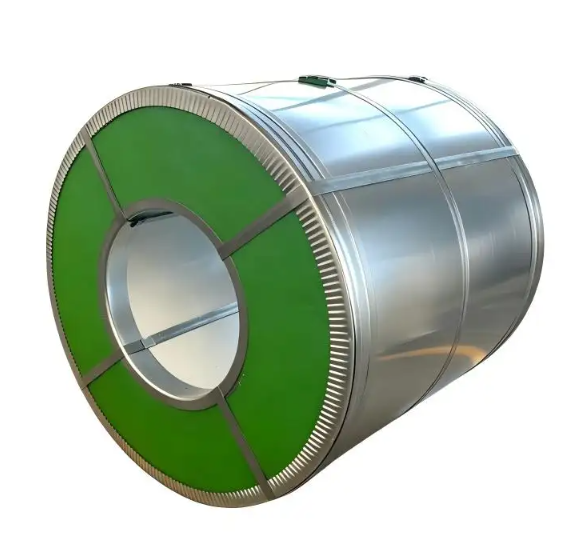
Learn why premium finish galvalume steel coil delivers better paint adhesion and visual consistency in finished building products. Request specs today.
2026/09/10
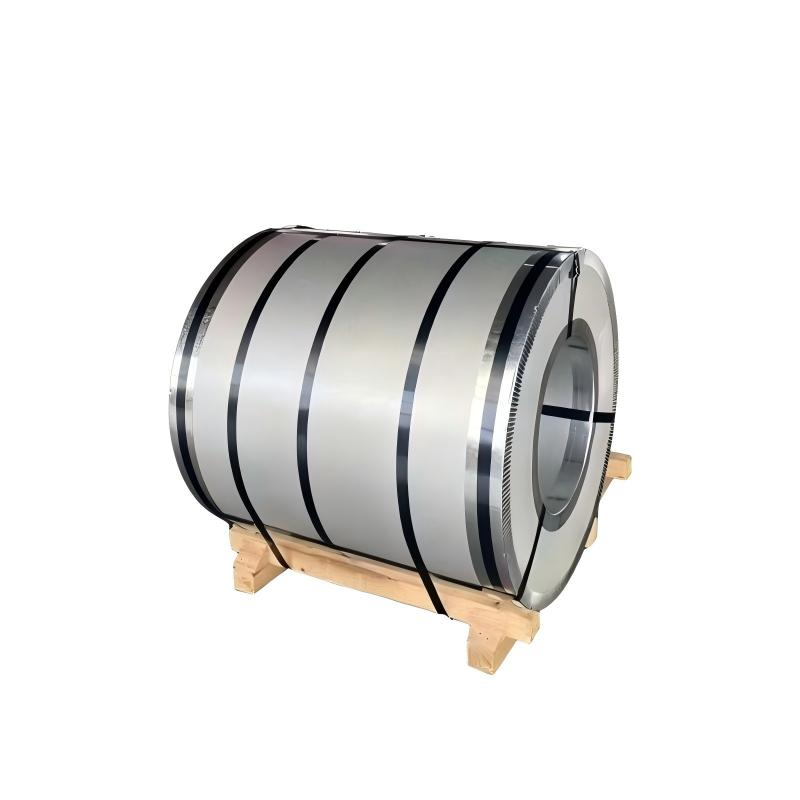
Learn why heavy coating galvalume steel coil provides superior corrosion resistance in harsh coastal settings and saves long-term maintenance costs.
2026/09/10
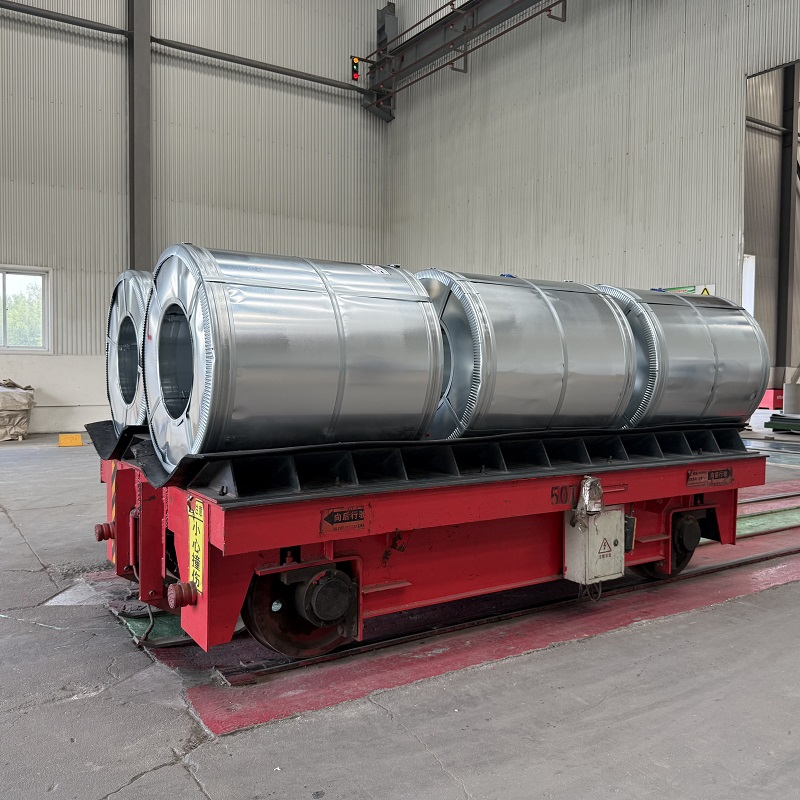
Learn how to test the bending performance of formable galvalume steel coil samples using T-bend testing to prevent cracking and scrap.
2026/09/10
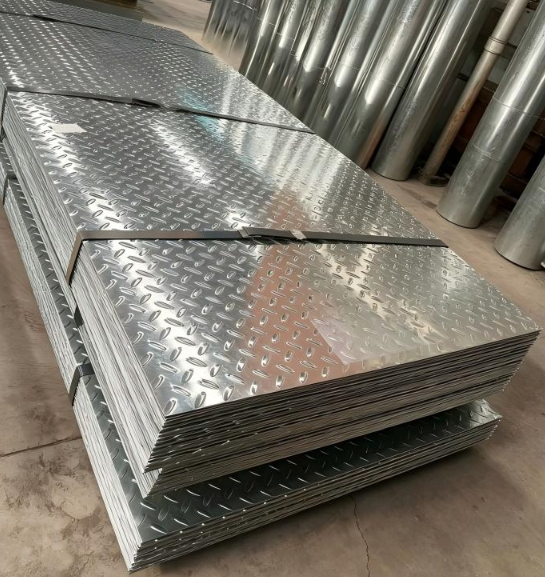
Discover how multi specification galvalume steel coil simplifies purchasing, boosts productivity, and lowers costs for metal fabricators.
2026/09/10
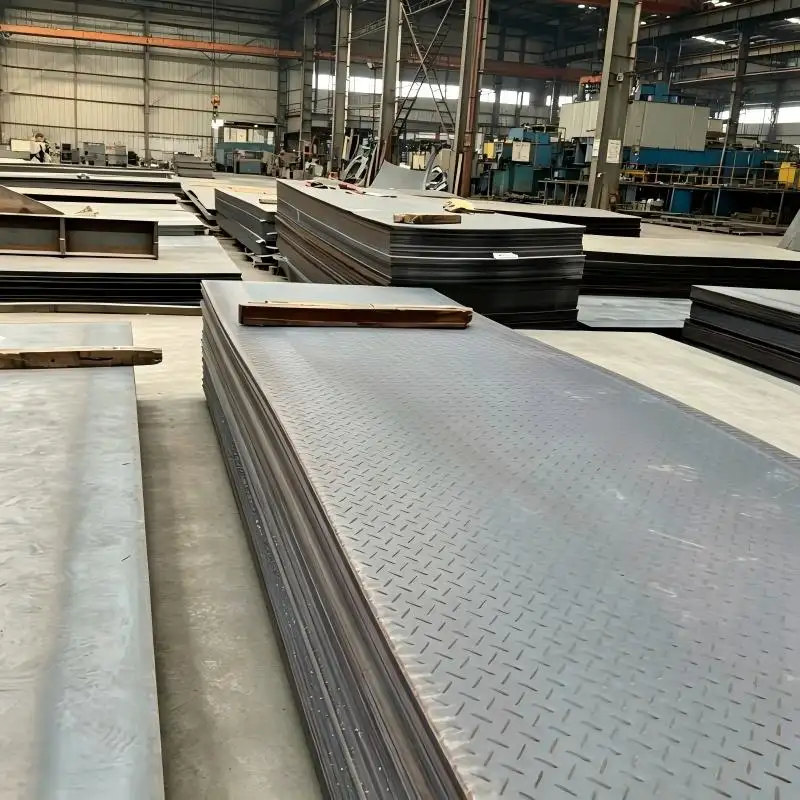
Discover why hot dipped galvanized steel and hot dip galvanized checkered plate offer ideal corrosion resistance and strength for road guardrails.
Covering green transformation, product comparison, selection guide, and industry empowerment, helping you fully grasp the dynamics of the color steel industry.
Global climate action and Belt and Road cooperation are driving the color steel industry’s shift toward green, sustainable development.
Comparing PPGI and PPGL across performance, durability, and applications to help you select the optimal coated steel for your project.
A practical guide to selecting and applying color steel coils, ensuring optimal performance, durability, and cost-effectiveness for your projects.
Industry forum drives digital and green transformation, empowering steel sector development through innovation and collaboration.