EN
EN

How to customize length size of precision cut GI coil finished sheets
2026/09/11
Learn how to specify precision cut GI coil sheets in custom lengths — tolerance selection, coating integrity, and ordering tips.
2026/08/07
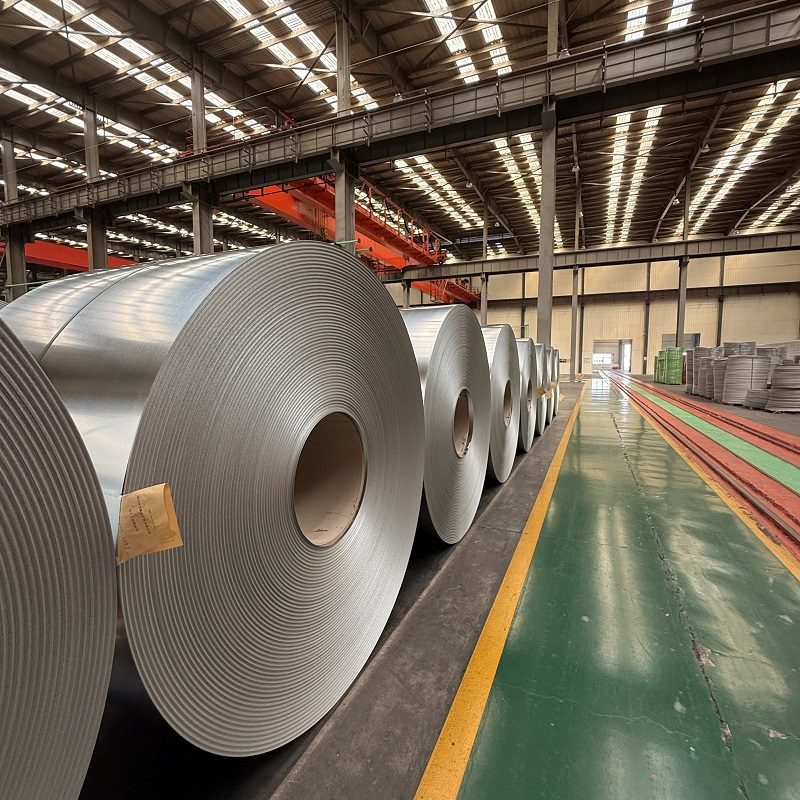
Precision slitting is a critical value-added process that transforms full-width prepainted galvanized steel coil master coils into narrower strips tailored to specific downstream manufacturing requirements. The precision cut ppgi steel coil produced through this process serves diverse applications — from narrow strips for roll-forming machines producing roofing profiles, to custom-width coils for stamping operations manufacturing appliance components. Unlike cutting or shearing, which produce discrete sheets, slitting maintains the coil format, enabling continuous feeding in high-speed roll-forming and stamping lines. Custom fabrication ppgi steel coil processing demands slit widths with tolerances as tight as plus or minus 0.15 mm, burr-free edges, and minimal camber — requirements that can only be met by properly equipped slitting lines operated by experienced technicians. According to the National Coil Coating Association, improperly slit coil edges are among the top five causes of downstream processing defects in coated steel applications, making slitting equipment selection and operation a significant factor in product quality.
A complete slitting line for prepainted galvanized steel coil consists of several integrated components, each contributing to the precision and quality of the final slit product. The uncoiler, or decoiler, holds the master coil and feeds it into the line with controlled tension — typically via a hydraulic expansion mandrel that accommodates coil inner diameters of 508 mm or 610 mm. The entry pinch roll unit and loop pit provide material accumulation that allows continuous slitting while the line speed varies. The slitter itself is the heart of the operation: a set of circular knives mounted on precision-ground arbors that cut the coil into multiple strips simultaneously. The number of knives, their material (typically high-speed tool steel or tungsten carbide), and their arrangement determine the range of slit widths and the edge quality. For precision cut ppgi steel coil production, carbide knives are preferred because they maintain sharpness longer, producing cleaner edges with less burr formation. After slitting, the strips pass through a separator disc unit that prevents inter-strip weaving, and a tensioning unit that applies controlled rewind tension. Finally, the recoiler winds the slit strips into individual coils, typically on expansion mandrels matched to the downstream equipment requirements.
Several technical parameters determine whether a slitting line can produce precision cut ppgi steel coil that meets demanding specifications. Knife clearance — the gap between the upper and lower circular knives — is the single most critical parameter. For prepainted galvanized steel coil with thicknesses of 0.3 to 0.8 mm, the optimal knife clearance is typically 8 to 12 percent of the material thickness. Too little clearance causes edge work-hardening and burr formation, while too much clearance produces edge raggedness and camber. Knife overlap — the vertical distance between the upper and lower knife edges — must be set between 1 and 3 mm for thin gauge material. The line speed affects both productivity and edge quality: speeds of 60 to 120 meters per minute are typical for prepainted material, with higher speeds requiring sharper knives and tighter clearance control. Custom fabrication ppgi steel coil with painted surfaces requires additional consideration — the paint film can adhere to the knife surface and cause edge pick-off (paint flaking at the slit edge) if the knife surface finish is too rough or the line speed is too high. The following table summarizes the key slitting parameters and their typical ranges for prepainted galvanized steel coil.
Slitting prepainted galvanized steel coil presents unique challenges compared to slitting uncoated or galvanized-only coil. The painted surface is susceptible to damage from several mechanisms during the slitting process. Contact with guide rollers can cause paint scratching if the roller surface is contaminated or rough. Edge trimming generates paint particles that can embed in the paint surface of adjacent strips if not properly evacuated. Recoiler tension can cause inter-wrap pressure marks on glossy finishes. To address these challenges, precision slitting lines for prepainted material incorporate several protective features. Felt-lined or polymer-coated guide rollers replace steel rollers at contact points. Vacuum extraction systems remove paint particles at the slitting station. Edge protector strips — typically paper or plastic — are interleaved between coil wraps during recoiling to prevent pressure marking. The recoiler tension is automatically adjusted based on strip width and material thickness to maintain sufficient tightness for stable coil formation without exceeding the paint's compressive yield. A well-equipped custom fabrication ppgi steel coil facility will also maintain a controlled cleanliness standard in the slitting area, with regular cleaning of guide surfaces and knife sets to prevent contamination transfer.
Verifying the quality of precision cut ppgi steel coil requires inspection of several parameters that are specific to slit products. Slit width tolerance is measured using calibrated vernier calipers or laser micrometers at the head, middle, and tail of each slit coil. For custom fabrication ppgi steel coil, the acceptable width tolerance is typically plus or minus 0.15 mm for widths up to 300 mm, and plus or minus 0.25 mm for wider strips. Edge quality is assessed by visual inspection for burrs (typically limited to less than 0.05 mm height), edge straightness (camber, measured as deviation over a 3-meter length, typically limited to 2 mm), and paint edge condition (no pick-off or flaking beyond 0.5 mm from the edge). Coil geometry is also important — the slit coil should be wound concentrically with minimal telescoping (axial displacement of wraps), and the coil ID and OD should match the downstream equipment specifications. Manufacturers with dedicated slitting workshops, such as Shenyang Yuanhe, which operates precision slitting lines alongside its coating and cutting capabilities, can provide slit coil products with consistent quality and comprehensive inspection documentation. For projects requiring precision cut ppgi steel coil with certified dimensions, requesting a slit coil inspection report with width, burr, and camber measurements for each coil is a standard quality assurance practice.
When selecting a provider for prepainted galvanized steel coil slitting services, buyers should evaluate several capability indicators. Confirm the maximum coil weight, width, and thickness that the slitting line can handle — these determine whether the provider can process the full range of master coils the project requires. Ask about the minimum slit width and the maximum number of simultaneous cuts (multi-strand slitting capability), as these affect both cost and lead time for custom fabrication ppgi steel coil orders. Verify that the slitting line is equipped with features for painted surface protection — felt-lined rollers, vacuum extraction, and edge protection interleaving. Request sample slit coils from previous production runs to assess edge quality and surface condition firsthand. For ongoing supply relationships, establish a quality agreement that specifies the acceptable tolerances, inspection methods, and documentation requirements for each delivery. The precision cut ppgi steel coil market has become increasingly demanding as downstream manufacturing processes become more automated and less tolerant of dimensional variation, making slitting line capability and operator expertise a significant competitive factor for coil suppliers.
Frequently Asked Questions
What is the minimum width for slit PPGI coil?
Most slitting lines can produce precision cut ppgi steel coil with minimum widths of 30 to 50 mm, though some specialized lines can slit as narrow as 10 mm. The minimum width depends on the material thickness, the number of strands being slit simultaneously, and the tension control capability of the recoiler. For custom fabrication ppgi steel coil with very narrow widths, confirm the provider's equipment specifications before ordering.
How tight is the width tolerance for slit PPGI coil?
Standard slitting tolerance for prepainted galvanized steel coil is plus or minus 0.25 mm. Precision slitting lines with carbide knives and automatic tension control can achieve tolerances of plus or minus 0.15 mm or better. The tolerance achievable depends on material thickness, strip width, and the number of simultaneous cuts. Always specify the required tolerance when ordering custom fabrication ppgi steel coil.
Will slitting damage the painted edge of PPGI coil?
Some degree of paint edge effect is unavoidable during slitting — the cut edge will expose the bare metal substrate because the knife cuts through the paint film. However, with proper knife clearance, sharp carbide knives, and appropriate line speed, paint pick-off (flaking beyond the cut line) can be limited to less than 0.5 mm. For applications where edge corrosion is a concern, the exposed edges can be treated with edge paint or the slit strips can be specified with a zinc-rich primer on the cut edges.
2026/09/11
Learn how to specify precision cut GI coil sheets in custom lengths — tolerance selection, coating integrity, and ordering tips.
2026/09/11
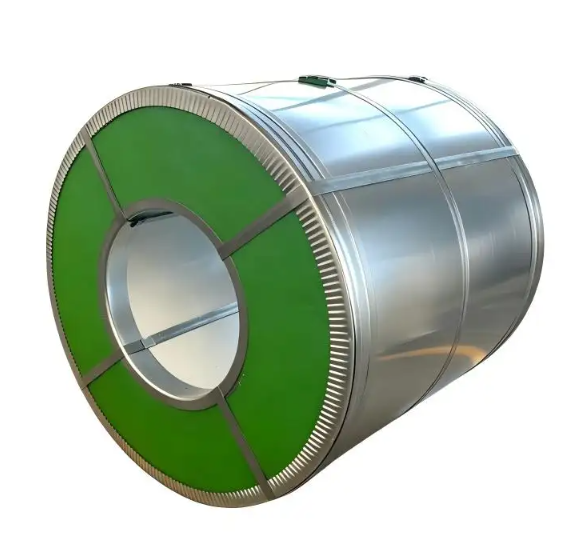
Learn why premium finish galvalume steel coil delivers better paint adhesion and visual consistency in finished building products. Request specs today.
2026/09/10
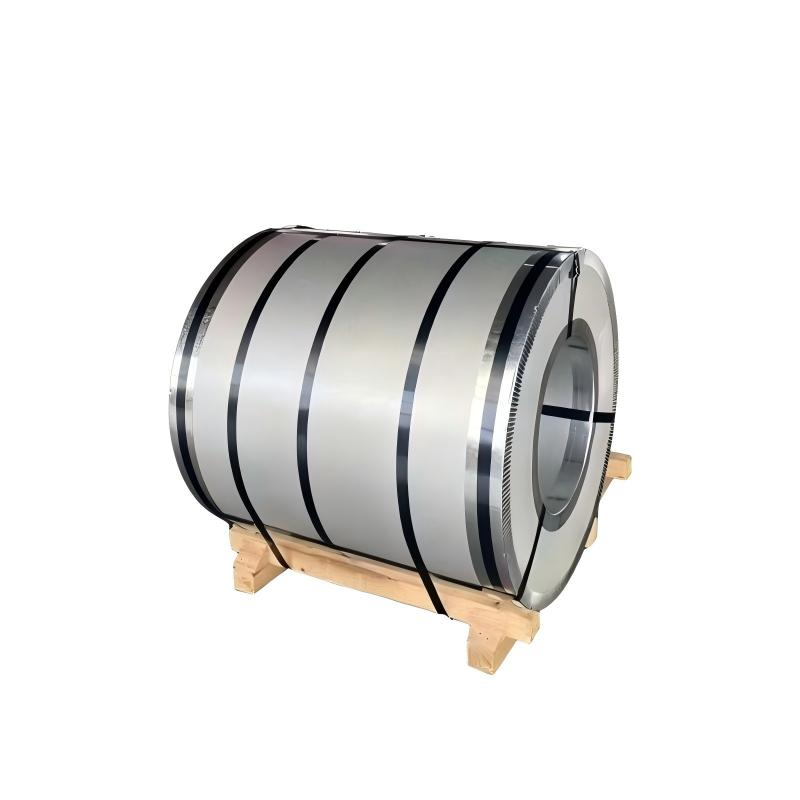
Learn why heavy coating galvalume steel coil provides superior corrosion resistance in harsh coastal settings and saves long-term maintenance costs.
2026/09/10
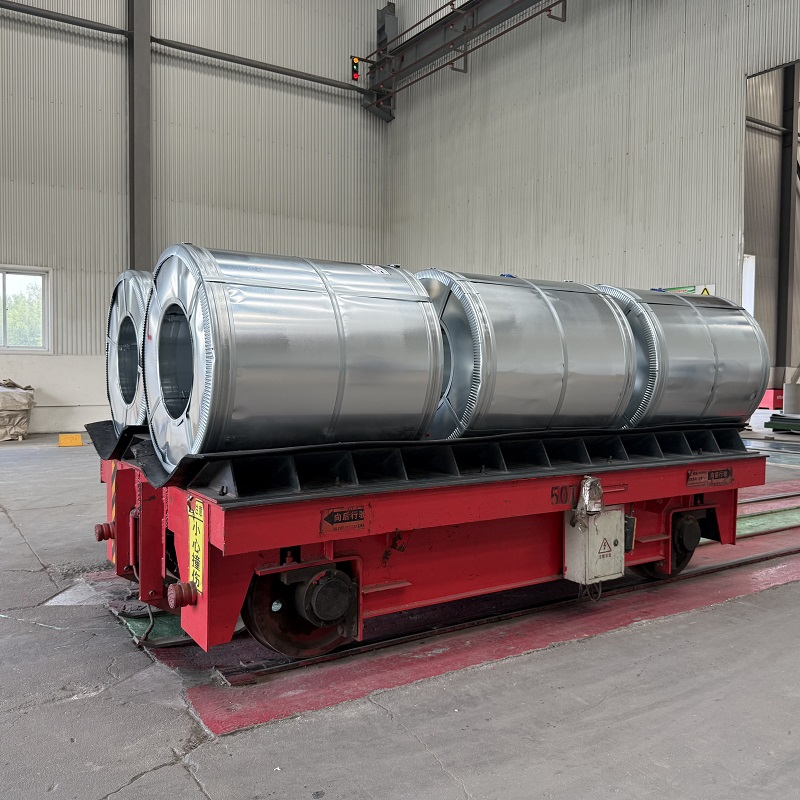
Learn how to test the bending performance of formable galvalume steel coil samples using T-bend testing to prevent cracking and scrap.
2026/09/10
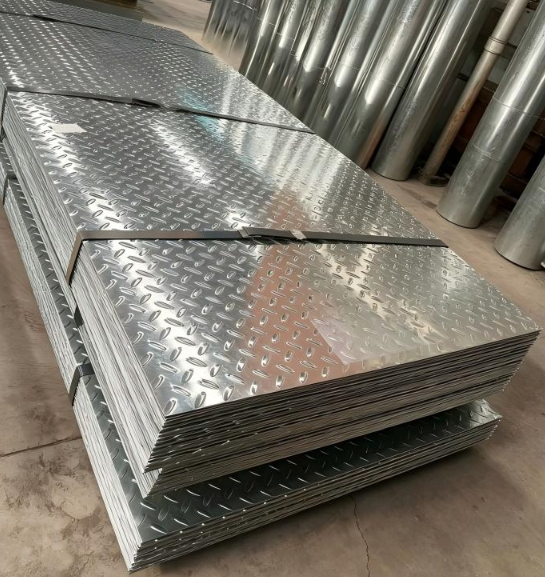
Discover how multi specification galvalume steel coil simplifies purchasing, boosts productivity, and lowers costs for metal fabricators.
2026/09/10
Discover why hot dipped galvanized steel and hot dip galvanized checkered plate offer ideal corrosion resistance and strength for road guardrails.
Covering green transformation, product comparison, selection guide, and industry empowerment, helping you fully grasp the dynamics of the color steel industry.

Global climate action and Belt and Road cooperation are driving the color steel industry’s shift toward green, sustainable development.
Comparing PPGI and PPGL across performance, durability, and applications to help you select the optimal coated steel for your project.
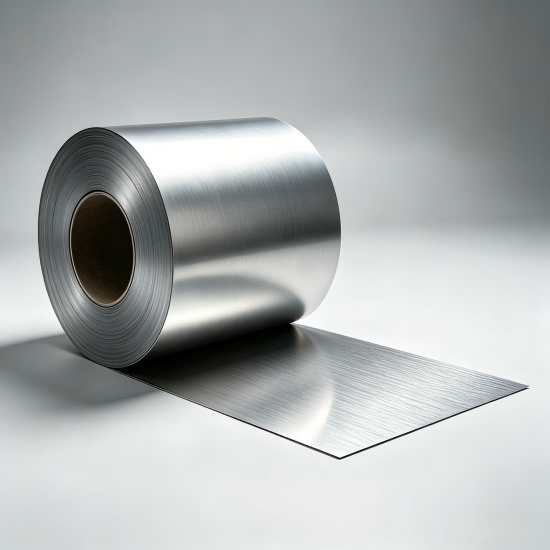
A practical guide to selecting and applying color steel coils, ensuring optimal performance, durability, and cost-effectiveness for your projects.
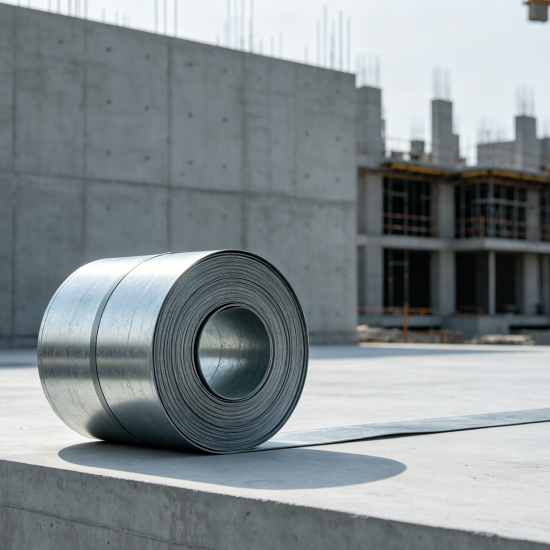
Industry forum drives digital and green transformation, empowering steel sector development through innovation and collaboration.