EN
EN

How to customize length size of precision cut GI coil finished sheets
2026/09/11
Learn how to specify precision cut GI coil sheets in custom lengths — tolerance selection, coating integrity, and ordering tips.
2026/08/05
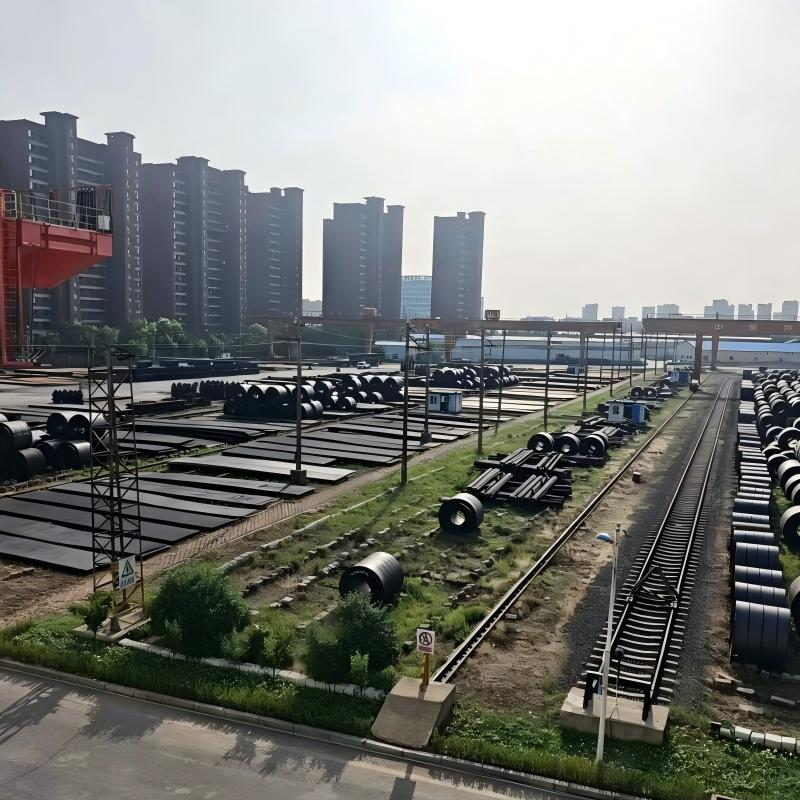
Few questions generate more confusion among steel buyers than the distinction between hot rolled carbon steel coil and cold rolled steel products. Both start from the same steel slab, yet their properties, surface characteristics, dimensional tolerances, and suitable applications diverge significantly. Understanding these differences is essential for specifying the correct material, controlling project costs, and avoiding processing failures. Over five years of supplying both hr slit coil and cold rolled products to manufacturers across Central Asia and Africa, I have seen how mis specification between the two leads to weld defects, forming cracks, and costly material replacement. This article provides a comprehensive comparison of hot rolled carbon steel coil and cold rolled steel, covering production processes, property differences, dimensional characteristics, application selection, and cost considerations.
The fundamental difference between hot rolled carbon steel coil and cold rolled steel originates in the rolling temperature. Hot rolled steel is rolled above the steel's recrystallization temperature, typically 1,000 to 1,300 degrees Celsius, where the steel is soft and easily deformed. This high temperature rolling produces hr slit coil with a characteristic blue grey oxide scale on the surface, formed by iron oxidation at elevated temperatures. The scale layer, while providing some corrosion protection during storage, must be removed (descaling) before most finishing operations. Cold rolled steel begins as hot rolled pickled and oiled coil, which is then further rolled at room temperature through a series of stands that reduce thickness by 50 to 90 percent. This cold reduction work hardens the steel, increasing yield strength and hardness while improving dimensional accuracy and surface finish. For hot rolled carbon steel coil, the typical thickness range is 1.2 mm to 25 mm, while cold rolled steel achieves 0.20 mm to 3.0 mm. Hr slit coil, produced by slitting wider hot rolled coil to customer specified widths, bridges the gap for applications requiring precise width control without the cost of cold rolling.
The different production processes create distinct mechanical property profiles. Hot rolled carbon steel coil typically exhibits yield strength of 235 to 345 MPa, elongation of 20 to 30 percent, and a relatively soft, ductile structure suitable for welding and structural fabrication. Cold rolled steel, due to work hardening, shows higher yield strength (270 to 550 MPa depending on temper grade), lower elongation (8 to 25 percent), and harder surface. For structural applications requiring welding, hr slit coil in grades like Q235B or SS400 provides excellent weldability with minimal preheat requirements. Cold rolled steel, particularly full hard temper, may require stress relief annealing before complex welding to prevent cracking. In a 2023 structural steel project in Uzbekistan, the fabricator initially specified cold rolled steel for pipe supports but switched to hot rolled carbon steel coil after field testing revealed weld cracking in 12 percent of cold rolled supports. The hr slit coil alternative, in Q345B grade, achieved zero weld defects while reducing material cost by 22 percent.
Surface finish represents one of the most visible differences between hot rolled carbon steel coil and cold rolled steel. Hot rolled coil surfaces carry oxide scale that gives a rough, dark appearance with surface roughness typically 6 to 15 micrometers Ra. After pickling and oiling, the surface becomes a clean grey with roughness reduced to 3 to 6 micrometers Ra, but still not suitable for decorative or visible applications. Cold rolled steel achieves surface roughness of 0.4 to 1.5 micrometers Ra, with a smooth, bright finish suitable for painting, plating, or visible surface applications. Dimensional tolerances also differ significantly. For hr slit coil with 3.0 mm thickness, the ASTM A6 tolerance is plus or minus 0.15 mm, while cold rolled steel of the same thickness achieves plus or minus 0.04 mm per ASTM A1008. Width tolerances for hr slit coil typically range from plus 2 to plus 5 mm, while cold rolled steel width tolerance is plus 1 to plus 3 mm. For applications requiring tight dimensional control, such as precision stamping or automotive components, the tighter tolerances of cold rolled steel justify the higher cost.
Choosing between hot rolled carbon steel coil and cold rolled steel depends on the application's requirements for surface finish, dimensional precision, mechanical properties, and cost. Hr slit coil excels in structural fabrication, welded tubes, shipbuilding, bridge construction, and heavy machinery frames where surface appearance is not critical and weldability matters most. The cost advantage of hot rolled carbon steel coil, typically 15 to 30 percent lower than cold rolled equivalents, makes it the default choice for structural applications. Cold rolled steel is preferred for automotive body panels, appliance housings, furniture, electrical equipment enclosures, and any application requiring smooth surface finish, tight tolerances, or subsequent plating and painting. For tube and pipe manufacturing, both materials have their place: hr slit coil is standard for structural and mechanical tubes (ASTM A500, A53), while cold rolled steel is used for precision tubes and decorative tubing. In a furniture manufacturing project in Vietnam, the producer used cold rolled steel for visible table frames requiring powder coating and hot rolled carbon steel coil for hidden structural brackets, optimizing both appearance and cost.
The price differential between hot rolled carbon steel coil and cold rolled steel reflects the additional processing required for cold rolling. Cold rolled steel typically costs 20 to 35 percent more than hot rolled of the same grade and thickness, with the premium varying by thickness (thinner gauges carry higher premiums due to greater cold reduction). Hr slit coil offers an intermediate option: the slitting process adds 3 to 8 percent to the base hot rolled price but provides custom widths that reduce waste in downstream processing. Availability also differs: hot rolled carbon steel coil in standard grades (Q235, Q345, SS400, A36) and common thicknesses is widely stocked with short lead times. Cold rolled steel, particularly in specialty tempers or surface finishes, may require longer lead times or minimum order quantities. Shenyang Yuanhe Steel supplies both hot rolled carbon steel coil and hr slit coil products in grades including Q235B, Q345B, SS400, and SPHC, with thickness from 1.2 mm to 25 mm and custom slitting to widths as narrow as 100 mm. Their ISO certified production facilities, 10,685 ton annual shipment capacity, and 6 to 14 day lead times support both structural fabrication and manufacturing applications requiring reliable steel coil supply.
Comparison Table
|
Property |
Hot Rolled Carbon Steel Coil |
Cold Rolled Steel |
HR Slit Coil |
|
Thickness Range |
1.2-25 mm |
0.20-3.0 mm |
1.2-25 mm (custom width) |
|
Yield Strength |
235-345 MPa |
270-550 MPa |
235-345 MPa |
|
Elongation |
20-30% |
8-25% |
20-30% |
|
Surface Roughness (Ra) |
6-15 um (with scale) |
0.4-1.5 um |
3-6 um (pickled) |
|
Thickness Tolerance |
+/-0.15 mm (3mm) |
+/-0.04 mm (3mm) |
+/-0.15 mm |
|
Typical Cost Index |
100 (baseline) |
120-135 |
103-108 |
|
Primary Application |
Structural, welding |
Auto, appliance, visible |
Custom width structural |
Frequently Asked Questions
Q: Can cold rolled steel be substituted for hot rolled carbon steel coil in structural applications?
A: While cold rolled steel has higher strength, substituting it for hot rolled carbon steel coil in structural applications is not recommended without engineering review. Cold rolled steel's higher hardness can cause weld cracking, and its lower elongation reduces ductility. Additionally, the 20-35 percent cost premium makes substitution uneconomical for structural fabrication.
Q: What is hr slit coil and when should I choose it over standard hot rolled coil?
A: HR slit coil is hot rolled carbon steel coil that has been slit to custom widths. Choose hr slit coil when your application requires specific widths narrower than standard mill widths (typically 1,000-1,250 mm), reducing on-site trimming waste by 8-15 percent. The slitting process adds 3-8 percent to cost but saves material and processing time.
Q: Why does hot rolled steel have a rough, dark surface while cold rolled steel is smooth?
A: Hot rolled steel forms an oxide scale layer during high-temperature rolling (1,000-1,300 degrees Celsius), creating a rough, dark surface. Cold rolled steel is processed at room temperature from pickled hot rolled coil, producing a smooth, bright surface without oxide formation. The scale on hot rolled coil must be removed (pickled) before painting or plating.
2026/09/11
Learn how to specify precision cut GI coil sheets in custom lengths — tolerance selection, coating integrity, and ordering tips.
2026/09/11
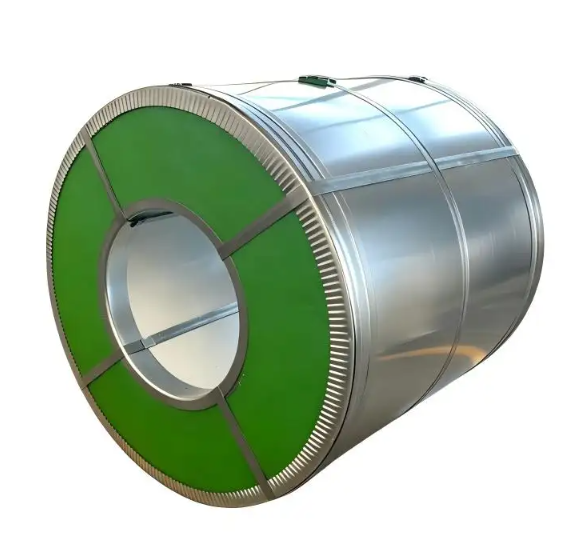
Learn why premium finish galvalume steel coil delivers better paint adhesion and visual consistency in finished building products. Request specs today.
2026/09/10
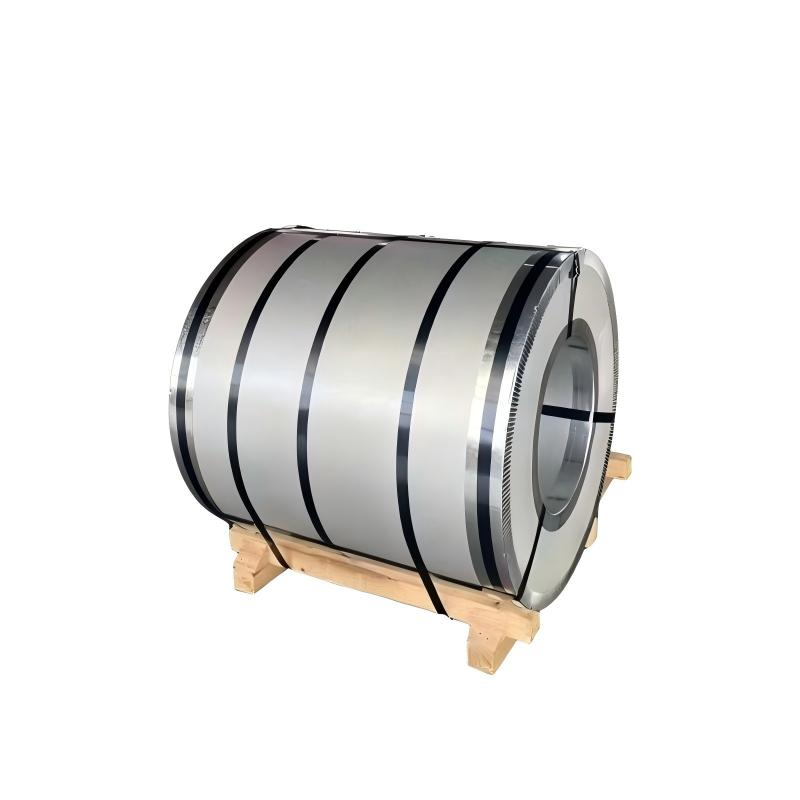
Learn why heavy coating galvalume steel coil provides superior corrosion resistance in harsh coastal settings and saves long-term maintenance costs.
2026/09/10
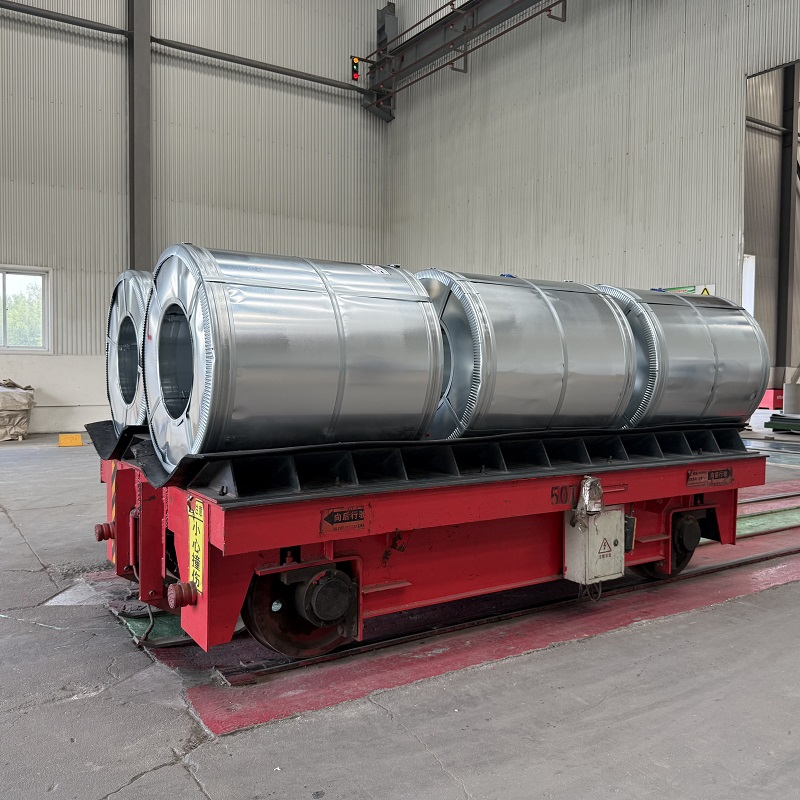
Learn how to test the bending performance of formable galvalume steel coil samples using T-bend testing to prevent cracking and scrap.
2026/09/10
Discover how multi specification galvalume steel coil simplifies purchasing, boosts productivity, and lowers costs for metal fabricators.
2026/09/10
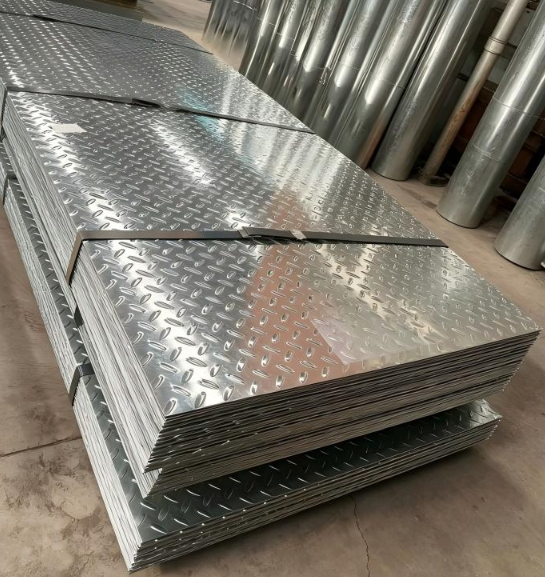
Discover why hot dipped galvanized steel and hot dip galvanized checkered plate offer ideal corrosion resistance and strength for road guardrails.
Covering green transformation, product comparison, selection guide, and industry empowerment, helping you fully grasp the dynamics of the color steel industry.

Global climate action and Belt and Road cooperation are driving the color steel industry’s shift toward green, sustainable development.

Comparing PPGI and PPGL across performance, durability, and applications to help you select the optimal coated steel for your project.
A practical guide to selecting and applying color steel coils, ensuring optimal performance, durability, and cost-effectiveness for your projects.
Industry forum drives digital and green transformation, empowering steel sector development through innovation and collaboration.