EN
EN

How to customize length size of precision cut GI coil finished sheets
2026/09/11
Learn how to specify precision cut GI coil sheets in custom lengths — tolerance selection, coating integrity, and ordering tips.
2026/08/06
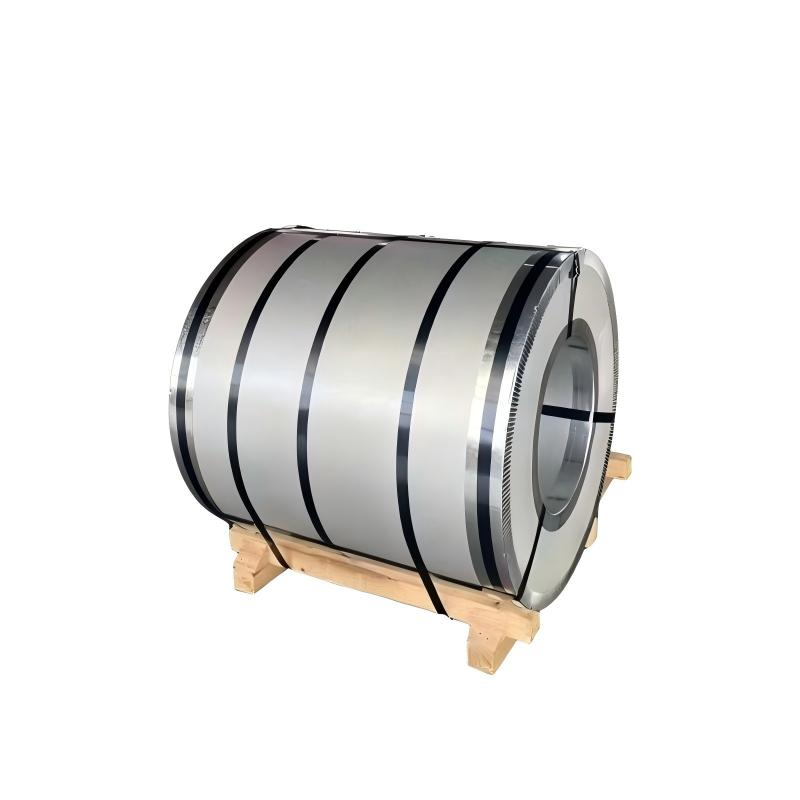
The architectural construction sector has seen a measurable shift toward matt finish ppgi roof sheet products over the past decade. Unlike glossy coated surfaces that reflect sunlight intensely, a matt finish colour coated steel coil reduces surface glare by 60 to 80 percent, creating a visually softer building envelope that integrates more harmoniously with natural and urban surroundings. This aesthetic preference is not merely stylistic — it carries functional implications for occupant comfort, neighborhood light pollution reduction, and even energy performance. Projects in regions with high solar intensity, such as the Middle East, Central Asia, and parts of South America, increasingly specify matt finish ppgi roof sheet as a standard requirement rather than an upgrade option. Industry surveys conducted by the European Coil Coating Association indicate that matt and low-gloss finishes now account for over 40 percent of architectural roofing coil orders in Europe, a figure that has doubled since 2015.
Several distinct construction project categories derive specific benefits from specifying a matt finish ppgi roof sheet. Educational campus buildings represent one prominent category — schools and universities often have large roof areas visible from surrounding classrooms, and glare from glossy roofing can create distracting reflections that interfere with learning environments. Residential developments, particularly low-rise housing communities with closely spaced units, benefit from the reduced light reflection that matt finish colour coated steel coil provides, minimizing neighbor-to-neighbor glare complaints. Industrial facilities with rooftop solar installations prefer matt finish surfaces because they reduce diffuse reflection that can create hotspots on adjacent photovoltaic panels, improving overall solar array efficiency by an estimated 3 to 5 percent. Commercial complexes with glass curtain wall facades use matt finish roofing to prevent roof glare from reflecting onto the facade and creating thermal discomfort for building occupants. Each of these project types shares a common requirement: the roofing material must perform structurally and thermally while contributing to visual comfort rather than detracting from it.
The production of a matt finish ppgi roof sheet involves specific coating formulations and application parameters that differ from standard gloss products. The matt effect is achieved through controlled micro-texturing of the topcoat surface, typically using specialized polyester (PE) or silicon-modified polyester (SMP) resins with matting agents such as silica particles. The resulting surface has a gloss level between 10 and 25 GU measured at 60 degrees, compared to 50 to 80 GU for standard gloss products. This lower gloss does not compromise corrosion resistance — a properly formulated matt finish colour coated steel coil maintains the same salt spray performance and weathering durability as its gloss counterpart. However, matt surfaces are more susceptible to visible surface marring during handling and installation, requiring additional protective film and careful site practices. The coating thickness for matt finish ppgi roof sheet typically follows the same specification as gloss products: 15 to 25 micrometers for PE topcoat and 20 to 30 micrometers for SMP or PVDF systems. The table below compares key technical parameters between matt and gloss finish PPGI products.
When specifying a colour coated steel coil for roofing, long-term performance is the paramount concern. Matt finish ppgi roof sheet products face the same environmental challenges as gloss products: UV degradation, thermal cycling, acid rain exposure, and mechanical stress from wind loads. The matt surface texture, with its micro-roughness, can trap dirt and pollutants more readily than a smooth gloss surface, potentially leading to uneven weathering patterns over time. This characteristic makes regular maintenance cleaning more important for matt finish roofs. However, modern matt finish formulations using SMP and PVDF resins have demonstrated excellent chalk resistance and color retention in accelerated weathering tests, with delta E color change values below 3 after 2000 hours of QUV-B exposure. For projects in coastal or industrial zones, buyers should verify that the matt finish colour coated steel coil meets the minimum coating thickness and corrosion resistance requirements of ASTM A755 or EN 10169 standards.
A case study from a university campus construction project in the Middle East illustrates the practical advantages of matt finish ppgi roof sheet. The project, comprising 14 buildings totaling 85,000 square meters of roof area, initially specified standard gloss PPGI in a light gray color. During the design review, the architectural consultant raised concerns about glare affecting adjacent classroom buildings and recommended switching to a matt finish colour coated steel coil with a gloss level of 15 GU. The change increased material cost by approximately 8 percent but eliminated the need for supplementary glare-reduction measures that would have cost 12 percent of the roofing budget. Two years post-installation, the matt finish roof showed no significant color fade or chalking, and thermal imaging confirmed that the lower surface reflectance reduced roof surface temperatures by an average of 4 degrees Celsius compared to a reference gloss roof on an adjacent building. This temperature reduction contributed to lower cooling loads in the top-floor spaces, demonstrating that the matt finish provided both aesthetic and energy performance benefits.
When sourcing matt finish ppgi roof sheet for construction projects, buyers should evaluate suppliers on several specific criteria. Confirm that the manufacturer can produce consistent matt finish across multiple production batches — color and gloss consistency is critical when roof areas span multiple coil shipments. Request a weathering test report for the specific matt finish formulation being supplied, as different resin systems (PE, SMP, PVDF) offer different durability levels. Verify that the colour coated steel coil supplier applies protective film to the matt surface during coil packaging, as this finish is more susceptible to handling marks than gloss products. Manufacturers with integrated production capabilities, such as Shenyang Yuanhe, which maintains coating lines alongside galvanizing and fabrication services, can provide the batch-to-batch consistency that large roofing projects require. Additionally, confirm that the supplier can provide the coil in the width and thickness specified for the roofing profile to be used, as compatibility between the coil dimensions and the roll-forming equipment is essential for producing defect-free roofing sheets.
Frequently Asked Questions
Is matt finish PPGI roofing more expensive than gloss finish?
Yes, matt finish ppgi roof sheet typically carries a 5 to 12 percent price premium over equivalent gloss products due to the specialized coating formulation and matting agents required. However, this premium is often offset by savings in glare-reduction measures and potential energy benefits from lower surface temperatures.
Does matt finish affect the corrosion resistance of colour coated steel coil?
No. A properly manufactured matt finish colour coated steel coil maintains the same corrosion resistance as gloss products. The matt effect is a surface texture characteristic, not a coating thickness reduction. Buyers should verify that the total coating thickness meets the same specification regardless of finish type.
How do I clean and maintain a matt finish PPGI roof?
Matt finish ppgi roof sheet should be cleaned annually using low-pressure water and mild detergent. Avoid abrasive cleaning tools that can scratch the micro-textured surface. The matt texture may retain dirt more readily than gloss surfaces, so more frequent cleaning may be needed in dusty or polluted environments.
Matt vs Gloss Finish PPGI Coil Technical Comparison
|
Parameter |
Matt Finish |
Gloss Finish |
Impact on Performance |
|
Gloss Level (60 deg) |
10-25 GU |
50-80 GU |
Matt reduces glare significantly |
|
Coating Thickness |
15-25 um (PE) |
15-25 um (PE) |
No difference |
|
Dirt Retention |
Higher |
Lower |
Matt needs more frequent cleaning |
|
Scratch Visibility |
Higher |
Lower |
Matt shows handling marks more |
|
UV Resistance |
Same (formulation dependent) |
Same |
No inherent difference |
|
Price Premium |
+5-12% |
Baseline |
Matt costs more to produce |
2026/09/11
Learn how to specify precision cut GI coil sheets in custom lengths — tolerance selection, coating integrity, and ordering tips.
2026/09/11
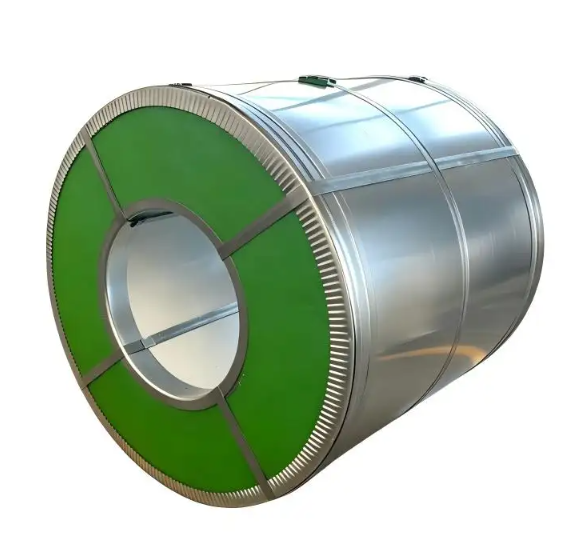
Learn why premium finish galvalume steel coil delivers better paint adhesion and visual consistency in finished building products. Request specs today.
2026/09/10
Learn why heavy coating galvalume steel coil provides superior corrosion resistance in harsh coastal settings and saves long-term maintenance costs.
2026/09/10
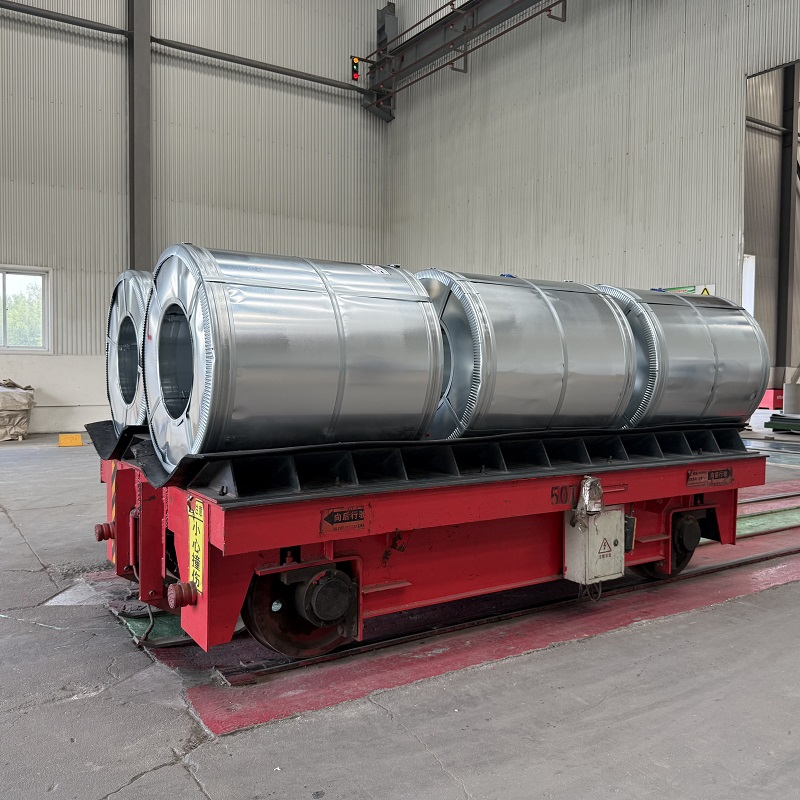
Learn how to test the bending performance of formable galvalume steel coil samples using T-bend testing to prevent cracking and scrap.
2026/09/10
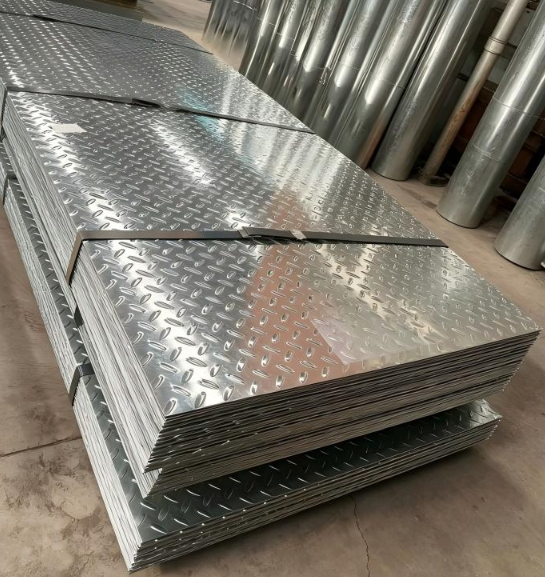
Discover how multi specification galvalume steel coil simplifies purchasing, boosts productivity, and lowers costs for metal fabricators.
2026/09/10
Discover why hot dipped galvanized steel and hot dip galvanized checkered plate offer ideal corrosion resistance and strength for road guardrails.
Covering green transformation, product comparison, selection guide, and industry empowerment, helping you fully grasp the dynamics of the color steel industry.

Global climate action and Belt and Road cooperation are driving the color steel industry’s shift toward green, sustainable development.

Comparing PPGI and PPGL across performance, durability, and applications to help you select the optimal coated steel for your project.
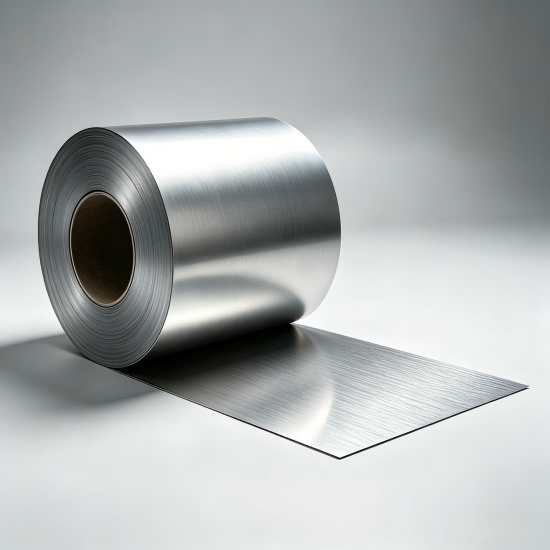
A practical guide to selecting and applying color steel coils, ensuring optimal performance, durability, and cost-effectiveness for your projects.
Industry forum drives digital and green transformation, empowering steel sector development through innovation and collaboration.