EN
EN

How to customize length size of precision cut GI coil finished sheets
2026/09/11
Learn how to specify precision cut GI coil sheets in custom lengths — tolerance selection, coating integrity, and ordering tips.
2026/08/11
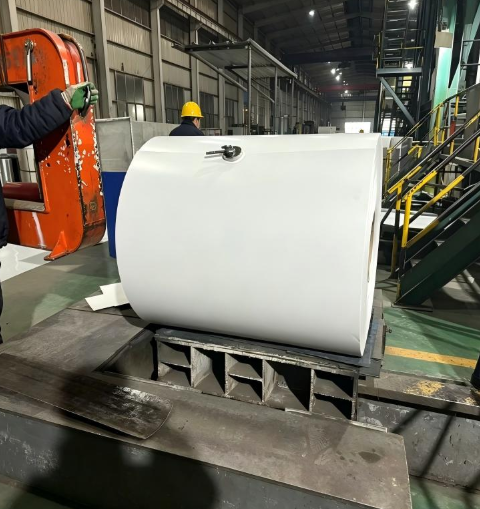
Choosing a colour coated aluminium coil has become the go-to path for architects and builders demanding both lightweight structural performance and striking visual appeal in modern exterior facades. Yet, the most persistent challenge facing these installations is color fading—the gradual loss of vibrancy driven by intense ultraviolet radiation, harsh atmospheric pollutants, and daily thermal cycling. Through years of hands-on field testing across diverse global climate zones, from the scorching deserts of the Middle East to the heavy humidity of Southeast Asia, industry professionals have documented exactly how various preventive strategies perform under real-world stresses. The encouraging news is that modern coating technologies, when wisely selected and meticulously applied, can easily extend color retention well beyond two decades. Understanding these preventive methods helps buyers of colour coated aluminium coil and premium finish ppgi steel coil make smart, data-driven decisions that safeguard their long-term investment.
Color fading in organic coatings happens primarily through photochemical degradation. Ultraviolet radiation in the 290 to 400 nanometer wavelength range carries enough raw energy to break down the molecular bonds in chromophores, which are the chemical groups responsible for giving paint its rich hue. Standard polyester coatings, often chosen as the most economical option for a colour coated aluminium coil, usually start showing visible fading after just five to seven years of direct UV exposure in tropical environments. This degradation triggers free radical formation that cascades through the polymer matrix, resulting in unsightly chalking, gloss loss, and eventual pigment breakdown. A premium finish ppgi steel coil faces similar environmental threats, though its steel substrate exhibits different thermal expansion behaviors that can influence internal coating stress and micro-cracking patterns.
The single most effective preventive measure starts with picking the right coating resin system. Four primary coating families dominate the market for colour coated aluminium coil and premium finish ppgi steel coil, each bringing a distinct ultraviolet resistance profile:
| Coating Type | UV Resistance | Expected Color Retention | Cost Index | Typical Application |
| PE (Polyester) | Moderate | 7-10 years | 1.0x | General building, indoor panels |
| SMP (Silicone Modified Polyester) | Good | 10-15 years | 1.3x | Industrial roofing, wall cladding |
| HDP (High Durable Polyester) | Very Good | 12-18 years | 1.5x | Commercial facades, aggressive environments |
| PVDF (Polyvinylidene Fluoride) | Excellent | 20-25+ years | 2.2x | Premium architecture, landmark buildings |
When looking for ultimate durability, a PVDF coating containing a minimum 70 percent Kynar 500 or Hylar 5000 resin content delivers the absolute gold standard in color fading prevention. The robust carbon-fluorine bond found inside a PVDF coating ranks among the strongest links in organic chemistry, demanding immense energy to fracture—far beyond what standard solar radiation can muster. This inherent molecular stability translates directly into decades of reliable color fidelity for any UV resistant coil application.
Beyond choosing the right resin backbone, advanced coating formulators mix specialized ultraviolet absorbers and hindered amine light stabilizers directly into the liquid matrix to enhance color fading prevention. Ultraviolet absorbers function by soaking up damaging rays and dissipating them harmlessly as thermal energy before they ever touch the underlying pigment layer. Meanwhile, stabilizers act as active radical scavengers, stopping the degradation cascade right at the molecular level. A premium finish ppgi steel coil formulated with optimized additive packages achieves significantly better color retention compared to standard baseline options. Ensuring high compatibility between the additive package, primer, and topcoat is vital for a true UV resistant coil to perform flawlessly over time.
The chemistry of the pigments chosen for a colour coated aluminium coil plays a massive role in long-term fading behavior. Inorganic pigments—such as iron oxides, chromium oxides, and titanium dioxides—possess natural ultraviolet stability because their metal-oxygen bonds strongly resist photodegradation. Shades built with inorganic pigments, especially earthy tones and muted architectural colors, show extraordinary resistance to sunlight. Conversely, bright organic pigments tend to be far more susceptible to solar breakdown. For exterior projects situated in high-ultraviolet regions, specifying a UV resistant coil packed with at least 80 percent inorganic pigment content dramatically pushes back the fading threshold.
Consider a major airport expansion project in a bustling Middle Eastern hub that specified a colour coated aluminium coil for its extensive exterior cladding panels. The original panels, featuring standard polyester finishes, showed Delta E color shifts exceeding 5.0 units after only seven years of service—a severe visual flaw noticeable to any observer. Remediation teams specified a PVDF coating solution utilizing custom inorganic pigment formulations on a certified colour coated aluminium coil. Three years following installation, the measured Delta E color shift dropped below 0.8, comfortably within acceptable architectural standards. This case proves that prioritizing a high-performance UV resistant coil configuration dictates long-term aesthetic success.
Preventing color degradation goes far beyond the top layer of paint. A properly engineered primer establishes a chemical bridge between the metal substrate and the topcoat, boosting adhesion while blocking moisture intrusion. For a colour coated aluminium coil, specialized chromium-free conversion treatments offer the ideal pretreatment base. Similarly, a premium finish ppgi steel coil relies heavily on high-grade epoxy or polyurethane primers to create a strong barrier against under-film corrosion and chalking.
Even the finest UV resistant coil installations benefit from routine upkeep. Washing exterior panels gently every year using a neutral detergent removes accumulated atmospheric grime that traps moisture. Avoiding harsh chemical solvents protects the surface gloss of both a colour coated aluminium coil and a premium finish ppgi steel coil. Regular inspections using a spectrophotometer allow building operators to monitor minor color shifts and plan touch-ups proactively.
Shenyang Yuanhe delivers top-tier colour coated aluminium coil and premium finish ppgi steel coil options featuring advanced PVDF coating, HDP, and SMP systems, all validated through rigorous QUV-B accelerated weathering trials. The enterprise features comprehensive processing lines capable of custom color matching for any UV resistant coil requirement, supporting architects and fabricators worldwide with reliable manufacturing strength and exceptional supply chain service.
2026/09/11
Learn how to specify precision cut GI coil sheets in custom lengths — tolerance selection, coating integrity, and ordering tips.
2026/09/11
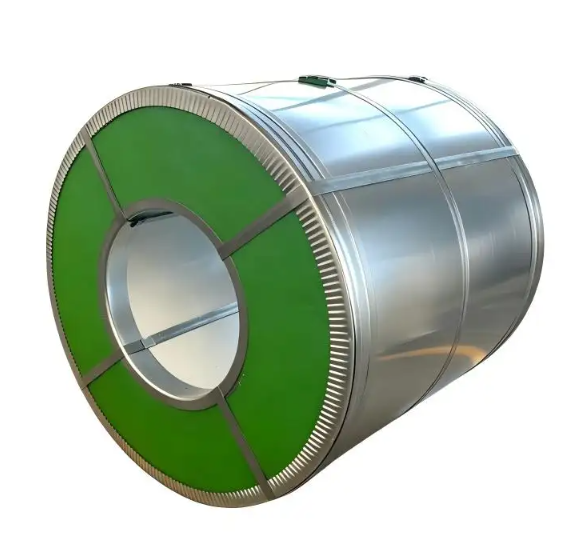
Learn why premium finish galvalume steel coil delivers better paint adhesion and visual consistency in finished building products. Request specs today.
2026/09/10
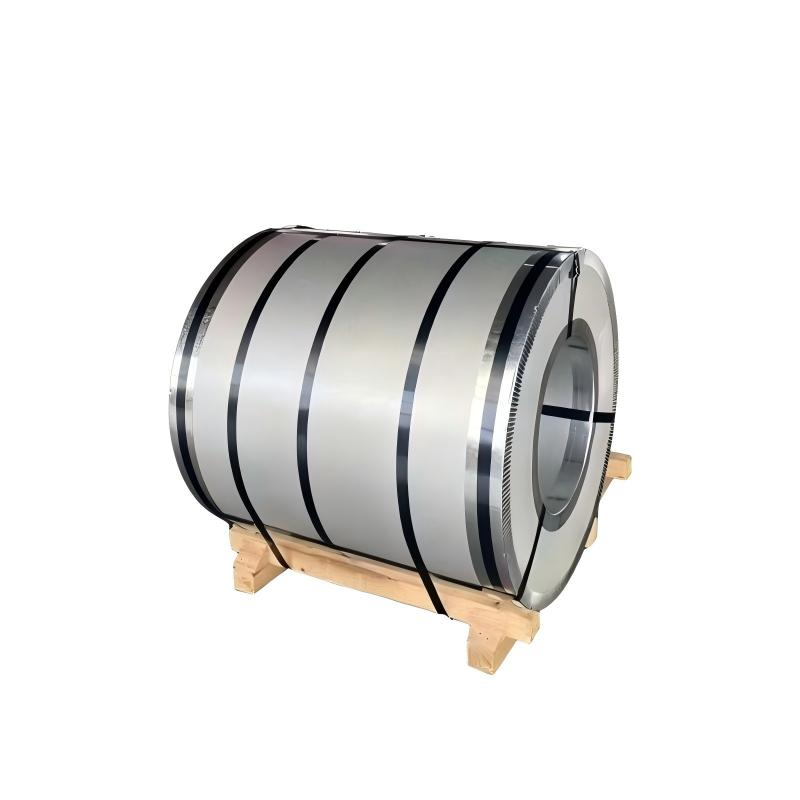
Learn why heavy coating galvalume steel coil provides superior corrosion resistance in harsh coastal settings and saves long-term maintenance costs.
2026/09/10
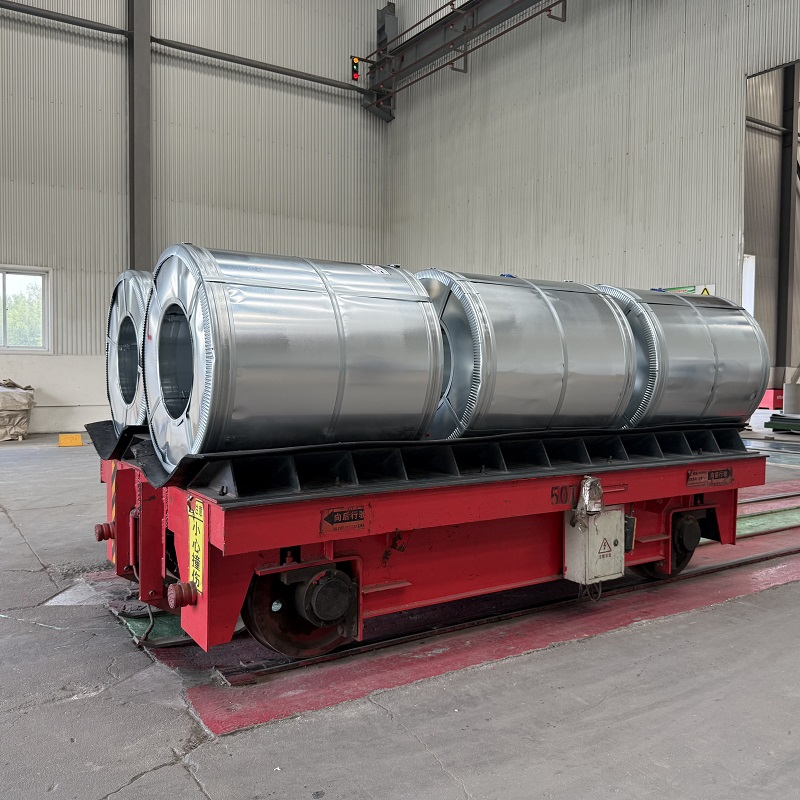
Learn how to test the bending performance of formable galvalume steel coil samples using T-bend testing to prevent cracking and scrap.
2026/09/10
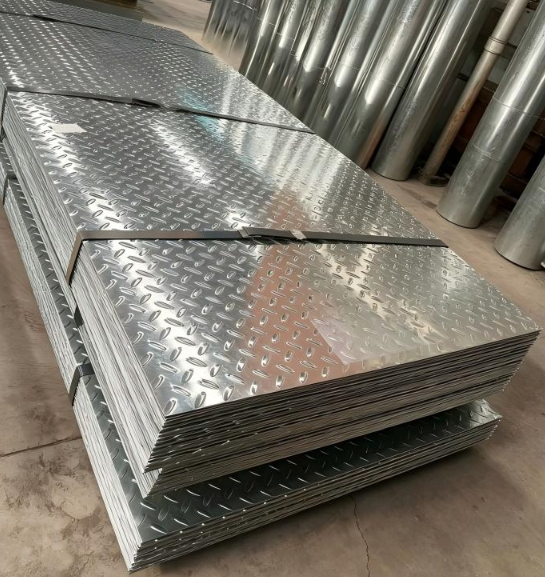
Discover how multi specification galvalume steel coil simplifies purchasing, boosts productivity, and lowers costs for metal fabricators.
2026/09/10
Discover why hot dipped galvanized steel and hot dip galvanized checkered plate offer ideal corrosion resistance and strength for road guardrails.
Covering green transformation, product comparison, selection guide, and industry empowerment, helping you fully grasp the dynamics of the color steel industry.
Global climate action and Belt and Road cooperation are driving the color steel industry’s shift toward green, sustainable development.
Comparing PPGI and PPGL across performance, durability, and applications to help you select the optimal coated steel for your project.
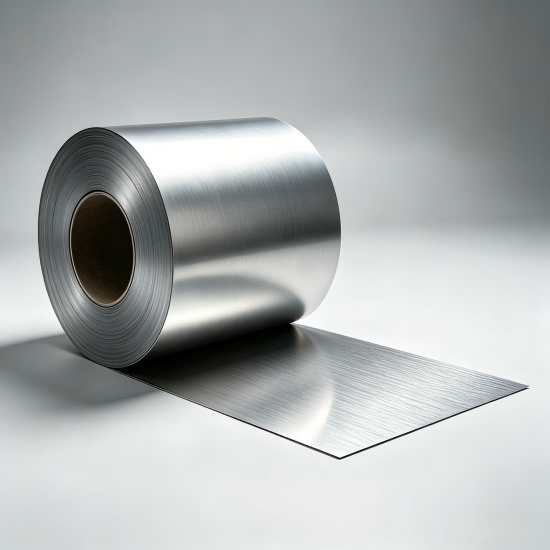
A practical guide to selecting and applying color steel coils, ensuring optimal performance, durability, and cost-effectiveness for your projects.
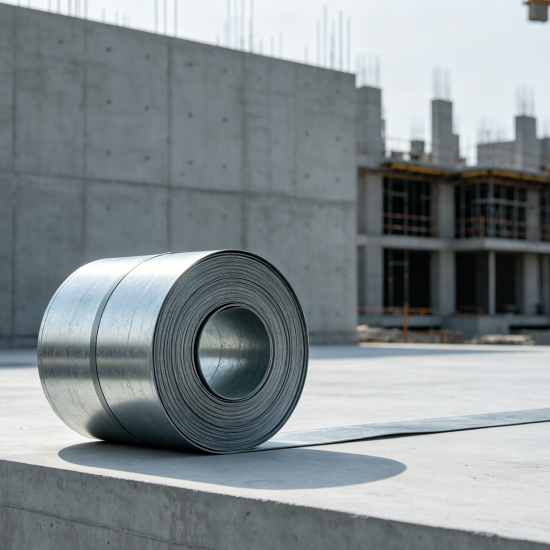
Industry forum drives digital and green transformation, empowering steel sector development through innovation and collaboration.