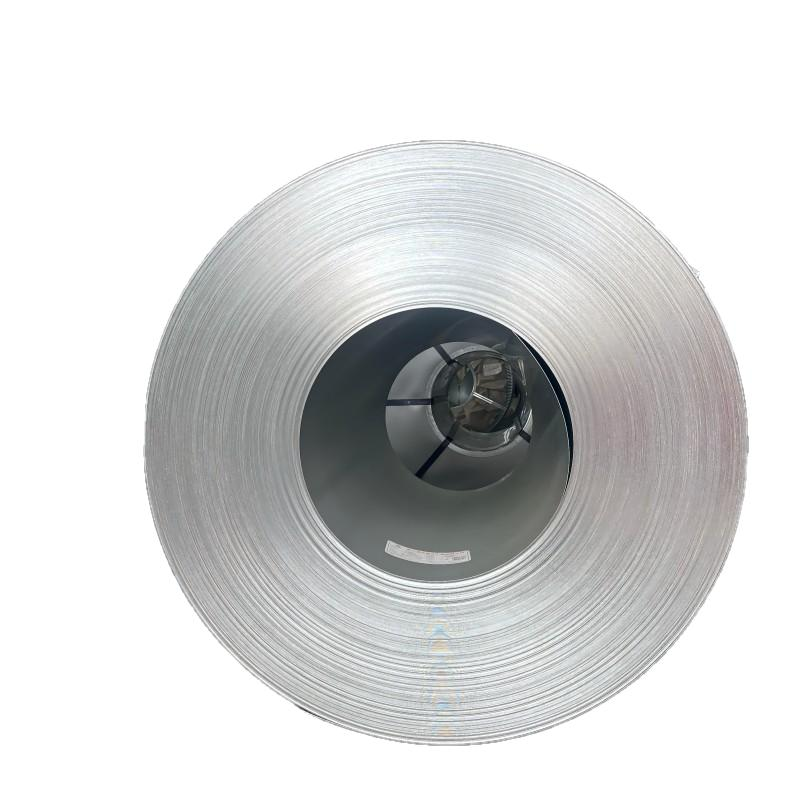
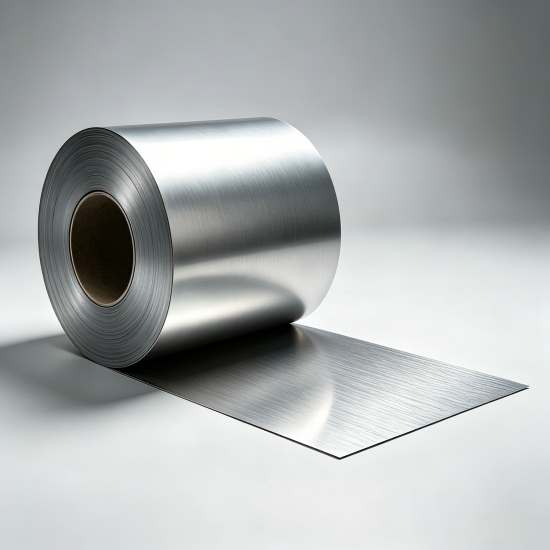
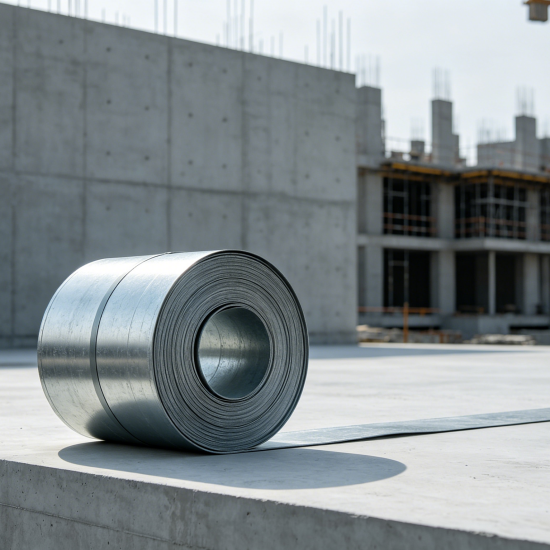
Bare metal sheets treated with aluminum-zinc alloy already offer remarkable resistance to rust and atmospheric decay. Yet, modern architectural designs, extreme weather exposure, and strict energy standards demand far more than basic structural durability. Applying a targeted organic paint system over an aluminum-zinc substrate unlocks superior weatherability, vibrant architectural aesthetics, and extended operational lifespans for high-exposure projects.
Selecting an optimized prepainted galvalume steel coil involves understanding how specialized paint chemistries interact with the metallic substrate beneath. Choosing the ideal combination ensures long-term field success for commercial roofing, wall cladding, and heavy industrial enclosures.
Multi-Layer Anatomy of Paint Systems
A high-performance organic paint finish is not just a single layer of colored liquid spread over metal. It is a carefully engineered multi-layer coating system where every individual film serves a critical protective purpose:
- Conversion Layer and Primer: Applied directly onto the chemical treatment, this 5–10 µm layer acts as a bonding agent between the metal and topcoat while adding secondary corrosion defense.
- Exterior Finish Topcoat: Facing harsh outdoor elements, this 15–35 µm outer barrier delivers color depth, gloss retention, UV blocking, and physical scratch resistance.
- Protective Backer Coat: Applied to the reverse side at 5–10 µm, this coating shields the steel from abrasion during roll-forming, handling, shipping, and stacking.
A total dry film thickness generally spans 20 to 45 µm. Specifying precise thickness parameters on a galvalume steel coil ensures that panels bend cleanly during manufacturing without peeling or delaminating.
Polyester Paint Formulation Characteristics
Standard polyester remains the workhorse paint formulation across the global coated metal market. Balance between budget limits and practical field durability makes it a frequent selection for light-duty commercial builds.
Flexible resin backbones give polyester finishes great formability, allowing tight radius bending on roll-forming machines without micro-cracking. In standard temperate regions, polyester holds color stability and surface gloss for 5 to 8 years before natural chalking starts.
Projects utilizing a prepainted galvalume steel coil with a standard polyester system suit agricultural warehouses, interior partition panels, and budget-conscious industrial sheds where aggressive UV radiation or heavy chemical pollution are absent.
Polyvinylidene Fluoride Coating Performance
When projects face relentless tropical sunlight, intense salt air along ocean coastlines, or acidic industrial emissions, Polyvinylidene Fluoride (PVDF) stands as the absolute gold standard.
Formulated with tight carbon-fluorine chemical bonds, PVDF resin systems resist chemical breakdown under intense solar radiation. A PVDF-treated galvalume steel coil routinely maintains original color fidelity and surface gloss for 20 to 25+ years without chalking or fading.
Beyond UV stability, PVDF finishes exhibit non-stick surface characteristics that resist dirt accumulation, airborne grime, and chemical fallout. While initial material costs are higher, long-term maintenance savings make PVDF the preferred specification for landmark commercial towers, airport terminals, and coastal facilities.
Silicone Modified Polyester Systems
Silicone Modified Polyester (SMP) occupies a pragmatic middle ground between standard polyester and top-tier PVDF choices.
By incorporating silicone resins into a durable polyester base, SMP coatings offer improved chalk resistance and extended color stability, usually lasting 10 to 15 years outdoors. The added silicone content creates a harder surface finish, offering high resistance to scratch damage during panel transit and installation.
However, increased surface hardness reduces resin flexibility slightly, meaning sharp 90-degree bends must be handled carefully to prevent edge cracking. Choosing SMP stock achieves a substantial coil performance upgrade for medium-duty commercial roofs and industrial siding without pushing procurement costs into premium PVDF territory.
Coating Chemistry Comparison Matrix
| System Trait |
Standard Polyester (PE) |
Silicone Modified Polyester (SMP) |
Polyvinylidene Fluoride (PVDF) |
| Outdoor Color Retention |
5 to 8 Years |
10 to 15 Years |
20 to 25+ Years |
| UV Resistance Rating |
Moderate |
Good |
Exceptional |
| Chemical & Salt Defense |
Moderate |
Good |
Outstanding |
| Surface Scratch Hardness |
Moderate |
High |
Moderate |
| Coating Flexibility |
Superior |
Moderate |
Moderate |
| Relative Investment Level |
Standard baseline |
1.3x to 1.5x baseline |
2.0x to 3.0x baseline |
| Primary Application |
Agricultural & interior |
Industrial & logistics |
Coastal & landmark architecture |
Matching resin chemistry to site environmental conditions prevents premature fading, rust spots, and unexpected building maintenance down the road.
Advanced Functional and Aesthetic Surface Coatings
Modern coil coating line technologies extend well beyond simple decorative color palettes. Adding specialized functional additives during the liquid coating phase delivers distinct performance advantages:
- Cool Roof Reflective Pigments: Infrared-reflective pigments bounce solar heat away from building roofs, lowering surface temperatures by 10°C to 15°C and reducing summer cooling expenses.
- Anti-Graffiti Surface Coatings: Clear topcoats create smooth, non-porous barriers that allow spray paint and markers to be washed away with basic solvents without damaging underlying paint layers.
- Anti-Microbial Formulations: Inorganic silver-ion additives embedded within the finish inhibit bacterial growth, making panels suitable for food processing plants and medical cleanrooms.
- Textured and Patterned Prints: Specialized printing techniques replicate natural timber, slate, or brushed granite surfaces while retaining structural steel durability.
Implementing a targeted color coating treatment transforms simple metallic sheets into multi-functional architectural panels tailored to exact operational environments.
Achieving Envelope Reliability Through Supply Excellence
Upgrading metal building envelopes requires a seamless combination of superior resin chemistries, precise substrate selection, and controlled factory curing. Improper curing temperatures or uneven paint thickness can lead to surface blistering, poor adhesion, and early field failure.
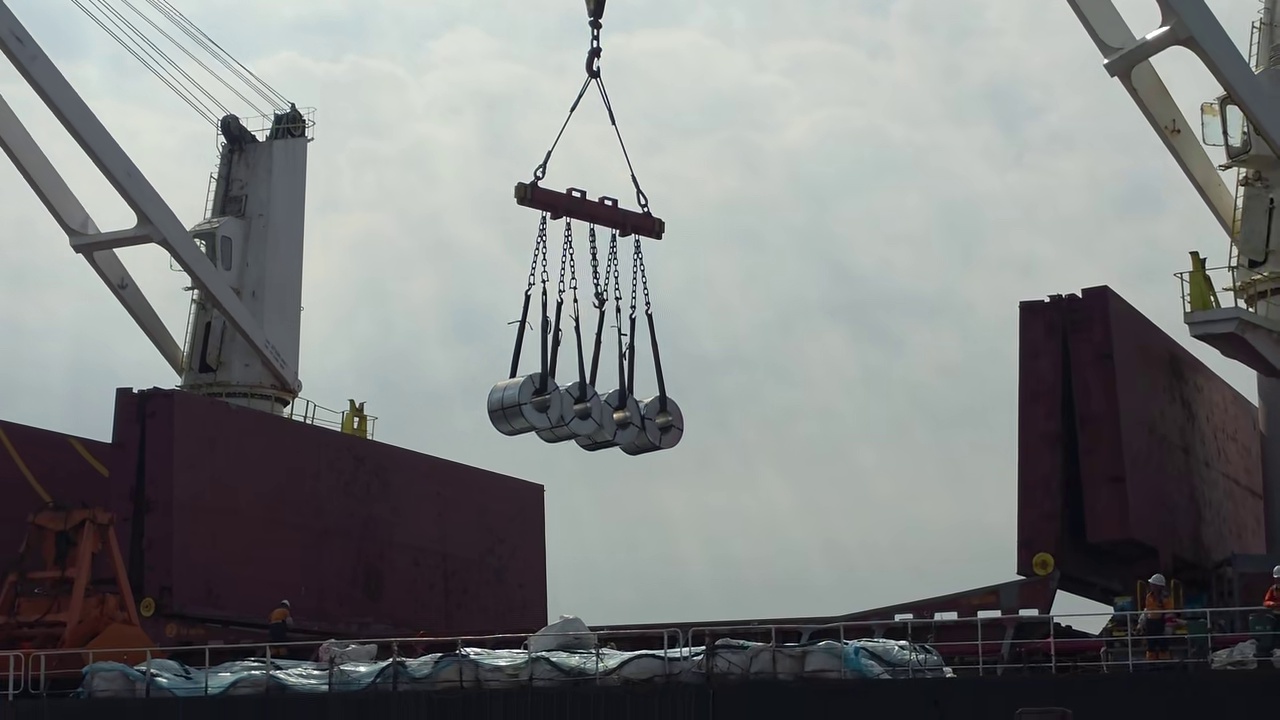
Partnering with an experienced supply partner simplifies technical selection, guarantees uniform paint film thickness, and ensures reliable project timelines. Sourcing through established international supply channels gives builders access to high-grade prepainted galvalume steel coil products optimized for severe weathering, continuous roll-forming, and long design lifespans. Integrated supply services managed by Shenyang Yuanhe Steel fulfill this role, delivering verified material quality, custom paint color matching, and dependable global logistics to support demanding architectural projects worldwide.
 EN