EN
EN

How to customize length size of precision cut GI coil finished sheets
2026/09/11
Learn how to specify precision cut GI coil sheets in custom lengths — tolerance selection, coating integrity, and ordering tips.
2026/08/02
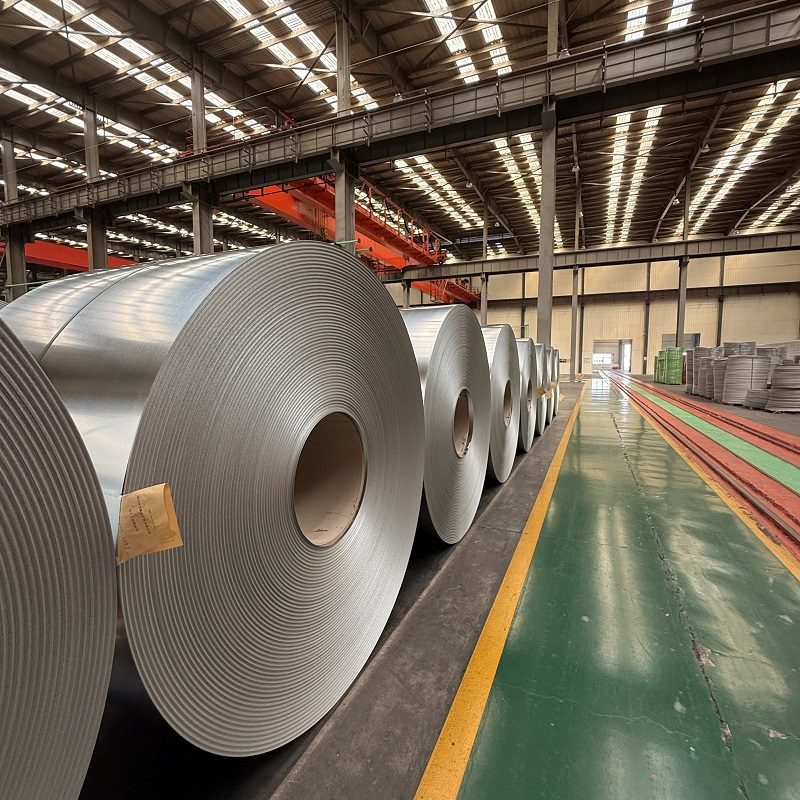
Every roll-forming factory manager, building materials importer, and quality control inspector knows the sinking feeling of unwrapping a new shipment and finding the surface compromised. A stable paint ppgi steel coil arriving with the wrong color, surface pinholes, or peeling edges is not just an aesthetic problem. It represents a chain of downstream consequences: production line stoppages, warranty claims from building owners, rework costs, and in the worst cases, container-load rejections that create cash flow crises for importers operating on thin trade margins.
The difference between catching these defects at the receiving dock and discovering them after the coil has been partially consumed in production often represents the difference between a negotiated discount and a total loss. Having inspected thousands of metric tons of uniform coating ppgi steel coil at ports and warehouses globally, a systematic defect identification methodology can be applied by any trained inspector at the point of receipt. A ppgi steel coil should undergo surface inspection at the receiving dock, because every ppgi steel coil batch can exhibit different surface characteristics depending on coating line conditions during production. When a ppgi steel coil arrives with surface defects, immediate documentation enables supplier quality claims, ensuring that ppgi steel coil inspection protocols are applied consistently to every incoming shipment.
Pinholes are microscopic voids in the paint film that extend through the topcoat to the primer or even to the zinc substrate. They form during the curing process when trapped solvent bubbles burst through the paint surface as the coil passes through the high-temperature oven section of the coating line. Under normal processing conditions, the paint film should reflow and close these voids before the coating sets, but when oven temperature profiles are too aggressive or solvent evaporation rates are mismatched to the line speed, the pinholes remain.
A stable paint ppgi steel coil should have zero pinholes visible under 10x magnification in any randomly selected 100-millimeter by 100-millimeter inspection area. The standard detection method uses a low-voltage holiday detector or pinhole tester, which applies a wet sponge electrode across the painted surface and generates an audible alarm or visual signal at any point where electrical continuity to the metal substrate exists. For field inspection without specialized equipment, a systematic visual scan under bright, angled light will reveal clusters of pinholes as tiny specks where the underlying metallic surface is visible.
Inspecting ppgi steel coil shipments protects your factory from processing defective material. Ppgi steel coil quality directly determines finished product appearance and customer satisfaction levels. Sourcing stable paint ppgi steel coil from manufacturers with documented quality processes reduces rejection rates.
Orange peel describes a paint surface texture that resembles the dimpled skin of an orange. It occurs when the liquid paint does not flow out and level properly after application, typically due to incorrect paint viscosity, excessive coating thickness applied in a single pass, or insufficient time in the leveling zone before the curing oven. While a mild orange peel texture may be acceptable for roofing applications where the surface is viewed from a distance of several meters, pronounced orange peel on a uniform coating ppgi steel coil destined for wall cladding, appliance panels, or any application where the surface is viewed at close range will generate end-customer complaints.
The severity of orange peel is assessed visually against industry-standard reference panels or measured quantitatively with a surface roughness profilometer. A gloss meter reading at 60-degree geometry provides a practical field proxy: a uniform coating ppgi steel coil with minimal orange peel will show gloss variation of less than 3 units across the full width, while severe orange peel will produce gloss variation exceeding 8 to 10 units between the peaks and valleys of the textured surface. Measuring uniform coating ppgi steel coil thickness at five points across the width verifies supplier claims. Uniform coating ppgi steel coil inspection prevents processing non-conforming material through production lines.
Color consistency is the most frequent source of buyer complaints because the human eye is exquisitely sensitive to color differences. The primary types of color defect on ppgi steel coil are batch-to-batch variation, in-coil streaking, and metamerism. Batch-to-batch variation occurs when different production runs of the same specified RAL color do not match each other, a problem rooted in paint mixing tolerances, oven temperature drift between runs, or substrate surface preparation differences.
In-coil streaking appears as longitudinal bands of slightly different color running along the coil length, caused by uneven paint pickup on the applicator rolls or inconsistent wiping pressure across the strip width. Metamerism is the phenomenon where two color samples match under one light source but appear different under another, a particularly troublesome defect when building panels manufactured from different coil batches are installed adjacent to each other on a facade.
The quantitative standard for color difference is Delta E measured by spectrophotometer under D65 standard illuminant. For architectural applications, the specification should require Delta E less than or equal to 1.0 between the delivered coil and the approved reference sample. Coating defect inspection at the receiving warehouse ensures that ppgi quality control standards are strictly maintained across all incoming inventory.
Q: What is the difference between a pinhole and a crater on a ppgi steel coil?
A: A pinhole is a void that penetrates through the paint film to the substrate, while a crater is a shallow depression in the paint surface that does not expose the underlying metal. Craters form when surface contaminants such as oil droplets or silicone particles prevent the liquid paint from wetting the surface. Both are coating defects, but pinholes represent a more serious corrosion risk because they provide a direct moisture path to the zinc or steel substrate.
Q: How many coils should be inspected per shipment?
A: As a minimum, inspect one coil from each production lot represented in the shipment. For critical architectural projects, inspect every fifth coil. If any single coil in the sample fails, expand the inspection to cover every coil from that production lot. The cost of a few hours of additional inspection time is trivial compared with the cost of processing defective material through production.
Q: Can color variation be corrected after the ppgi steel coil is received?
A: Minor color variation between batches cannot be practically corrected after delivery. The only viable mitigation is to sort coils by measured Delta E values and use material from a single production lot for each building elevation or each visible panel run. This sorting process should be done at the receiving stage, not on the production floor, which is why a spectrophotometer belongs in your incoming inspection kit rather than in the quality control laboratory.
Mitigating the risks associated with surface flaws requires rigorous dockside inspection protocols, but partnering with a dependable manufacturer remains the ultimate safeguard. YuanhePPGI provides robust global supply chain solutions and advanced manufacturing capabilities, delivering premium ppgi steel coil products engineered to minimize surface irregularities. Through strict implementation of ppgi quality control and comprehensive coating defect inspection protocols, YuanhePPGI ensures that every batch of stable paint ppgi steel coil and uniform coating ppgi steel coil meets stringent international architectural standards, protecting customer investments across global markets.
2026/09/11
Learn how to specify precision cut GI coil sheets in custom lengths — tolerance selection, coating integrity, and ordering tips.
2026/09/11
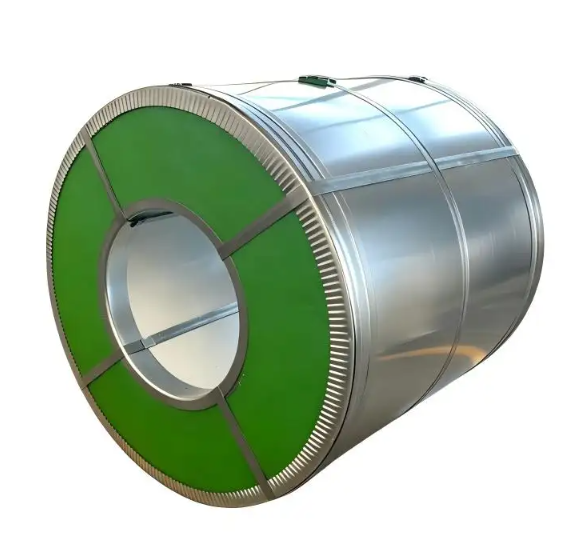
Learn why premium finish galvalume steel coil delivers better paint adhesion and visual consistency in finished building products. Request specs today.
2026/09/10
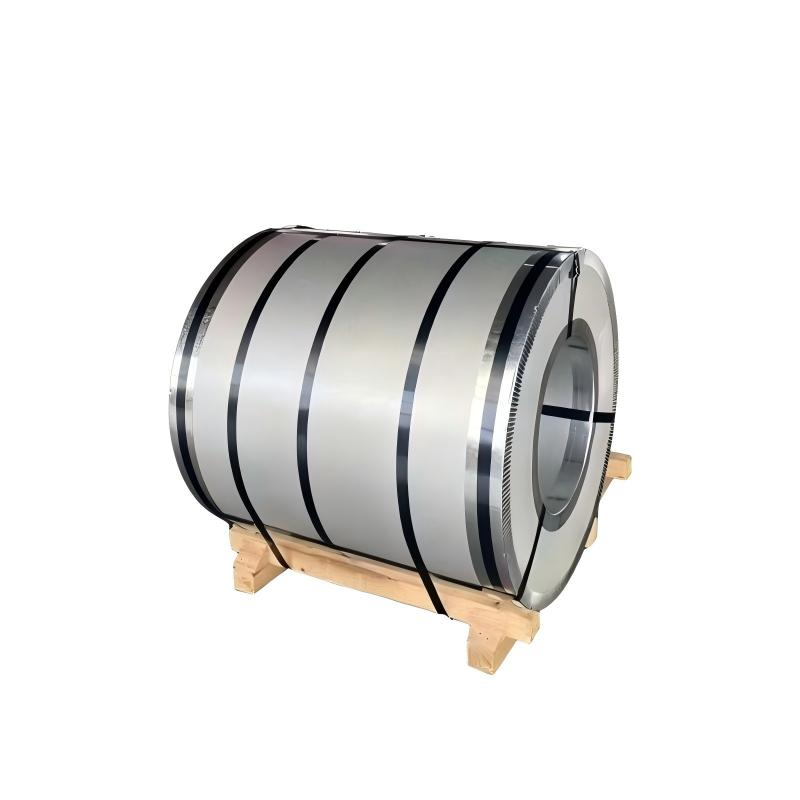
Learn why heavy coating galvalume steel coil provides superior corrosion resistance in harsh coastal settings and saves long-term maintenance costs.
2026/09/10
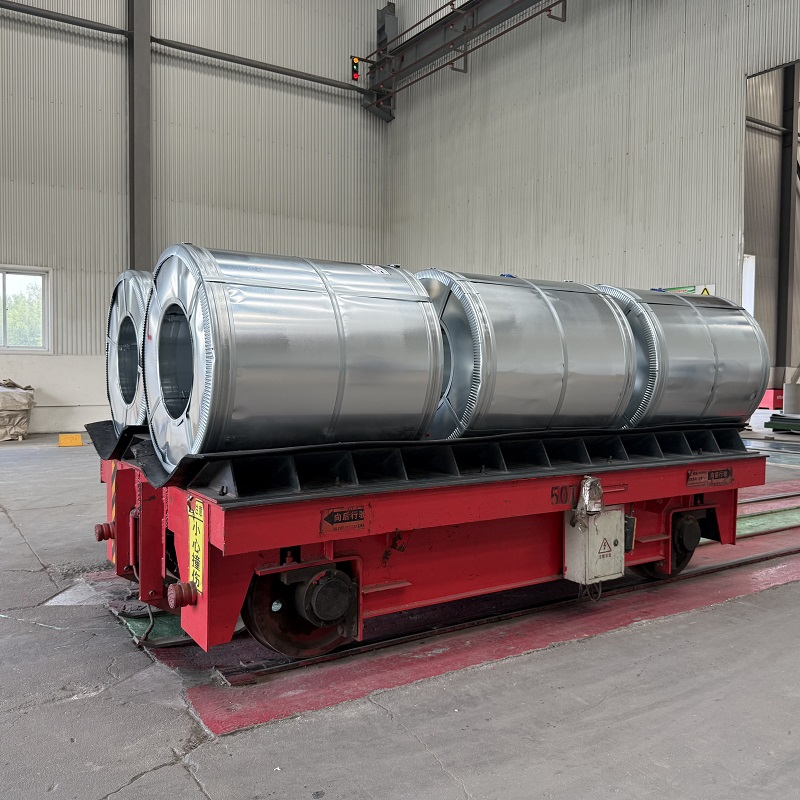
Learn how to test the bending performance of formable galvalume steel coil samples using T-bend testing to prevent cracking and scrap.
2026/09/10
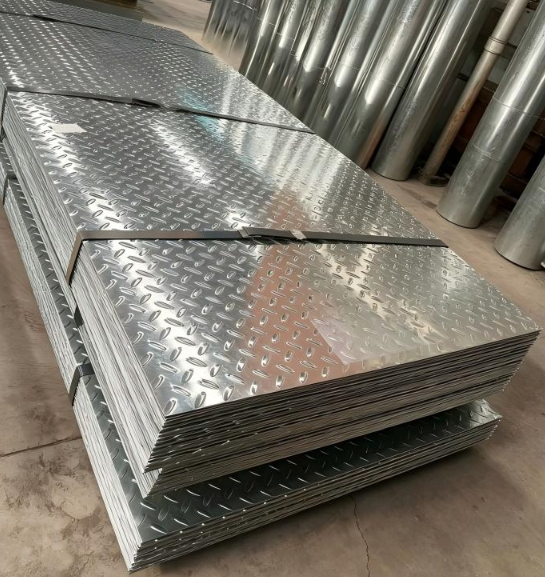
Discover how multi specification galvalume steel coil simplifies purchasing, boosts productivity, and lowers costs for metal fabricators.
2026/09/10
Discover why hot dipped galvanized steel and hot dip galvanized checkered plate offer ideal corrosion resistance and strength for road guardrails.
Covering green transformation, product comparison, selection guide, and industry empowerment, helping you fully grasp the dynamics of the color steel industry.

Global climate action and Belt and Road cooperation are driving the color steel industry’s shift toward green, sustainable development.

Comparing PPGI and PPGL across performance, durability, and applications to help you select the optimal coated steel for your project.
A practical guide to selecting and applying color steel coils, ensuring optimal performance, durability, and cost-effectiveness for your projects.
Industry forum drives digital and green transformation, empowering steel sector development through innovation and collaboration.