EN
EN

How to customize length size of precision cut GI coil finished sheets
2026/09/11
Learn how to specify precision cut GI coil sheets in custom lengths — tolerance selection, coating integrity, and ordering tips.
2026/08/18
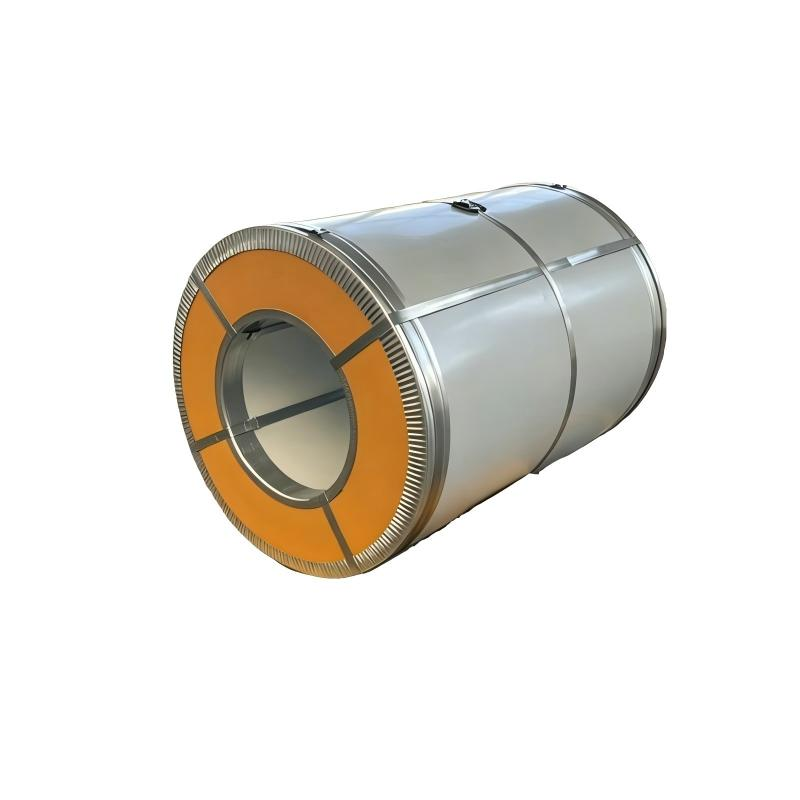
Choosing the right zinc coating weight for a prepainted galvanized steel coil is not just a minor manufacturing detail. It is the single most important factor determining how long the material will survive in its final environment. Across projects in Southeast Asia, the Middle East, and coastal Africa, thin substrates often fail within a few years, while heavier coatings last over two decades. The real difference is not just the paint system; it is the underlying zinc layer.
Zinc acts as a sacrificial barrier. When moisture, oxygen, and chlorides reach the steel substrate, zinc corrodes first, protecting the base metal underneath. A heavy zinc coating gi coil delivers significantly higher grams per square meter of zinc, multiplying the protective capacity compared to standard coatings. Understanding where each coating weight belongs is the foundation of durable steel sourcing.
Tropical climates combine high humidity, frequent rainfall, and warm temperatures that accelerate electrochemical corrosion dramatically. In regions like Indonesia, the Philippines, and southern Thailand, a prepainted galvanized steel coil with thin zinc layers starts showing red rust at cut edges and fastener points within a few years. For these regions, industry standards recommend higher zinc levels for roofing, wall cladding, and any structural exposure where premature replacement proves costly.
Coastal zones represent the harshest environment for any coated steel. Salt spray deposits sodium chloride directly onto the surface, and chloride ions are uniquely aggressive in penetrating paint films. Within 500 meters of a coastline, corrosion rates skyrocket. A heavy zinc coating gi coil is essential here. Even with a high-quality paint system, the zinc layer underneath is what prevents undercut corrosion when the paint film suffers micro-scratches from installation or debris impact.
Industrial areas with high concentrations of sulfur dioxide and acidic precipitation create a corrosive atmosphere that attacks zinc through acidification. Steel roofing and wall panels near chemical plants, steel mills, and petrochemical facilities degrade much faster than in natural climates. For these zones, robust galvanized steel with heavier zinc layers is recommended, combined with thicker paint films and regular maintenance.
Arid climates are generally forgiving for prepainted galvanized steel coil because low humidity and minimal rainfall keep corrosion rates naturally low. However, one important exception exists: desert areas near coastlines, such as the Arabian Gulf, where salt-laden humid air combines with high temperatures. In these hybrid zones, upgrading the zinc coating weight prevents unexpected degradation.
Tropical humid zone: Heavy zinc layers are vital for roofing and cladding to withstand year-round rain and moisture.
Coastal marine zone: Maximum zinc protection is mandatory for all exterior exposures within five kilometers of a coastline.
Heavy industrial zone: Enhanced zinc layers paired with premium paint systems provide necessary resistance against chemical pollution.
Arid desert zone: Standard lower zinc weights suffice inland, but coastal desert margins require upgraded protection.
Temperate continental zone: Moderate zinc specifications manage seasonal rainfall and changing humidity levels effectively.
Cold continental zone: Heavier coatings protect against severe winters and road de-icing salt exposure.
When sourcing a prepainted galvanized steel coil for a demanding climate, verifying specifications before placing an order prevents costly failures:
Confirm the exact zinc coating weight in grams per square meter rather than relying solely on micron thickness descriptions.
Verify coating standard compliance by requesting mill test certificates showing international conformance for the specific zinc weight ordered.
Specify the paint system to match the climate: regular polyester for moderate zones, high-durability options for high-UV and industrial zones, and specialized fluoropolymers for coastal projects.
Request proper edge protection on cut-to-length and slit coils since exposed edges represent the first failure point in corrosive environments.
Confirm the substrate is cold-rolled based steel, as hot-rolled alternatives carry surface defects that reduce coating adhesion.
Require a multi-tier quality control report covering raw material inspection, in-process coating weight verification, and final pre-shipment testing.
Ask for salt spray test data matching the specific coating specification to guarantee long-term performance under extreme conditions.
A logistics company building a major warehouse complex in a high-humidity monsoon region recently evaluated material specifications for their roofing requirements. Initial plans called for a standard prepainted galvanized steel coil with minimal zinc protection based on short-term cost optimization. After reviewing local climate data and a 25-year building design life requirement, engineers advised upgrading to a heavy zinc coating gi coil paired with a durable paint system.
Although the upgrade involved a minor cost premium, the projected service life increased dramatically from under a decade to over twenty years before major maintenance. Sourcing from established manufacturers like Shenyang Yuanhe Steel ensures access to extensive persistent stock and reliable global supply chain services, allowing large-scale orders to ship within tight lead windows and keeping complex construction schedules entirely on track.
For any roofing within 5 km of a coastline, use heavy zinc layers as a minimum. Direct marine exposure requires robust galvanized steel combined with advanced paint systems and sealed cut edges to prevent premature red rust.
Request a mill test certificate from the producing mill stating the coating mass in grams per square meter. Buyers can also perform strip and weigh tests or use magnetic gauges calibrated to the specific coating range provided by dependable manufacturing partners.
2026/09/11
Learn how to specify precision cut GI coil sheets in custom lengths — tolerance selection, coating integrity, and ordering tips.
2026/09/11
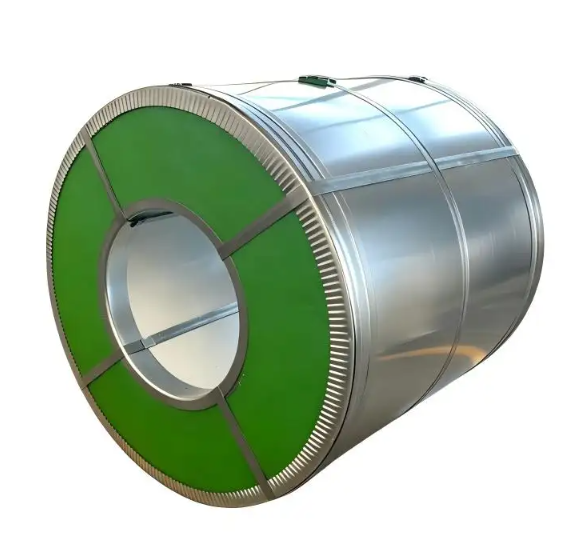
Learn why premium finish galvalume steel coil delivers better paint adhesion and visual consistency in finished building products. Request specs today.
2026/09/10
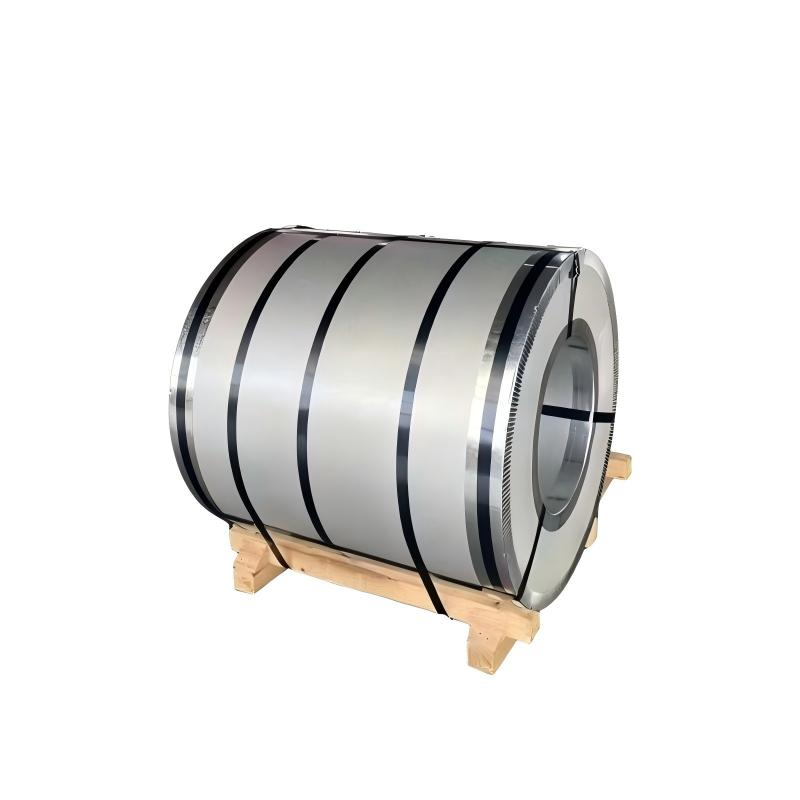
Learn why heavy coating galvalume steel coil provides superior corrosion resistance in harsh coastal settings and saves long-term maintenance costs.
2026/09/10
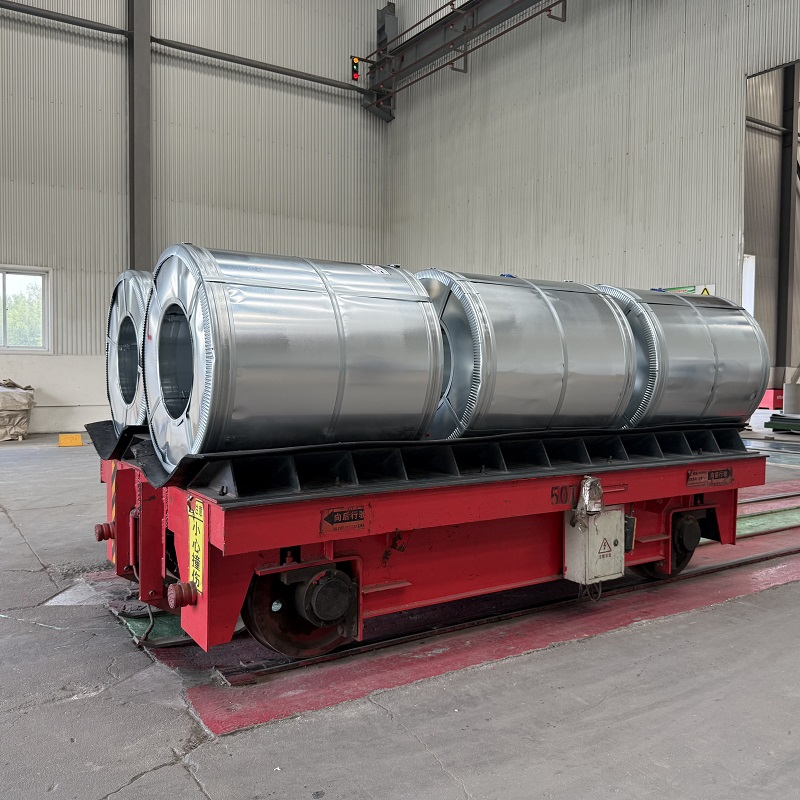
Learn how to test the bending performance of formable galvalume steel coil samples using T-bend testing to prevent cracking and scrap.
2026/09/10
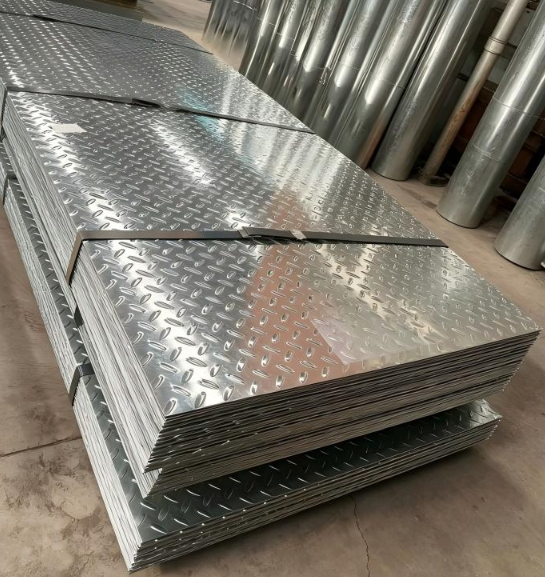
Discover how multi specification galvalume steel coil simplifies purchasing, boosts productivity, and lowers costs for metal fabricators.
2026/09/10
Discover why hot dipped galvanized steel and hot dip galvanized checkered plate offer ideal corrosion resistance and strength for road guardrails.
Covering green transformation, product comparison, selection guide, and industry empowerment, helping you fully grasp the dynamics of the color steel industry.
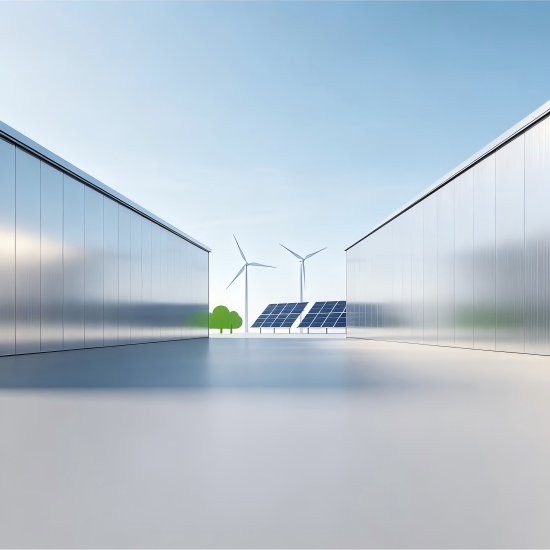
Global climate action and Belt and Road cooperation are driving the color steel industry’s shift toward green, sustainable development.

Comparing PPGI and PPGL across performance, durability, and applications to help you select the optimal coated steel for your project.
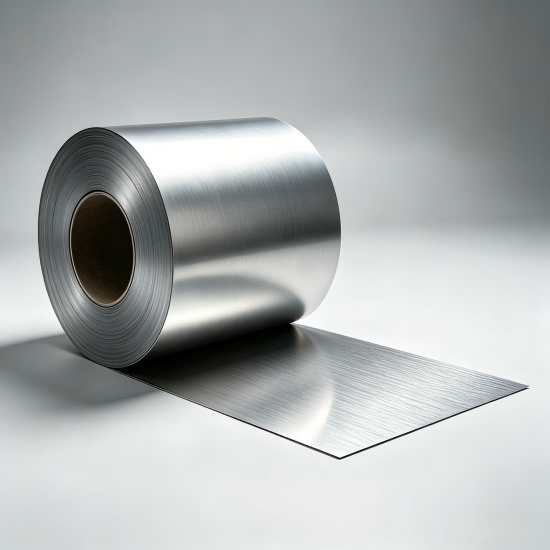
A practical guide to selecting and applying color steel coils, ensuring optimal performance, durability, and cost-effectiveness for your projects.
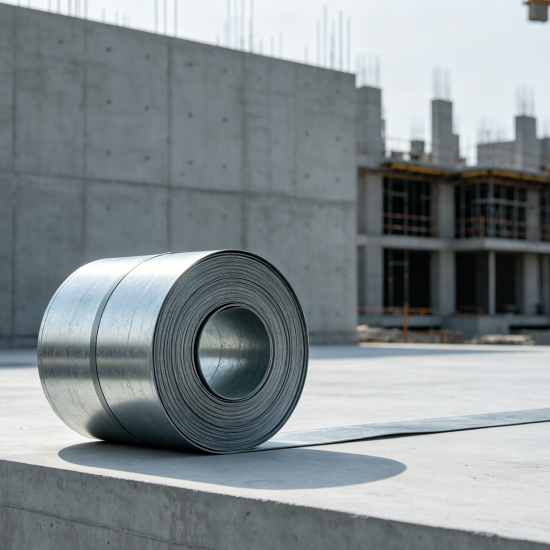
Industry forum drives digital and green transformation, empowering steel sector development through innovation and collaboration.