EN
EN

How to customize length size of precision cut GI coil finished sheets
2026/09/11
Learn how to specify precision cut GI coil sheets in custom lengths — tolerance selection, coating integrity, and ordering tips.
2026/07/18
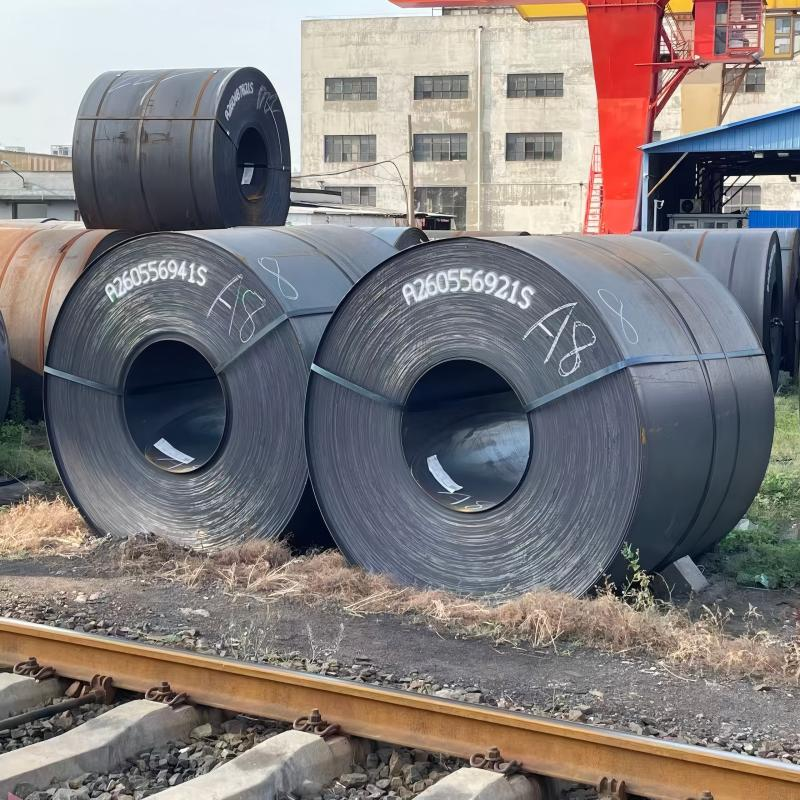
In the global trade of galvanized steel products, certifications serve as the essential bridge between manufacturer capability and buyer confidence. For GI coil exported to international markets, certifications fulfill three critical functions: they verify that the manufacturer operates a recognized quality management system for galvanized steel production, they confirm that the GI coil product meets specific technical standards, and they provide traceability documentation that satisfies customs and regulatory requirements in destination countries. ISO certified GI coil, manufactured under a documented quality management system, provides buyers with assurance that production processes for galvanized steel are controlled, defects are detected and corrected, and material specifications are consistently met across GI coil production batches. The absence of proper certifications can result in customs delays, rejected GI coil shipments, liability for non-conforming galvanized steel products, and exclusion from government procurement projects that mandate certified materials. For buyers in emerging markets who may lack the resources to conduct independent factory audits, certifications serve as a proxy for direct quality verification, making them an indispensable element of the supplier evaluation process for hot dipped galvanized coil procurement.
ISO 9001 certification is the foundational quality management credential for GI coil manufacturers, demonstrating that the supplier has implemented a systematic approach to quality control encompassing design, production, inspection, and continuous improvement processes for galvanized steel. For ISO certified GI coil production, the quality management system covers raw material verification, coating line process control, dimensional inspection, coating weight testing, surface defect monitoring, packaging standards, and documentation management for hot dipped galvanized coil. The certification audit, conducted by an accredited third-party registrar, evaluates the manufacturer's documented procedures against the ISO 9001 standard requirements and verifies implementation through facility inspections, record reviews, and employee interviews. Certification is maintained through annual surveillance audits and recertification every three years, ensuring ongoing compliance rather than a one-time assessment. For buyers sourcing hot dipped galvanized coil from overseas suppliers, ISO 9001 certification provides confidence that the manufacturer has the organizational infrastructure to produce consistent quality, even when the buyer cannot maintain a permanent presence at the factory. However, ISO 9001 certifies the management system, not the product itself, and should be complemented by product-specific certifications and test documentation for complete quality assurance.
Product standard compliance certifications confirm that GI coil meets specific technical requirements for chemical composition, mechanical properties, coating weight, dimensional tolerances, and surface quality. Three standards dominate the international galvanized steel trade. ASTM A653 is the primary standard for the North American market, defining grades such as CS Type A and B, FS Type A and B, and SS grades 33 through 80, with coating designations from A25 to A75 (Z70 to Z275 in metric). JIS G3302 is the Japanese standard widely accepted in Asian markets, defining grades such as SGCC, SGC340, SGC400, SGC440, SGC490, and SGC570, with coating classes from Z06 to Z275. EN 10346 is the European standard, defining grades from DX51D to DX57D and structural grades S220GD to S550GD, with coating masses from Z100 to Z600. A manufacturer capable of producing hot dipped galvanized coil to all three standards demonstrates versatility and market reach, as different destination markets and end-use applications require compliance with specific standards for GI coil. Product certifications typically include test reports from accredited laboratories confirming that sample products meet the specified grade requirements, and may include type approval certificates from recognized certification bodies.
Mill test certificates (MTC), also known as material test reports or certificates of conformance, are the primary documentation supporting GI coil quality claims and are mandatory for most international galvanized steel shipments. An MTC for ISO certified GI coil should include the manufacturer's name and address, purchase order number, GI coil product description including grade and dimensions, heat number or batch number, chemical composition analysis results, mechanical property test results including yield strength, tensile strength, and elongation, coating weight test results for both surfaces of the hot dipped galvanized coil, and reference to the applicable product standard. The MTC must be signed by an authorized representative of the manufacturer and should reference the specific production batch or heat number that corresponds to the markings on each coil. Material traceability is maintained through these heat numbers, which allow buyers to trace any coil back to the specific steel melt, casting sequence, and coating line production run. For hot dipped galvanized coil used in structural, automotive, or pressure-containing applications, traceability is not merely a quality convenience but a regulatory requirement. EN 10204 type 3.1 certificates, which require the manufacturer's authorized inspection representative independent of the production department to validate test results, are the most commonly requested certification level for international GI coil trade.
CE marking is required for construction-grade GI coil products sold in the European Economic Area, demonstrating compliance with the European Construction Products Regulation for galvanized steel. For hot dipped galvanized coil used in structural applications such as roofing, wall cladding, and structural sections, CE marking requires the manufacturer to declare product performance characteristics including yield strength, tensile strength, elongation, impact toughness, and coating mass for GI coil, as defined in the harmonized standard EN 10346. The CE marking process involves initial type testing by a notified body, factory production control system implementation, and ongoing factory audit by the certification body. Beyond CE marking, specific countries may impose additional certification requirements. For example, GCC countries require SASO certification for imported steel products, Nigeria requires SONCAP certification, and some South American countries require import licenses with pre-shipment inspection verification. For manufacturers exporting ISO certified GI coil to multiple international markets, maintaining a portfolio of regional certifications is essential for market access and regulatory compliance. Suppliers with established export experience and comprehensive certification coverage can help buyers navigate the complex regulatory landscape and ensure smooth customs clearance in destination markets.
A steel distributor recently sourced 300 metric tons of GI coil from a manufacturer for distribution to three different markets: 120 tons of galvanized steel for a construction project in the European Union, 100 tons of hot dipped galvanized coil for an industrial project in Saudi Arabia, and 80 tons of GI coil for an agricultural building project in Indonesia. The EU shipment required EN 10346 compliance with DX51D+Z grade, Z275 coating, CE marking, and EN 10204 type 3.1 mill test certificates. The Saudi shipment required ASTM A653 compliance with SS Grade 40, Z275 coating, and SASO conformity certification with pre-shipment inspection. The Indonesian shipment required JIS G3302 compliance with SGCC grade, Z275 coating, and SNI certification for construction materials. By selecting a manufacturer with ISO 9001 certification, multi-standard production capability, and established experience with international export documentation, the distributor was able to source all three specifications from a single supplier and received properly certified documentation for each destination market. The manufacturer provided separate mill test certificates for each shipment batch, with heat number traceability linking the documentation to the physical coil markings. This case demonstrates that certification capability is a critical supplier selection criterion for buyers serving multiple international markets, and manufacturers with comprehensive certification coverage and robust documentation systems provide significant value in streamlining multi-market procurement operations.
What is the difference between EN 10204 type 2.2 and type 3.1 certificates?
EN 10204 type 2.2 is a certificate of compliance based on non-specific inspection, where the manufacturer declares that the products meet the specified requirements based on production records. Type 3.1 is a more rigorous certificate based on specific inspection, where test results are validated by the manufacturer's authorized inspection representative who is independent of the production department, and must include actual test values for each delivery batch.
Is ISO 9001 certification mandatory for exporting GI coil?
ISO 9001 certification is not legally mandatory for GI coil export in most countries, but it is increasingly required by buyers as a supplier prequalification criterion. Many government procurement projects, large construction projects, and multinational corporations require ISO 9001 certification as a minimum supplier qualification. Without it, suppliers may be excluded from significant market segments.
How can I verify the authenticity of mill test certificates for GI coil shipments?
Mill test certificates can be verified by cross-referencing the heat numbers and test results with the physical markings on each coil, requesting certificates directly from the manufacturer rather than through intermediaries, and conducting independent third-party testing of sample material to confirm that the actual properties match the documented values. For critical applications, buyers should also verify the manufacturer's ISO certification status through the certification body's online database.
2026/09/11
Learn how to specify precision cut GI coil sheets in custom lengths — tolerance selection, coating integrity, and ordering tips.
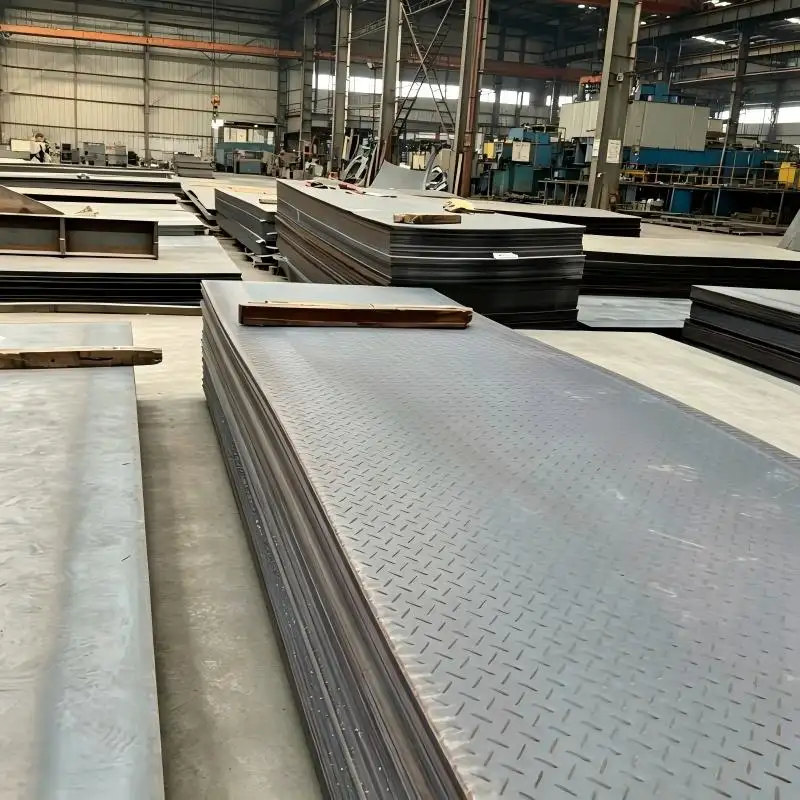
2026/09/11
Learn why premium finish galvalume steel coil delivers better paint adhesion and visual consistency in finished building products. Request specs today.
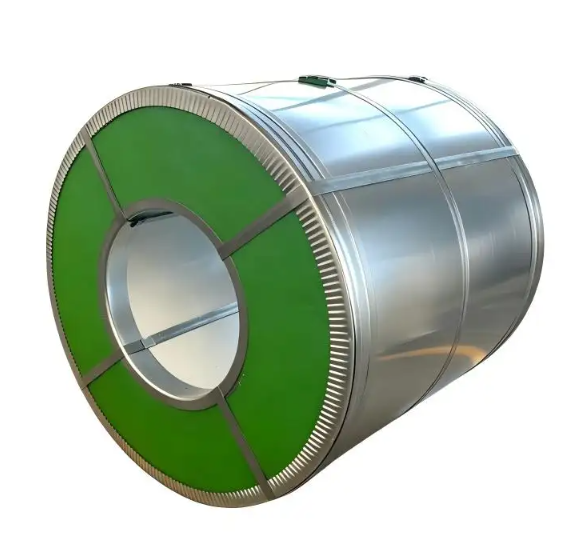
2026/09/10
Learn why heavy coating galvalume steel coil provides superior corrosion resistance in harsh coastal settings and saves long-term maintenance costs.
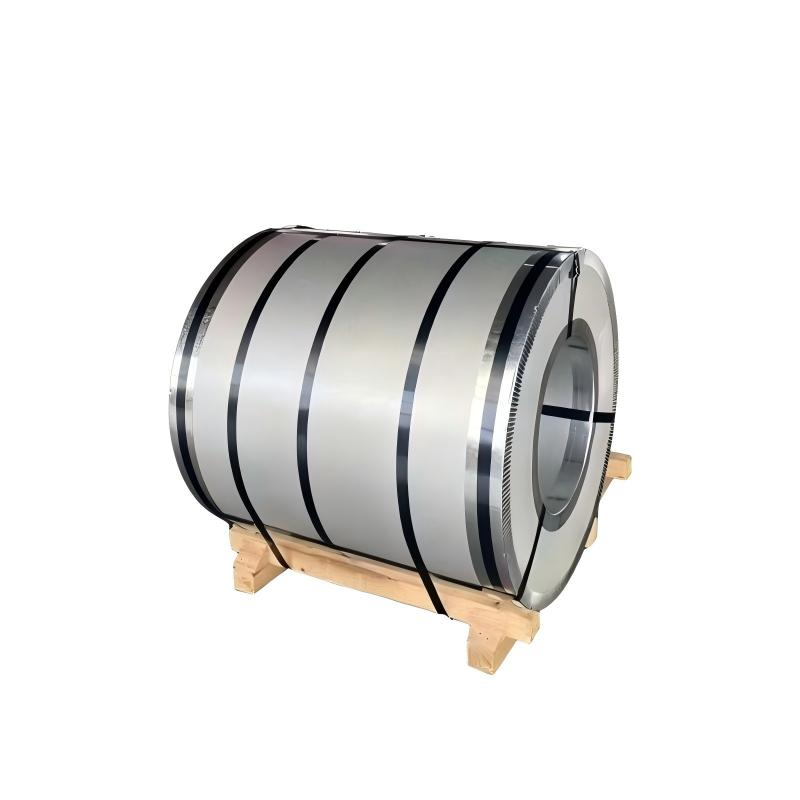
2026/09/10
Learn how to test the bending performance of formable galvalume steel coil samples using T-bend testing to prevent cracking and scrap.
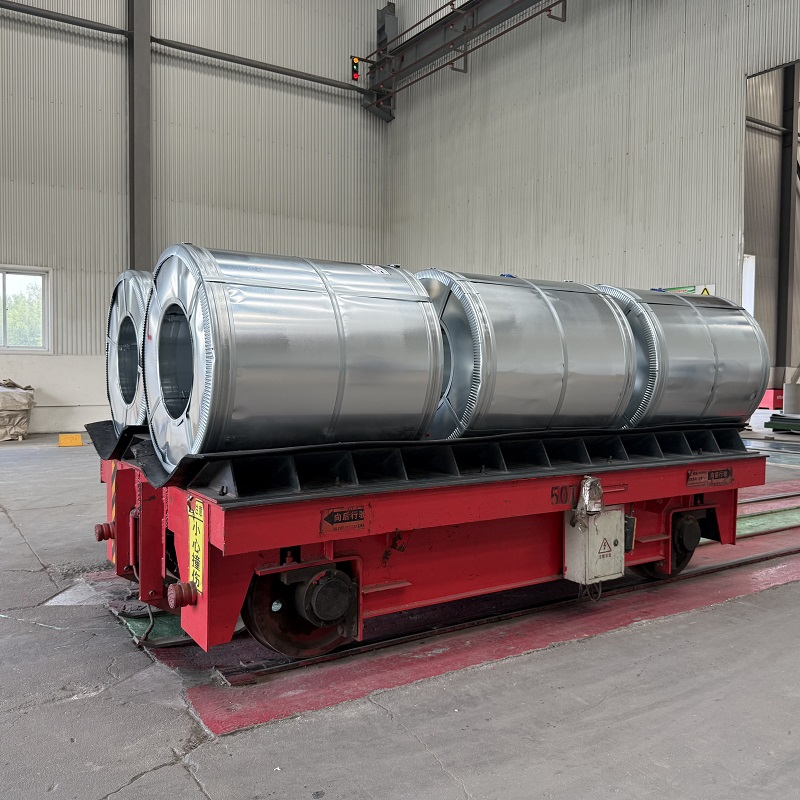
2026/09/10
Discover how multi specification galvalume steel coil simplifies purchasing, boosts productivity, and lowers costs for metal fabricators.
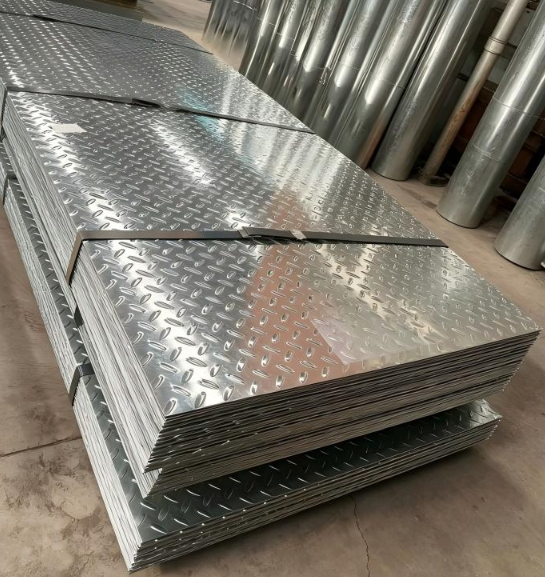
2026/09/10
Discover why hot dipped galvanized steel and hot dip galvanized checkered plate offer ideal corrosion resistance and strength for road guardrails.
Covering green transformation, product comparison, selection guide, and industry empowerment, helping you fully grasp the dynamics of the color steel industry.

Global climate action and Belt and Road cooperation are driving the color steel industry’s shift toward green, sustainable development.

Comparing PPGI and PPGL across performance, durability, and applications to help you select the optimal coated steel for your project.
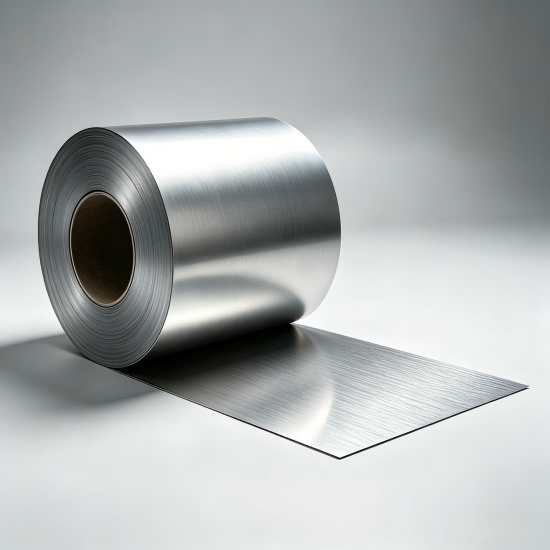
A practical guide to selecting and applying color steel coils, ensuring optimal performance, durability, and cost-effectiveness for your projects.
Industry forum drives digital and green transformation, empowering steel sector development through innovation and collaboration.