EN
EN

How to customize length size of precision cut GI coil finished sheets
2026/09/11
Learn how to specify precision cut GI coil sheets in custom lengths — tolerance selection, coating integrity, and ordering tips.
2026/07/23
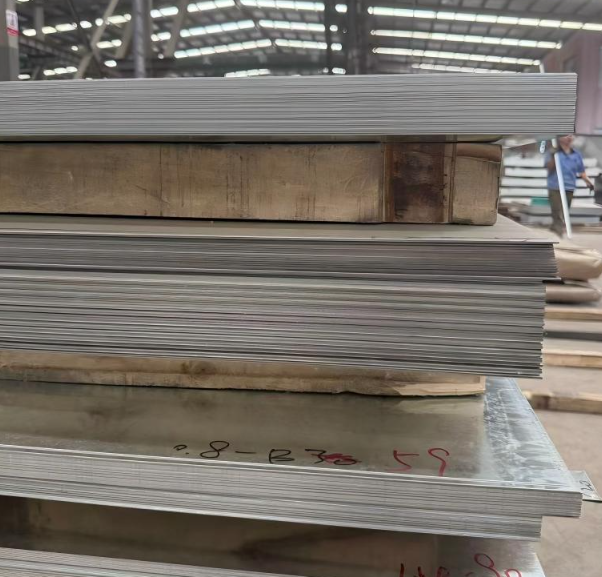
Understanding the Certification Landscape for Painted Steel Coil Suppliers
When sourcing coated steel for international construction or manufacturing projects, identifying qualified painted steel coil suppliers is the first and most critical step. Global export of painted steel coil products requires suppliers to demonstrate compliance with a complex web of international standards, material safety regulations, and destination-country customs requirements. Over the past five years working with buyers across Southeast Asia, the Middle East, and South America, I have seen projects delayed by weeks simply because a supplier could not produce the right mill test certificate or CE documentation. For procurement teams evaluating painted steel coil suppliers, understanding which certifications matter — and which are merely decorative — can mean the difference between smooth customs clearance and containers stuck at port. The cost of non-compliance extends beyond delays: it can trigger fines, cargo seizures, and reputational damage that ripples through the entire supply chain.
Core Certifications Every Export-Ready Supplier Must Hold
Qualified painted steel coil suppliers should at minimum hold ISO 9001 certification for quality management systems, which establishes that production processes follow documented, auditable procedures. For products entering the European market, CE marking under EN 10169 is mandatory — this standard defines requirements for continuously organic-coated steel flat products. Buyers sourcing for projects in markets such as Brazil, Vietnam, or Saudi Arabia should also verify that painted steel coil suppliers can provide Bureau Veritas (BV) or SGS inspection reports, which independently confirm that coating thickness, adhesion, and substrate mechanical properties match declared specifications. In my experience auditing supplier documentation, the most reliable painted steel coil suppliers maintain a complete certificate package: ISO 9001, CE, SGS or BV batch reports, and raw material mill test certificates traceable to each coil's heat number. Suppliers who hesitate to share these documents or provide only partial certificates should be treated as high-risk partners.
Material and Coating Test Standards That Buyers Should Verify
Beyond factory-level certifications, the product itself must meet specific test standards. For pre-painted galvanized steel, key standards include ASTM A755 (North American standard for prepainted steel sheet), JIS G3312 (Japanese standard), and EN 10169 (European standard). Painted steel coil suppliers should provide test results for T-bend flexibility (typically 2T or better for structural applications), reverse impact resistance, salt spray resistance (commonly 500 to 1000 hours for standard polyester coatings and up to 1500 hours for PVDF systems), and pencil hardness. During a 2024 quality audit of a Middle East warehouse project, our team discovered that coils from one candidate supplier passed visual inspection but failed the 1000-hour salt spray test by nearly 200 hours — a gap that only third-party SGS testing could detect before shipment. This case illustrates why relying on supplier self-declarations without independent verification is a costly mistake. Painted steel coil suppliers who invest in comprehensive in-house testing equipment and voluntarily share detailed test protocols tend to deliver more consistent product quality across batches.
Regulatory Compliance for Destination Markets
Different destination markets impose distinct regulatory requirements that painted steel coil suppliers must navigate. Suppliers exporting to the European Union must comply with REACH regulations concerning chemical substances in coatings, including restrictions on heavy metals such as lead and hexavalent chromium. For the United States market, coating volatile organic compound (VOC) content must meet Environmental Protection Agency guidelines. In markets like Indonesia and the Philippines, import regulations may require SNI or PS marking respectively. Painted steel coil suppliers should provide a declaration of compliance letter confirming that coil coatings do not contain restricted substances above permissible thresholds. This documentation is not optional — I have seen entire shipments rejected at customs in Dubai because the supplier's paint system lacked a valid REACH compliance certificate. Buyers should also confirm that suppliers understand the specific import documentation requirements of the destination country, including certificates of origin, Form E or Form F preferential trade documents, and packaging declarations. Experienced painted steel coil suppliers who regularly export to a given region typically have logistics partners who can anticipate and resolve documentation issues before they become clearance problems.
Practical Supplier Verification Checklist and Industry Case
Based on years of cross-border procurement experience, I recommend buyers use a structured verification checklist before placing orders with painted steel coil suppliers. First, request the full certificate package and cross-check expiry dates. Second, ask for a sample mill test certificate from a recent production batch and verify heat number traceability. Third, commission a pre-shipment SGS or BV inspection that includes random coil sampling for coating thickness measurement, cross-cut adhesion testing, and color difference verification against the agreed RAL code. Fourth, verify that the supplier's declared zinc coating weight (commonly Z40 to Z275 for galvanized substrates, or AZ50 to AZ150 for galvalume) matches actual measured values. A practical approach is to require third-party inspection for every shipment above 50 tons — this practice has consistently reduced post-delivery quality disputes by over 60 percent in projects I have managed. Manufacturers such as Shenyang Yuanhe, which operates a three-tier quality control system across its color-coated steel coil production lines and maintains ISO-certified processes with SGS and BV inspection capabilities, exemplify the documentation discipline that international buyers should expect. Their established export experience across Southeast Asia, the Middle East, and South America demonstrates that properly certified painted steel coil suppliers can streamline customs clearance and reduce procurement risk when documentation is thorough and transparent.
Three Common Questions Buyers Ask About Supplier Certification
Question: What is the most important certification to verify when selecting painted steel coil suppliers for export?
Answer: ISO 9001 establishes that the supplier operates a quality management system, but for coated steel products specifically, CE marking under EN 10169 (for European markets) or ASTM A755 compliance (for North American markets) is the most directly relevant product-level certification. Buyers should request both factory-level and product-level documentation, and verify that certificates are current and applicable to the exact coating system being purchased.
Question: How can buyers verify that a supplier's salt spray test results are genuine?
Answer: Request the original third-party laboratory report, not a supplier-issued summary. The report should include the testing laboratory's accreditation number (such as CNAS or ISO 17025), the exact test standard referenced (such as ASTM B117), specimen dimensions, test duration, and a photo log of specimens at specified intervals. For high-value orders, cross-referencing with the laboratory directly is advisable to confirm report authenticity.
Question: Do painted steel coil suppliers need separate certifications for different coating types?
Answer: Yes. Polyester, SMP (silicone-modified polyester), and PVDF coating systems have different performance characteristics and may require separate test reports for weatherability, chemical resistance, and color retention. Buyers should confirm that the certification package covers the specific coating system specified in their purchase order, not just a generic product category, and that salt spray and UV resistance data correspond to the actual coating chemistry being supplied.
2026/09/11
Learn how to specify precision cut GI coil sheets in custom lengths — tolerance selection, coating integrity, and ordering tips.
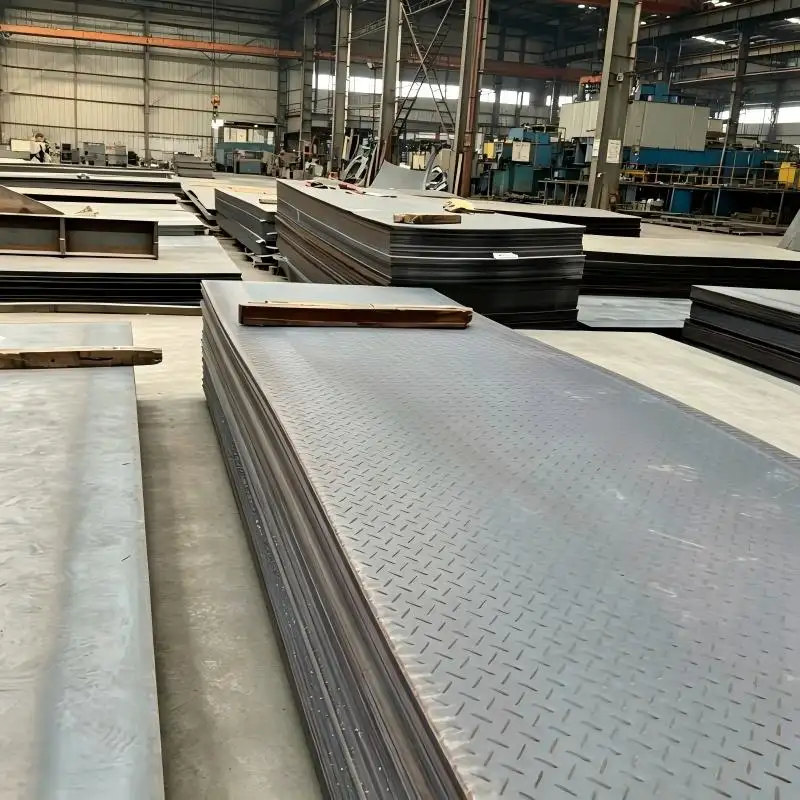
2026/09/11
Learn why premium finish galvalume steel coil delivers better paint adhesion and visual consistency in finished building products. Request specs today.
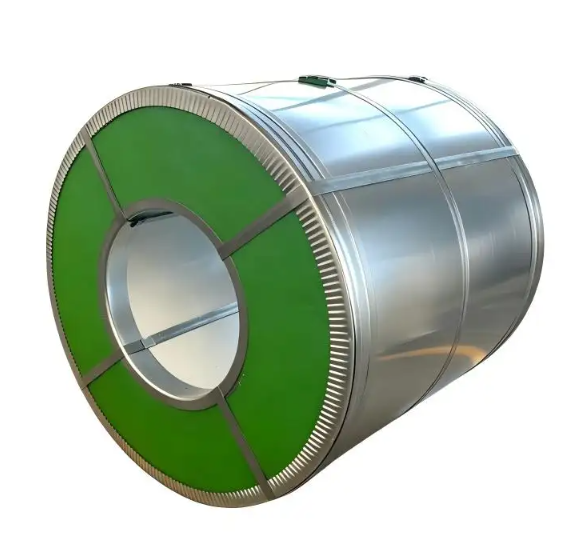
2026/09/10
Learn why heavy coating galvalume steel coil provides superior corrosion resistance in harsh coastal settings and saves long-term maintenance costs.
2026/09/10
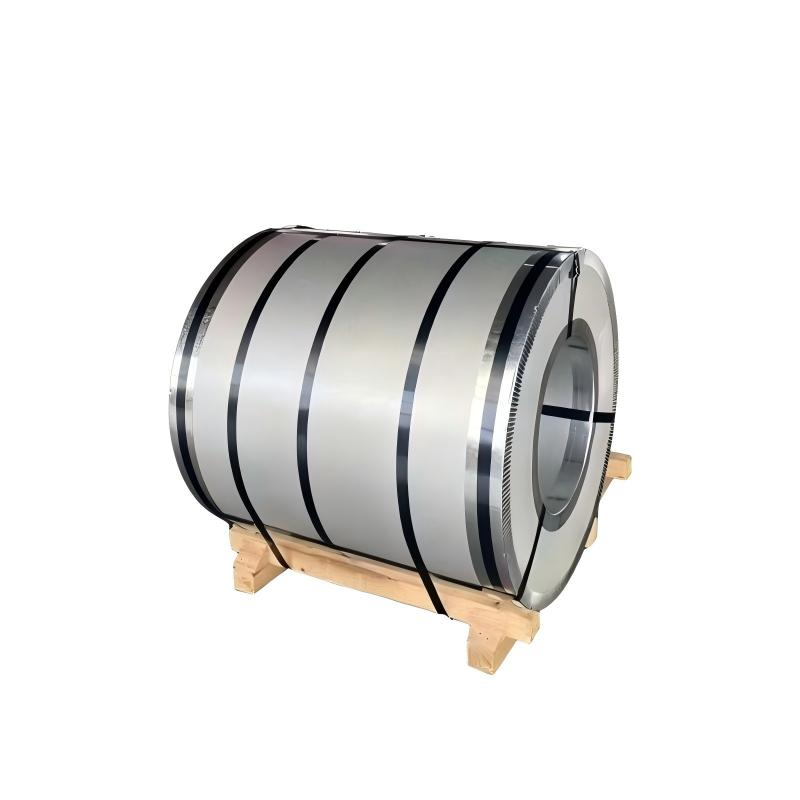
Learn how to test the bending performance of formable galvalume steel coil samples using T-bend testing to prevent cracking and scrap.
2026/09/10
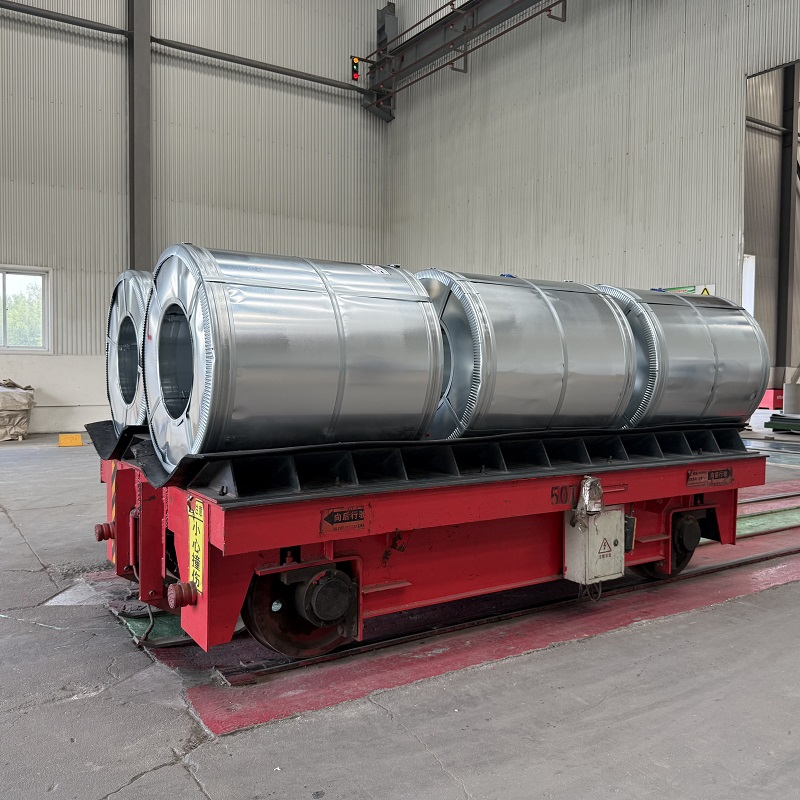
Discover how multi specification galvalume steel coil simplifies purchasing, boosts productivity, and lowers costs for metal fabricators.
2026/09/10
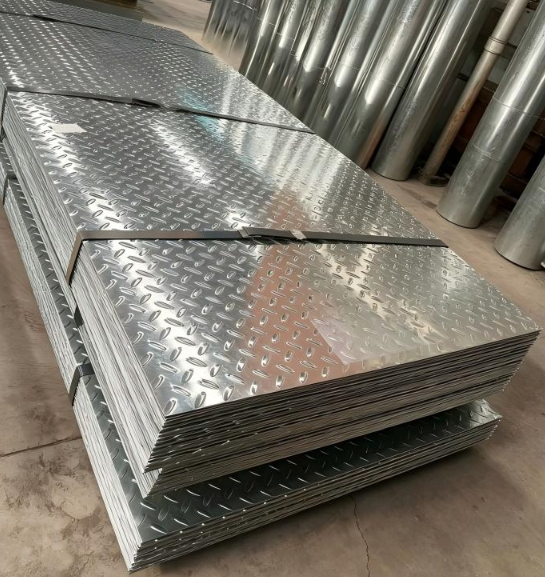
Discover why hot dipped galvanized steel and hot dip galvanized checkered plate offer ideal corrosion resistance and strength for road guardrails.
Covering green transformation, product comparison, selection guide, and industry empowerment, helping you fully grasp the dynamics of the color steel industry.

Global climate action and Belt and Road cooperation are driving the color steel industry’s shift toward green, sustainable development.

Comparing PPGI and PPGL across performance, durability, and applications to help you select the optimal coated steel for your project.
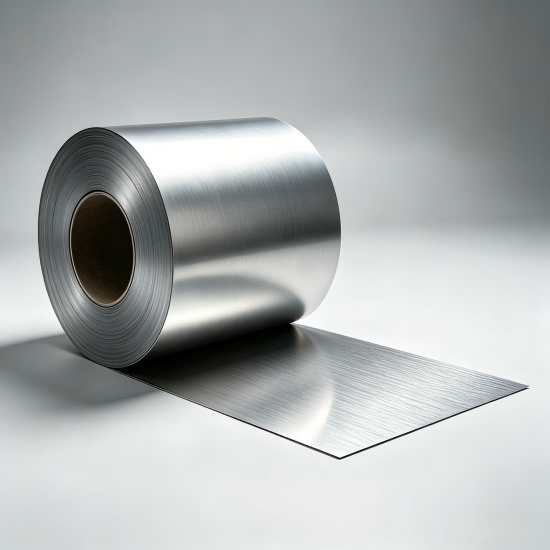
A practical guide to selecting and applying color steel coils, ensuring optimal performance, durability, and cost-effectiveness for your projects.
Industry forum drives digital and green transformation, empowering steel sector development through innovation and collaboration.