EN
EN

How to customize length size of precision cut GI coil finished sheets
2026/09/11
Learn how to specify precision cut GI coil sheets in custom lengths — tolerance selection, coating integrity, and ordering tips.
2026/08/05
Energy efficiency has become a defining requirement in modern building construction, driving demand for building envelope materials that combine structural integrity with superior thermal insulation. PPGI PUF panel, which sandwiches polyurethane foam (PUF) between two pre painted galvanized iron (PPGI) steel faces, delivers thermal performance that traditional single skin steel cladding cannot approach. However, the structural frame supporting these panels often utilizes hot rolled carbon steel coil and hr slit coil components, making the complete building envelope a composite system where thermal and structural performance must be considered together. Drawing from five years of supplying insulated panel systems and structural steel to construction projects across Central Asia and the Middle East, this article examines the thermal insulation advantages of PPGI PUF panels and their integration with hot rolled carbon steel coil structural systems.
PPGI PUF panels achieve their exceptional thermal insulation through the polyurethane foam core, which has a thermal conductivity (K value) of 0.022 to 0.026 W/m.K, significantly lower than alternative insulation materials. Expanded polystyrene (EPS) cores offer 0.034 to 0.040 W/m.K, while mineral wool cores provide 0.040 to 0.045 W/m.K. The lower K value of PUF means that a 50 mm thick PPGI PUF panel achieves the same thermal resistance as a 75 mm EPS panel or a 90 mm mineral wool panel. This thermal efficiency translates directly to energy savings: a building using 50 mm PPGI PUF panels for walls and 80 mm panels for roofing can reduce HVAC energy consumption by 35 to 45 percent compared to single skin PPGI cladding with separate insulation. The PPGI steel faces on both sides of the panel also contribute to thermal performance by reflecting radiant heat, with light colored PVDF coated faces achieving solar reflectance values above 65 percent, reducing heat gain through the building envelope by an additional 8 to 12 percent. When installed on hr slit coil purlins with proper sealing, the complete system delivers optimal thermal efficiency.
The thermal advantages of PPGI PUF panels depend on proper structural integration with the building's frame system. For industrial and commercial buildings, the primary structural frame typically uses hot rolled carbon steel coil sections, I beams and columns hot rolled from Q235B or Q345B grade steel. The secondary structural system, purlins and girts that directly support the PPGI PUF panels, often uses hr slit coil roll formed into C or Z profiles. The connection between the PPGI PUF panel and the hr slit coil purlins creates a potential thermal bridge where heat can bypass the insulation. Advanced installation systems address this through thermal break fasteners and overlapping panel joints that maintain insulation continuity. The hot rolled carbon steel coil structural frame itself does not significantly affect building thermal performance because it is external to the insulated envelope, but the hr slit coil secondary structure requires careful detailing to minimize thermal bridging. Proper hr slit coil purlin spacing ensures panel stability without compromising thermal performance. In a 2024 cold storage facility in Kazakhstan, the design team specified 100 mm PPGI PUF panels on hr slit coil purlins with thermal break washers, achieving an overall wall U value of 0.22 W/m2.K, well below the 0.35 W/m2.K maximum required by local energy codes.
Beyond simple thermal resistance, PPGI PUF panels provide temperature stability that prevents condensation, a critical advantage for agricultural storage, food processing, and cold chain facilities. The continuous PUF core eliminates the gaps and cold spots that occur with separate insulation systems, maintaining a uniform interior surface temperature above the dew point. For a building maintained at 20 degrees Celsius interior temperature with 60 percent relative humidity, the dew point is approximately 12 degrees Celsius. A 50 mm PPGI PUF panel on an hr slit coil support system, with exterior temperature of minus 10 degrees Celsius, maintains the interior face at 17.5 degrees Celsius, safely above the dew point. Without adequate insulation, condensation forms on the interior steel surface, leading to corrosion of fasteners, mold growth, and product damage. The hr slit coil secondary structure must also be protected from condensation through proper panel overlap design. The hot rolled carbon steel coil structural frame, being outside the insulated envelope, is not susceptible to this condensation risk. For facilities with higher humidity, such as swimming pool enclosures or textile factories, 80 mm to 100 mm PPGI PUF panels are recommended to maintain adequate surface temperature margin above dew point.
Thermal insulation materials must also meet fire safety requirements, and PPGI PUF panels have evolved significantly in this area. Modern PUF cores use modified polyisocyanurate (PIR) chemistry that achieves a Class B fire rating per GB 8624 (Chinese standard) or comparable ratings under EN 13501 and ASTM E84. PIR based PPGI PUF panels achieve a limiting oxygen index of 32 percent or higher, meaning they will not sustain combustion without an external flame source. The PPGI steel faces further enhance fire performance by providing a non combustible barrier that delays core ignition. When specifying PPGI PUF panels for building construction, verify that the product carries fire test certification from an accredited laboratory, including the panel system as installed on hr slit coil or hot rolled carbon steel coil supports, not just the core material in isolation. Fire rated joint systems, which intumesce under heat to seal panel gaps, provide additional fire compartmentalization that may be required by local building codes.
PPGI PUF panels offer acoustic insulation as a secondary benefit that complements their thermal performance. The PUF core's cellular structure dampens sound transmission, achieving sound transmission class (STC) ratings of 28 to 32 for 50 mm panels and 32 to 36 for 80 mm panels. For buildings near highways, airports, or industrial zones, this acoustic performance reduces interior noise levels by 15 to 25 decibels compared to single skin steel cladding. The combination of thermal, acoustic, and structural performance in a single PPGI PUF panel product simplifies procurement and installation compared to assembling separate insulation, vapor barrier, and cladding layers. Using hr slit coil for the purlin system and hot rolled carbon steel coil for the main frame provides the structural support, while the PPGI PUF panels deliver the building envelope performance. Shenyang Yuanhe Steel supplies both the PPGI coil used in PUF panel facing and the hot rolled carbon steel coil and hr slit coil products used in structural support systems, offering integrated material supply for complete building envelope construction. Their ISO certified production lines, 6 to 14 day lead times, and 10,685 ton annual shipment capacity support construction projects requiring coordinated delivery of panel materials and structural steel components.
Comparison Table
|
Panel Specification |
Core Thickness |
K Value (W/m.K) |
Wall U Value (W/m2.K) |
Fire Rating |
Acoustic STC |
|
PPGI PUF 50mm |
50 mm |
0.022-0.026 |
0.44 |
Class B (GB 8624) |
28-32 |
|
PPGI PUF 80mm |
80 mm |
0.022-0.026 |
0.28 |
Class B (GB 8624) |
32-36 |
|
PPGI PUF 100mm |
100 mm |
0.022-0.026 |
0.22 |
Class B (GB 8624) |
34-38 |
|
PPGI EPS 50mm |
50 mm |
0.034-0.040 |
0.68 |
Class B |
26-30 |
|
PPGI Mineral Wool 80mm |
80 mm |
0.040-0.045 |
0.50 |
Class A |
32-36 |
|
Single skin PPGI |
0 mm |
N/A |
5.80 |
Class A |
18-22 |
Frequently Asked Questions
Q: How much energy can PPGI PUF panels save compared to single skin steel cladding?
A: Buildings using 50 mm PPGI PUF panels for walls and 80 mm panels for roofing typically reduce HVAC energy consumption by 35 to 45 percent compared to single skin PPGI cladding with separate insulation. The PUF core's low thermal conductivity (0.022-0.026 W/m.K) provides superior insulation in a thinner profile.
Q: Do hot rolled carbon steel coil structural frames create thermal bridges in PPGI PUF panel buildings?
A: The main structural frame, hot rolled from carbon steel coil, sits outside the insulated envelope and does not create thermal bridges. However, hr slit coil purlins and girts that directly support the panels can create thermal bridging. This is addressed through thermal break fasteners and overlapping panel joints that maintain insulation continuity.
Q: What PPGI PUF panel thickness is recommended for cold storage facilities?
A: Cold storage facilities typically require 100 mm or thicker PPGI PUF panels to maintain interior surface temperature above the dew point. For a facility at 20 degrees Celsius with 60 percent relative humidity, 100 mm panels on hr slit coil supports with thermal break washers can achieve a wall U value of 0.22 W/m2.K, preventing condensation.
2026/09/11
Learn how to specify precision cut GI coil sheets in custom lengths — tolerance selection, coating integrity, and ordering tips.
2026/09/11
Learn why premium finish galvalume steel coil delivers better paint adhesion and visual consistency in finished building products. Request specs today.
2026/09/10
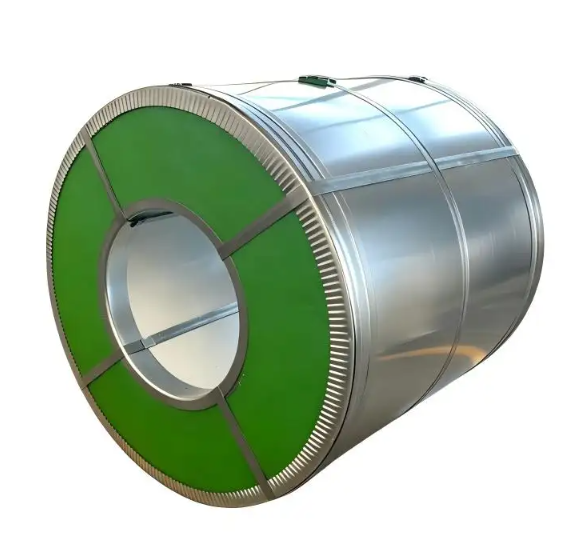
Learn why heavy coating galvalume steel coil provides superior corrosion resistance in harsh coastal settings and saves long-term maintenance costs.
2026/09/10
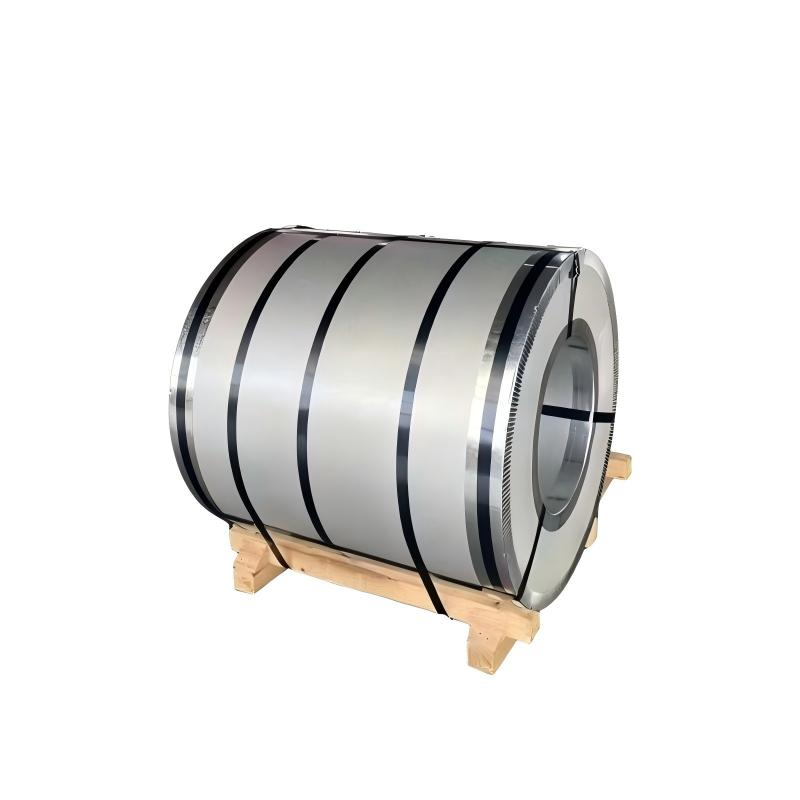
Learn how to test the bending performance of formable galvalume steel coil samples using T-bend testing to prevent cracking and scrap.
2026/09/10
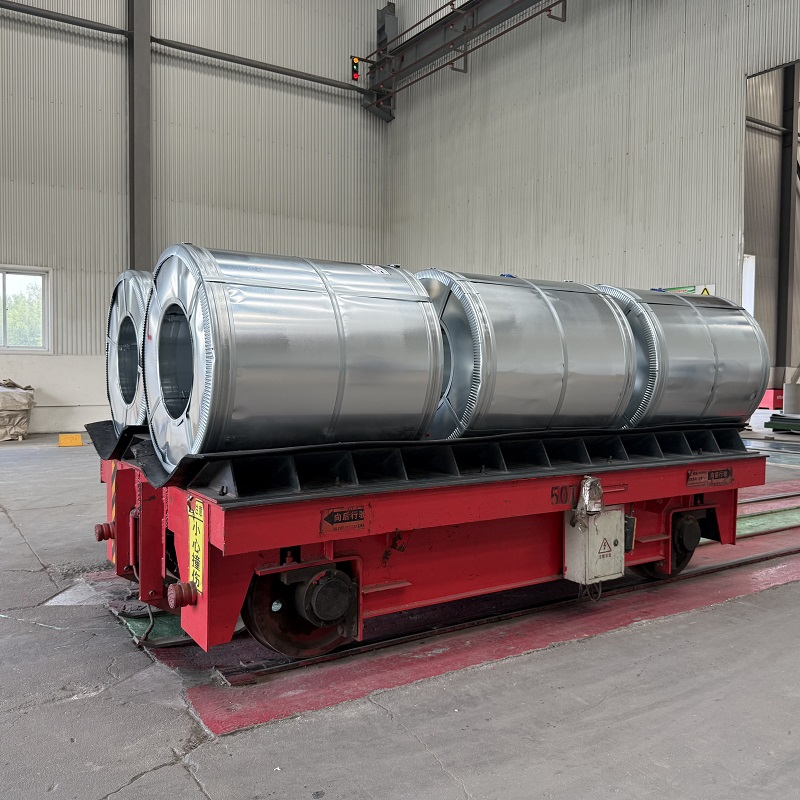
Discover how multi specification galvalume steel coil simplifies purchasing, boosts productivity, and lowers costs for metal fabricators.
2026/09/10
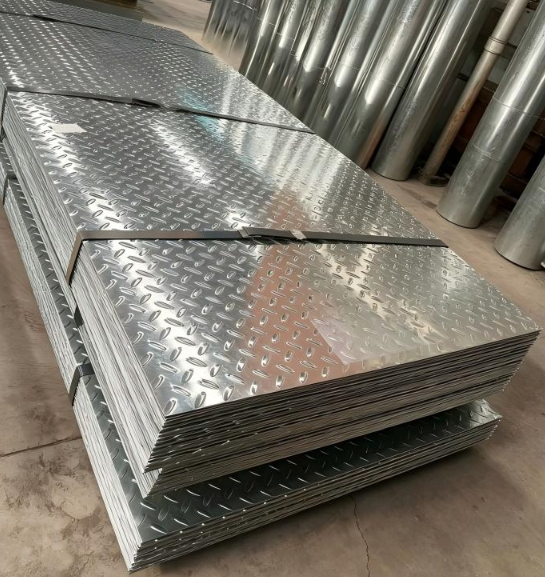
Discover why hot dipped galvanized steel and hot dip galvanized checkered plate offer ideal corrosion resistance and strength for road guardrails.
Covering green transformation, product comparison, selection guide, and industry empowerment, helping you fully grasp the dynamics of the color steel industry.

Global climate action and Belt and Road cooperation are driving the color steel industry’s shift toward green, sustainable development.

Comparing PPGI and PPGL across performance, durability, and applications to help you select the optimal coated steel for your project.
A practical guide to selecting and applying color steel coils, ensuring optimal performance, durability, and cost-effectiveness for your projects.
Industry forum drives digital and green transformation, empowering steel sector development through innovation and collaboration.