EN
EN

How to customize length size of precision cut GI coil finished sheets
2026/09/11
Learn how to specify precision cut GI coil sheets in custom lengths — tolerance selection, coating integrity, and ordering tips.
2026/07/31
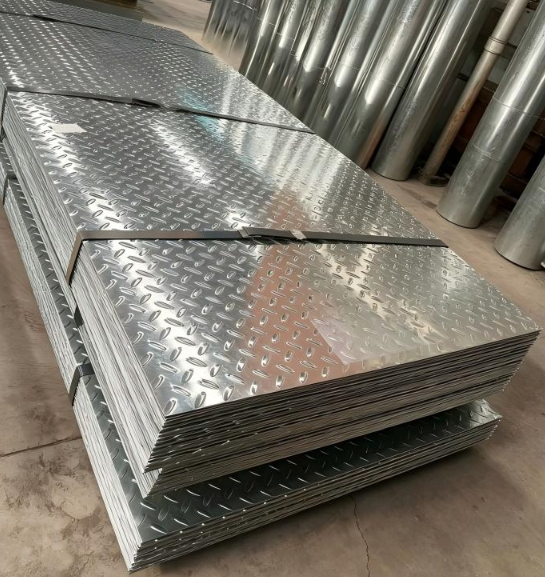
The global trade in Standard PPGI coil operates across multiple national and international specification systems. For importers, distributors, and project specifiers, navigating the differences between ASTM, EN, JIS, and GB standards is a daily practical challenge. Ordering a Standardized prepainted galvanized coil to the wrong standard can result in material that fails local building code requirements, cannot be fabricated on existing equipment, or performs inadequately in the intended service environment. Having supplied PPGI to buyers across more than 20 countries, we have developed a working knowledge of how these specification systems compare and what buyers in different regions typically require. This guide provides a practical reference for understanding the standard specifications of Standard PPGI coil in the global construction market.
Four primary standard systems govern Standard PPGI coil specifications worldwide. ASTM International, primarily used in North America, the Middle East, and parts of Southeast Asia, specifies prepainted galvanized steel under ASTM A755 and the substrate under ASTM A653. European standards under EN 10346 (substrate) and EN 10169 (organic coatings) are used throughout Europe, parts of Africa, and in projects where European engineering consultancies are involved. Japanese Industrial Standards under JIS G3302 for the substrate and JIS G3312 for prepainted products are widely referenced in Asia, particularly in markets with strong Japanese manufacturing influence such as Thailand, Indonesia, and Vietnam. Chinese GB standards, specifically GB/T 12754 for prepainted steel sheet and strip and GB/T 2518 for the substrate, are increasingly recognized in international trade as Chinese steel exports have grown. A Standardized prepainted galvanized coil can be ordered to any of these standards, but buyers should be aware that the detailed requirements such as dimensional tolerances, coating weight definitions, and test methods vary between them.
The most commonly traded Standard PPGI coil dimensions for the global construction market fall within well-established ranges. Thickness typically ranges from 0.09mm to 1.5mm, with the construction sweet spot being 0.25mm to 0.60mm for roofing and cladding applications. Material below 0.20mm is generally used for interior ceiling tiles, appliance back panels, and decorative applications. Material above 0.60mm is specified for structural roofing profiles, noise barrier panels, and applications requiring higher load-bearing capacity. Width typically ranges from 600mm to 1,500mm, with 1,000mm, 1,200mm, and 1,250mm being the most common standard widths. The standard coil internal diameter is 508mm, matching the mandrel size of most decoiling equipment worldwide. Coil weight typically ranges from 3 to 5 metric tons for standard orders, though larger coils up to 8 to 10 tons are available for high-volume roll-forming operations. The maximum coil outer diameter is typically limited to 1,500mm to fit within standard shipping containers.
Zinc coating weight is arguably the most critical specification for a Standardized prepainted galvanized coil, as it directly determines corrosion protection life. Under ASTM A653, coating designations use the G system, where G30 equals 0.30 oz/sq ft total both sides (approximately Z90 in metric). Common designations include G40 (Z120), G60 (Z180), and G90 (Z275). Under EN 10346, the Z system directly states grams per square meter: Z100, Z140, Z200, Z275. JIS G3302 uses a slightly different nomenclature but is functionally equivalent. For the global construction market, Z120 to Z180 (G40 to G60) is the standard range for inland building applications with moderate corrosivity. Z275 (G90) is specified for more demanding environments including coastal zones and industrial areas. Galvalume substrates with aluminum-zinc alloy coating are designated AZ under all major standards, with AZ100, AZ120, and AZ150 being the common grades.
The coating system on a Standard PPGI coil consists of a primer layer, typically epoxy or polyurethane at 5 to 10 microns dry film thickness, and a topcoat at 15 to 25 microns depending on the coating type and application requirements. The four standard coating types are PE (Polyester), SMP (Silicone-Modified Polyester), HDP (High Durability Polyester), and PVDF (Polyvinylidene Fluoride). PE is the standard default for general construction applications. A Standardized prepainted galvanized coil with PE coating at 18 to 20 microns topcoat over 5 to 8 microns primer represents the most common configuration in global trade for inland roofing and cladding. The back side of the coil receives a service coat, typically 5 to 10 microns of epoxy or polyester, which may be in a standard grey or beige color. For sandwich panel applications, a foam-adhesion primer back coat may be specified instead.
The steel substrate of a Standard PPGI coil is specified by its mechanical properties. For construction applications, the most commonly ordered grades under EN 10346 are DX51D (commercial quality, yield strength approximately 280 MPa minimum), DX52D (drawing quality), and DX53D (deep drawing quality). Under ASTM A653, the equivalent grades are CS Type A, CS Type B, and FS Type A/B for forming steel. For structural applications requiring higher strength, grades such as S280GD, S320GD, and S350GD under EN 10346 or Grade 33, Grade 37, Grade 40, and Grade 50 under ASTM A653 are specified, with numbers indicating minimum yield strength in ksi or MPa. The choice of structural versus commercial quality depends on whether the PPGI will be used in load-bearing applications. For standard roofing and cladding profiles, commercial quality DX51D or CS Type B is sufficient. For structural decking, purlins, and load-bearing panels, structural grades S280GD to S350GD are required.
A Standardized prepainted galvanized coil is classified by surface quality grade, which determines the acceptable level of surface imperfections. Under EN 10169, three grades are defined: Class A for the highest quality, suitable for visible architectural applications with strict appearance requirements; Class B for general building applications where minor surface imperfections are acceptable; and Class C for non-visible applications where surface appearance is not critical. Most construction-grade Standard PPGI coil is ordered as Class B. The spangle pattern of the zinc coating on the substrate, while less visible after painting, can influence the final surface appearance. Zero spangle or minimized spangle substrates are preferred for critical architectural applications because the spangle pattern can telegraph through thin coatings. Regular spangle is acceptable for general applications and is typically more economical.
Different regional markets have developed distinct preferences for Standard PPGI coil specifications based on local building practices, climate conditions, and regulatory environments. The Middle East market predominantly specifies ASTM A653 substrate with G60 (Z180) or G90 (Z275) coating weight and PVDF or HDP topcoats to withstand the combination of intense UV radiation, sand abrasion, and coastal salinity. Southeast Asian markets typically order JIS G3302 substrate with Z120 to Z180 coating weight and PE or SMP topcoats, reflecting the moderate inland corrosivity and price sensitivity of these markets. European markets follow EN standards with Z140 to Z200 coatings and increasingly specify HDP and PVDF coatings driven by sustainability requirements for long-life building envelopes. African markets show a mix of specifications, with ASTM and EN standards both commonly accepted, and Z120 to Z180 coating weights being the most frequently ordered due to cost considerations. Understanding these regional preferences helps importers stock the right specifications for their target markets. Shenyang Yuanhe Steel, with experience supplying Standardized prepainted galvanized coil to Southeast Asia, the Middle East, Central Asia, Africa, and South America, maintains inventory across these specification ranges and offers guidance on appropriate grade selection for specific project requirements.
Yes, asymmetric coating specifications are common and cost-effective. The top side (exposed surface) receives the full primer and topcoat system, while the bottom side (interior or hidden surface) receives only a thin service coat of 5 to 10 microns. This reduces material cost since the interior side does not require the same level of UV and weather resistance. When ordering, specify the top coat and back coat requirements separately.
Request the mill test certificate (MTC) that accompanies each coil, which should list the actual measured values for zinc coating weight, paint film thickness, mechanical properties, and color values. For high-value projects, arrange third-party pre-shipment inspection. Upon receipt, perform your own spot checks using a coating thickness gauge, micrometer, and visual comparison against the approved color sample. Any significant deviations from the ordered specification should be documented and reported to the supplier immediately.
2026/09/11
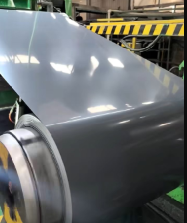
Learn how to specify precision cut GI coil sheets in custom lengths — tolerance selection, coating integrity, and ordering tips.
2026/09/11
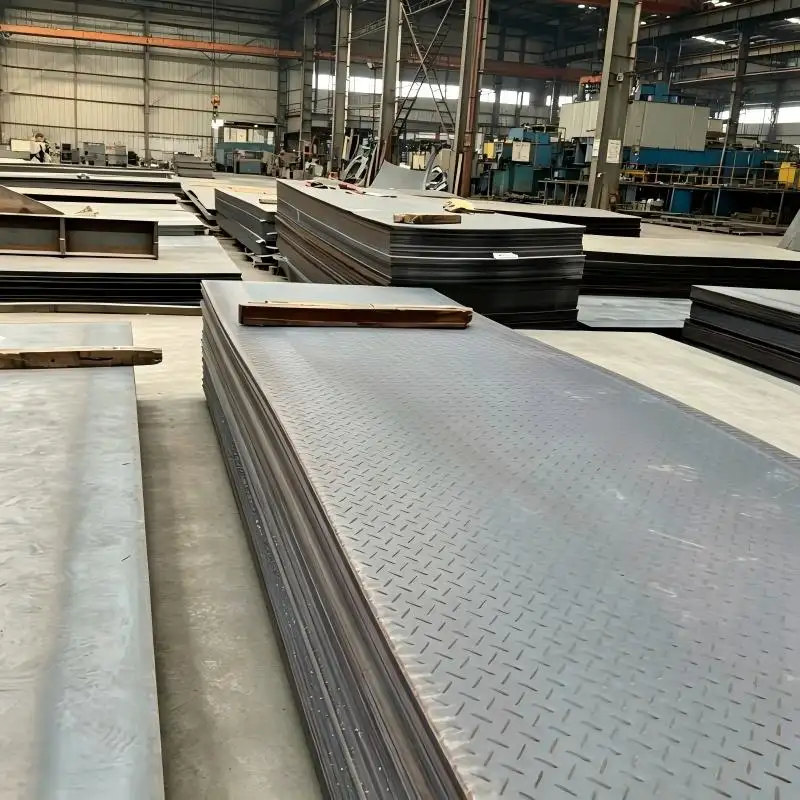
Learn why premium finish galvalume steel coil delivers better paint adhesion and visual consistency in finished building products. Request specs today.
2026/09/10
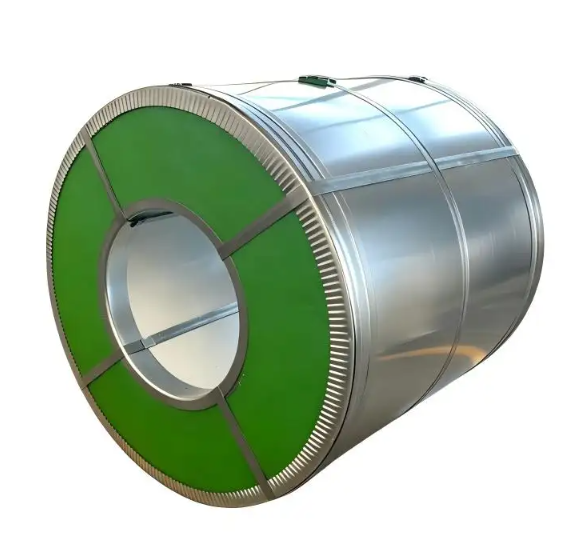
Learn why heavy coating galvalume steel coil provides superior corrosion resistance in harsh coastal settings and saves long-term maintenance costs.
2026/09/10
Learn how to test the bending performance of formable galvalume steel coil samples using T-bend testing to prevent cracking and scrap.
2026/09/10
Discover how multi specification galvalume steel coil simplifies purchasing, boosts productivity, and lowers costs for metal fabricators.
2026/09/10
Discover why hot dipped galvanized steel and hot dip galvanized checkered plate offer ideal corrosion resistance and strength for road guardrails.
Covering green transformation, product comparison, selection guide, and industry empowerment, helping you fully grasp the dynamics of the color steel industry.

Global climate action and Belt and Road cooperation are driving the color steel industry’s shift toward green, sustainable development.

Comparing PPGI and PPGL across performance, durability, and applications to help you select the optimal coated steel for your project.
A practical guide to selecting and applying color steel coils, ensuring optimal performance, durability, and cost-effectiveness for your projects.
Industry forum drives digital and green transformation, empowering steel sector development through innovation and collaboration.