EN
EN

How to customize length size of precision cut GI coil finished sheets
2026/09/11
Learn how to specify precision cut GI coil sheets in custom lengths — tolerance selection, coating integrity, and ordering tips.
2026/07/31
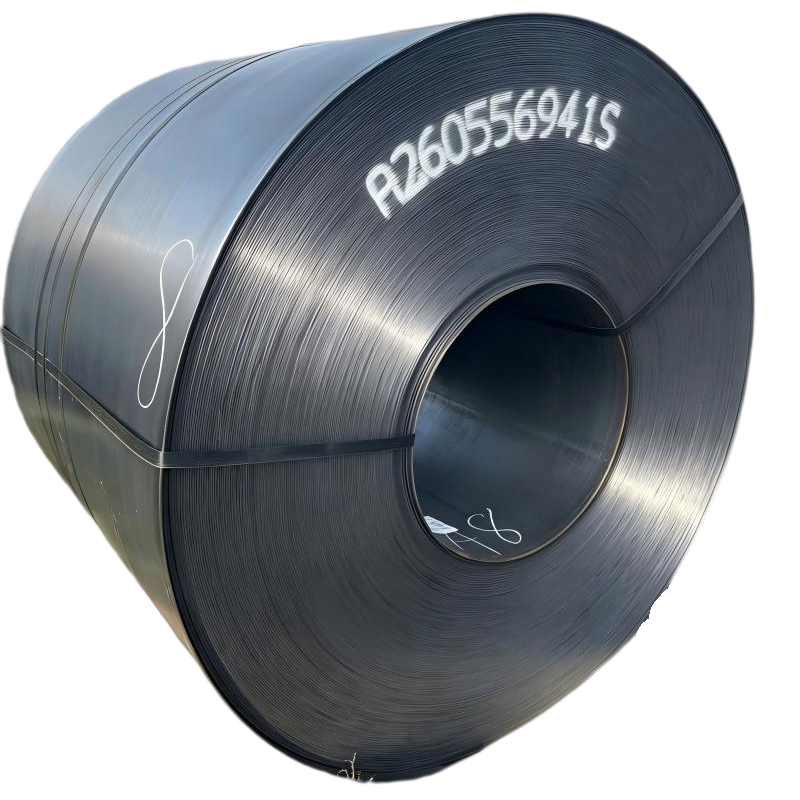
The construction industry consumes approximately 60 percent of global PPGI production, making it by far the largest application sector for prepainted steel products. From the roof over a warehouse in Dubai to the wall panels of a cold storage facility in Vietnam, PPGI coil steel product has become an indispensable construction material. Its combination of structural strength, corrosion protection, aesthetic versatility, and cost efficiency has enabled architects and builders to design and construct buildings that would have been impractical or prohibitively expensive with traditional materials. This article provides a comprehensive overview of where and how PPGI and color coated aluminum coil products are used across the construction industry, including the specific technical requirements for each application.
Roofing represents the single largest application for PPGI coil steel product in construction. Corrugated and trapezoidal profile sheets roll-formed from thin gauge color coil are the standard roofing material for industrial buildings, warehouses, agricultural structures, and commercial complexes across developing and developed markets alike. The roofing application demands several specific material properties: adequate substrate thickness (typically 0.30mm to 0.60mm) and yield strength (300 to 550 MPa) to meet structural span requirements; zinc coating weight of Z120 to Z275 for corrosion protection appropriate to the environment; and coating chemistry selected for the local climate (PE for inland, HDP or PVDF for coastal or industrial). For roof constructions, a thin gauge color coil must also demonstrate good oil canning resistance, the tendency of flat metal panels to show waviness or elastic buckling. This is controlled through a combination of substrate mechanical properties, coil tension leveling quality, and roll-forming process parameters.
Wall cladding is the second major application area, particularly for commercial buildings, retail centers, and multi-story structures. Sandwich wall panels fabricated from PPGI and color coated aluminum coil are widely used for their combined thermal insulation and weather protection properties. A typical sandwich panel consists of two PPGI or aluminum face sheets bonded to a polyurethane, polyisocyanurate, or mineral wool insulation core. The face sheets provide weather resistance, structural rigidity, and aesthetic finish, while the insulation core delivers the thermal performance. For wall cladding applications, surface appearance is often the primary specification driver, with architects specifying specific RAL colors, gloss levels, and surface textures to achieve the desired building aesthetic. Embossed and textured thin gauge color coil surfaces are popular for wall panels as they help mask minor surface imperfections and provide visual depth that flat panels cannot achieve. PVDF coated aluminum coil is increasingly specified for high-end commercial and institutional building facades due to its superior color and gloss retention over decades of outdoor exposure.
Beyond simple wall and roof panels, PPGI coil steel product serves as the face material for a wide range of prefabricated insulated building systems. These include cold storage panels for food processing and pharmaceutical facilities, where the face material must resist the combined effects of low temperatures (down to minus 40 degrees Celsius), high humidity, and frequent wash-down cleaning with chemical agents. Clean room panels for electronics and healthcare manufacturing require smooth, non-porous surfaces that resist microbial growth and can be sterilized. PPGI with food-grade or antimicrobial coatings is available for these specialized applications. The growing market for prefabricated and modular construction has also driven demand for PPGI-faced insulated panels, as these systems enable rapid building assembly with minimal onsite labor. In all sandwich panel applications, the bond strength between the PPGI face sheet and the insulation core is a critical quality parameter. The coating back side is typically a thin epoxy or polyester layer engineered specifically for adhesion to polyurethane and PIR foams.
PPGI and color coated aluminum coil find extensive use in the manufacture of doors, window frames, rolling shutters, and sectional garage doors. For rolling shutter doors used in commercial and industrial settings, thin gauge color coil in thicknesses of 0.25mm to 0.60mm is roll-formed into interlocking slats that coil around a barrel above the door opening. The material must combine sufficient strength to resist wind loads and forced entry attempts with the flexibility to coil around the barrel diameter without coating cracking. Sectional garage doors use PPGI-faced insulated panels that are hinged together, requiring good flatness and consistent dimensions for smooth operation. Window and door frame profiles, particularly in aluminum, use color coated aluminum coil for its combination of light weight, corrosion resistance, and clean aesthetic appearance. The coating must withstand the forming operations required to create complex frame profiles without delamination or micro-cracking.
While less visible than roofing and cladding, interior applications represent a substantial market for PPGI coil steel product. Suspended ceiling systems in commercial buildings, airports, and retail spaces use PPGI panels for their combination of light weight, fire resistance, and easy cleanability. Interior partition walls in industrial and commercial settings use PPGI-faced panels that provide both spatial division and a durable, cleanable surface. Lining panels for elevators, escalator cladding, and interior decorative panels also use prepainted steel and aluminum. For interior applications, the key performance requirements differ from exterior uses. UV resistance is less important, but scratch and abrasion resistance become priorities. Polyester coatings with harder formulations or SMP coatings are often preferred over PVDF, which is optimized for exterior weatherability. Indoor air quality considerations also apply: low-VOC coating formulations are increasingly specified for interior PPGI applications, particularly in occupied spaces like offices, schools, and healthcare facilities.
The construction industry’s growing adoption of modular and offsite construction methods has created significant demand for PPGI-faced building systems. Portable site offices, worker accommodation units, temporary classrooms, and disaster relief shelters all rely on lightweight, durable PPGI-faced panels for walls and roofs. For these applications, thin gauge color coil in the 0.25mm to 0.40mm range is typical, balancing weight, cost, and durability. The material must withstand multiple cycles of transport, lifting, and placement without damage. Container conversion projects, where used shipping containers are repurposed as housing, retail units, or workshop spaces, also use PPGI and color coated aluminum coil for interior lining and exterior cladding. These projects require materials that can be easily cut and fitted onsite while providing a finished appearance without additional painting.
Beyond buildings, PPGI coil steel product finds important applications in transportation infrastructure and public works. Noise barrier panels along highways and railways use PPGI for their combination of acoustic performance when perforated, weather resistance, and durability against vandalism and graffiti. Road signage backings and gantry cladding use prepainted steel for its flatness and paintability. Bus shelters, toll booths, and security kiosks are frequently fabricated from PPGI-faced insulated panels. These infrastructure applications demand high durability: the material must withstand continuous outdoor exposure, vehicle exhaust emissions, de-icing salt spray in cold climates, and mechanical impact from road debris. HDP and PVDF coatings on galvanized or galvalume substrates are the standard recommendation for these demanding environments. Shenyang Yuanhe Steel supplies color coated aluminum coil and PPGI products to various construction sectors, maintaining over 10,000 metric tons of inventory and providing custom slitting and cutting services to meet specific project requirements for construction markets worldwide.
PPGI uses a steel substrate with zinc or aluminum-zinc coating, providing higher strength and lower cost. Color coated aluminum coil uses an aluminum substrate, offering lighter weight, natural corrosion resistance, and better formability for complex profiles. Aluminum is preferred for coastal applications and high-end architectural facades where long-term appearance is critical, while PPGI is the standard choice for roofing, structural panels, and applications where cost and strength are primary considerations.
For a 6-meter purlin span, the minimum recommended PPGI thickness depends on the profile design and local wind and snow loads. As a general guideline, trapezoidal profiles typically require 0.45mm to 0.50mm base metal thickness for 6-meter spans under moderate loading conditions. Corrugated profiles may require 0.50mm to 0.60mm due to their lower section modulus. Always consult a structural engineer and the profile manufacturer’s span tables for your specific project conditions.
2026/09/11
Learn how to specify precision cut GI coil sheets in custom lengths — tolerance selection, coating integrity, and ordering tips.
2026/09/11
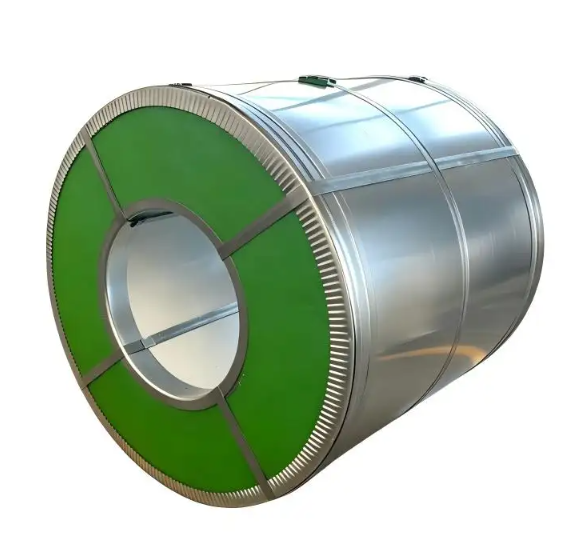
Learn why premium finish galvalume steel coil delivers better paint adhesion and visual consistency in finished building products. Request specs today.
2026/09/10
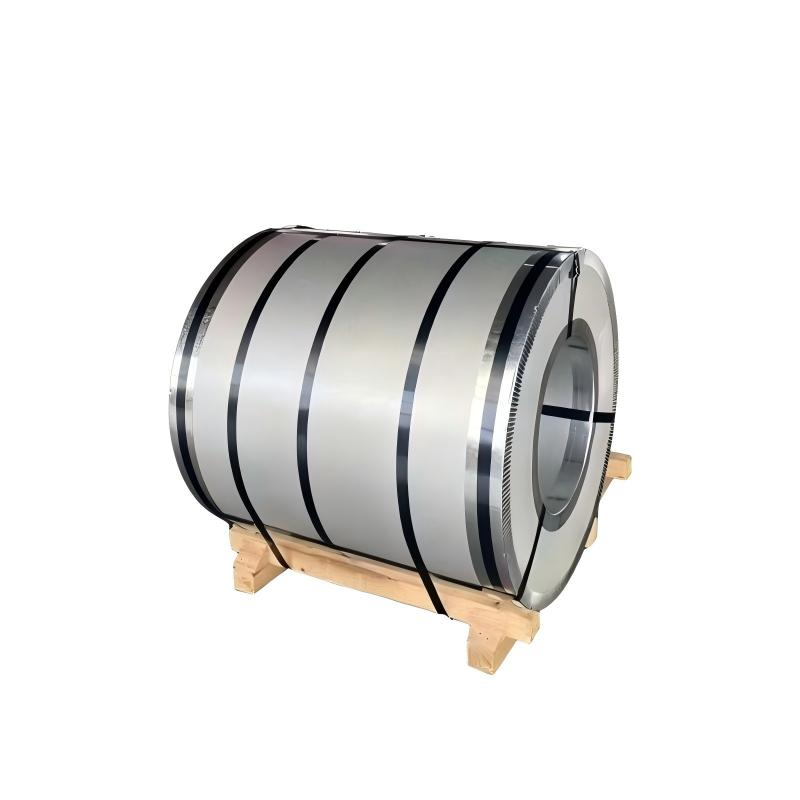
Learn why heavy coating galvalume steel coil provides superior corrosion resistance in harsh coastal settings and saves long-term maintenance costs.
2026/09/10
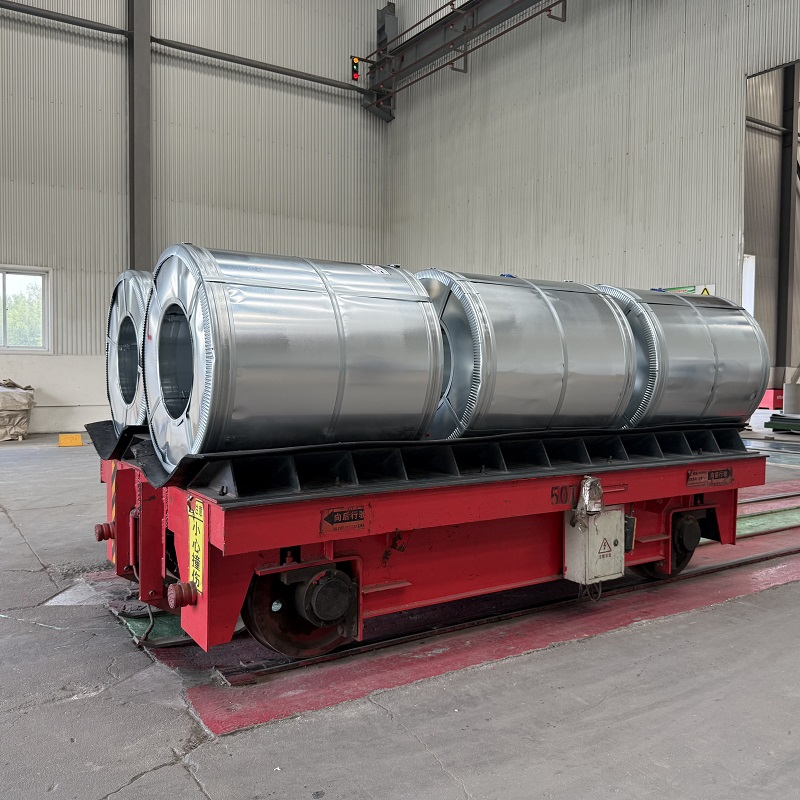
Learn how to test the bending performance of formable galvalume steel coil samples using T-bend testing to prevent cracking and scrap.
2026/09/10
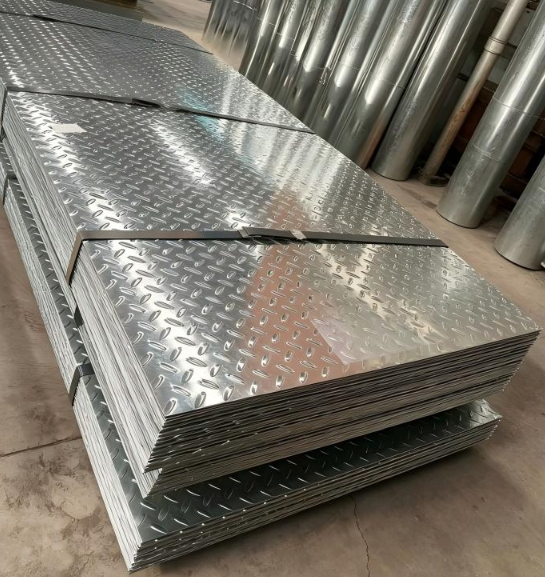
Discover how multi specification galvalume steel coil simplifies purchasing, boosts productivity, and lowers costs for metal fabricators.
2026/09/10
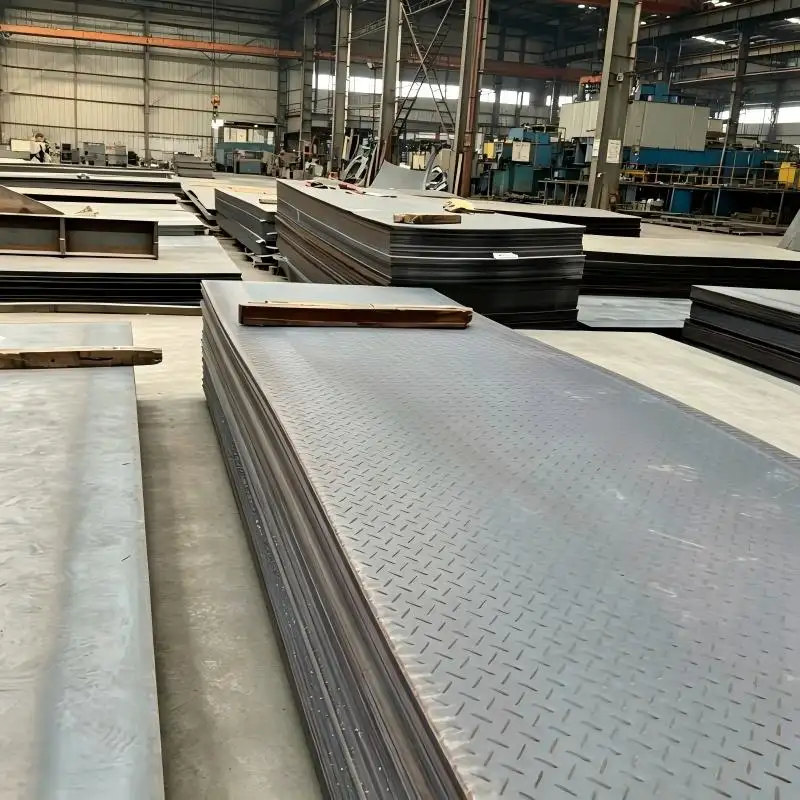
Discover why hot dipped galvanized steel and hot dip galvanized checkered plate offer ideal corrosion resistance and strength for road guardrails.
Covering green transformation, product comparison, selection guide, and industry empowerment, helping you fully grasp the dynamics of the color steel industry.

Global climate action and Belt and Road cooperation are driving the color steel industry’s shift toward green, sustainable development.

Comparing PPGI and PPGL across performance, durability, and applications to help you select the optimal coated steel for your project.
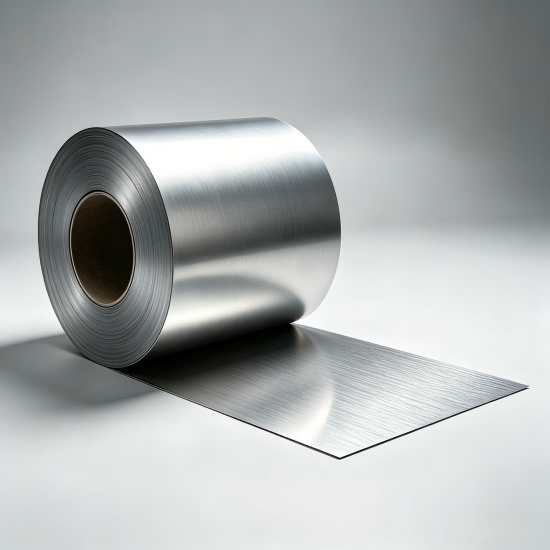
A practical guide to selecting and applying color steel coils, ensuring optimal performance, durability, and cost-effectiveness for your projects.
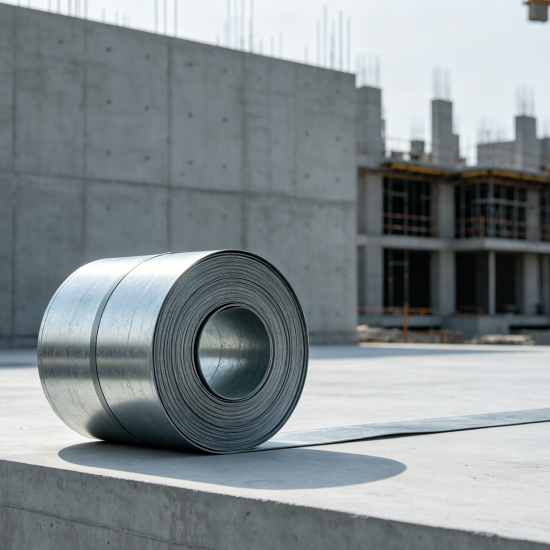
Industry forum drives digital and green transformation, empowering steel sector development through innovation and collaboration.