EN
EN

How to customize length size of precision cut GI coil finished sheets
2026/09/11
Learn how to specify precision cut GI coil sheets in custom lengths — tolerance selection, coating integrity, and ordering tips.
2026/08/01
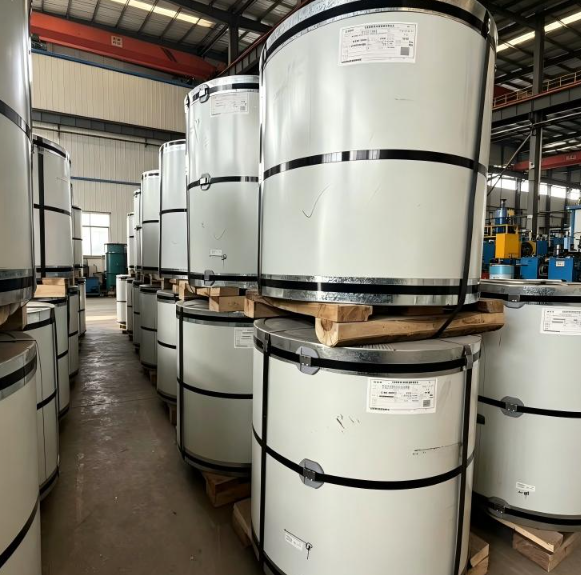
Choosing the right material is critical when sourcing prepainted steel for international construction projects, industrial complexes, and architectural roofing systems. The conversation around ppgi and ppgl often begins with confusion among procurement teams and project engineers. Both are prepainted steel coil products, arrive at the manufacturing facility in the exact same coil form, and often carry brand names that sound entirely interchangeable to non-technical staff. Yet, the metallic substrate hidden underneath the paint layer creates performance differences so significant that choosing the wrong material can halve a roofing system's service life, compromise structural integrity, or cause premature coating failure in aggressive coastal and industrial applications.
Having specified gi gl ppgi ppgl products for diverse engineering projects ranging from dry inland agricultural warehouses to salt-spray-exposed beachfront luxury resorts, I want to walk through how PPGL and PPGI steel coil materials differ in real-world applications. By examining metallurgical properties, environmental constraints, and thermal dynamics, this comprehensive guide will help you match the right substrate to your specific project environment with absolute confidence.
To understand why substrate selection matters so much in a color coated steel comparison, we must look directly at the metallurgical composition of the base metal. A standard PPGI steel coil utilizes a hot-dip galvanized substrate where the metallic coating layer is almost entirely composed of zinc, with typical coating weights ranging from Z20 to Z275 grams per square meter. Zinc provides sacrificial cathodic protection, meaning it corrodes preferentially to protect the underlying carbon steel at cut edges, fastener holes, and minor scratches.
By contrast, a detailed PPGL and PPGI steel coil comparison reveals that PPGL utilizes an advanced galvalume substrate composed of 55 percent aluminum, 43.4 percent zinc, and 1.6 percent silicon by weight. The aluminum component forms a dense, highly adherent aluminum oxide barrier layer that dramatically slows down the overall atmospheric corrosion rate. Meanwhile, the microscopic zinc-rich interdendritic zones provide localized sacrificial protection at exposed cut edges. For procurement managers evaluating prepainted galvalume against traditional galvanized options, this substrate difference translates into a superior product that typically delivers three to six times the corrosion resistance in accelerated laboratory salt spray testing. That laboratory advantage directly dictates how the material performs across varied field conditions.
Despite the advanced corrosion resistance of galvalume, there are many operational scenarios where standard galvanized substrates remain the smartest economic choice. For warehouses, large factories, interior partition panels, suspended ceilings, and agricultural livestock sheds located in dry inland climates characterized by low humidity and zero industrial pollution, a standard PE-coated ppgi and ppgl variant (specifically PPGI) provides the optimal balance of upfront cost and long-term performance.
The zinc coating on a standard PPGI steel coil offers entirely adequate protection when annual rainfall is moderate and there are no airborne chlorides, marine salts, or acidic industrial gases present to accelerate electrochemical corrosion. The lower material cost of gi gl ppgi ppgl alternatives consistently shows that PPGI wins on upfront economics for projects where the external environment is entirely benign. Prime examples include indoor appliance manufacturing where finished consumer products live in climate-controlled environments, interior decorative wall panels in commercial office buildings, and roll-formed purlins or framing members hidden inside sealed industrial structures. In these specific scenarios, specifying a premium galvalume alternative would represent an unnecessary cost premium without delivering proportional value to the building owner or end user.
Conversely, project engineers must understand the strict operational boundaries where traditional galvanized substrates fail prematurely. Any structure built within five kilometers of an ocean coastline, any chemical processing facility handling acidic vapors, any building located in tropical high-humidity zones with frequent condensation cycles, and any application where the prepainted surface must resist prolonged ultraviolet exposure combined with trapped moisture should immediately default to a prepainted galvalume specification.
The aluminum-rich barrier layer found in every PPGL and PPGI steel coil profile with a galvalume substrate actively resists the severe pitting corrosion that salt-laden marine atmospheres inflict on pure zinc coatings. In my professional procurement work for beachfront resort developments across Southeast Asia and the Middle East, switching the roofing material specification from standard PPGI to advanced PPGL extended the expected repaint cycle from roughly seven years to well beyond fifteen years. This performance leap makes the typical 10 to 20 percent material cost premium easily recoverable through avoided maintenance labor, disrupted operations, and expensive scaffolding rental costs over the building lifecycle.
A less obvious but economically vital advantage of color coated steel comparison in high-temperature global regions involves thermal performance and solar heat rejection. A prepainted galvalume substrate reflects significantly more solar radiation than a standard galvanized substrate, owing directly to the high concentration of aluminum in the metallic coating layer.
For large-scale warehouse roofs, agricultural poultry barns, and heavy manufacturing facilities located throughout the Middle East, Central Asia, and tropical Africa, this superior solar reflectivity translates directly into measurably lower indoor ambient temperatures and significantly reduced air conditioning energy loads. Furthermore, leading manufacturers of gi gl ppgi ppgl products report that PPGL maintains its mechanical structural properties and coating integrity at sustained service temperatures up to 315 degrees Celsius, far beyond the safe operating capability range of standard PPGI. For high-temperature industrial applications such as industrial oven exhaust ducts, commercial chimney cladding, and heavy equipment engine compartment panels, this exceptional thermal tolerance eliminates standard PPGI as a viable engineering option entirely.
When transitioning from raw material procurement to on-site roll-forming, bending, and stamping, fabrication teams must account for the mechanical differences between substrates. A standard PPGI steel coil tends to offer slightly higher ductility during deep drawing operations due to the pure zinc crystal structure, making it exceptionally forgiving for complex architectural flashing profiles that require tight radius bends. However, modern metallurgical advancements in continuous hot-dip coating lines have largely closed this gap, allowing high-quality PPGL and PPGI steel coil supplies to be successfully roll-formed into corrugated standing seam roof panels, ribbed wall claddings, and concealed-fastener architectural systems without micro-cracking the topcoat paint system.
A: A premium PVDF topcoat significantly improves ultraviolet resistance and color retention, but it does not alter the fundamental corrosion behavior of the metallic substrate underneath. In aggressive coastal environments, the zinc-only substrate of a standard PPGI steel coil will still corrode significantly faster than a PPGL and PPGI steel coil built with an aluminum-zinc alloy base, regardless of paint chemistry. Over time, the exterior paint film will develop microscopic porosity through which corrosive agents reach the base metal, making substrate composition the ultimate deciding factor.
A: The market price premium for prepainted galvalume over standard ppgi and ppgl variants generally ranges from 10 to 20 percent, depending heavily on paint system type, total metallic coating thickness, and regional steel market conditions. During periods of global zinc price volatility, this price gap may narrow or expand temporarily. Professional buyers should always request current project pricing for both substrate options on every commercial tender, ensuring that long-term lifecycle cost calculations—rather than initial per-ton purchase prices—determine the ultimate economic choice.
A: Yes. For direct food contact surfaces, commercial kitchen equipment, or chemical containment vats, austenitic stainless steel remains the mandatory required material regardless of the surface coating type. Similarly, for submerged marine applications such as dock pilings, offshore oil rig platforms, or underwater structural drainage members, specialized marine-grade heavy barrier coatings or sacrificial cathodic protection systems are necessary. Both PPGI and PPGL are strictly atmospheric exposure products engineered exclusively for above-water architectural, industrial, and consumer appliance applications.
2026/09/11
Learn how to specify precision cut GI coil sheets in custom lengths — tolerance selection, coating integrity, and ordering tips.
2026/09/11
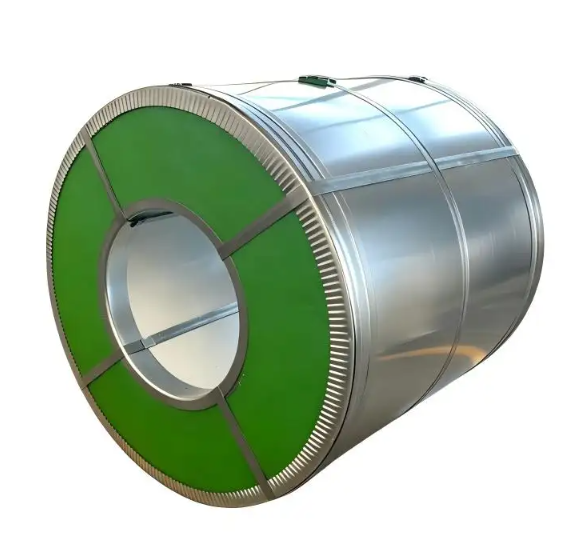
Learn why premium finish galvalume steel coil delivers better paint adhesion and visual consistency in finished building products. Request specs today.
2026/09/10
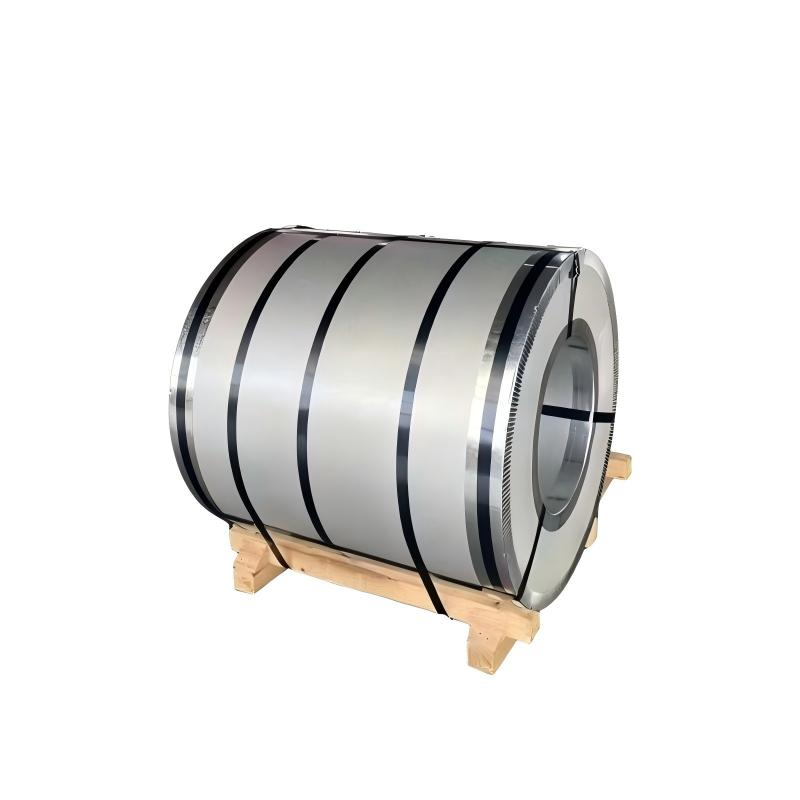
Learn why heavy coating galvalume steel coil provides superior corrosion resistance in harsh coastal settings and saves long-term maintenance costs.
2026/09/10
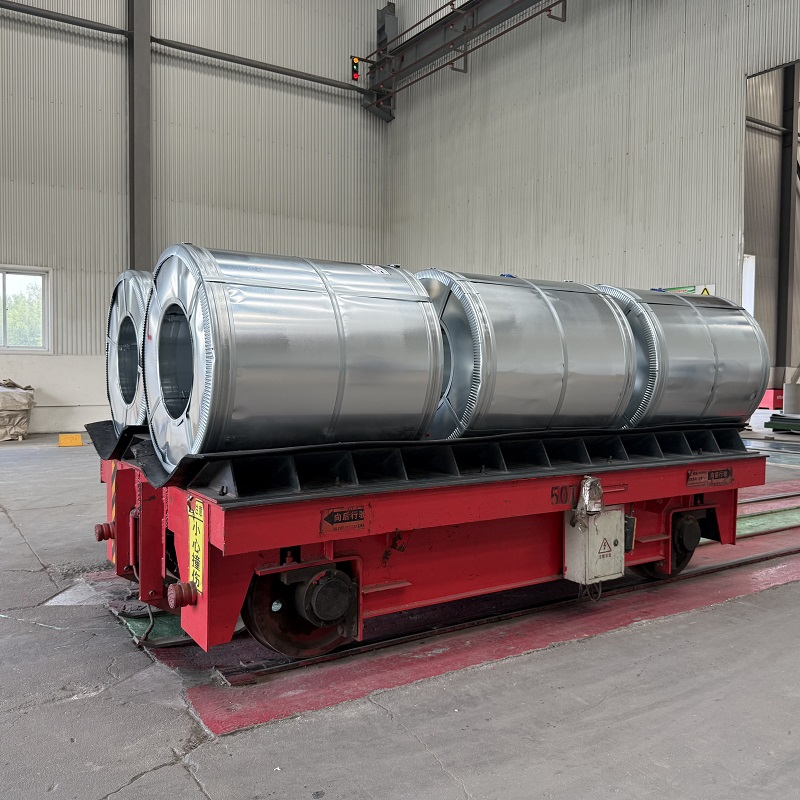
Learn how to test the bending performance of formable galvalume steel coil samples using T-bend testing to prevent cracking and scrap.
2026/09/10
Discover how multi specification galvalume steel coil simplifies purchasing, boosts productivity, and lowers costs for metal fabricators.
2026/09/10
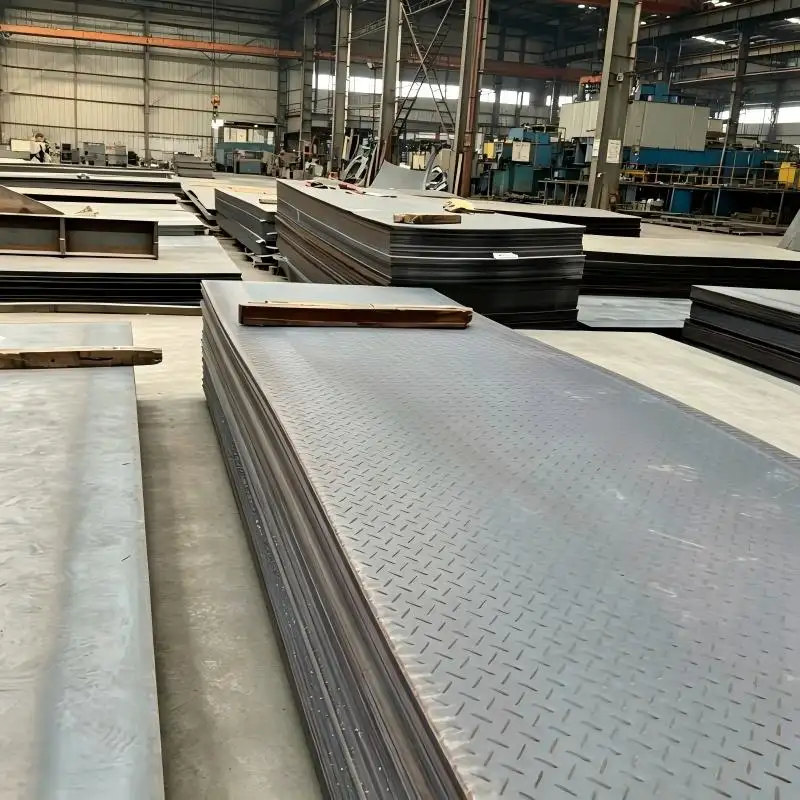
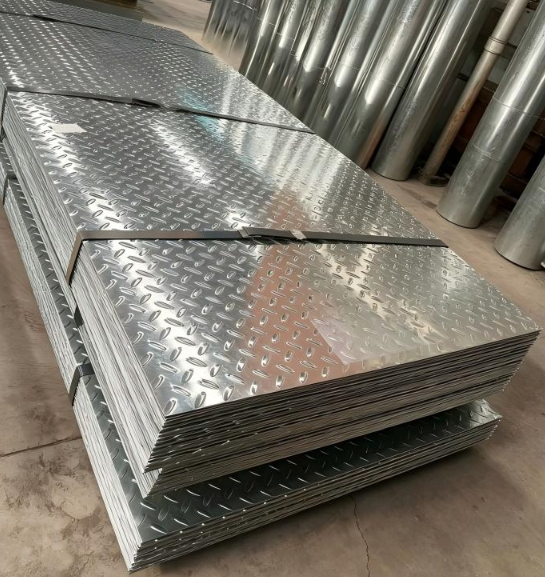
Discover why hot dipped galvanized steel and hot dip galvanized checkered plate offer ideal corrosion resistance and strength for road guardrails.
Covering green transformation, product comparison, selection guide, and industry empowerment, helping you fully grasp the dynamics of the color steel industry.

Global climate action and Belt and Road cooperation are driving the color steel industry’s shift toward green, sustainable development.

Comparing PPGI and PPGL across performance, durability, and applications to help you select the optimal coated steel for your project.
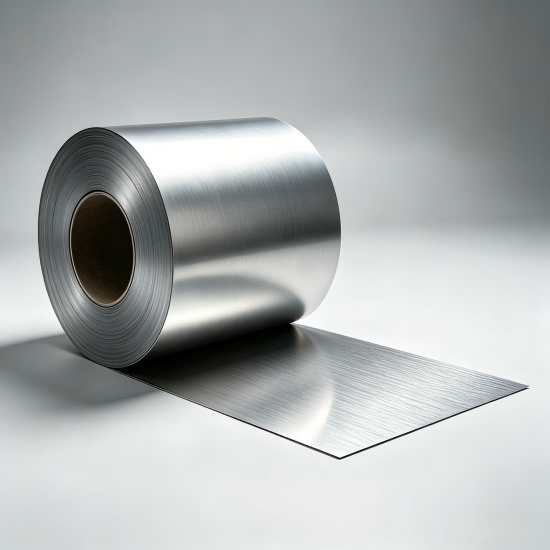
A practical guide to selecting and applying color steel coils, ensuring optimal performance, durability, and cost-effectiveness for your projects.
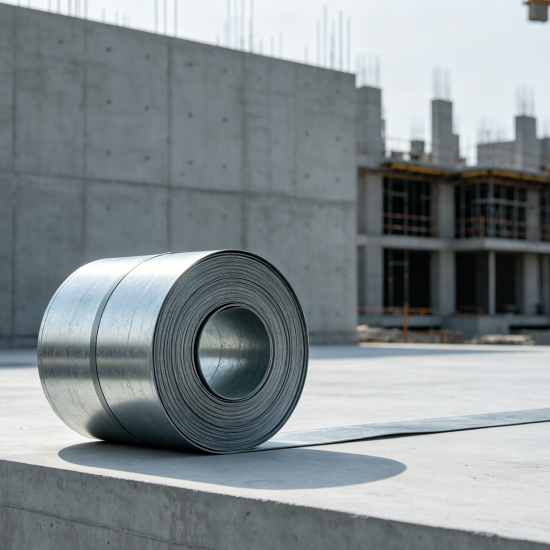
Industry forum drives digital and green transformation, empowering steel sector development through innovation and collaboration.