EN
EN

How to customize length size of precision cut GI coil finished sheets
2026/09/11
Learn how to specify precision cut GI coil sheets in custom lengths — tolerance selection, coating integrity, and ordering tips.
2026/08/20
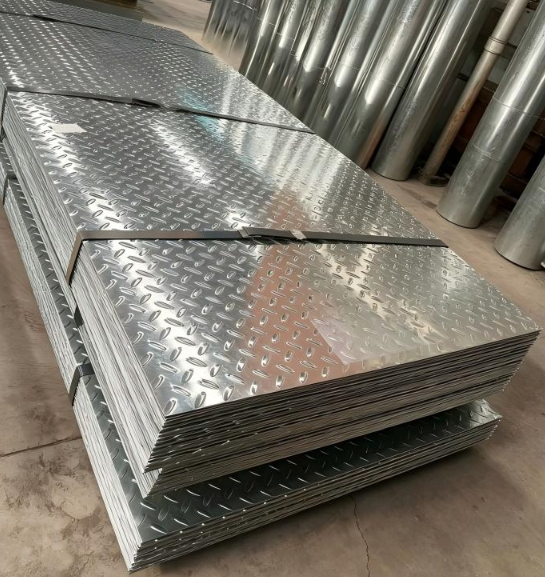
Industrial construction and global steel fabrication depend heavily on coated sheet products to protect buildings, appliances, and industrial structures from corrosion. For decades, standard galvanizing served as the default protective method for sheet metal. However, as outdoor operating conditions become more extreme, a galvalume coil offers a far superior protective option compared to traditional galvanized steel coil. Suppliers and contractors across Southeast Asia, the Middle East, Central Asia, and Africa now rely on aluminum-zinc coatings to achieve long-term durability in high-humidity and high-temperature environments.
Selecting the right protective coating directly affects project lifespan, repair costs, and structural safety. Comparing a GL steel coil against a standard galvanized steel coil reveals key performance differences in corrosion resistance, heat reflection, paint retention, and long-term operating costs. Understanding these material dynamics helps engineering teams choose the ideal coil specification for roofing panels, wall cladding, HVAC systems, and appliance housings.
The primary technical difference between a galvalume steel coil and a traditional galvanized steel coil lies within the chemical recipe of the protective layer applied over the cold-rolled base steel. Standard galvanized steel coil relies on a continuous hot-dip coating of pure zinc, usually applied at weights ranging from Z20 up to Z275. Zinc works as a sacrificial barrier, corroding away first to safeguard the structural steel underneath.
In contrast, a galvalume coil utilizes an alloy coating formulated with roughly 55 percent aluminum, 43.5 percent zinc, and 1.5 percent silicon by weight. This formulation creates a dual-action protective surface:
Aluminum Barrier Action: Aluminum creates a tough, passive oxide film on the coil surface, slowing down atmospheric oxidation and chemical erosion.
Zinc Sacrificial Action: Zinc continues to offer cathodic edge protection along sheared edges, cut ends, and micro-scratches.
Silicon Intermetallic Control: Silicon stabilizes the chemical reaction during continuous hot-dip processing, ensuring the coating bonds tightly to the core steel.
Combining these metallic properties produces a galvalume steel coil that easily outperforms single-element coatings in demanding environmental conditions.
Corrosion remains the single largest threat to steel structures exposed to weather, salt air, and industrial airborne pollutants. Extensive exposure testing proves that a GL steel coil delivers two to four times the service life of a standard galvanized steel coil carrying an equivalent coating thickness.
In coastal locations with heavy airborne chlorides, or industrial zones packed with sulfur dioxide, a traditional galvanized steel coil consumes its pure zinc coating fairly quickly. Once the zinc dissolves, red rust forms on the base steel. On a galvalume coil, microscopic aluminum-rich dendrites slow down surface oxidation, while zinc-rich pockets heal localized scratches.
Because a galvalume steel coil resists rust so effectively, architects regularly select it for coastal roofing, tropical wall cladding, and heavy industrial framing exposed to high humidity and intense sunlight.
Thermal performance is an important consideration for commercial roofing and wall panel design. A galvalume coil delivers exceptionally high heat reflectivity compared to a standard galvanized steel coil.
The high aluminum content across the surface of a galvalume steel coil reflects up to 75 percent of incoming solar infrared energy. By comparison, a conventional galvanized steel coil reflects only about 25 percent of solar heat, absorbing the remainder directly into the building structure.
Reduced Interior Heat Gain: High reflectivity lowers indoor air temperatures beneath exposed metal roofs.
Lower HVAC Demand: Cooler roof surfaces reduce air conditioning loads during peak summer heat.
Thermal Resistance: A GL steel coil retains its bright reflective finish longer, whereas standard galvanized metal darkens and loses reflectivity over time.
For facilities built in hot climates, using a galvalume steel coil helps lower ongoing energy consumption and improves interior working conditions.
Coating adhesion is essential when processing coils through roll-forming machines, press brakes, or slitting lines. Both galvalume steel coil and galvanized steel coil offer good mechanical formability, but their surface dynamics respond differently under extreme mechanical stress.
Adding silicon to the alloy mix of a GL steel coil forms a thin intermetallic layer that keeps the metallic coating tightly bonded to the base steel during bending or drawing. This tight bond minimizes flaking along tight roll-formed profiles and sheared edges.
| Performance Criteria | GL Steel Coil Performance | Galvanized Steel Coil Performance |
| Atmospheric Corrosion | Excellent (2x to 4x service life) | Moderate (Shorter life in coastal air) |
| Solar Heat Reflectivity | High (Reflects ~75% solar radiation) | Low (Reflects ~25% solar radiation) |
| Edge Cut Protection | Good (Dual aluminum-zinc reaction) | High (Pure cathodic zinc reaction) |
| Severe Deep Drawing | Good (Requires tailored lubricity) | Superior (Softer pure zinc layer) |
| Long-Term Lifecycle Cost | Exceptional (Low lifetime upkeep) | Moderate (Higher repair frequency) |
For severe deep-drawing tasks requiring extreme metal elongation, traditional galvanized steel coil remains a useful choice due to the softer nature of pure zinc. However, for standard profile roll forming, standing seam roofs, and wall panels, a galvalume coil provides exceptional formability alongside superior weather protection.
Purchasing steel requires balancing initial material price against total long-term maintenance costs. A galvalume steel coil typically carries a modest initial premium of 5 to 15 percent over a standard galvanized steel coil. However, evaluating life-cycle maintenance costs reveals a clear financial advantage for aluminum-zinc coatings.
Consider a commercial roof designed for a 25-year lifespan. In humid or industrial regions, a traditional galvanized steel coil often requires major rust repairs or recoating within 10 to 12 years. A galvalume coil handles the full 25-year service life with minimal maintenance.
Comparing the financial factors reveals distinct advantages across the project lifecycle:
Initial Material Cost: Galvanized steel coil is slightly cheaper upfront during raw procurement.
Service Lifespan: Galvalume steel coil lasts up to 4 times longer in equivalent weather conditions.
Structural Maintenance: GL steel coil requires far fewer recoat interventions and structural repairs.
Lifetime Value: Galvalume coil delivers a substantially lower total cost of ownership over time.
Savings on labor, replacement materials, and operational downtime make a GL steel coil the far more economical choice over the lifecycle of a facility.
A construction firm in the Middle East originally installed a galvanized steel coil conforming to DX51D+Z with a Z275 zinc weight for a 15,000-square-meter warehouse roof. Within five years of exposure to salty air and intense solar heat, edge rust appeared along cut ends and panel laps.
The engineering team chose a galvalume steel coil meeting DX51D+AZ specifications with an AZ150 coating weight for the replacement phase.
After three years of monitoring, inspection records showed zero visible red rust on the galvalume coil panels. The surface maintained color stability, and high heat reflection reduced interior building temperatures by an average of 4 degrees Celsius compared to remaining galvanized sections. Following these results, the firm standardized on a GL steel coil for all subsequent builds.
Frequently Asked Questions
What is the primary difference between galvalume steel coil and galvanized steel coil?
A galvalume coil uses a 55% aluminum, 43.5% zinc, and 1.5% silicon alloy coating, whereas a standard galvanized steel coil uses a pure zinc coating. The aluminum addition provides significantly higher heat reflectivity and up to four times better corrosion resistance in outdoor environments.
Can a galvalume coil replace a galvanized steel coil in every application?
In almost all building, roofing, appliance, and structural cladding applications, yes. However, for extreme deep-drawing operations that require maximum base metal softness, standard galvanized steel coil may still be preferred.
What coating weights are typically available for galvalume coil products?
Common coating weights for a galvalume steel coil range from AZ30 up to AZ185, depending on specific job requirements and atmospheric aggressiveness. Higher coating weights like AZ150 or AZ185 offer maximum protection for harsh marine or industrial sites.
Sourcing high-performance steel coils demands a manufacturing partner with flexible production lines, broad inventory, and reliable quality controls. Shenyang Yuanhe Steel produces and exports premium galvalume coil, GL steel coil, and galvanized steel coil products engineered to comply with ASTM A792, JIS G3312, and EN 10346 international standards.
Maintaining a persistent inventory exceeding 10,000 metric tons and supporting thicknesses from 0.09mm to 3.0mm, Shenyang Yuanhe Steel delivers reliable supply chain service, strict three-tier quality testing, and custom coil processing for construction and manufacturing clients across global markets.
2026/09/11
Learn how to specify precision cut GI coil sheets in custom lengths — tolerance selection, coating integrity, and ordering tips.
2026/09/11
Learn why premium finish galvalume steel coil delivers better paint adhesion and visual consistency in finished building products. Request specs today.
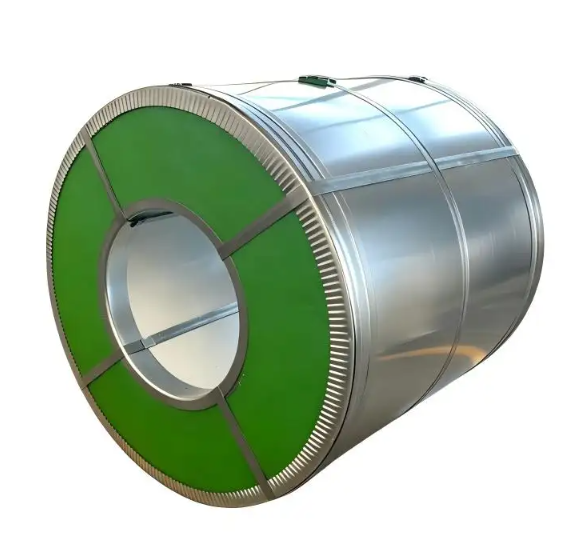
2026/09/10
Learn why heavy coating galvalume steel coil provides superior corrosion resistance in harsh coastal settings and saves long-term maintenance costs.
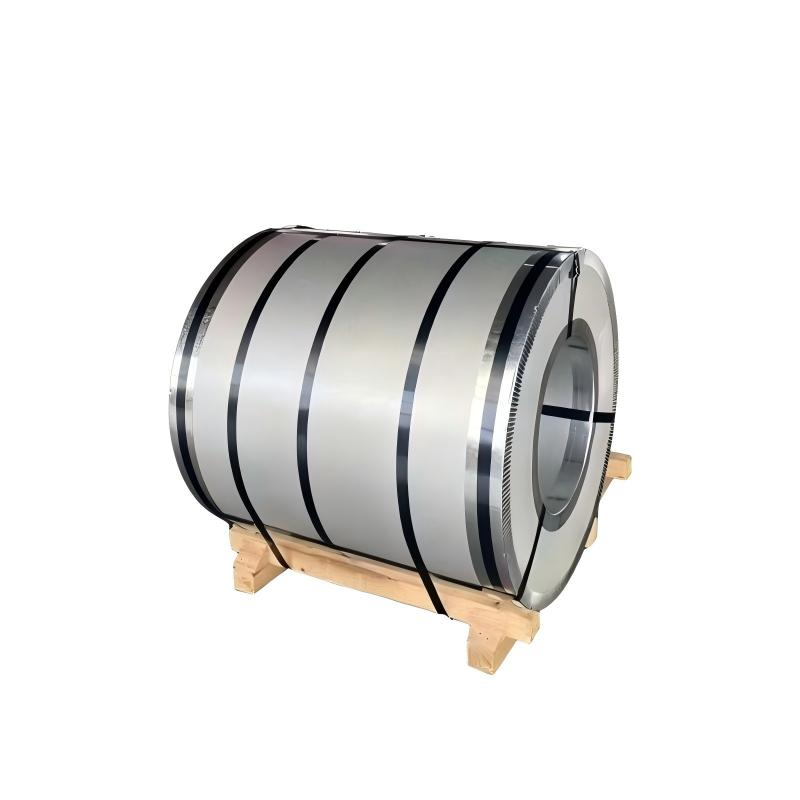
2026/09/10
Learn how to test the bending performance of formable galvalume steel coil samples using T-bend testing to prevent cracking and scrap.
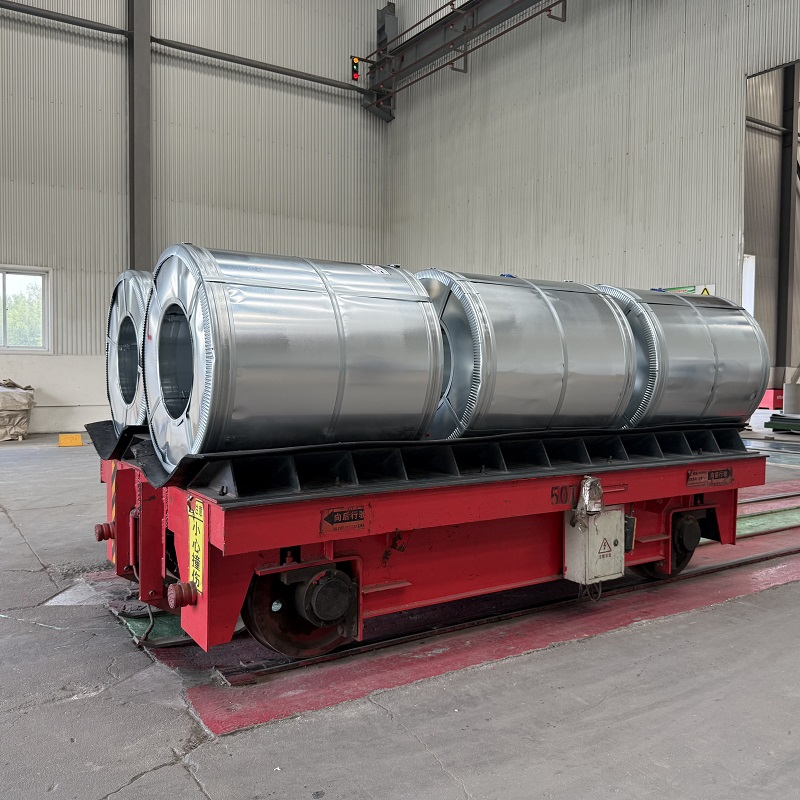
2026/09/10
Discover how multi specification galvalume steel coil simplifies purchasing, boosts productivity, and lowers costs for metal fabricators.
2026/09/10
Discover why hot dipped galvanized steel and hot dip galvanized checkered plate offer ideal corrosion resistance and strength for road guardrails.
Covering green transformation, product comparison, selection guide, and industry empowerment, helping you fully grasp the dynamics of the color steel industry.

Global climate action and Belt and Road cooperation are driving the color steel industry’s shift toward green, sustainable development.

Comparing PPGI and PPGL across performance, durability, and applications to help you select the optimal coated steel for your project.
A practical guide to selecting and applying color steel coils, ensuring optimal performance, durability, and cost-effectiveness for your projects.
Industry forum drives digital and green transformation, empowering steel sector development through innovation and collaboration.