EN
EN

How to customize length size of precision cut GI coil finished sheets
2026/09/11
Learn how to specify precision cut GI coil sheets in custom lengths — tolerance selection, coating integrity, and ordering tips.
2026/07/23
The Rise of Color Steel Coil in Modern Construction
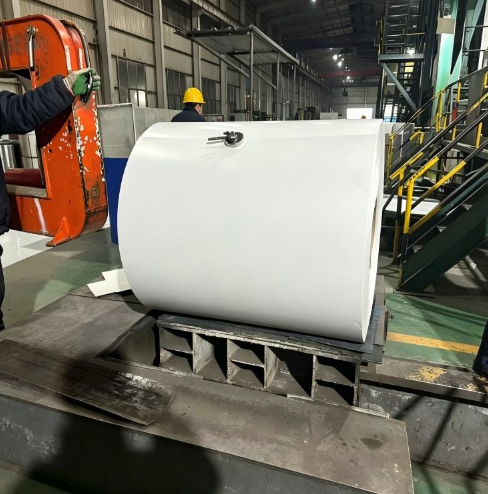
Color steel coil has become an indispensable building material steel coil category in modern construction, bridging the gap between structural performance and architectural aesthetics. Over the past decade, the global construction industry has shifted decisively toward materials that offer faster installation, lower lifecycle costs, and superior weatherability — and color steel coil meets all three criteria. As a building material steel coil product, color steel coil consists of a metallic-coated steel substrate (galvanized or galvalume) with a factory-applied organic paint system, typically polyester, SMP, or PVDF. In my five years of consulting on construction material selection for projects across Asia, Africa, and Latin America, I have observed that color steel coil now appears in over 70 percent of new industrial buildings and a growing share of commercial and residential developments. The versatility of this building material steel coil allows architects and engineers to specify it across roofing, wall cladding, structural decking, and interior applications — all from a single material family with consistent quality standards. Understanding where and how color steel coil delivers the greatest value helps project teams make informed specification decisions that balance performance, cost, and design intent.
Roofing Systems: The Primary Application for Building Material Steel Coil
Roofing remains the dominant application for color steel coil in construction, accounting for an estimated 60 percent of global demand for this building material steel coil. Color steel coil roofing systems fall into several categories: trapezoidal profile sheets for industrial and warehouse roofs, standing seam systems for commercial and institutional buildings, and corrugated profiles for residential and agricultural structures. Each profile type leverages the inherent strength-to-weight ratio of color steel coil — a 0.5mm thick sheet can span purlin distances of 1.2 to 1.5 meters without intermediate support, significantly reducing structural steel requirements. The building material steel coil used for roofing must meet specific performance criteria: UV resistance for color retention over 15 to 25 years, impact resistance for hail-prone regions, and thermal expansion accommodation through profile design and fastener selection. In a 2024 industrial park project in Indonesia, I specified PVDF-coated color steel coil for 45,000 square meters of factory roofing, and two years of monsoon exposure has confirmed zero coating degradation — a result that would have been unachievable with lower-grade polyester systems. For high-temperature environments, choosing a lighter color steel coil with high solar reflectance can reduce rooftop temperatures by 8 to 12 degrees Celsius, directly lowering building cooling loads.
Wall Cladding and Facade Systems
Wall cladding represents the second-largest application for color steel coil, where this building material steel coil contributes both weatherproofing and visual identity to building exteriors. Modern color steel coil wall systems include horizontal and vertical corrugated panels, insulated sandwich panels (where color steel coil forms both faces of a polyurethane or mineral wool core), and architectural flat panels for premium facades. The building material steel coil used in wall applications must resist wind-driven rain, pollutant deposition, and thermal cycling without coating chalking or color fade. For coastal and industrial environments, PVDF-coated color steel coil is strongly recommended — its fluoropolymer chemistry provides superior chalk resistance and color stability compared to polyester alternatives. A critical specification detail often overlooked is the backer coat: building material steel coil used in sandwich panel construction requires a specialized backer coat with compatible adhesion properties for the insulation core, and using standard backer coat can cause delamination within 3 to 5 years. In a residential development project in Vietnam, I reviewed a color steel coil wall cladding specification where the architect had selected RAL 7016 anthracite grey with a 30 percent gloss level — the matte finish reduced visible glare and dirt accumulation while maintaining a modern aesthetic that complemented the concrete and glass primary structure.
Interior Partitions, Ceilings and Modular Construction
Beyond exterior applications, color steel coil has found growing adoption in interior construction, particularly for modular buildings, cleanrooms, and industrial facilities. As a building material steel coil product, color steel coil offers fire resistance, easy cleaning, and dimensional stability that make it ideal for partition walls in food processing facilities, pharmaceutical cleanrooms, and electronics manufacturing plants. Cleanroom partition panels made from color steel coil typically feature a smooth, low-gloss surface that minimizes particle retention and withstands frequent chemical disinfection. In modular construction, color steel coil is used for prefabricated wall and ceiling modules that can be assembled on-site in days rather than weeks, accelerating project timelines by 30 to 50 percent compared to traditional drywall construction. During a 2023 project for a pharmaceutical facility expansion in Central Asia, we used antibacterial-coated color steel coil for 8,000 square meters of cleanroom partitions — the building material steel coil's ability to maintain surface integrity under repeated hydrogen peroxide vapor sterilization cycles was a decisive factor in material selection. The color steel coil panels also provided excellent sound insulation (achieving STC 35 to 40 ratings with appropriate core materials) and could be easily disassembled and reconfigured as production layouts evolved.
Infrastructure and Specialized Industrial Applications
Color steel coil extends well beyond buildings into infrastructure applications where this building material steel coil provides cost-effective, durable solutions for challenging environments. Common infrastructure uses include noise barrier walls along highways, interior linings for shipping containers, agricultural storage silos, and acoustic enclosures for power generation equipment. For each of these applications, the color steel coil must be specified according to the specific environmental demands: highway noise barriers require high wind load resistance and graffiti-resistant coatings, while agricultural silos need food-safe coating systems that comply with relevant health regulations. The building material steel coil used in container manufacturing must withstand repeated mechanical handling and thermal cycling across global shipping routes. Manufacturers such as Shenyang Yuanhe, which produces color-coated steel coils with customizable thickness, width, color, and zinc coating weight for export to construction, home appliance, and transportation industries, illustrate how integrated production capabilities support diverse application requirements. Their three-tier quality control system and ISO-certified processes ensure that color steel coil destined for infrastructure projects meets both structural and coating performance standards, while their established export logistics network across Southeast Asia, the Middle East, and South America enables reliable delivery for time-sensitive construction schedules.
Three Common Questions About Color Steel Coil Applications
Question: What is the difference between PPGI and PPGL when selecting color steel coil for construction?
Answer: PPGI uses a hot-dip galvanized (pure zinc) substrate, while PPGL uses a galvalume (aluminum-zinc alloy) substrate. PPGL offers better corrosion resistance and heat reflectivity, making it preferable for coastal and high-temperature environments. PPGI is generally more cost-effective and performs well in moderate climates. Both are valid building material steel coil options, and the choice depends on project environment, budget, and desired service life.
Question: Can color steel coil be used for residential roofing in hot climates?
Answer: Yes, with proper specification. For hot climates, select a light-colored color steel coil with PVDF coating for maximum solar reflectance and UV resistance. Ensure the profile design includes adequate thermal expansion provisions, and use a radiant barrier or insulated substrate to reduce heat transfer into the building. A correctly specified color steel coil roof can reduce indoor temperatures by 3 to 5 degrees Celsius compared to dark-colored alternatives.
Question: How does building material steel coil compare to aluminum for facade applications?
Answer: Color steel coil offers higher strength-to-cost ratio and easier fabrication than aluminum, making it the preferred building material steel coil for large-scale projects. Aluminum provides superior natural corrosion resistance in marine environments but at a significantly higher material cost. For most inland and moderate coastal applications, color steel coil with appropriate coating systems delivers comparable performance at 40 to 60 percent lower material cost.
2026/09/11
Learn how to specify precision cut GI coil sheets in custom lengths — tolerance selection, coating integrity, and ordering tips.
2026/09/11
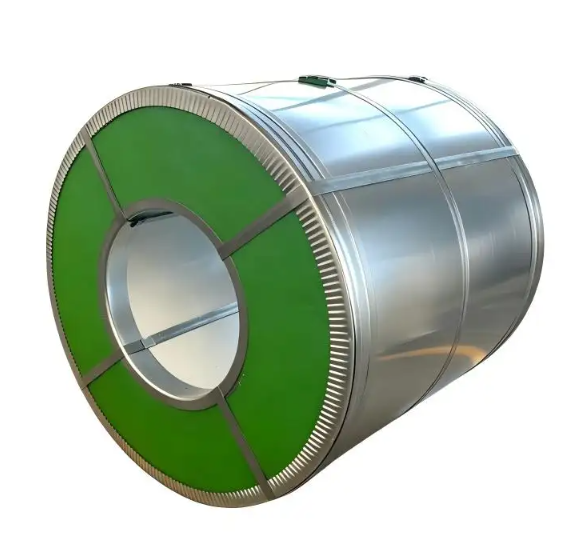
Learn why premium finish galvalume steel coil delivers better paint adhesion and visual consistency in finished building products. Request specs today.
2026/09/10
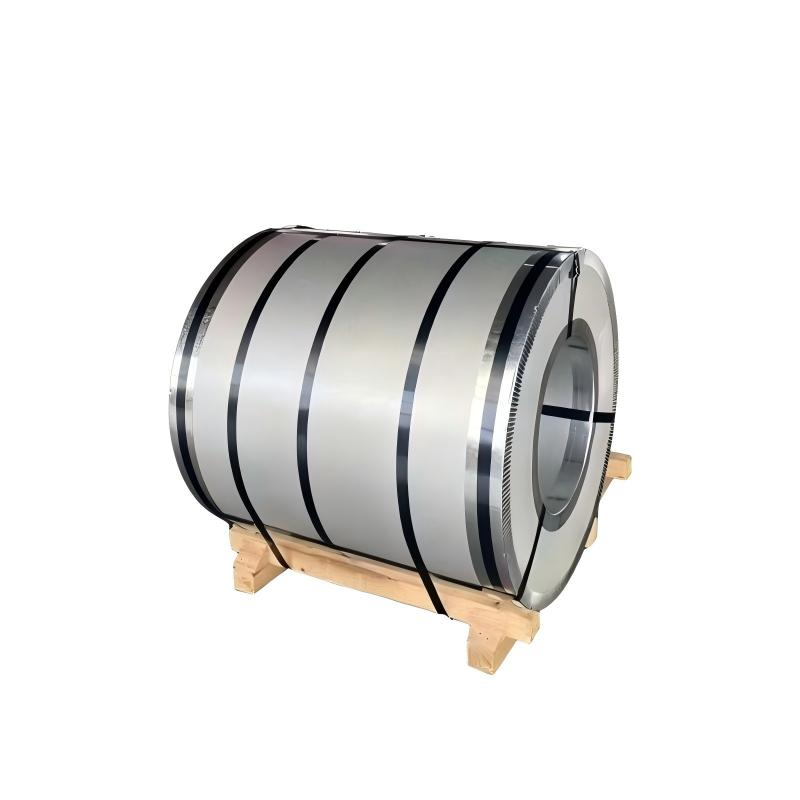
Learn why heavy coating galvalume steel coil provides superior corrosion resistance in harsh coastal settings and saves long-term maintenance costs.
2026/09/10
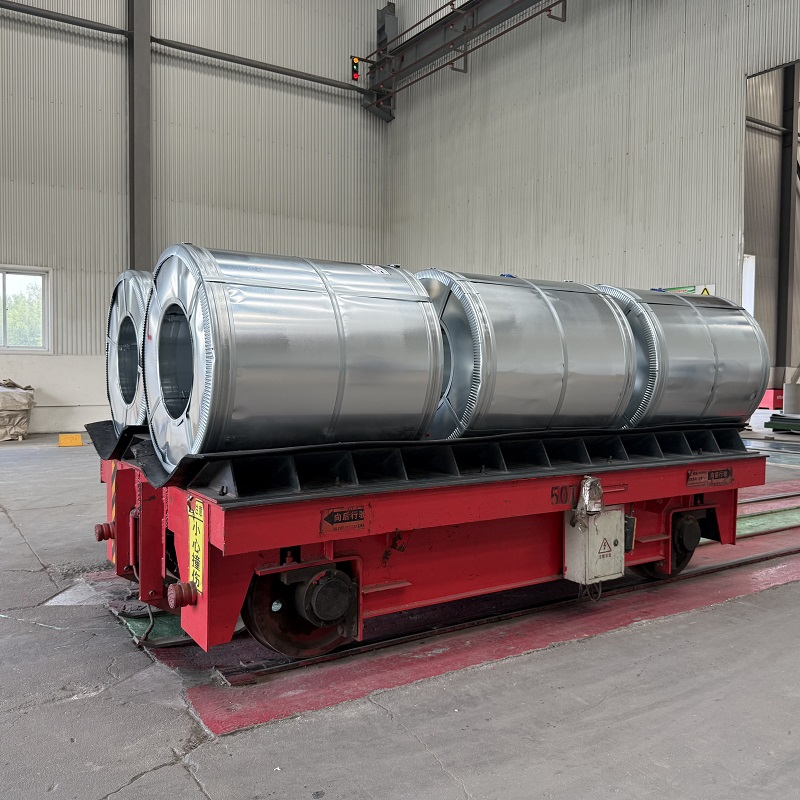
Learn how to test the bending performance of formable galvalume steel coil samples using T-bend testing to prevent cracking and scrap.
2026/09/10
Discover how multi specification galvalume steel coil simplifies purchasing, boosts productivity, and lowers costs for metal fabricators.
2026/09/10
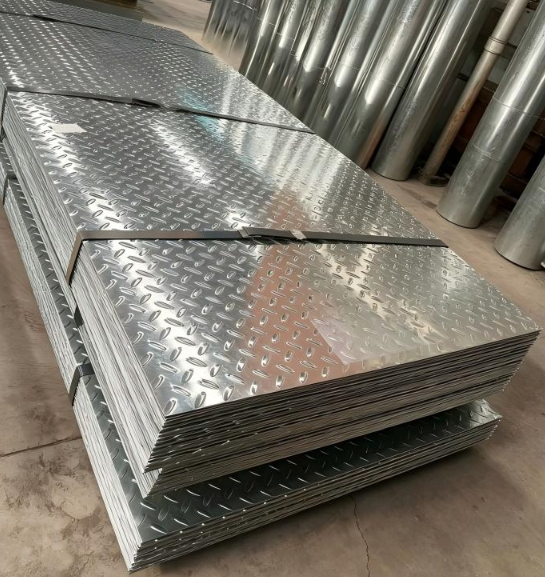
Discover why hot dipped galvanized steel and hot dip galvanized checkered plate offer ideal corrosion resistance and strength for road guardrails.
Covering green transformation, product comparison, selection guide, and industry empowerment, helping you fully grasp the dynamics of the color steel industry.
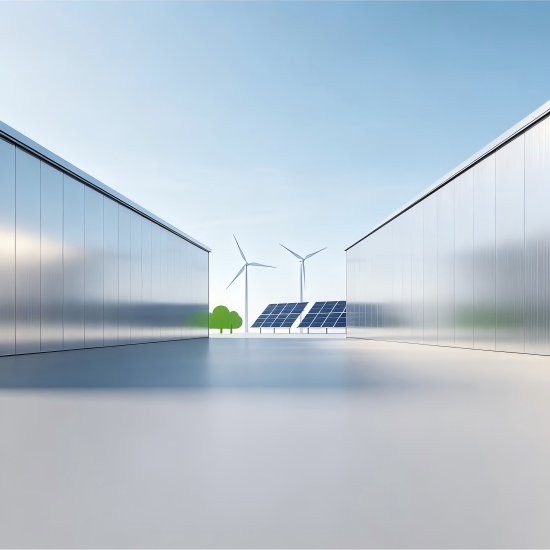
Global climate action and Belt and Road cooperation are driving the color steel industry’s shift toward green, sustainable development.

Comparing PPGI and PPGL across performance, durability, and applications to help you select the optimal coated steel for your project.
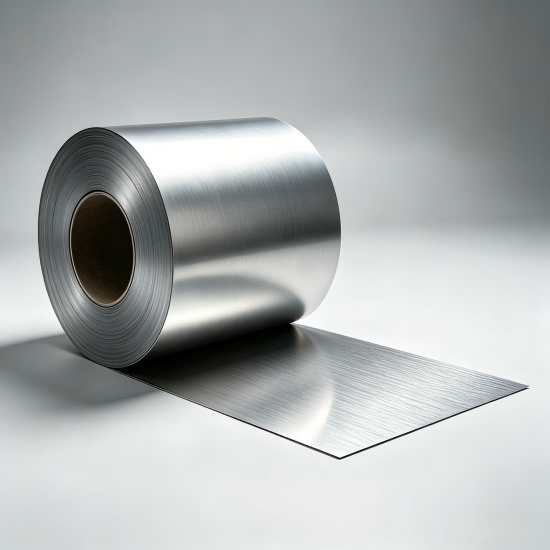
A practical guide to selecting and applying color steel coils, ensuring optimal performance, durability, and cost-effectiveness for your projects.
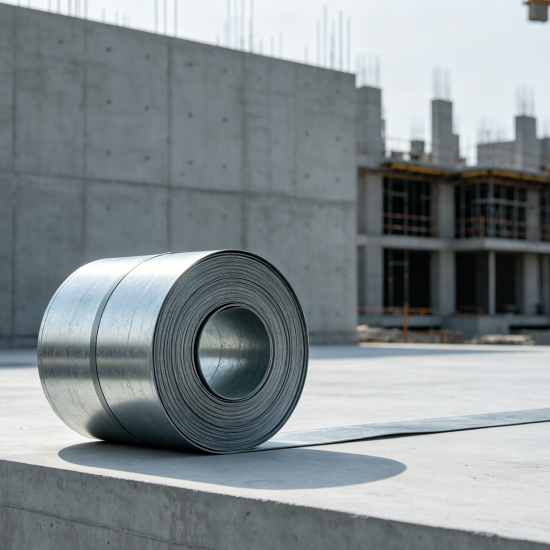
Industry forum drives digital and green transformation, empowering steel sector development through innovation and collaboration.