EN
EN

How to customize length size of precision cut GI coil finished sheets
2026/09/11
Learn how to specify precision cut GI coil sheets in custom lengths — tolerance selection, coating integrity, and ordering tips.
2026/08/03
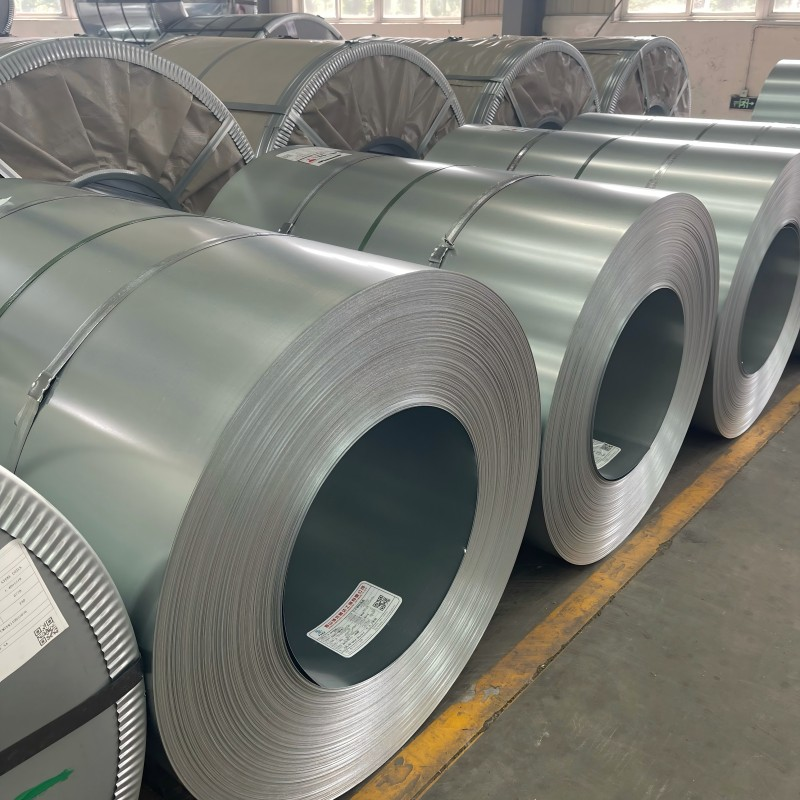
Hot rolled steel coil is manufactured by processing steel slabs at elevated temperatures above 926 degrees Celsius, a thermal threshold where steel remains in its ductile austenitic state. This process requires significantly lower rolling force compared to room-temperature reduction, producing heavy gauge material with minimal internal residual stress, excellent field weldability, and a characteristic blue-grey oxide scale. From an economic perspective, hot rolled steel coil delivers a substantial cost advantage over cold rolled alternatives, typically running 15 to 25 percent lower per ton due to skipping energy-intensive annealing and multi-pass cold reduction steps. For heavy industrial fabrication where surface finish remains secondary to structural load capacity and wall thickness exceeds 1.0 millimeter, hr coil sheet stands as the foundational material across global infrastructure, manufacturing, and energy sectors.
Civil construction and structural infrastructure represent the primary consumer channel for global production, absorbing well over half of total output annually. Within this high-tonnage market, raw hr coil sheet is processed through uncoiling, leveling, and cutting lines to produce heavy structural components, including structural I-beams, H-sections, channels, angle iron, and floor decking plates for bridge girders and multi-story buildings.
Standard structural steel grades such as Q235 and Q345 remain dominant across structural design specifications because their yield strengths of 235 MPa and 345 MPa match standard international building codes. For seismic active regions or cold-climate construction, structural designers specify higher performance hot rolled steel grades like Q345B or Q355D, which guarantee sub-zero impact toughness down to minus 20 degrees Celsius. A standard multi-story commercial tower routinely requires thousands of metric tons of structural steel, making reliable mill-direct sourcing of hot rolled steel coil vital for keeping major construction projects on schedule.
Shipbuilding serves as another core pillar of heavy gauge material consumption, with ocean-going commercial vessels and offshore platforms requiring massive volumes of structural plate and coil. Marine engineering demands heavy-duty hot rolled steel grades, including AH36, DH36, and St52, which combine yield strengths of 355 MPa with certified notch toughness for hull plating exposed to harsh maritime conditions.
Every heat lot of hr coil sheet destined for marine fabrication must satisfy strict international classification society standards, such as ABS, DNV, LR, and CCS. These certifications require comprehensive mill test documentation verifying chemical composition, tensile strength, elongation, and ultrasonic sound tightness. Beyond main hull plates, hot rolled steel coil is heavily utilized for deck stiffeners, bulkheads, hatch covers, and tank walls. Dimensional uniformity and surface flatness are critical operational factors, as consistent hr coil sheet dimensions directly improve fit-up accuracy and robotic welding efficiency on building berths.
In vehicle manufacturing, hot rolled steel coil provides essential structural strength for chassis frame rails, cross members, heavy axle housings, wheel rims, and suspension mounting brackets. Automotive manufacturing grades like SAPH440, SPFH540, and specialized high-strength hot rolled steel grades deliver yield strengths ranging from 295 to 540 MPa while maintaining controlled carbon equivalents below 0.38 percent to ensure robust spot and seam welding performance.
Heavy commercial truck frames typically utilize 5 to 8 millimeter thick hr coil sheet processed through precision slitting, blanking, and high-tonnage stamping operations. Automotive component fabricators require hot rolled steel coil with tight thickness tolerances, often relying on temper-rolled or pickled and oiled surface conditions. The expanding range of carbon steel coil applications in transport engineering demonstrates that high-strength hot rolled steel coil remains irreplaceable where dynamic fatigue resistance and high strength-to-cost ratios are mandatory.
Energy transmission projects represent a highly specialized, high-volume market for structural steel materials. Submerged arc welded line pipes used in long-distance oil, gas, and slurry pipelines rely on high-grade hot rolled steel coil meeting API 5L standards from X42 through X80 grades, providing yield strengths between 290 and 555 MPa.
Pipeline manufacturing demands exceptional metallurgical purity in hot rolled steel coil, including sulfur content maintained below 0.005 percent, micro-alloying with elements such as niobium and vanadium, and verified Charpy impact energy at extreme sub-zero temperatures. Beyond fossil fuel pipelines, renewable energy infrastructure relies heavily on versatile hot rolled steel grades. Wind turbine tower flanges, tubular monopiles, and ground-mounted solar racking platforms consume significant quantities of heavy-gauge hr coil sheet designed to endure decades of severe weathering.
Selecting the appropriate material grade requires matching project specifications with core structural properties. The table below outlines key parameters across common industrial grades:
| Steel Grade Standard | Yield Strength (MPa) | Typical Thickness | Core Carbon Steel Coil Applications | Welding Capabilities |
| Q235 / SS400 | 235 | 1.0 - 25.0 mm | General structural framing, base plates, equipment housing | Superior weldability without preheat |
| Q345 / S355 | 345 | 3.0 - 25.0 mm | Structural building frames, bridge girders, heavy cranes | Excellent structural weldability |
| Q460 / A572Gr50 | 460 | 5.0 - 25.0 mm | Heavy mining equipment, high-load columns, crane booms | Good weldability with controlled preheat |
| St37 / S235 | 235 | 1.0 - 16.0 mm | Automotive chassis parts, stamped structural brackets | Exceptional cold forming characteristics |
| St52 / S275 | 275 | 2.0 - 20.0 mm | Marine deck structures, pressure vessel components | High toughness and field weldability |
Procuring heavy industrial steel for large-scale projects requires thorough evaluation of material standards, processing capacities, and supply chain stability:
Material Standard Compliance: Ensuring suppliers offer comprehensive hot rolled steel grades spanning commercial to high-strength structural specifications, fully backed by mill test certificates meeting ASTM, EN, JIS, or GB standards.
In-House Processing Capacities: Access to advanced decoiling, precision slitting, edge trimming, and custom cut-to-length processing simplifies site logistics and reduces downstream fabrication costs.
Global Logistics Reliability: Maintaining substantial ready inventory allows rapid order fulfillment and minimizes lead times for project-critical supply schedules.
Serving engineering and industrial fabrication clients worldwide, Yuanhe Steel carries a standing inventory exceeding 10,000 tons of hot rolled steel coil and hr coil sheet across full gauge spectra. Operating state-of-the-art uncoiling lines, high-precision slitting facilities, and comprehensive quality testing units covering dimensional verification and chemical analysis, Yuanhe Steel delivers customized steel solutions with fast 6 to 14 day export dispatch windows across Southeast Asia, Central Asia, Europe, and the Middle East.
Hot rolled steel coil is processed at temperatures exceeding 926 degrees Celsius, producing a surface oxide scale and standard mill tolerances. Cold rolled coil receives further room-temperature reduction, yielding tighter thickness precision and smoother surfaces but at a 15 to 25 percent higher cost per ton.
Structural grades such as Q345B, Q345C, and S355JR with certified sub-zero Charpy impact toughness are recommended for seismic active zones. These hot rolled steel grades preserve structural ductility under dynamic seismic loading conditions.
Heavy machinery manufacturing requires robust materials capable of enduring high mechanical stress. Utilizing structural hr coil sheet provides high tensile endurance, easy flame cutting, and reliable weldability while optimizing overall material expenditure.
2026/09/11
Learn how to specify precision cut GI coil sheets in custom lengths — tolerance selection, coating integrity, and ordering tips.
2026/09/11
Learn why premium finish galvalume steel coil delivers better paint adhesion and visual consistency in finished building products. Request specs today.
2026/09/10
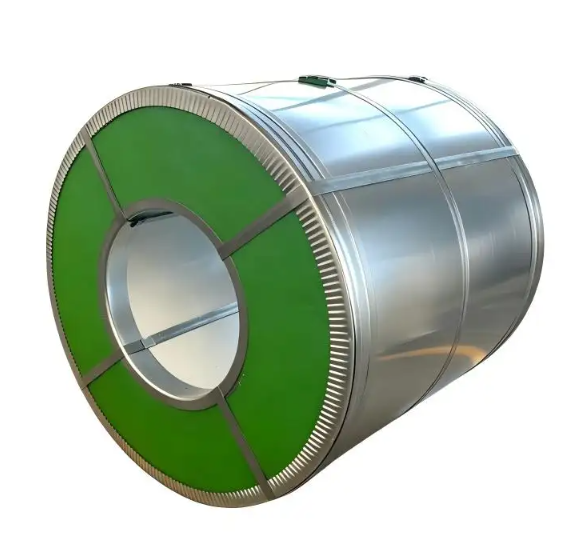
Learn why heavy coating galvalume steel coil provides superior corrosion resistance in harsh coastal settings and saves long-term maintenance costs.
2026/09/10
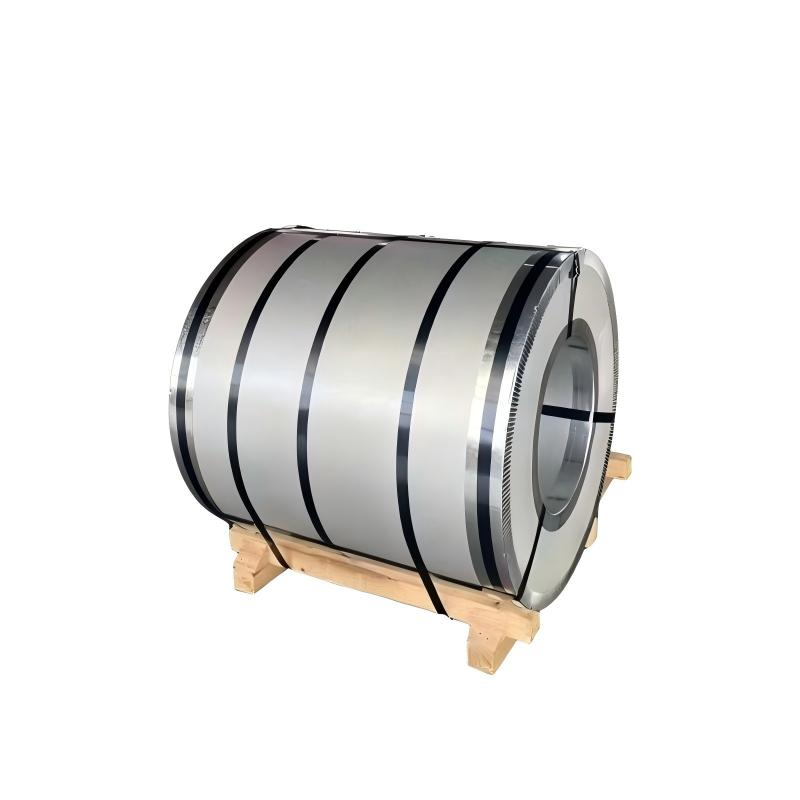
Learn how to test the bending performance of formable galvalume steel coil samples using T-bend testing to prevent cracking and scrap.
2026/09/10
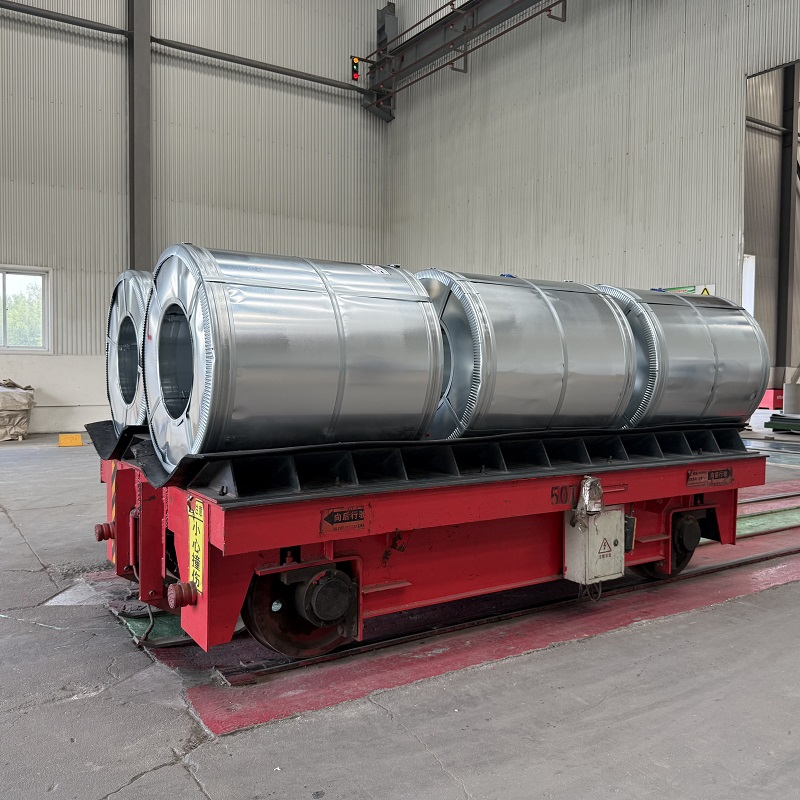
Discover how multi specification galvalume steel coil simplifies purchasing, boosts productivity, and lowers costs for metal fabricators.
2026/09/10
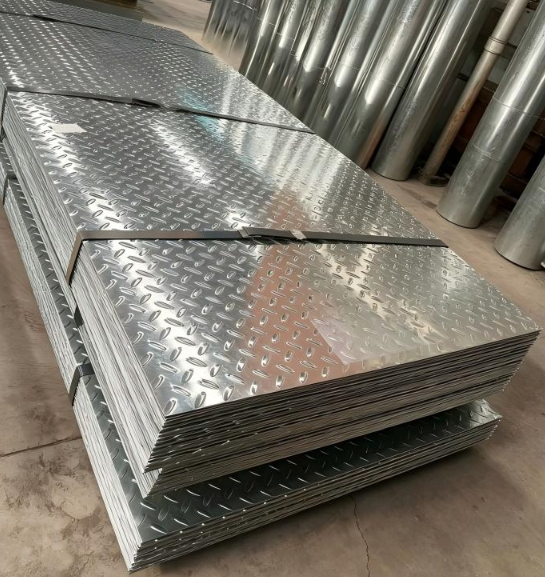
Discover why hot dipped galvanized steel and hot dip galvanized checkered plate offer ideal corrosion resistance and strength for road guardrails.
Covering green transformation, product comparison, selection guide, and industry empowerment, helping you fully grasp the dynamics of the color steel industry.

Global climate action and Belt and Road cooperation are driving the color steel industry’s shift toward green, sustainable development.

Comparing PPGI and PPGL across performance, durability, and applications to help you select the optimal coated steel for your project.
A practical guide to selecting and applying color steel coils, ensuring optimal performance, durability, and cost-effectiveness for your projects.
Industry forum drives digital and green transformation, empowering steel sector development through innovation and collaboration.