EN
EN

How to customize length size of precision cut GI coil finished sheets
2026/09/11
Learn how to specify precision cut GI coil sheets in custom lengths — tolerance selection, coating integrity, and ordering tips.
2026/08/01
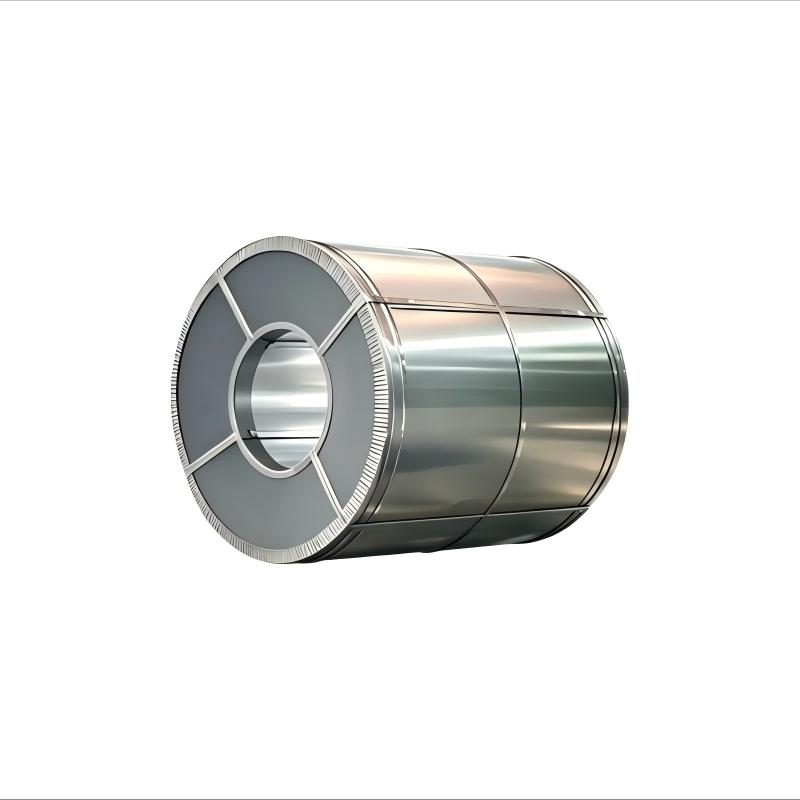
Humid tropical environments present a uniquely aggressive combination of corrosion factors that accelerate metal degradation far beyond what is observed in temperate or dry climates. In regions such as Southeast Asia, equatorial Africa, the Amazon basin, and Pacific island nations, a ppgi steel sheet must contend with relative humidity consistently above 75 percent and often reaching 90 to 95 percent during monsoon seasons, ambient temperatures averaging 28 to 35 degrees Celsius year-round with peak metal surface temperatures reaching 60 to 70 degrees Celsius on sun-exposed roofs, intense ultraviolet radiation due to proximity to the equator, frequent heavy rainfall that alternates with rapid drying, creating aggressive wet-dry cycling, and biological growth factors including mold, mildew, and algae that can establish on coating surfaces and create localized acidic microenvironments. Understanding how an anti-corrosion prepainted coil performs under these combined stresses is essential for anyone specifying building materials for tropical projects. Our experience supplying weather resistant prepainted coil to tropical markets across Southeast Asia and Africa has provided practical insights into what specifications deliver reliable long-term performance in these conditions.
The corrosion mechanism in humid tropical environments differs fundamentally from that in drier climates. In temperate zones, corrosion is episodic, driven by periodic rain or condensation events with extended dry periods in between that allow metal surfaces to dry and corrosion cells to become dormant. In the tropics, the persistently high humidity maintains a thin, invisible moisture film on metal surfaces almost continuously, ensuring that any corrosion cells that initiate remain electrochemically active rather than going dormant. A ppgi steel sheet with an identical coating specification will typically experience corrosion initiation 2 to 4 times faster in a tropical environment than in a temperate one. This acceleration is driven primarily by the time-of-wetness factor, the percentage of time that the metal surface remains wet enough for electrochemical corrosion to proceed. In tropical environments, the time-of-wetness can exceed 6,000 hours per year, compared to 2,000 to 4,000 hours in temperate climates. This extended wet period means that any breach in the protective coating system, whether from a scratch, cut edge, or microscopic coating defect, will begin corroding much sooner and progress more rapidly than the same defect in a drier climate.
The choice between galvanized (GI) and galvalume (GL/aluzinc) substrate is more consequential in tropical environments than in any other climate zone. Conventional galvanized substrate on an anti-corrosion prepainted coil relies on zinc for sacrificial protection. In tropical conditions, the zinc consumption rate is significantly accelerated by the high time-of-wetness. A Z180 coating that might provide 20 years of protection in a dry inland environment could be consumed in 10 to 12 years in a humid tropical setting. Galvalume substrate, with its 55 percent aluminum and 43.4 percent zinc alloy coating, provides dramatically better tropical performance. The aluminum component forms a stable, passive barrier layer that resists the continuous moisture exposure characteristic of tropical environments. The zinc component provides sacrificial protection at cut edges and scratches. Field studies in Southeast Asian tropical exposure sites have demonstrated that galvalume substrate outperforms galvanized by a factor of 2 to 4 in terms of corrosion resistance under identical tropical exposure conditions. For a weather resistant prepainted coil destined for humid tropical use, specifying a galvalume substrate at AZ100 minimum, and preferably AZ150 for coastal tropical locations, is one of the most impactful specification decisions a buyer can make.
The coating system on a ppgi steel sheet must address three distinct tropical degradation mechanisms simultaneously: UV-induced photochemical degradation, which causes chalking, color fading, and loss of coating flexibility; hydrolytic degradation, where water molecules penetrate the coating and attack the polymer binder or the coating-substrate interface; and thermal cycling stress, where daily temperature swings of 30 to 40 degrees Celsius between day and night cause differential expansion and contraction between the coating and the steel substrate. For tropical applications, standard PE coatings are generally inadequate for exterior use beyond 5 years. SMP coatings provide improved UV and moisture resistance and are suitable for applications where a 7 to 10 year appearance life is acceptable. HDP coatings represent the minimum recommended specification for most tropical exterior applications, offering 15 to 20 years of performance through advanced resin chemistry that resists both UV and hydrolytic attack. PVDF coatings provide the highest level of tropical durability, with documented service lives exceeding 25 years in tropical Asian and Caribbean exposure sites.
In humid tropical environments, cut edges and fabrication damage represent the most common initiation points for corrosion on an otherwise high-performance ppgi steel sheet. When a prepainted coil is cut, slit, punched, or drilled, bare steel is exposed at the cut edge. In temperate climates, the zinc or aluminum-zinc coating adjacent to the cut provides adequate cathodic protection to prevent edge rust for many years. In tropical conditions, the accelerated zinc consumption rate means that edge protection is often exhausted more quickly, and edge rust can appear within 1 to 3 years on galvanized substrate even with a high-quality topcoat. Mitigation strategies for tropical applications include specifying galvalume substrate, which provides approximately 3 times better cut-edge protection than galvanized in tropical conditions; applying edge repair primer or cold galvanizing compound to all cut edges immediately after fabrication, ideally within 24 hours; designing profiles and details that minimize exposed cut edges, such as folded hems that hide the cut edge or overlapping joints that shield edges from direct rain exposure; and using stainless steel or heavily galvanized fasteners with EPDM sealing washers to prevent galvanic corrosion at fastener penetrations. These detailing practices, while adding modest fabrication cost, dramatically extend the service life of an anti-corrosion prepainted coil in tropical service.
Practical field experience provides the most reliable evidence of long-term performance. A factory building in Vietnam, located approximately 50 kilometers inland and roofed with 0.40mm ppgi steel sheet with PE coating on Z180 galvanized substrate, began showing visible edge rust at cut sheet ends within 3 years of installation. The rust was primarily cosmetic and did not affect structural integrity, but it required touch-up maintenance to prevent progression. A warehouse in the same industrial park, roofed with 0.40mm weather resistant prepainted coil with HDP coating on AZ150 galvalume substrate, showed no visible corrosion at 6 years post-installation despite identical environmental exposure. A coastal resort in Thailand, with PVDF-coated PPGL panels on AZ150 substrate installed within 300 meters of the shoreline, showed no measurable color change or visible corrosion after 8 years of tropical marine exposure. These field observations consistently demonstrate that the incremental cost of upgrading from PE on GI to HDP or PVDF on GL substrate in tropical environments is returned many times over through extended maintenance-free service life and reduced lifecycle costs. For buyers seeking reliable anti-corrosion prepainted coil performance in tropical environments, the selection of an appropriate supplier is equally important. Shenyang Yuanhe Steel provides weather resistant prepainted coil with a range of substrate and coating options, including galvalume-based products with HDP and PVDF coatings suitable for the most demanding tropical applications, supported by technical guidance on specification selection for specific environmental conditions.
2026/09/11
Learn how to specify precision cut GI coil sheets in custom lengths — tolerance selection, coating integrity, and ordering tips.
2026/09/11
Learn why premium finish galvalume steel coil delivers better paint adhesion and visual consistency in finished building products. Request specs today.
2026/09/10
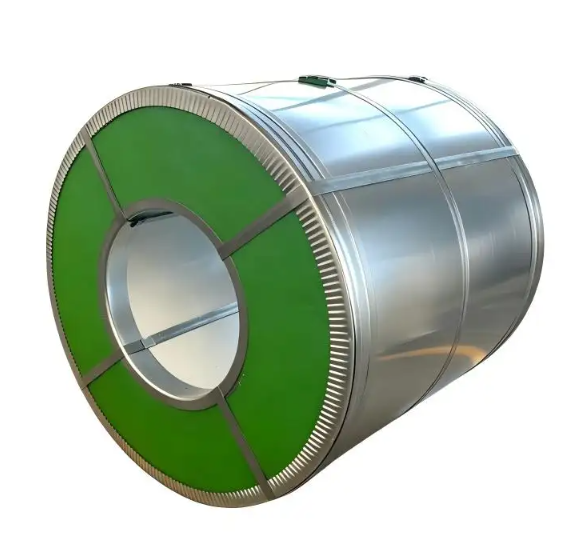
Learn why heavy coating galvalume steel coil provides superior corrosion resistance in harsh coastal settings and saves long-term maintenance costs.
2026/09/10
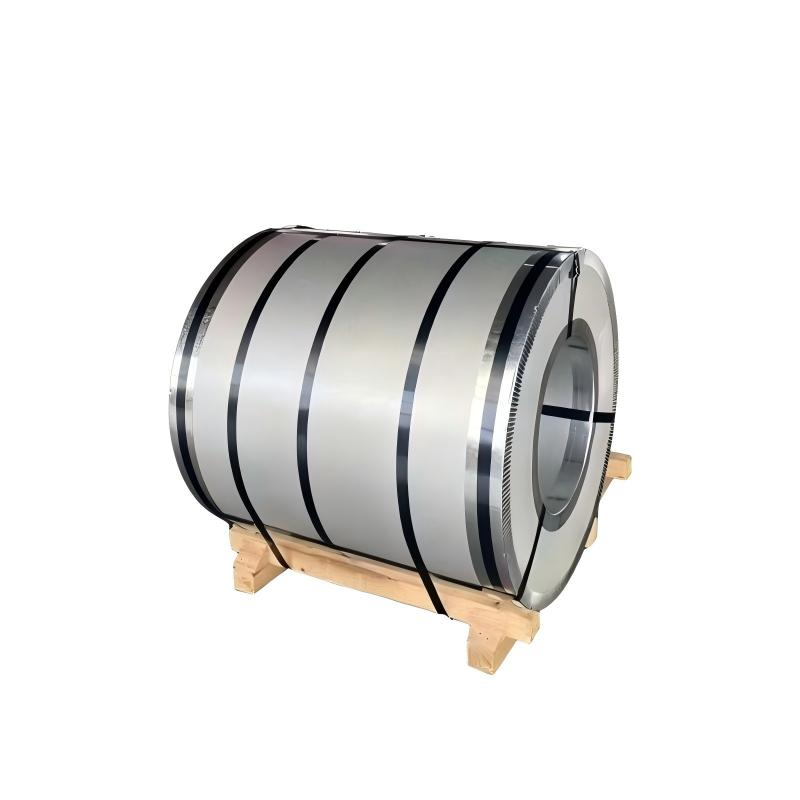
Learn how to test the bending performance of formable galvalume steel coil samples using T-bend testing to prevent cracking and scrap.
2026/09/10
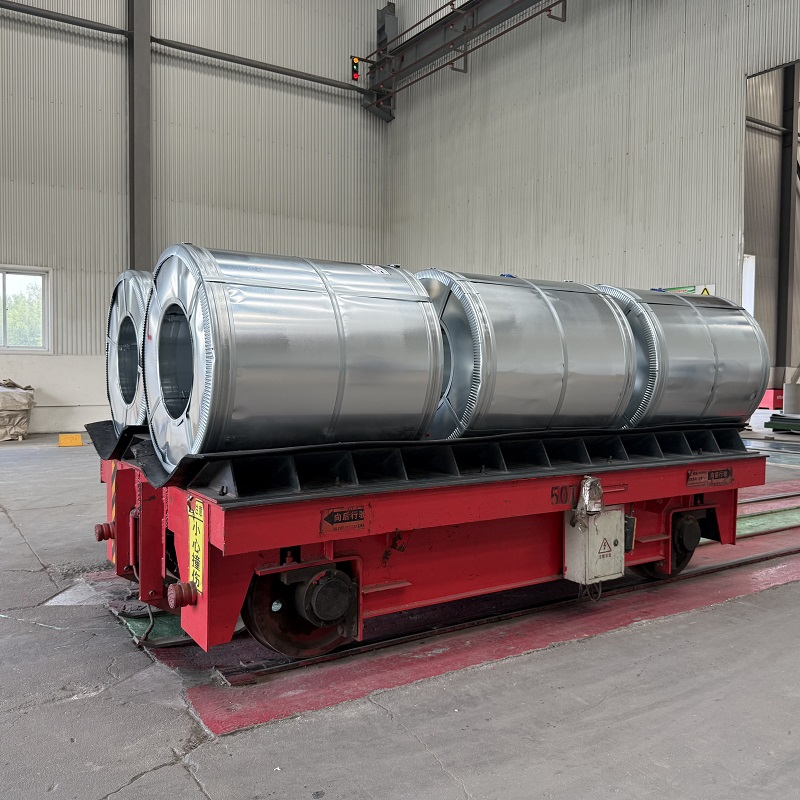
Discover how multi specification galvalume steel coil simplifies purchasing, boosts productivity, and lowers costs for metal fabricators.
2026/09/10
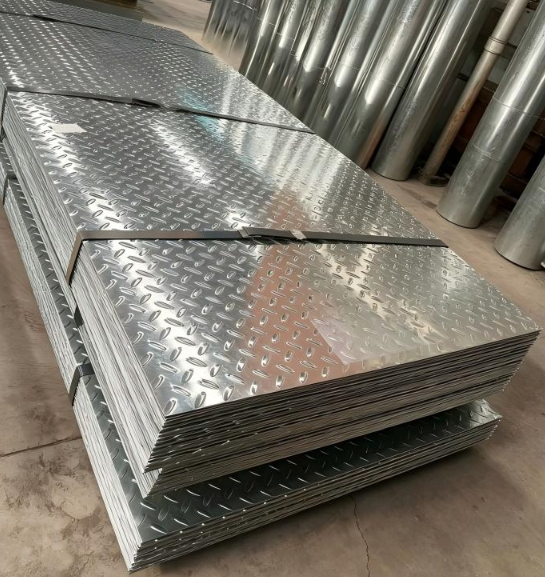
Discover why hot dipped galvanized steel and hot dip galvanized checkered plate offer ideal corrosion resistance and strength for road guardrails.
Covering green transformation, product comparison, selection guide, and industry empowerment, helping you fully grasp the dynamics of the color steel industry.
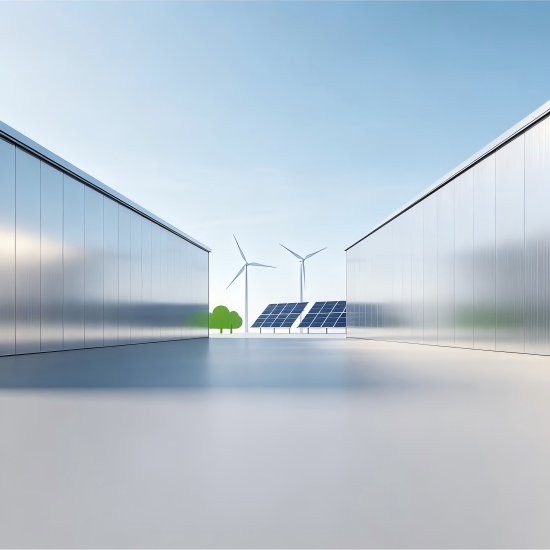
Global climate action and Belt and Road cooperation are driving the color steel industry’s shift toward green, sustainable development.

Comparing PPGI and PPGL across performance, durability, and applications to help you select the optimal coated steel for your project.
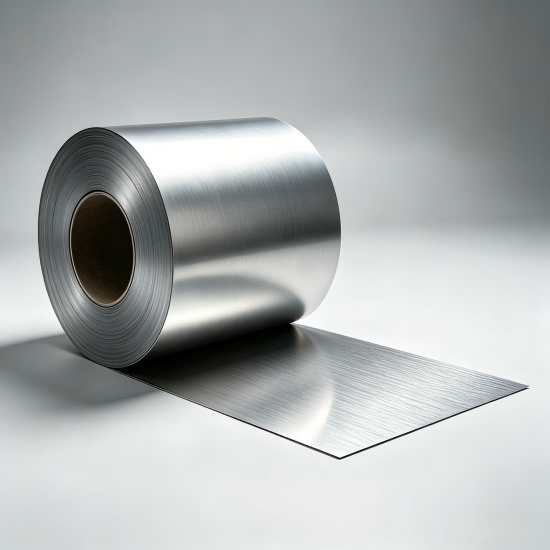
A practical guide to selecting and applying color steel coils, ensuring optimal performance, durability, and cost-effectiveness for your projects.
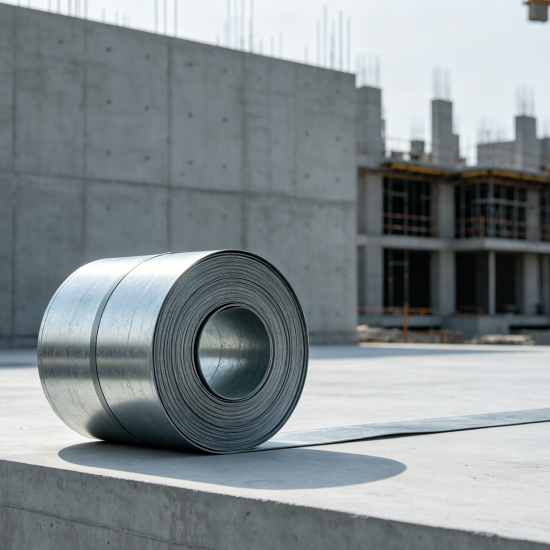
Industry forum drives digital and green transformation, empowering steel sector development through innovation and collaboration.