EN
EN
How to customize length size of precision cut GI coil finished sheets
2026/09/11
Learn how to specify precision cut GI coil sheets in custom lengths — tolerance selection, coating integrity, and ordering tips.
2026/09/04
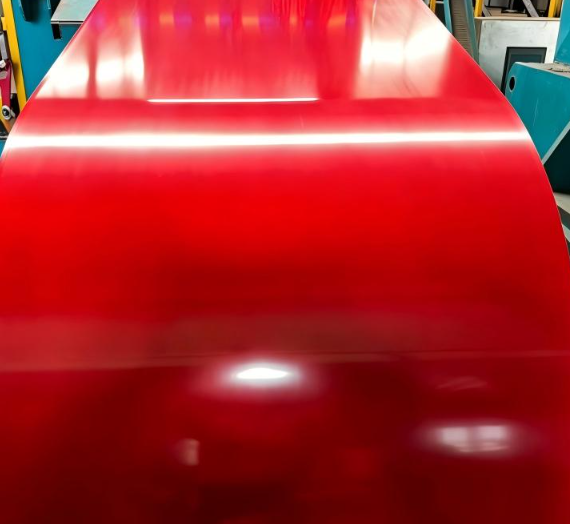
When painted metal roofs fade prematurely, it creates serious headaches for property owners and installation crews alike. A vivid case involved a school roofing project in Ghana back in 2017. The builder installed bright ocean‑blue roofing sheets to match the school's official colors. Within just 18 months, intense tropical sun bleached that rich blue down to a dull, chalky gray. The project owner was furious, and the contractor suffered major damage to their market reputation.
The root cause wasn't cheap raw steel or poor zinc galvanizing; the failure stemmed entirely from picking the wrong organic paint system. Standard commercial polyesters simply cannot handle relentless ultraviolet rays in tropical sun belts. In high‑sun regions, anti‑fading technology for color coated galvanized steel coil isn't just an optional upgrade—it is a critical requirement for long‑term project success.
Solar radiation breaks down organic paint coatings through two destructive mechanisms: polymer chalking and severe shade shifting. Strong ultraviolet rays chop through chemical resin chains, turning smooth topcoats into fine chalky powder. At the same time, high thermal energy degrades color pigments and yellows underlying binding resins.
UV radiation levels in tropical and equatorial regions are two to three times higher than in temperate zones. A standard paint specification that lasts ten years in Northern Europe can easily fail within two years in tropical Africa, Southeast Asia, or the Middle East.
Polyvinylidene Fluoride (PVDF) stands out as the ultimate choice for long‑term color retention under harsh sunlight. High‑performance PVDF topcoats contain 70% or more genuine PVDF fluoropolymer resin, creating exceptionally stable chemical structures. The carbon‑fluorine bond inside PVDF resin is among the strongest single bonds in organic chemistry, requiring extreme energy levels to break down.
Because of this inherent molecular stability, PVDF‑coated UV resistant PPGI retains original shade vibrancy and gloss for 20 to 30 years—even under intense tropical exposure. While PVDF options carry a 30% to 50% price premium over standard polyester, the massive leap in service lifespan easily offsets the upfront material cost.
High‑Durability Polyester (HDP) provides an excellent balance between standard polyester and top‑tier PVDF systems. Formulated with modified polyester resins, HDP delivers two to three times better resistance to sunlight degradation than conventional paint.
HDP coatings work exceptionally well for commercial distribution centers, industrial manufacturing facilities, and suburban developments where long‑term shade stability is important, but project budgets cannot accommodate full PVDF pricing.
The choice of pigment inside the paint formulation matters just as much as the surrounding resin matrix. Complex Inorganic Color Pigments (CICPs)—often called ceramic pigments—offer far greater thermal and light resistance than organic dyes. Organic reds, yellows, and bright blues tend to bleach quickly under harsh sunlight. In contrast, ceramic‑based pigments extend color retention life three to five times longer.
表格
| Paint Technology | UV Resistance Level | Typical Service Life | Best Recommended Application |
|---|---|---|---|
| Standard Polyester (PE) | Basic | 5 to 8 Years | Temporary structures, interior panels, mild temperate climates |
| High‑Durability Polyester (HDP) | Moderate to High | 10 to 15 Years | Industrial warehouses, commercial centers, moderate UV areas |
| Polyvinylidene Fluoride (PVDF) | Premium / Maximum | 20 to 30 Years | Architectural landmarks, coastal projects, extreme tropical sun |
| Ceramic Pigment Upgrades | Superior Shade Retention | +5 to 10 Years added | High‑contrast colors like bright red, yellow, and deep blue |
Paint chemical formulas also rely on specialized additives to slow down environmental degradation. High‑grade UV absorbers convert dangerous ultraviolet radiation into harmless heat energy before it damages the resin binder. Concurrently, Hindered Amine Light Stabilizers (HALS) trap free radicals formed during photo‑oxidation, stopping resin breakdown early. Combining premium resin binders, ceramic pigments, UV absorbers, and HALS additives produces an effective anti fading steel coating built to last.
Even top‑tier PVDF resins will fail prematurely if applied too thin. For anti‑corrosion prepainted galvanized steel coil exposed to outdoors environments, total dry film thickness should measure at least 25 microns (comprising primer plus topcoat). High‑UV tropical zones perform best with total paint build‑ups between 35 and 40 microns.
Factories use accelerated weathering chambers (such as ASTM G154 QUV testing) to predict long‑term performance under sunlight. Quality UV resistant PPGI typically registers less than a 5 \(\Delta E\) color shift after 2,000 hours of continuous high‑intensity UV exposure. After 5,000 test hours, premium PVDF topcoats hold tight with less than a 10 \(\Delta E\) shift, whereas basic polyesters show massive color degradation exceeding 20 \(\Delta E\).
When specifying prepainted metal for sunny climates, keep these key technical factors in mind:
Achieving long‑term shade retention on painted metal projects requires clear specifications and an experienced production partner. Material order details should outline the specific RAL color code, required resin chemistry (PE, HDP, or PVDF), dry film thickness specs, and local climate parameters.
Working with an established steel supplier like Shenyang Yuanhe Steel makes choosing the right coating straightforward. Backed by automated continuous coil coating lines, high‑precision spectrophotometers, and comprehensive weathering test procedures, top‑tier exporters supply anti‑corrosion prepainted galvanized steel coil built to withstand tough outdoor conditions.
Anti‑fading technology has transformed modern painted metal manufacturing. From ultra‑durable PVDF topcoats and budget‑friendly HDP options to advanced ceramic pigments and specialized UV stabilizers, modern paint chemistry offers effective solutions for every climate challenge. Selecting the right color coated galvanized steel coil specification protects building aesthetics, prevents costly premature repainting, and preserves real estate value over decades of harsh sun exposure.
2026/09/11
Learn how to specify precision cut GI coil sheets in custom lengths — tolerance selection, coating integrity, and ordering tips.
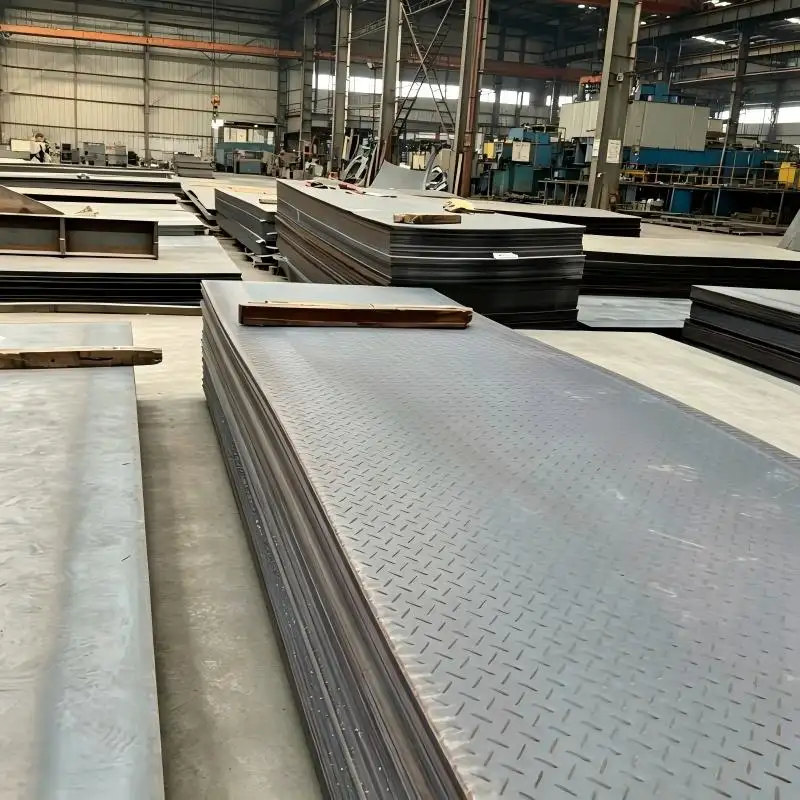
2026/09/11
Learn why premium finish galvalume steel coil delivers better paint adhesion and visual consistency in finished building products. Request specs today.
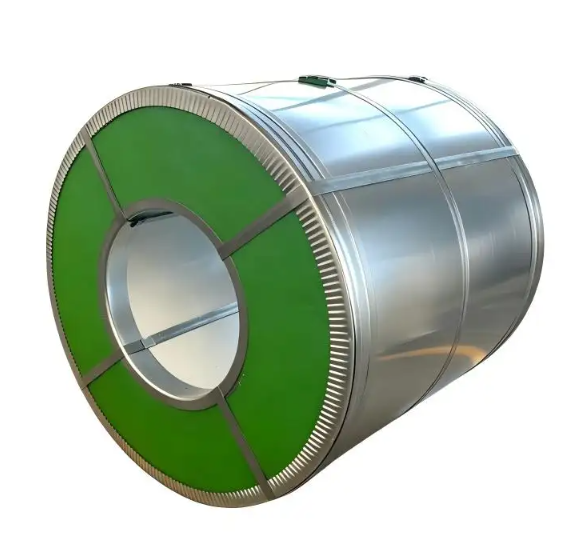
2026/09/10
Learn why heavy coating galvalume steel coil provides superior corrosion resistance in harsh coastal settings and saves long-term maintenance costs.
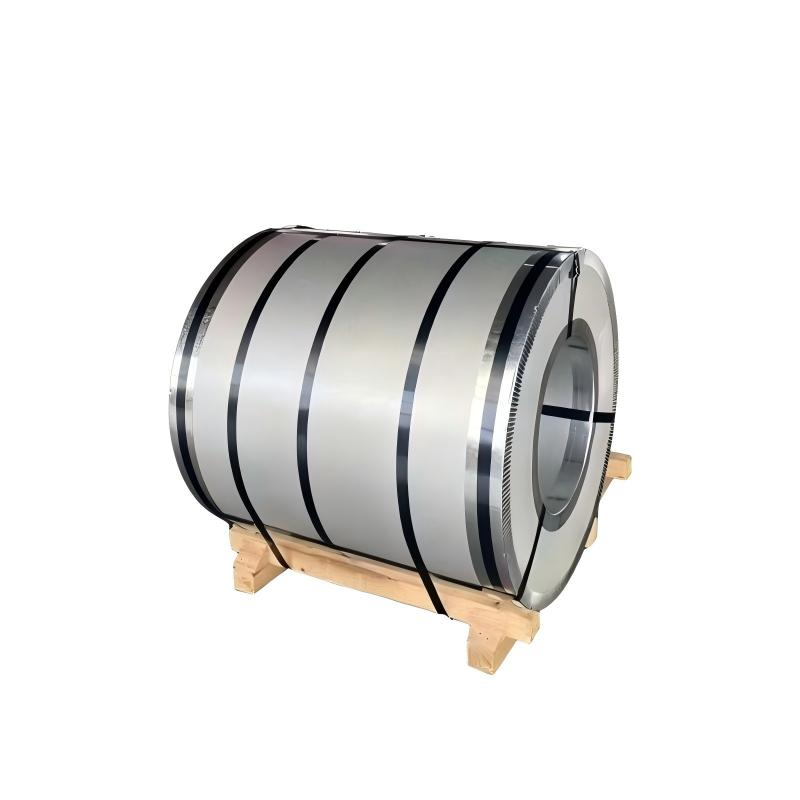
2026/09/10
Learn how to test the bending performance of formable galvalume steel coil samples using T-bend testing to prevent cracking and scrap.
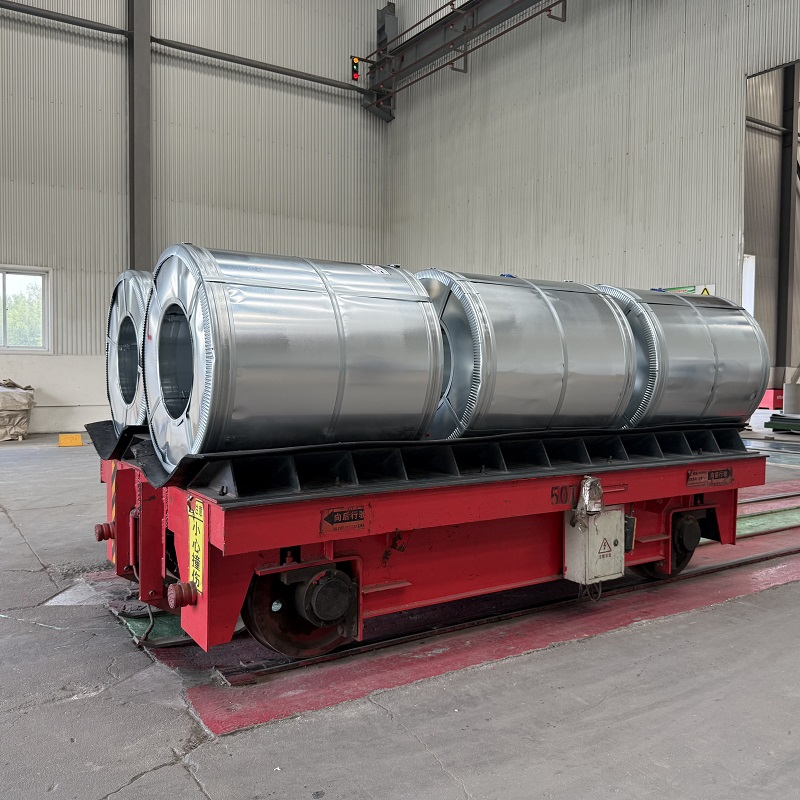
2026/09/10
Discover how multi specification galvalume steel coil simplifies purchasing, boosts productivity, and lowers costs for metal fabricators.
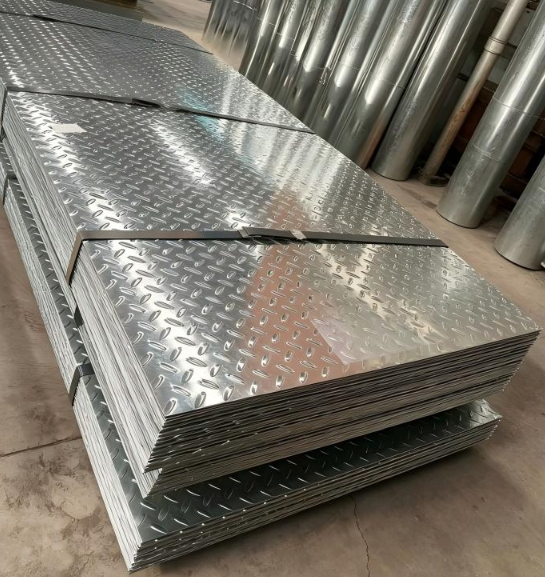
2026/09/10
Discover why hot dipped galvanized steel and hot dip galvanized checkered plate offer ideal corrosion resistance and strength for road guardrails.
Covering green transformation, product comparison, selection guide, and industry empowerment, helping you fully grasp the dynamics of the color steel industry.
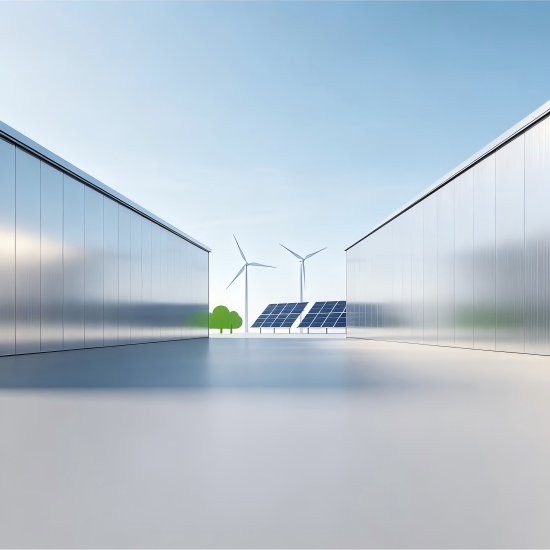
Global climate action and Belt and Road cooperation are driving the color steel industry’s shift toward green, sustainable development.

Comparing PPGI and PPGL across performance, durability, and applications to help you select the optimal coated steel for your project.
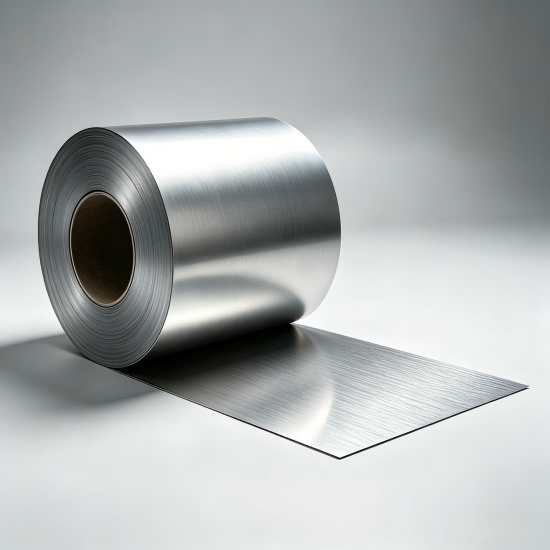
A practical guide to selecting and applying color steel coils, ensuring optimal performance, durability, and cost-effectiveness for your projects.
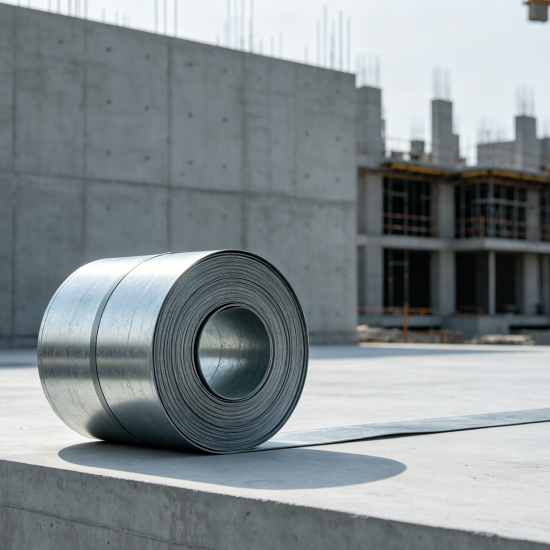
Industry forum drives digital and green transformation, empowering steel sector development through innovation and collaboration.