EN
EN

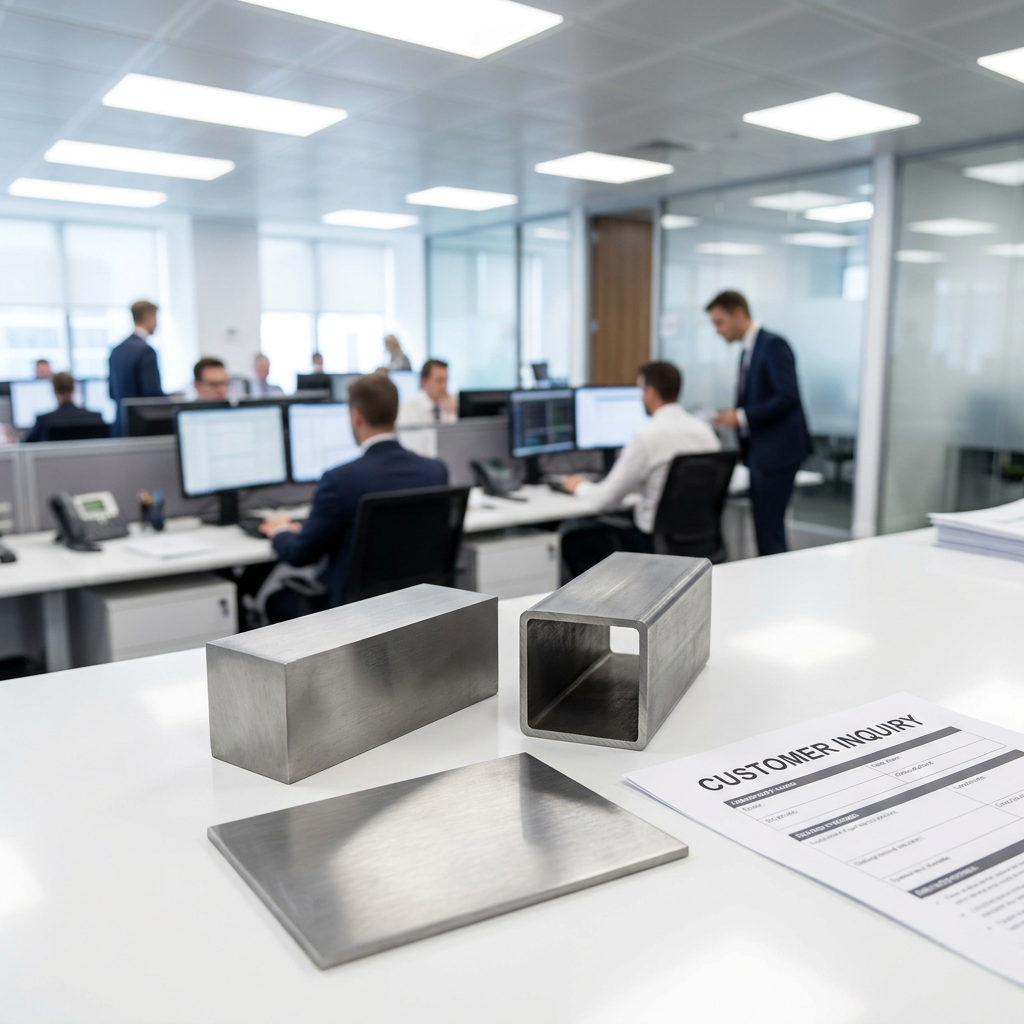
How to customize length size of precision cut GI coil finished sheets
2026/09/11
Learn how to specify precision cut GI coil sheets in custom lengths — tolerance selection, coating integrity, and ordering tips.
2026/07/24
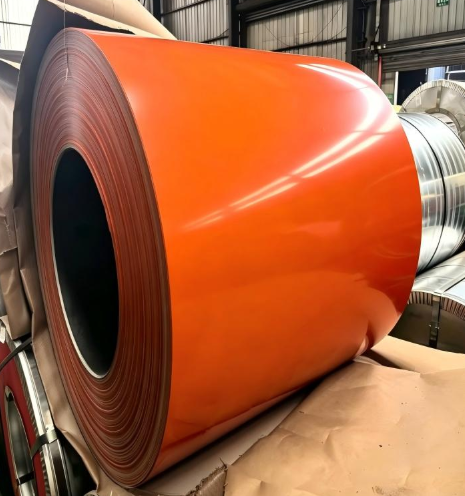
Understanding Coastal Corrosion Challenges for Color Coated Aluminium Coil
Coastal environments present some of the most aggressive corrosion conditions for building materials due to the combination of salt spray, high humidity, and intense UV radiation. Color coated aluminium coil is widely specified for coastal construction projects because aluminum naturally forms a protective oxide layer that resists chloride-induced corrosion more effectively than many alternative substrates. However, the performance of color coated aluminium coil in coastal environments depends heavily on the coating system applied during manufacturing. PVDF coated aluminum coil, with its fluoropolymer resin chemistry, provides the highest level of protection against salt-laden atmospheric corrosion, making it the preferred choice for premium coastal architectural applications. Understanding how different coating systems perform under coastal exposure conditions helps buyers make informed material selection decisions.
The Protective Mechanism of Aluminium in Salt Environments
Aluminum differs from steel in its fundamental corrosion mechanism. When exposed to oxygen, aluminum rapidly forms a dense, stable aluminum oxide layer approximately 4 nanometers thick that acts as a barrier against further oxidation. In coastal environments where airborne chlorides are present, this oxide layer provides a degree of self-passivation that slows corrosion propagation. Color coated aluminium coil benefits from this dual protection system: the natural oxide layer provides substrate-level defense, while the factory-applied coating system adds a second barrier against moisture, chloride ions, and UV degradation. PVDF coated aluminum coil further enhances this protection through its chemically inert fluoropolymer topcoat, which resists hydrolysis, chalking, and color fade even after prolonged salt spray exposure.
Salt Spray Test Performance Data
Standardized salt spray testing according to ASTM B117 provides objective data on the corrosion resistance of color coated aluminium coil. Typical test results show that PVDF coated aluminum coil can withstand 3000 hours of neutral salt spray exposure with minimal coating degradation, typically showing no more than 1 to 3 millimeters of blistering or creepage from a scribed line. Standard polyester-coated color coated aluminium coil generally achieves 1000 to 1500 hours before visible coating failure occurs. These test results, while conducted under accelerated laboratory conditions, provide a useful comparative benchmark for evaluating different coating systems. Buyers specifying color coated aluminium coil for coastal projects should request salt spray test certificates from suppliers and verify that test duration and evaluation criteria align with project requirements.
Coating Thickness and Multi-Layer System Design
The anti-corrosion performance of color coated aluminium coil in coastal environments is directly related to the total coating thickness and the quality of each layer in the coating system. A typical high-performance coating system for PVDF coated aluminum coil includes a chrome-free conversion coating layer, a primer layer of 5 to 8 microns, and a PVDF topcoat of 20 to 25 microns. Color coated aluminium coil intended for severe coastal exposure may also include a clear protective overcoat, bringing the total dry film thickness to 35 microns or more. Each layer serves a specific function: the conversion coating promotes adhesion and provides a uniform chemical surface, the primer blocks moisture and provides adhesion to the substrate, and the topcoat provides UV protection, color stability, and a barrier against chloride penetration.
Real-World Performance Comparison: PVDF vs Polyester in Coastal Settings
Field exposure studies conducted in tropical coastal regions have documented the performance differences between PVDF coated aluminum coil and polyester-coated alternatives. After 10 years of natural weathering in a coastal test site with average annual salt deposition of 50 to 100 milligrams per square meter per day, PVDF coated aluminum coil typically retains over 75 percent of original gloss and shows no coating adhesion failure. Polyester-coated color coated aluminium coil under the same conditions typically shows 30 to 50 percent gloss loss, moderate chalking, and isolated coating blisters near edges and cut ends. These real-world results align with accelerated weathering test data and confirm that PVDF coated aluminum coil provides superior long-term protection for coastal architectural applications. For projects with design lives exceeding 15 years in coastal environments, the performance advantage of PVDF justifies its higher initial cost.
Practical Case: Seaside Resort Development
A seaside resort development project in Southeast Asia required exterior cladding materials capable of withstanding direct oceanfront exposure. The project team specified color coated aluminium coil with PVDF coating at a minimum total film thickness of 30 microns for all exterior wall panels and roof edge trims. The supplier provided quality documentation including ASTM B117 salt spray test results exceeding 3000 hours, cross-cut adhesion test results at 4B rating, and accelerated weathering data per ASTM G154. After five years of service in the coastal environment, the installed panels showed no visible signs of corrosion, coating delamination, or color fading. The project developer subsequently standardized on PVDF coated aluminum coil for all future phases of the development. This case demonstrates the importance of specifying appropriate coating systems and requiring comprehensive test documentation when sourcing color coated aluminium coil for coastal applications. Manufacturers such as Shenyang Yuanhe, which can supply PVDF coated products with full quality traceability, offer buyers confidence in long-term coastal performance.
Frequently Asked Questions
How does color coated aluminium coil compare to coated steel in coastal environments?
Color coated aluminium coil generally outperforms coated steel in coastal environments due to aluminum's natural chloride resistance and lower risk of under-film corrosion propagation. PVDF coated aluminum coil provides the highest level of protection for long-term coastal exposure.
What salt spray test duration should color coated aluminium coil pass for coastal applications?
For coastal architectural applications, color coated aluminium coil should withstand a minimum of 2000 hours of ASTM B117 salt spray testing. PVDF coated aluminum coil typically exceeds 3000 hours with minimal coating degradation.
Is PVDF coating always necessary for color coated aluminium coil in coastal areas?
For projects with design lives exceeding 10 years in direct coastal exposure, PVDF coated aluminum coil is strongly recommended. For sheltered or inland-adjacent coastal areas with lower salt deposition, SMP or high-grade polyester coatings may provide adequate performance at lower cost.
2026/09/11
Learn how to specify precision cut GI coil sheets in custom lengths — tolerance selection, coating integrity, and ordering tips.
2026/09/11
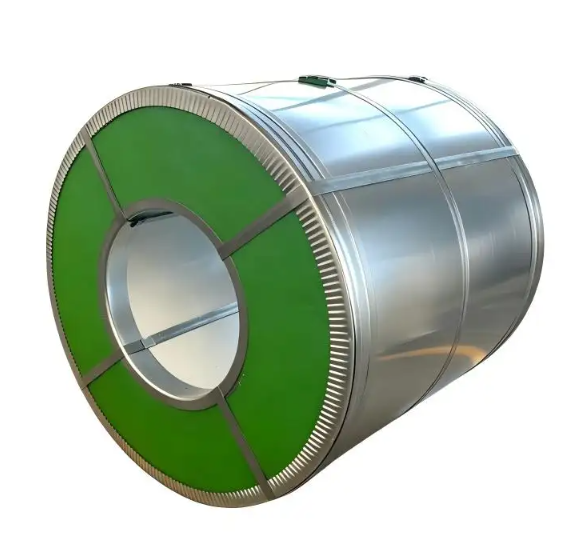
Learn why premium finish galvalume steel coil delivers better paint adhesion and visual consistency in finished building products. Request specs today.
2026/09/10
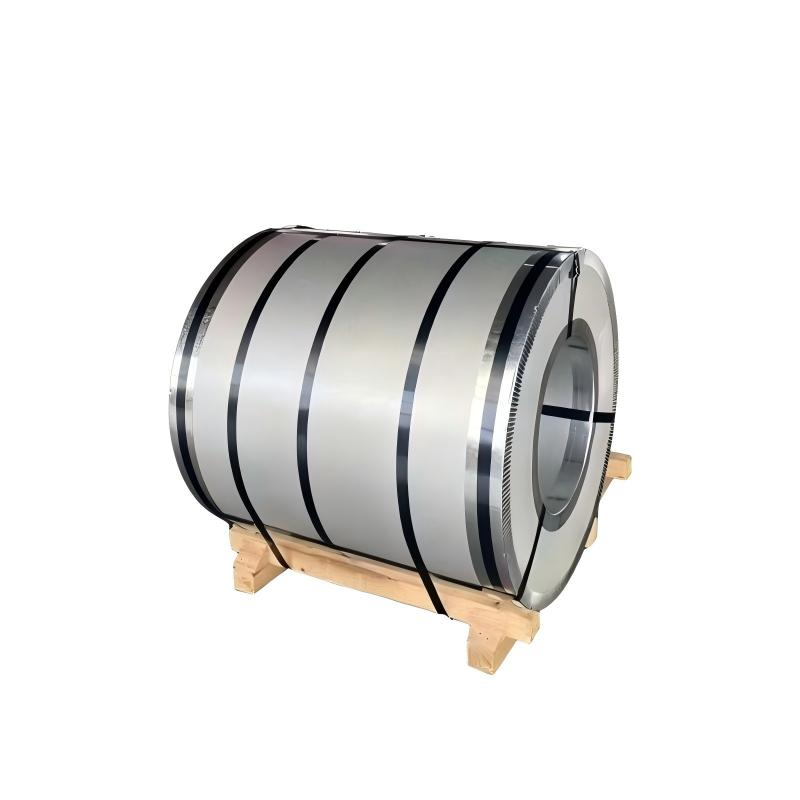
Learn why heavy coating galvalume steel coil provides superior corrosion resistance in harsh coastal settings and saves long-term maintenance costs.
2026/09/10
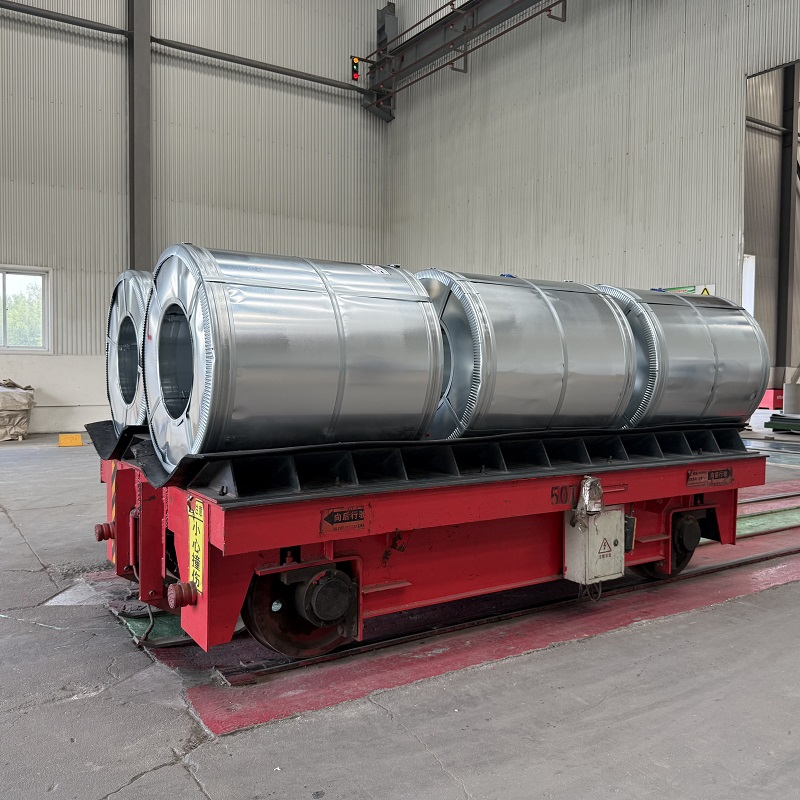
Learn how to test the bending performance of formable galvalume steel coil samples using T-bend testing to prevent cracking and scrap.
2026/09/10
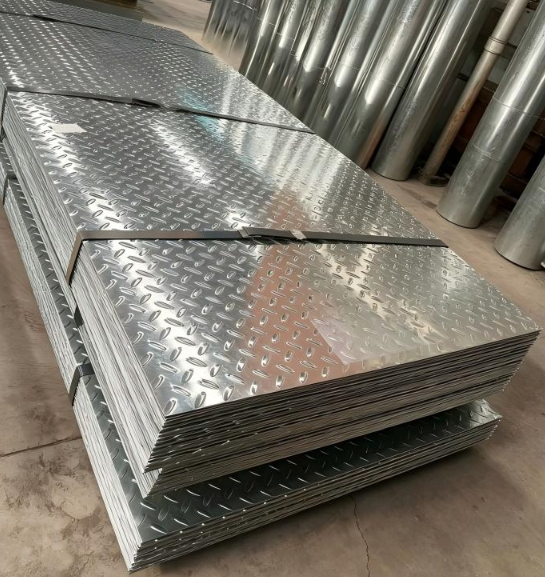
Discover how multi specification galvalume steel coil simplifies purchasing, boosts productivity, and lowers costs for metal fabricators.
2026/09/10
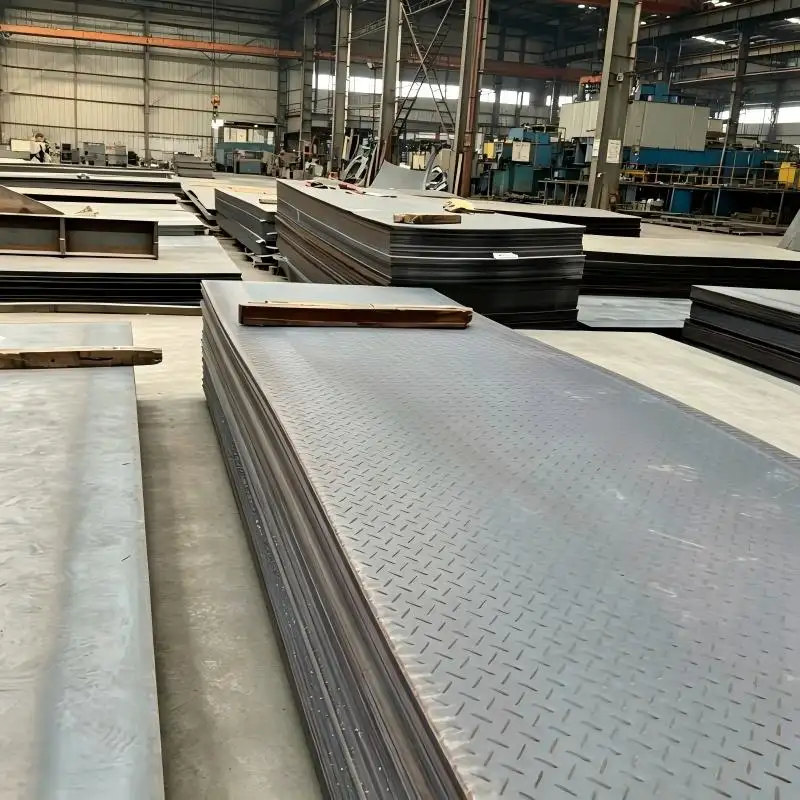
Discover why hot dipped galvanized steel and hot dip galvanized checkered plate offer ideal corrosion resistance and strength for road guardrails.
Covering green transformation, product comparison, selection guide, and industry empowerment, helping you fully grasp the dynamics of the color steel industry.
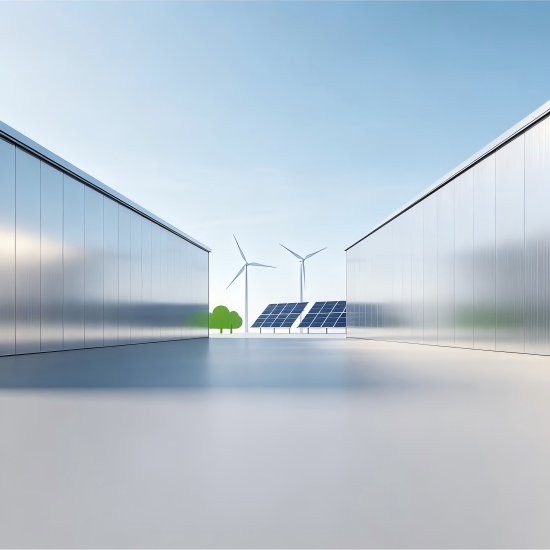
Global climate action and Belt and Road cooperation are driving the color steel industry’s shift toward green, sustainable development.

Comparing PPGI and PPGL across performance, durability, and applications to help you select the optimal coated steel for your project.
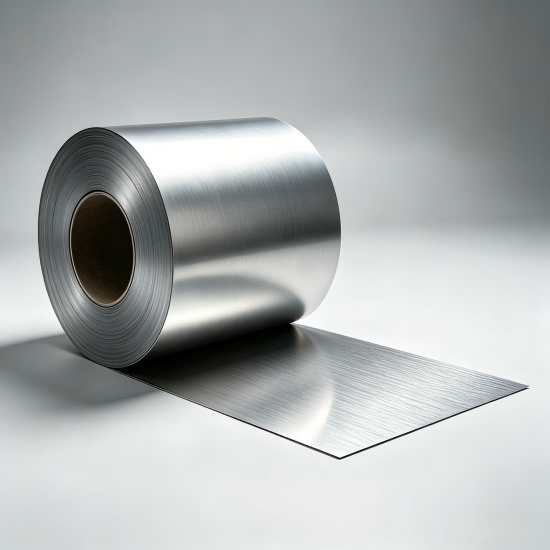
A practical guide to selecting and applying color steel coils, ensuring optimal performance, durability, and cost-effectiveness for your projects.
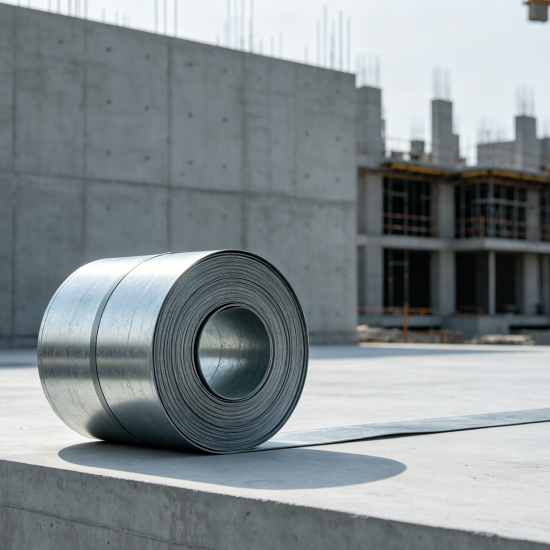
Industry forum drives digital and green transformation, empowering steel sector development through innovation and collaboration.