EN
EN

How to customize length size of precision cut GI coil finished sheets
2026/09/11
Learn how to specify precision cut GI coil sheets in custom lengths — tolerance selection, coating integrity, and ordering tips.
2026/08/17
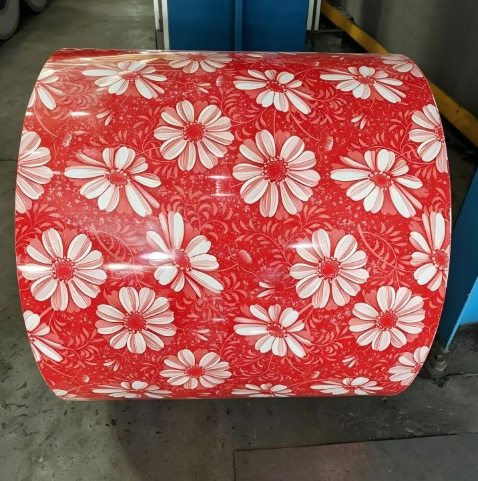
The Role of Anti-Corrosion Coatings in Colour Coated Steel Coil Performance
Colour coated steel coil represents a significant investment for construction and manufacturing projects, and the service life of this material depends heavily on the quality and type of anti-corrosion coating applied. The coating system on a colour coated steel coil serves dual purposes: it provides the visible colour and aesthetic finish while simultaneously protecting the underlying metal substrate from environmental degradation. For anti-corrosion gi coil products, the coating system is the primary defense against moisture, salt spray, UV radiation, and chemical exposure. Understanding the available coating upgrade options and their performance characteristics enables buyers to make informed decisions that balance initial cost with long-term durability. In coastal and industrial environments, where corrosion factors are most aggressive, selecting the appropriate coating system can extend the service life of colour coated steel coil from 10 years to over 25 years.
Coating System Types and Their Anti-Corrosion Performance
The market offers three primary coating systems for colour coated steel coil, each with distinct anti-corrosion capabilities. Polyester (PE) coatings, the most economical option, provide a service life of approximately 7 to 12 years in moderate environments and are suitable for indoor applications or regions with low pollution. Silicone Modified Polyester (SMP) coatings offer enhanced UV resistance and thermal stability, extending service life to 12 to 17 years. Polyvinylidene Fluoride (PVDF) coatings represent the highest performance tier, delivering exceptional color retention and corrosion resistance for 20 to 25 years or more. For anti-corrosion gi coil applications in aggressive environments, PVDF is strongly recommended despite its higher cost. The table below provides a detailed comparison of these coating systems, helping specifiers match the colour coated steel coil coating to specific environmental requirements and project budgets.
Zinc Coating Weight and Its Impact on Corrosion Protection
Beyond the organic paint layer, the zinc coating weight on the substrate of anti-corrosion gi coil plays a fundamental role in long-term corrosion protection. The zinc layer provides sacrificial protection, meaning it corrodes preferentially to the underlying steel, extending the service life of the colour coated steel coil. Standard zinc coating weights range from Z120 (120 grams per square meter) for moderate environments to Z275 (275 grams per square meter) for coastal or industrial applications. In my experience inspecting colour coated steel coil installations across the Middle East, projects using Z275 zinc coating with PVDF paint systems showed virtually no red rust after 15 years of exposure, while similar installations with Z120 coating and PE paint exhibited visible corrosion within 7 years. This data underscores the importance of considering both the metallic coating and the organic paint system when specifying anti-corrosion gi coil for demanding applications.
Case Study: Coastal Warehouse Roofing Project
A logistics company operating a warehouse complex near a coastal area in Southeast Asia specified colour coated steel coil with upgraded anti-corrosion properties for their 12,000 square meter roofing project. The original specification called for standard PE-coated anti-corrosion gi coil with Z120 zinc coating. However, after a coating system consultation, the project team upgraded to SMP coating with Z275 zinc coating weight, increasing the material cost by approximately 18 percent. Seven years after installation, the roofing showed no signs of corrosion, color fading, or coating delamination, while a neighboring facility that used the original PE specification required partial roof replacement after just 6 years. The total cost of ownership analysis favored the upgraded colour coated steel coil by a significant margin, factoring in reduced maintenance, avoided replacement costs, and minimized operational disruptions.
Evaluating Supplier Anti-Corrosion Coating Capabilities
When assessing suppliers for anti-corrosion gi coil and colour coated steel coil, buyers should request specific documentation and test data. Key items include salt spray test reports conducted in accordance with ASTM B117, with passing durations of at least 1,000 hours for PE coatings, 1,500 hours for SMP, and 2,000 hours or more for PVDF systems. Humidity resistance testing per ASTM D2247 should demonstrate no blistering after 1,000 hours. Buyers should also verify that the supplier's coating application process includes proper substrate cleaning, chemical pretreatment, primer application, and topcoat curing at controlled temperatures. Suppliers like Shenyang Yuanhe, which serves international markets with ISO-certified colour coated steel coil production, provide comprehensive coating certificates and support buyers in selecting the optimal anti-corrosion gi coil specification for their specific environmental conditions. Their customizable coating options and three-tier quality control ensure consistent coating performance across production batches.
Emerging Coating Technologies for Enhanced Corrosion Protection
The colour coated steel coil industry continues to develop advanced coating technologies that offer improved anti-corrosion performance for colour coated steel coil products. Self-healing coatings containing microcapsules of corrosion inhibitor are entering the market, offering the potential to automatically repair minor scratches and extend the service life of anti-corrosion gi coil. Antimicrobial coatings are gaining traction for healthcare and food processing applications where hygiene is critical for colour coated steel coil installations. High-build coating systems that apply thicker paint layers in a single pass are also improving the cost-effectiveness of premium anti-corrosion gi coil coating options. For buyers of anti-corrosion gi coil and colour coated steel coil, staying informed about these developments helps ensure that future procurement decisions incorporate the latest protective technologies. As coating formulations continue to evolve, the gap between standard and premium colour coated steel coil performance is expected to widen, making anti-corrosion gi coil coating system selection an increasingly strategic decision.
Table 1: Coating System Comparison for Colour Coated Steel Coil
|
Coating System |
Service Life (Years) |
Salt Spray (Hours) |
UV Resistance |
Relative Cost |
|
Polyester (PE) |
7-12 |
1,000+ |
Good |
Low |
|
SMP Modified |
12-17 |
1,500+ |
Very Good |
Medium |
|
PVDF |
20-25+ |
2,000+ |
Excellent |
High |
Frequently Asked Questions
Q1: Which coating system provides the best anti-corrosion performance for coastal environments?
PVDF coating systems on anti-corrosion gi coil with Z275 zinc coating provide the best performance for coastal environments, offering 20 to 25 years of service life with excellent resistance to salt spray and UV degradation.
Q2: How can buyers verify the actual coating thickness on colour coated steel coil?
Buyers should request coating thickness measurement reports using magnetic induction or eddy current gauges. The total dry film thickness should be 20 to 25 microns for PE, 25 to 30 microns for SMP, and 25 to 35 microns for PVDF systems on colour coated steel coil.
Q3: Does the color of the coating affect its corrosion resistance?
Darker colors generally absorb more heat, which can accelerate coating degradation in hot climates. However, the resin system (PE, SMP, or PVDF) has a much greater impact on anti-corrosion performance than the color choice for anti-corrosion gi coil products.
2026/09/11
Learn how to specify precision cut GI coil sheets in custom lengths — tolerance selection, coating integrity, and ordering tips.
2026/09/11
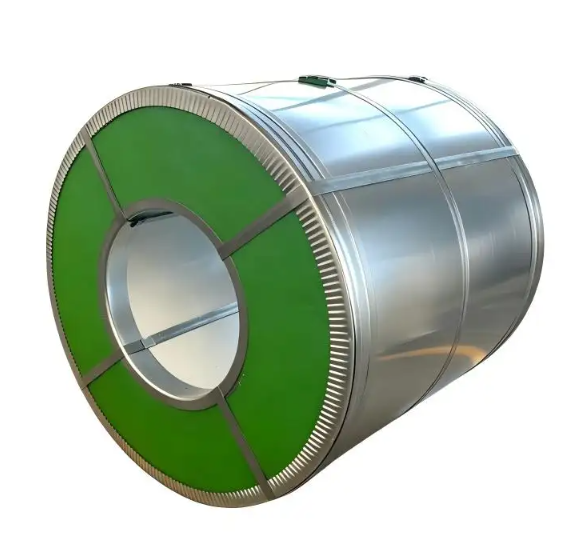
Learn why premium finish galvalume steel coil delivers better paint adhesion and visual consistency in finished building products. Request specs today.
2026/09/10
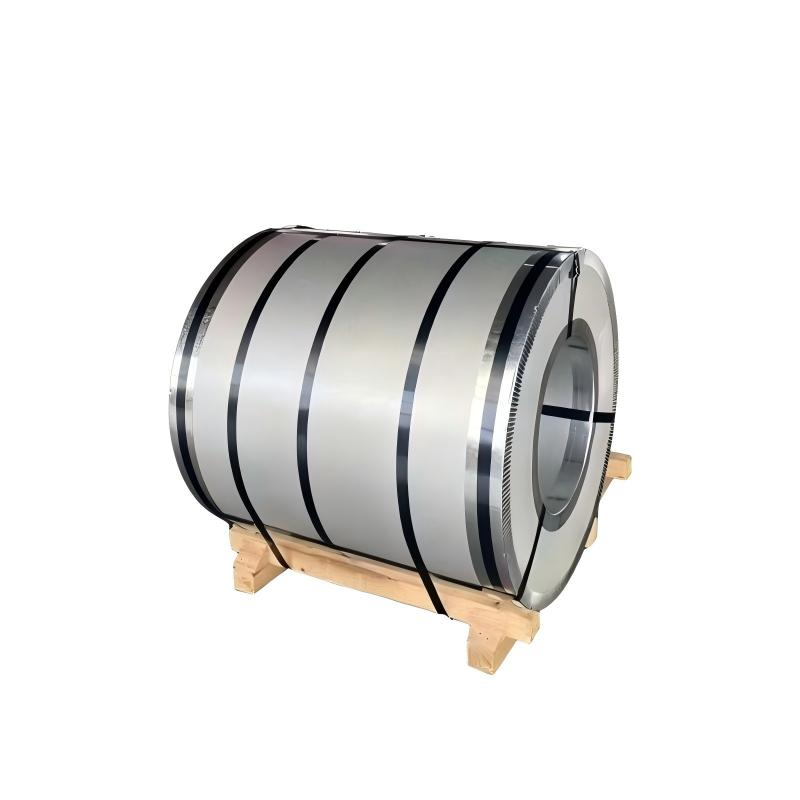
Learn why heavy coating galvalume steel coil provides superior corrosion resistance in harsh coastal settings and saves long-term maintenance costs.
2026/09/10
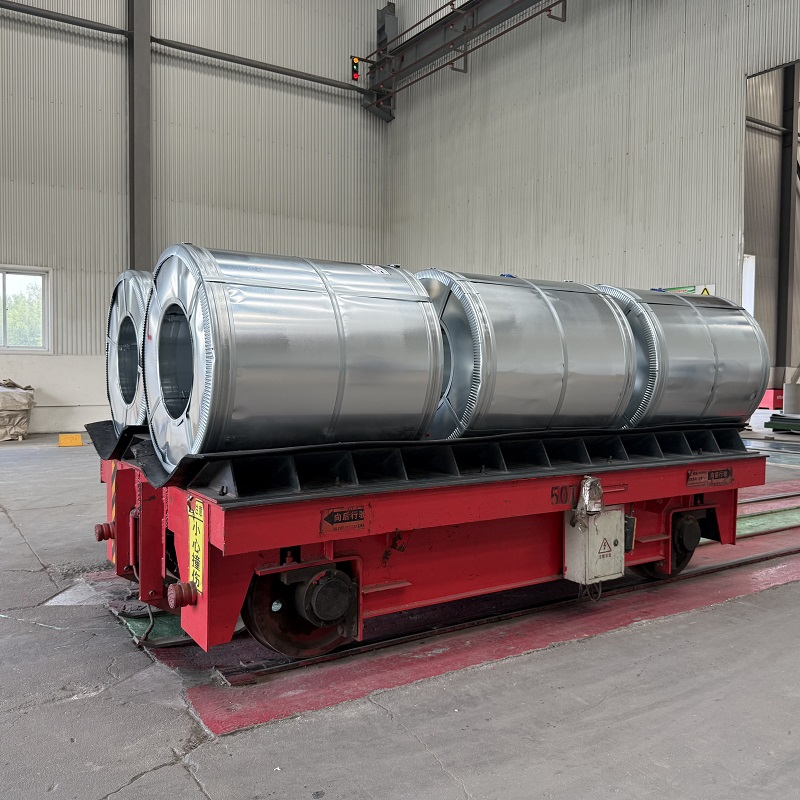
Learn how to test the bending performance of formable galvalume steel coil samples using T-bend testing to prevent cracking and scrap.
2026/09/10
Discover how multi specification galvalume steel coil simplifies purchasing, boosts productivity, and lowers costs for metal fabricators.
2026/09/10
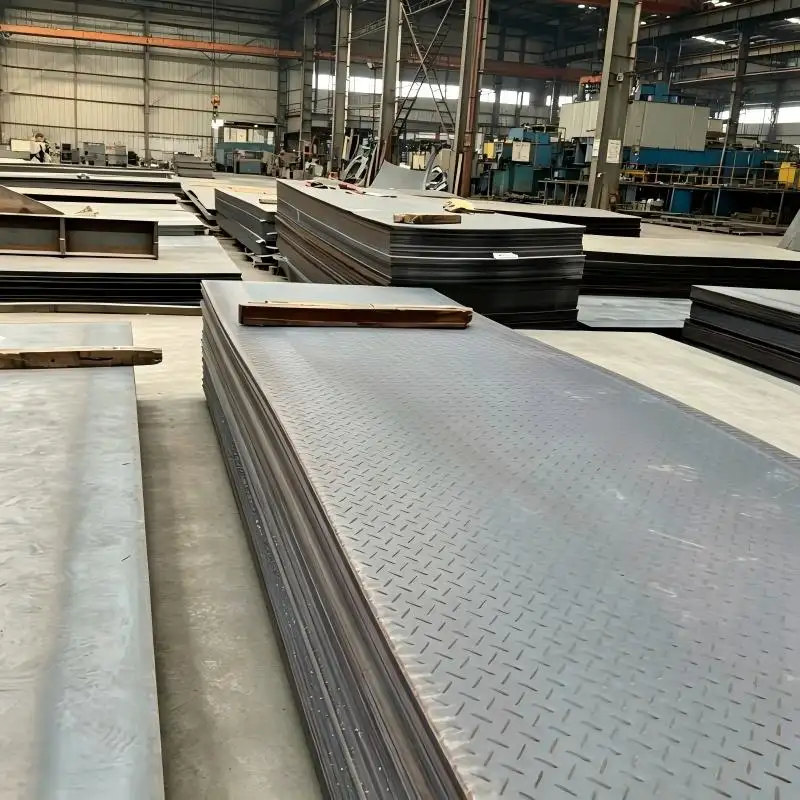
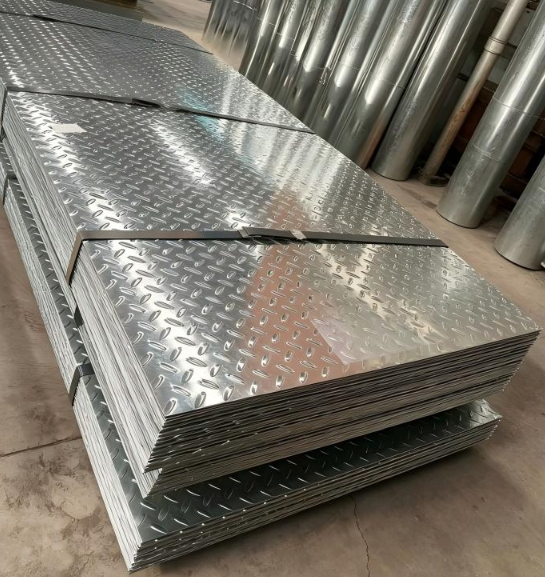
Discover why hot dipped galvanized steel and hot dip galvanized checkered plate offer ideal corrosion resistance and strength for road guardrails.
Covering green transformation, product comparison, selection guide, and industry empowerment, helping you fully grasp the dynamics of the color steel industry.
Global climate action and Belt and Road cooperation are driving the color steel industry’s shift toward green, sustainable development.
Comparing PPGI and PPGL across performance, durability, and applications to help you select the optimal coated steel for your project.
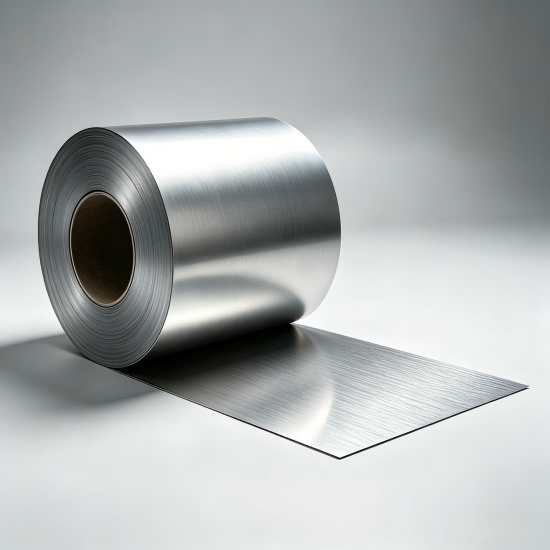
A practical guide to selecting and applying color steel coils, ensuring optimal performance, durability, and cost-effectiveness for your projects.
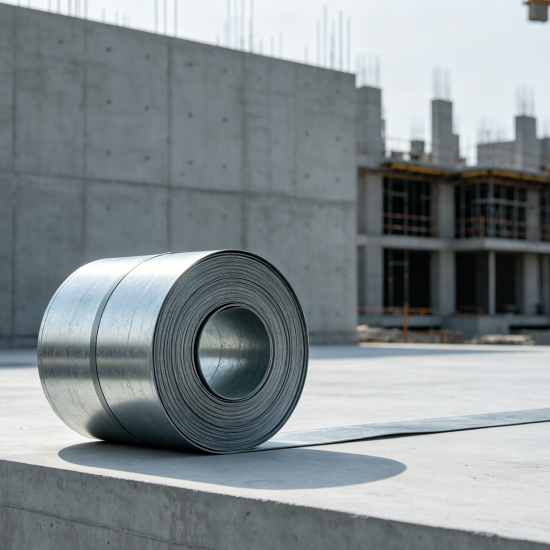
Industry forum drives digital and green transformation, empowering steel sector development through innovation and collaboration.