EN
EN

How to customize length size of precision cut GI coil finished sheets
2026/09/11
Learn how to specify precision cut GI coil sheets in custom lengths — tolerance selection, coating integrity, and ordering tips.
2026/08/18
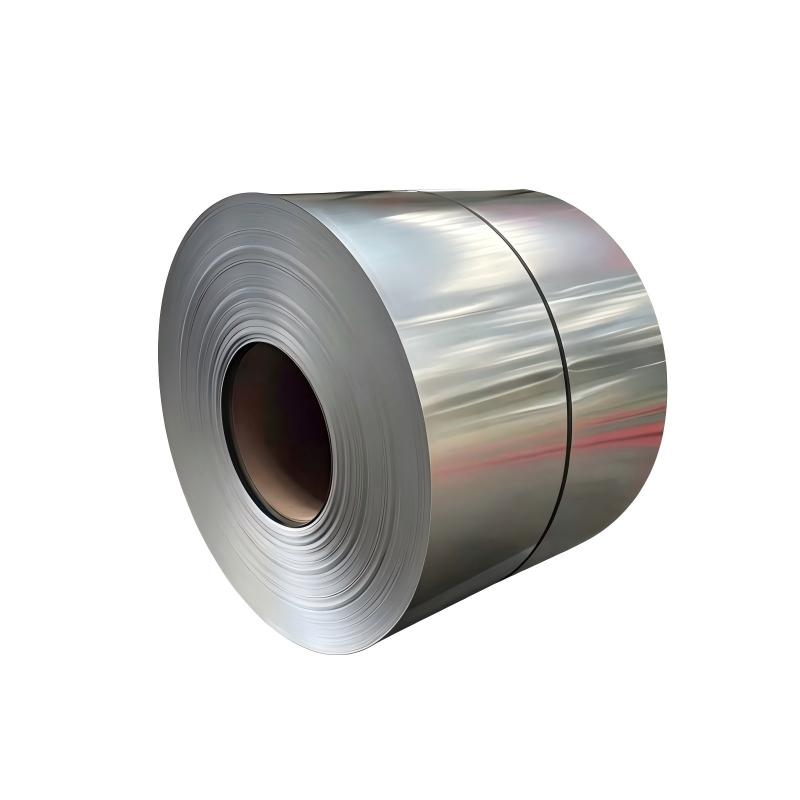
Agricultural storage buildings demand roofing materials that can withstand harsh environments while protecting valuable contents. From grain silos to livestock barns and equipment sheds, the choice of roofing material directly impacts building longevity and operational costs. Galvalume steel coil has emerged as a preferred roofing solution across the agricultural sector, offering exceptional corrosion resistance and structural durability. This article explores how galvalume steel coil and ppgi roof sheet products serve agricultural storage applications, with practical insights drawn from years of industry experience.
Agricultural storage buildings face unique environmental challenges that accelerate roofing deterioration. Grain silos operate in humid conditions that promote condensation and metal corrosion on interior surfaces. Livestock barns expose roofing to ammonia, hydrogen sulfide, and persistent moisture from animal waste management. Equipment sheds must endure temperature fluctuations, wind loads, and seasonal weather extremes that test material integrity year after year. Standard galvanized roofing often fails prematurely under these conditions, leading to costly replacements and potential damage to stored agricultural products.
Galvalume steel coil addresses these challenges through its aluminum-zinc alloy coating, which provides superior corrosion protection compared to traditional galvanized steel. The coating composition typically contains 55 percent aluminum, 43.5 percent zinc, and 1.5 percent silicon, creating a protective barrier that resists oxidation even in aggressive agricultural environments. This metallurgical combination gives galvalume steel coil a service life two to four times longer than conventional galvanized steel in comparable conditions.
Grain storage facilities require roofing that maintains consistent internal temperatures and prevents moisture infiltration. When grain absorbs moisture, it can spoil rapidly, leading to significant financial losses for farmers and cooperatives. Galvalume steel coil roofing panels reflect solar heat effectively, helping maintain lower internal temperatures during summer months. The aluminum component in the coating provides excellent thermal reflectivity, reducing the need for additional insulation in moderate climate zones.
In practice, grain silos and flat storage buildings using galvalume steel coil roofing have demonstrated service lives exceeding 30 years in rural environments. The material resists the acidic byproducts that can develop in grain dust accumulation, making it ideal grain storage roofing. It maintains structural integrity where conventional materials might degrade within a decade. For facilities requiring colored exteriors or enhanced chemical resistance, ppgi roof sheet products manufactured from galvalume steel coil substrates provide an additional polymer barrier that extends protection further.
Livestock barns present one of the most corrosive environments in agriculture. Animal waste releases ammonia and hydrogen sulfide gases that attack metal surfaces continuously throughout the year. High humidity levels from animal respiration and waste management systems further accelerate corrosion rates on unprotected roofing. In these demanding conditions, galvalume steel coil provides critical protection for roofing structures that must remain functional for decades.
The aluminum-zinc coating on galvalume steel coil creates a self-healing barrier at cut edges and scratch points. When the coating sustains damage, the zinc component sacrifices itself to protect the exposed steel substrate, while the aluminum component forms a stable oxide layer that slows further degradation. This dual protection mechanism makes galvalume steel coil particularly suitable for poultry houses, cattle barns, and swine facilities where corrosive gas concentrations reach peak levels.
For enhanced performance in the most demanding livestock environments, many agricultural builders combine galvalume steel coil substrates with ppgi roof sheet coatings. The ppgi roof sheet layer adds an additional polymer barrier that resists chemical attack and provides color stability for decades, even under continuous ammonia exposure.
Equipment sheds store tractors, harvesters, and irrigation systems that represent significant capital investments. While these buildings may not face the same corrosive intensity as livestock barns, they still require roofing that resists weathering and provides long-term protection for valuable machinery. Galvalume steel coil offers an optimal balance between upfront cost and service life for equipment shed applications across diverse climate zones.
The material can be formed into various panel profiles, including corrugated, standing seam, and trapezoidal designs, accommodating different span requirements and architectural preferences. For agricultural builders seeking colored roofing solutions that combine aesthetics with performance, ppgi roof sheet products deliver both visual appeal and functional durability. These agricultural roofing panels maintain their protective properties even in regions with high UV exposure and seasonal temperature swings, offering reliable grain storage roofing performance.
A grain cooperative in Vietnam required roofing for a 5,000-square-meter flat storage facility located in a coastal region with high humidity and salt air exposure. The cooperative had previously used conventional galvanized roofing that required replacement every 8 to 10 years, resulting in recurring capital expenditure and operational disruption. The project team consulted with Shenyang Yuanhe Steel to source galvalume steel coil with an AZ150 coating weight for the re-roofing project.
The galvalume steel coil was roll-formed into trapezoidal roof panels on-site and installed over a steel frame structure. Material specifications included DX51D+AZ substrate, 0.5mm thickness, and compliance with JIS G3321 standards for hot-dip aluminum-zinc coated steel. Additionally, the cooperative selected ppgi roof sheet panels in RAL 9002 grey for the facility's office and processing areas. These ppgi roof sheet products, where color appearance and weathering resistance were priorities, complemented the galvalume steel coil main roofing.
After five years of service, inspection revealed no significant coating degradation or red rust formation on any installed panels. The cooperative reported reduced maintenance costs and improved grain storage conditions compared to the previous roofing system. This case demonstrates the practical advantages of galvalume steel coil in demanding agricultural environments where grain storage roofing must perform without fail.
When specifying galvalume steel coil for agricultural roofing, several factors warrant careful consideration. Coating weight selection should reflect the corrosivity of the environment, with AZ100 to AZ150 recommended for most agricultural applications and AZ150 to AZ275 for severe environments such as coastal or high-ammonia locations. Thickness typically ranges from 0.4mm to 0.6mm for roofing panels, with thicker gauges used for longer spans or higher wind load requirements.
Standards compliance is equally important for project approval and quality assurance. Reputable suppliers provide material certified to ASTM A792, JIS G3321, or EN 10346 standards, ensuring consistent quality and performance. Shenyang Yuanhe Steel maintains ISO-certified production processes and offers galvalume steel coil in coating weights from AZ40 to AZ275, with thickness options from 0.09mm to 3.0mm. The company serves agricultural roofing projects across Southeast Asia, the Middle East, and Africa, maintaining a persistent stock of over 10,000 metric tons to support fast delivery within 6 to 14 days.
2026/09/11
Learn how to specify precision cut GI coil sheets in custom lengths — tolerance selection, coating integrity, and ordering tips.
2026/09/11
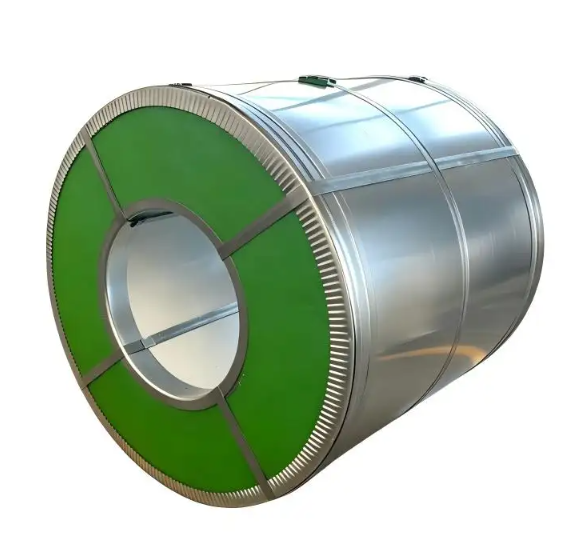
Learn why premium finish galvalume steel coil delivers better paint adhesion and visual consistency in finished building products. Request specs today.
2026/09/10
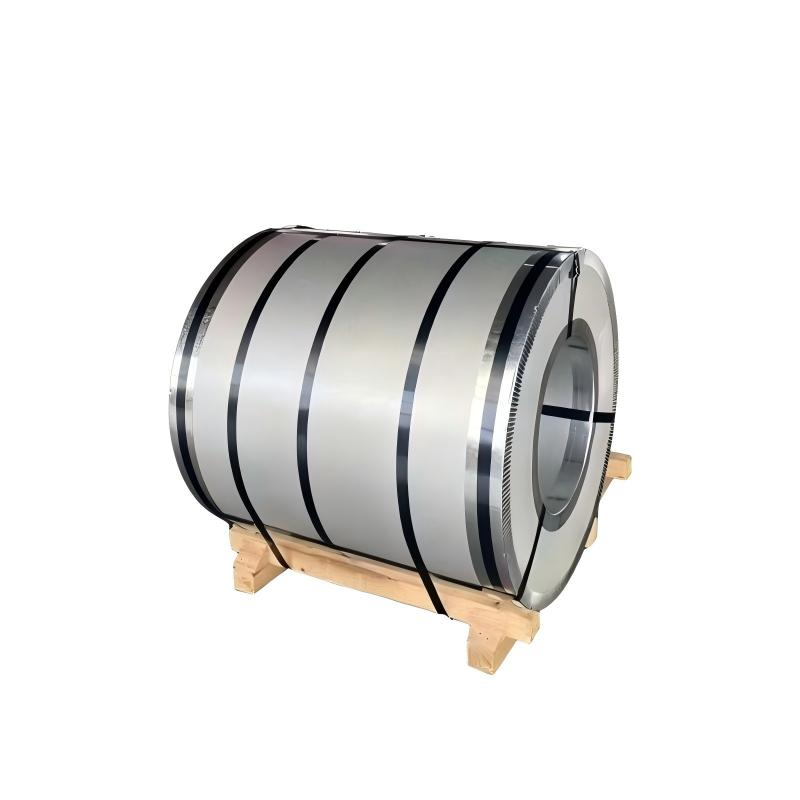
Learn why heavy coating galvalume steel coil provides superior corrosion resistance in harsh coastal settings and saves long-term maintenance costs.
2026/09/10
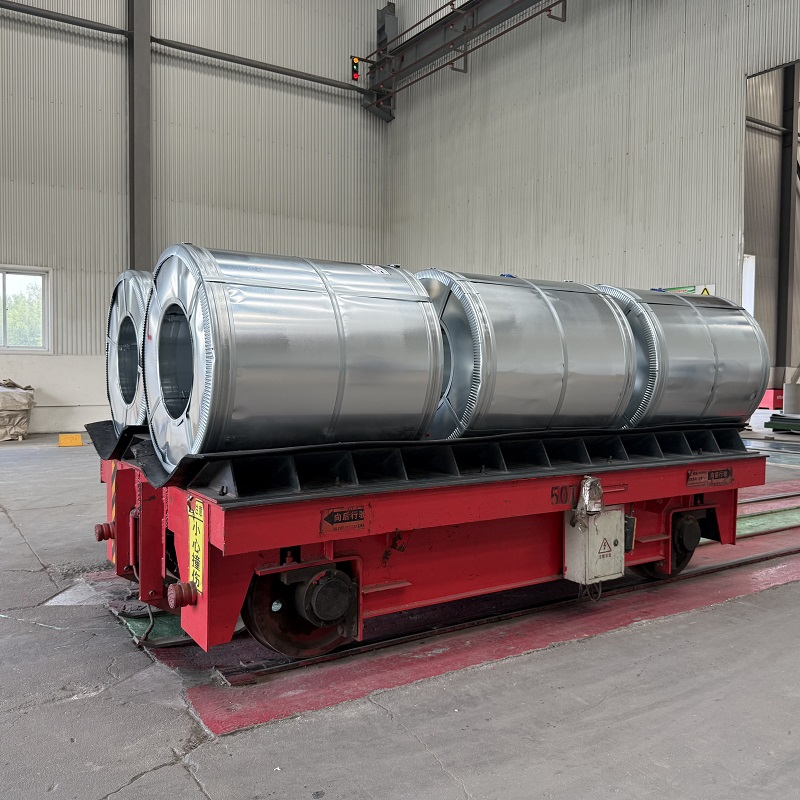
Learn how to test the bending performance of formable galvalume steel coil samples using T-bend testing to prevent cracking and scrap.
2026/09/10
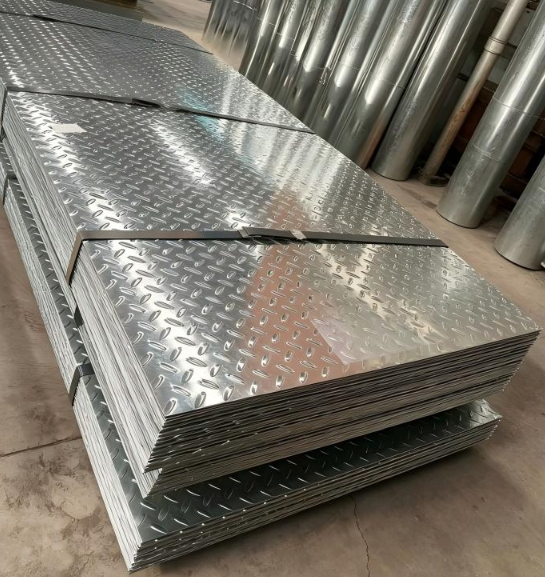
Discover how multi specification galvalume steel coil simplifies purchasing, boosts productivity, and lowers costs for metal fabricators.
2026/09/10
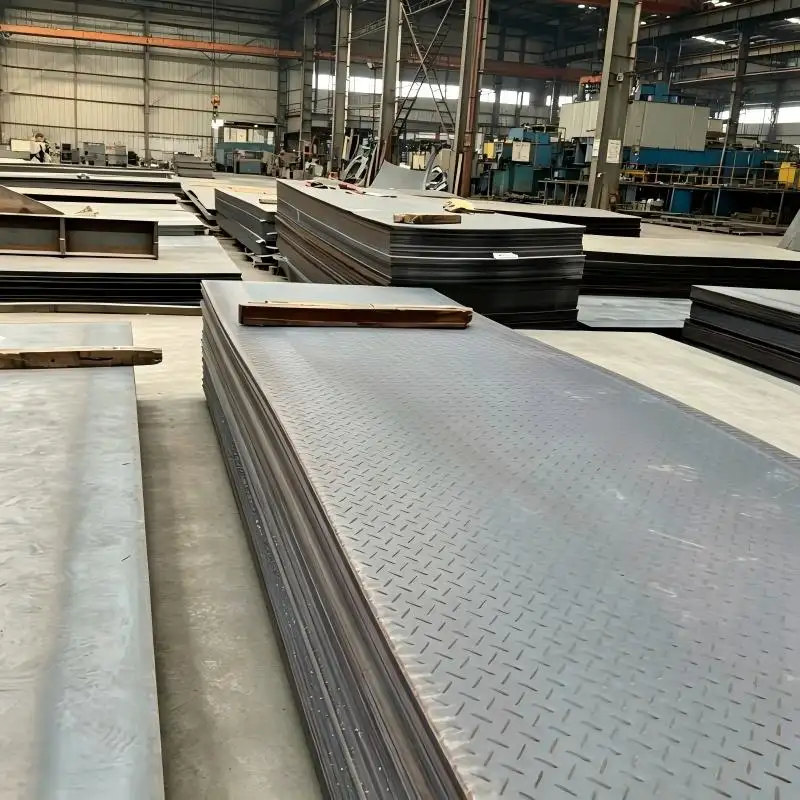
Discover why hot dipped galvanized steel and hot dip galvanized checkered plate offer ideal corrosion resistance and strength for road guardrails.
Covering green transformation, product comparison, selection guide, and industry empowerment, helping you fully grasp the dynamics of the color steel industry.

Global climate action and Belt and Road cooperation are driving the color steel industry’s shift toward green, sustainable development.

Comparing PPGI and PPGL across performance, durability, and applications to help you select the optimal coated steel for your project.
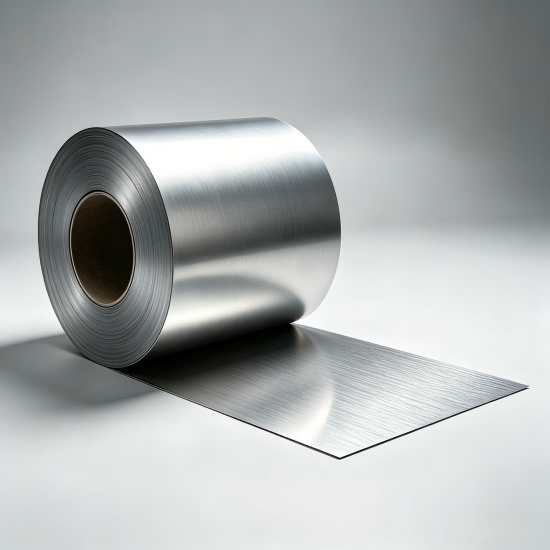
A practical guide to selecting and applying color steel coils, ensuring optimal performance, durability, and cost-effectiveness for your projects.
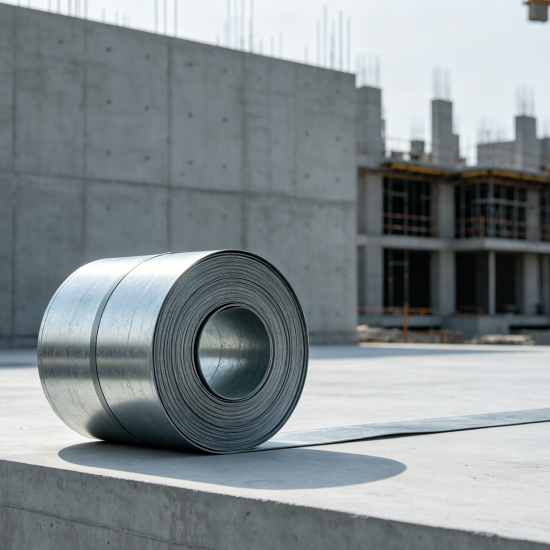
Industry forum drives digital and green transformation, empowering steel sector development through innovation and collaboration.