EN
EN

How to customize length size of precision cut GI coil finished sheets
2026/09/11
Learn how to specify precision cut GI coil sheets in custom lengths — tolerance selection, coating integrity, and ordering tips.
2026/07/31
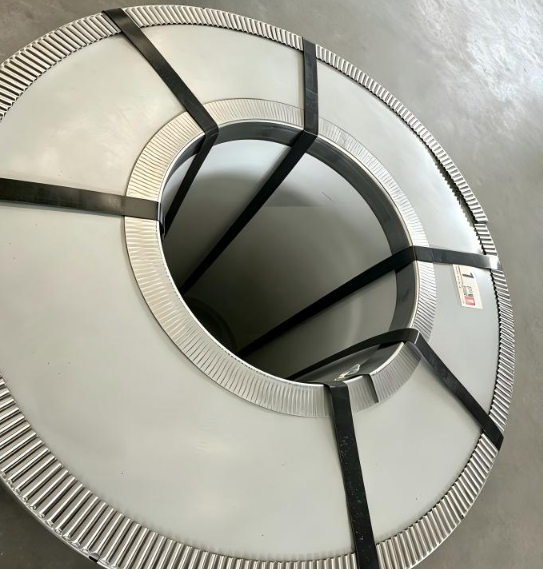
In the B2B steel supply chain, after-sales service is often the difference between a transactional supplier relationship and a strategic partnership. A buyer who chooses an experienced PPGI steel coil manufacturer based solely on the lowest ex-factory price may discover, when a quality issue arises or an urgent reorder is needed, that the apparent cost savings evaporate in delays, disputes, and production downtime. Conversely, a global PPGI steel coil manufacturer that invests in robust after-sales infrastructure provides value that extends well beyond the initial material delivery. Based on our experience supporting PPGI buyers across multiple continents, this article outlines what professional after-sales service should look like and how buyers can evaluate this critical but often overlooked dimension of supplier selection.
The foundation of any professional after-sales program is a clearly defined quality warranty. An experienced PPGI steel coil manufacturer should provide written warranty terms that specify what is covered (typically coating adhesion, color retention, and corrosion resistance within defined environmental conditions), the warranty duration (commonly 5 to 20 years depending on coating type and application), the claims process and required documentation, and exclusions such as damage from improper storage, fabrication beyond recommended parameters, or use in environments exceeding the coating specification. The warranty should be proportionate to the coating type. PE coatings typically carry 5 to 8 year warranties against peeling and excessive chalking. PVDF coatings on appropriate substrates may carry 15 to 20 year film integrity and color retention warranties. A global PPGI steel coil manufacturer should be willing to discuss warranty terms during the quotation stage and provide sample warranty documents for review before order placement. Buyers should be wary of suppliers who are vague about warranty terms or who promise unusually long warranty periods without corresponding coating specifications.
Professional after-sales service extends beyond reactive problem-solving to proactive technical support. An experienced PPGI steel coil manufacturer should offer pre-project consultation on appropriate grade and coating selection based on the buyer’s application, environment, and fabrication methods. During production, the supplier should provide regular order status updates including production schedule, inspection milestones, and estimated shipment dates. After delivery, technical support should be available to address questions about material handling, storage recommendations (coils should be stored in dry, ventilated conditions, away from direct ground contact, and used within 3 to 6 months of receipt for optimal formability), roll-forming and fabrication guidance including recommended bend radii, tool clearances, and lubrication requirements, and compatibility with downstream processes such as adhesive bonding, welding, or PU foam injection for sandwich panel production. For complex projects, the supplier should be willing to provide small sample quantities for trial runs before committing to full production orders, minimizing the risk of specification mismatches that could result in large-scale rework.
Despite the best quality control, occasional quality issues arise in international steel trade. What distinguishes a professional manufacturer is how these issues are handled. An experienced PPGI steel coil manufacturer should have a documented claims procedure that specifies the information required to initiate a claim (photos, coil identification numbers, description of the defect, and estimated affected quantity), the investigation timeline (typically 7 to 14 working days for a preliminary response), and the resolution options available including replacement material, credit against future orders, or financial compensation at an agreed rate. The claims process should follow the principle of resolving the problem first and determining responsibility second. Delaying resolution while arguing over fault attribution frustrates buyers, disrupts their production, and damages the long-term business relationship. A practical approach is for the supplier to ship replacement material for verified quality issues while the root cause investigation proceeds, ensuring the buyer’s project continues without interruption. This requires the supplier to maintain buffer stock of commonly ordered specifications.
A global PPGI steel coil manufacturer that understands the realities of construction supply chains maintains the capability to support urgent replenishment requirements. Construction projects rarely proceed exactly as planned. Unexpected additional quantities are needed, damaged panels require replacement, or a scope change adds new areas requiring matching material. A professional manufacturer should be able to access its inventory to fulfill rush orders for common specifications within shorter lead times than standard production cycles. The ability to match color and specification from previous orders is particularly important: a supplier should retain color measurement records and production parameters for at least 2 to 3 years to enable exact-match replenishment orders. This is essential for phased construction projects where additional material must be identical to what was supplied in earlier phases. The supplier should also provide guidance on the shelf life of stored PPGI coil, as the coating’s formability can degrade if material is stored for extended periods, particularly in high-temperature environments.
After-sales service in the PPGI context includes ongoing supply relationship management. An experienced PPGI steel coil manufacturer should provide visibility into raw material availability, mill production schedules, and any factors that could affect future supply, such as planned maintenance shutdowns, raw material price trends, shipping schedule changes, or regulatory changes affecting export documentation. For regular buyers, a professional manufacturer should be willing to discuss volume allocation agreements, framework contracts with pre-agreed pricing mechanisms, and consignment stock arrangements where the supplier maintains buffer inventory at or near the buyer’s location. These supply chain partnership arrangements are particularly valuable in markets with long ocean freight transit times, where a stockout can mean 6 to 8 weeks without material. A global PPGI steel coil manufacturer that offers these services demonstrates commitment to the buyer’s business continuity rather than treating each order as a standalone transaction.
Professional after-sales service includes helping buyers navigate the documentation requirements of international trade. An experienced PPGI steel coil manufacturer should provide comprehensive shipping documentation including commercial invoice, packing list, bill of lading, certificate of origin (typically Form E for ASEAN, Form F for Chile, or general COO), mill test certificates with actual measured values for each coil, and fumigation or heat treatment certificates for wooden packaging. For markets with specific regulatory requirements, the supplier should assist with product compliance documentation such as SASO certificates for Saudi Arabia, SONCAP for Nigeria, PVOC for Kenya, or other destination-market certification requirements. The manufacturer should also maintain product liability insurance appropriate for the markets served, as some project owners require evidence of supplier insurance coverage as a condition of material approval. Shenyang Yuanhe Steel, as an experienced PPGI steel coil manufacturer, provides comprehensive after-sales support including technical consultation, claims handling, rush order fulfillment, and complete export documentation for buyers across Southeast Asia, the Middle East, Central Asia, Africa, and South America, supported by over 10,000 metric tons of persistent inventory and a three-tier quality control system.
2026/09/11
Learn how to specify precision cut GI coil sheets in custom lengths — tolerance selection, coating integrity, and ordering tips.
2026/09/11
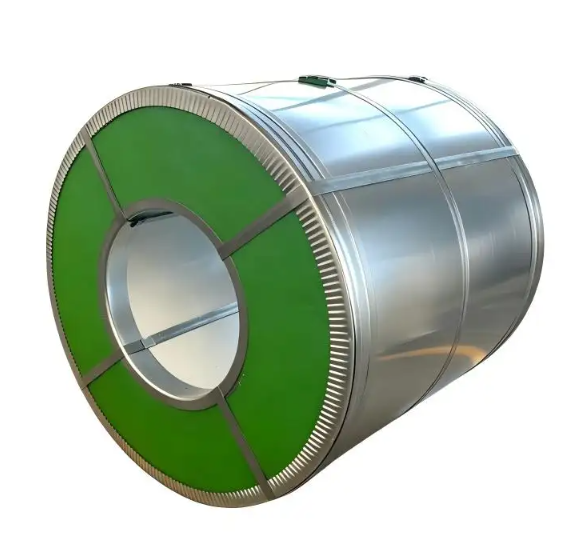
Learn why premium finish galvalume steel coil delivers better paint adhesion and visual consistency in finished building products. Request specs today.
2026/09/10
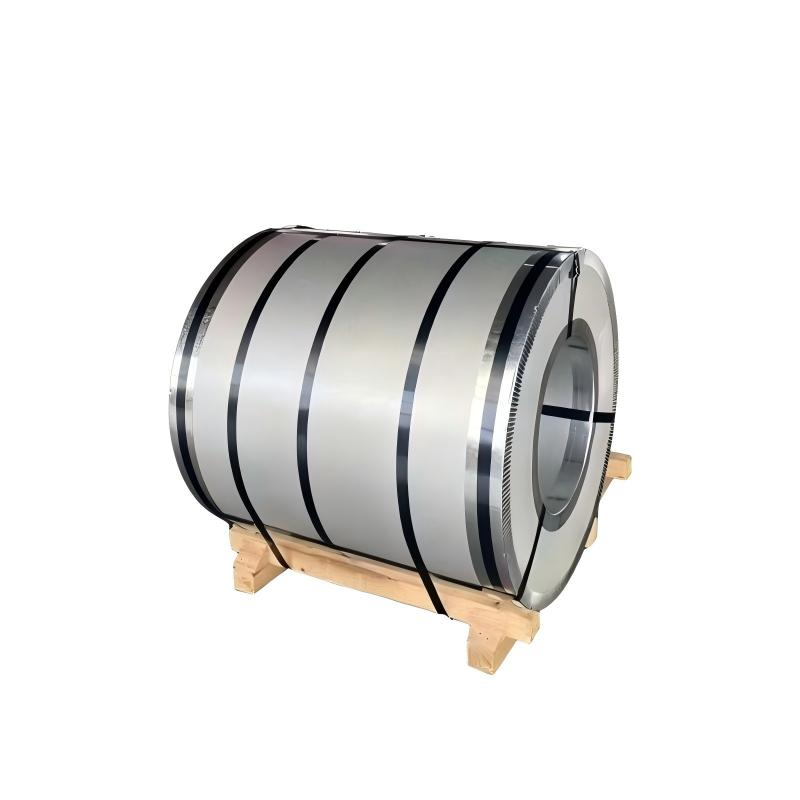
Learn why heavy coating galvalume steel coil provides superior corrosion resistance in harsh coastal settings and saves long-term maintenance costs.
2026/09/10
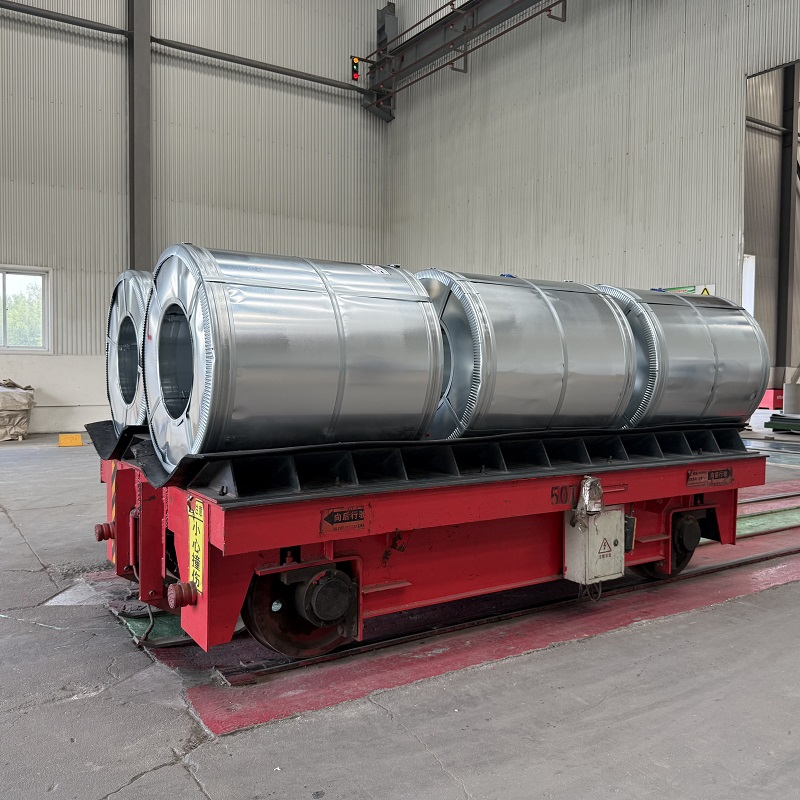
Learn how to test the bending performance of formable galvalume steel coil samples using T-bend testing to prevent cracking and scrap.
2026/09/10
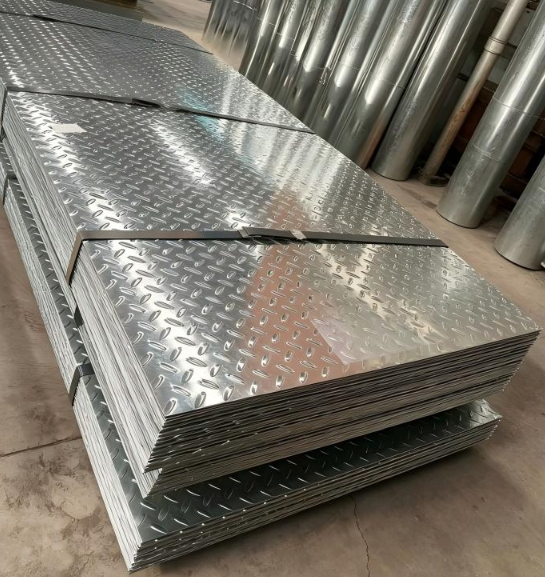
Discover how multi specification galvalume steel coil simplifies purchasing, boosts productivity, and lowers costs for metal fabricators.
2026/09/10
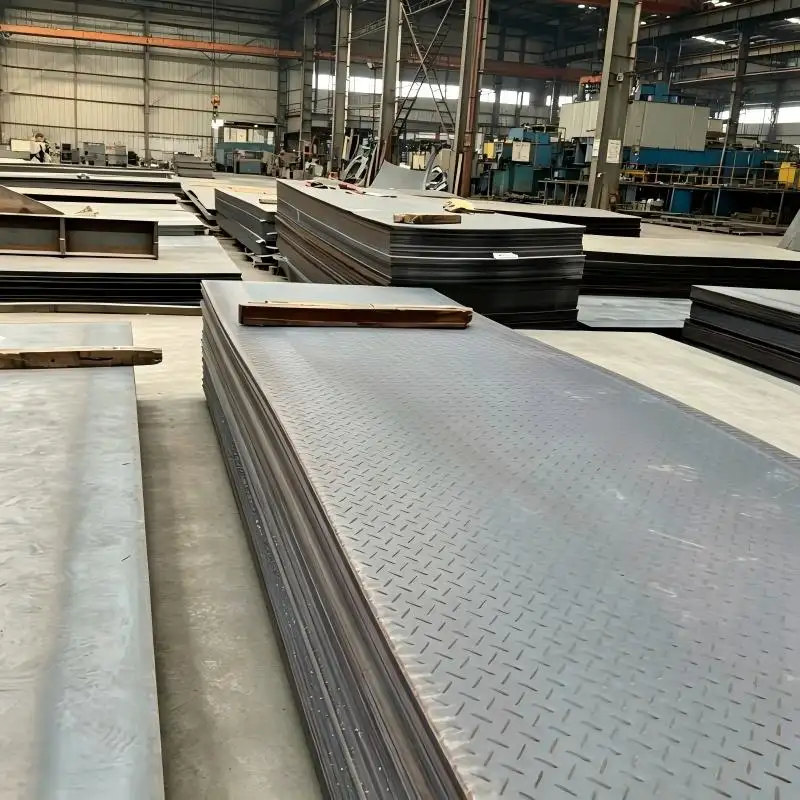
Discover why hot dipped galvanized steel and hot dip galvanized checkered plate offer ideal corrosion resistance and strength for road guardrails.
Covering green transformation, product comparison, selection guide, and industry empowerment, helping you fully grasp the dynamics of the color steel industry.

Global climate action and Belt and Road cooperation are driving the color steel industry’s shift toward green, sustainable development.

Comparing PPGI and PPGL across performance, durability, and applications to help you select the optimal coated steel for your project.
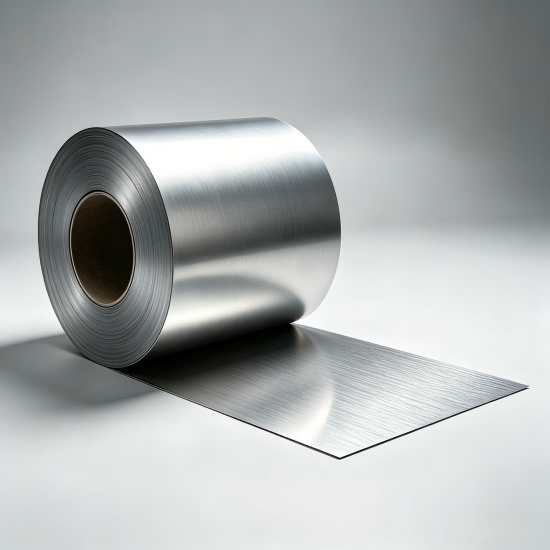
A practical guide to selecting and applying color steel coils, ensuring optimal performance, durability, and cost-effectiveness for your projects.
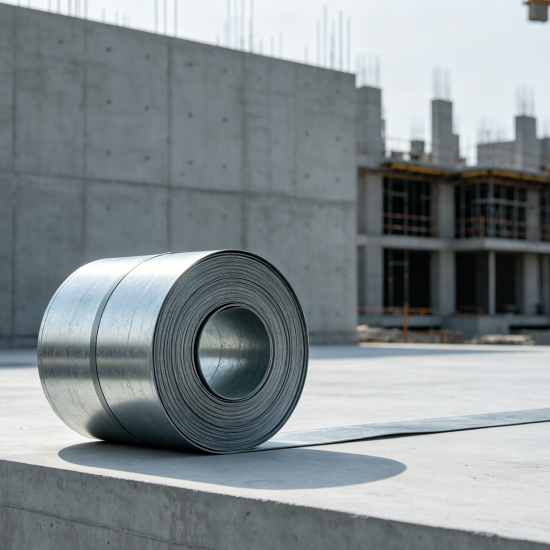
Industry forum drives digital and green transformation, empowering steel sector development through innovation and collaboration.