EN
EN

How to customize length size of precision cut GI coil finished sheets
2026/09/11
Learn how to specify precision cut GI coil sheets in custom lengths — tolerance selection, coating integrity, and ordering tips.
2026/07/17
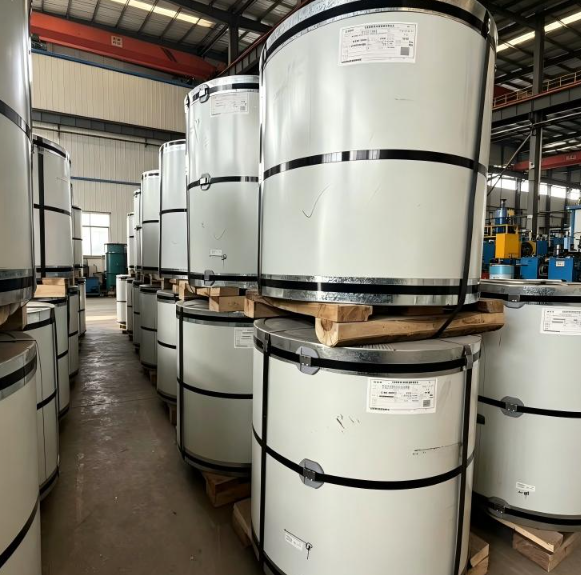
The surface condition of GI coil is one of the most decisive factors in determining the quality and longevity of painted products. Smooth surface GI coil, which has undergone skin-pass treatment to create a uniform, flat, and consistent galvanized layer, provides an optimal substrate for painting and secondary processing operations. The relationship between surface quality and paint performance is well documented in coil coating technology literature: surface irregularities such as zinc splatter, dross inclusions, and uneven spangle patterns create localized variations in paint film thickness, which in turn lead to premature coating failure, color inconsistency, and reduced corrosion resistance. For manufacturers producing pre-painted galvanized steel products, the choice of smooth surface GI coil as the starting substrate directly impacts both production efficiency and end-product quality. GI coil with regular spangle and skin-pass treatment, manufactured to ASTM A653 or JIS G3302 standards, represents the industry benchmark for paint-ready galvanized substrates.
Paint adhesion is fundamentally dependent on the surface energy and topography of the substrate. Smooth surface GI coil that has been properly skin-passed and chemically treated provides a consistent surface energy profile that promotes uniform wetting of primer and topcoat layers. The skin-pass process, which involves light cold reduction of the galvanized strip, creates a microscopically uniform surface with controlled roughness that mechanically interlocks with paint molecules without creating macroscopic irregularities. This is particularly important for GI coil intended for pre-painted galvanized steel production, where the coating line applies primer and paint through roller coating at high speeds. On a smooth surface GI coil, the primer layer spreads evenly across the entire strip width, eliminating the dry spots and pooling that commonly occur on rough or uneven galvanized surfaces. The non-oiled surface condition that quality suppliers provide is also essential, as residual rolling oil can interfere with paint adhesion and require additional degreasing steps in the coating line.
One of the most significant commercial advantages of smooth surface GI coil for painting operations is the reduction in surface preparation requirements. When the GI coil surface is smooth and consistent, the pretreatment process in the coating line can be simplified, requiring less aggressive degreasing, fewer chemical treatment stages, and shorter line dwell times. For manufacturers operating continuous coil coating lines, this translates directly into reduced chemical consumption, lower energy costs for drying ovens, and increased line speed. In practical terms, a smooth surface GI coil with skin-pass treatment and non-oiled condition may reduce pretreatment chemical consumption by 15 to 25 percent compared to standard mill-finish galvanized coil. Additionally, the reduced need for surface defect repair and touch-up after painting lowers labor costs and improves overall line yield. For high-volume producers processing thousands of tons of painted GI coil annually, these savings compound into substantial cost reductions that improve the competitive positioning of the final painted product in the market.
Visual consistency is a critical quality attribute for painted GI coil products, particularly in applications such as building facades, appliance panels, and automotive trim where aesthetic appearance directly influences product value. Smooth surface GI coil contributes to coating uniformity in two ways. First, the consistent surface topography ensures that the paint film thickness is uniform across the entire coil width and length, preventing the visual mottling and color variation that occurs when paint flows into surface depressions on rough substrates. Second, the absence of surface defects such as dross particles and zinc splatter eliminates the localized coating thin spots that are vulnerable to early corrosion and chalking. GI coil with regular spangle and skin-pass treatment, when used as the substrate for PE, SMP, HDP, or PVDF paint systems, produces a painted surface with superior gloss uniformity and color consistency. This is particularly important for products that must meet strict RAL color matching requirements, where even subtle surface variations can cause visible color differences between production batches.
Smooth surface GI coil offers formability advantages that extend beyond the painting process itself into the secondary forming operations that painted coil undergoes. After painting, the coil is typically roll-formed, stamped, or bent into final product shapes such as roofing profiles, wall panels, or appliance housings. The skin-pass treatment that creates the smooth surface also eliminates yield-point elongation in the steel substrate, which prevents the formation of stretcher strains and Luder bands during forming. These surface defects, which appear as visible bands or roughened areas on formed parts, are particularly problematic on painted surfaces because they distort the paint film and create stress concentrations that can lead to coating cracking. By using smooth surface GI coil with skin-pass treatment, manufacturers can achieve tighter bend radii and more complex forming geometries without compromising the integrity of the paint layer. This is especially valuable for deep-drawing applications and high-speed roll forming lines where material consistency directly affects production yield and tool life.
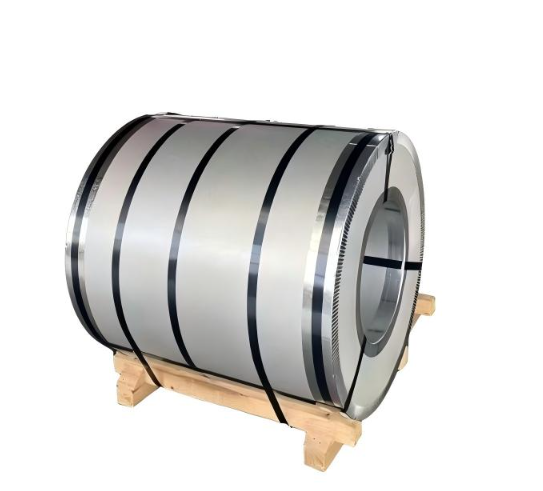
A home appliance manufacturer in South America recently transitioned from standard mill-finish galvanized coil to smooth surface GI coil for the production of refrigerator back panels. The previous material exhibited inconsistent paint adhesion, with approximately 3 percent of panels showing paint peeling at bend lines after forming. After switching to smooth surface GI coil with skin-pass treatment, non-oiled surface, and Z275 coating weight from a supplier maintaining three-tier quality control, the paint peeling defect rate dropped to below 0.2 percent. The manufacturer also reported a 20 percent reduction in pretreatment chemical consumption and a 12 percent increase in coating line speed, because the consistent surface required less aggressive cleaning and shorter drying times. Over an annual production volume of 8,000 tons of painted coil, these improvements generated approximately $45,000 in cost savings while simultaneously improving product quality and reducing customer complaints. This case demonstrates that the advantages of smooth surface GI coil for painting secondary processing are both technically measurable and commercially significant, making it a strategic material choice for manufacturers seeking to optimize their painted steel product quality and cost structure.
What is the difference between skin-passed and non-skin-passed GI coil for painting?
Skin-passed GI coil undergoes a light cold reduction process that creates a smooth, uniform surface and eliminates yield-point elongation. This results in better paint adhesion, more uniform coating thickness, and improved formability compared to non-skin-passed coil, which may exhibit stretcher strains and surface irregularities during forming.
Should I choose oiled or non-oiled GI coil for painting applications?
Non-oiled GI coil is strongly recommended for painting applications, because residual oil on the surface interferes with paint adhesion and requires additional degreasing steps. Non-oiled smooth surface GI coil can proceed directly to the pretreatment stage in the coating line, reducing processing time and chemical consumption.
What zinc coating weight is optimal for painted GI coil?
For painted GI coil applications, zinc coating weights of Z120 to Z275 are typically recommended. The specific choice depends on the end-use environment, with Z120 to Z180 being sufficient for indoor or mild environments, and Z275 being preferred for outdoor applications in corrosive or coastal environments where the paint system provides the primary barrier and the zinc coating serves as secondary sacrificial protection.
2026/09/11
Learn how to specify precision cut GI coil sheets in custom lengths — tolerance selection, coating integrity, and ordering tips.
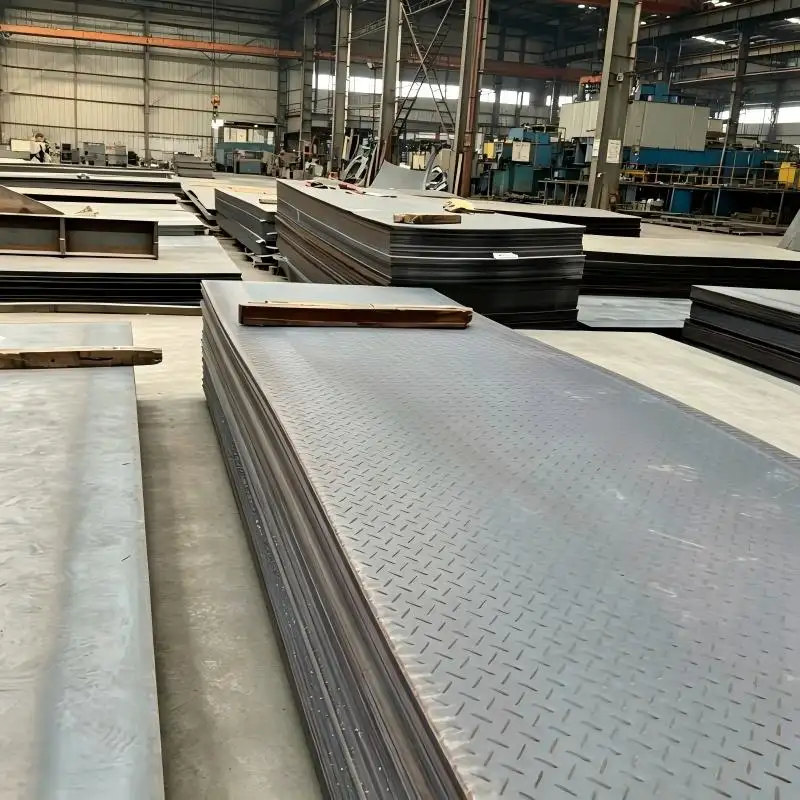
2026/09/11
Learn why premium finish galvalume steel coil delivers better paint adhesion and visual consistency in finished building products. Request specs today.
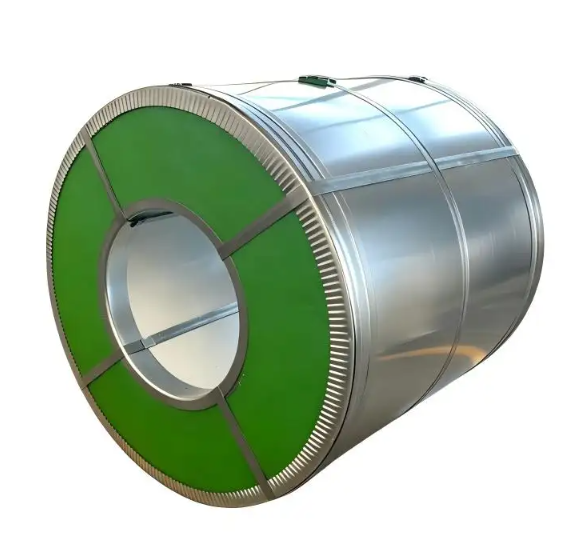
2026/09/10
Learn why heavy coating galvalume steel coil provides superior corrosion resistance in harsh coastal settings and saves long-term maintenance costs.
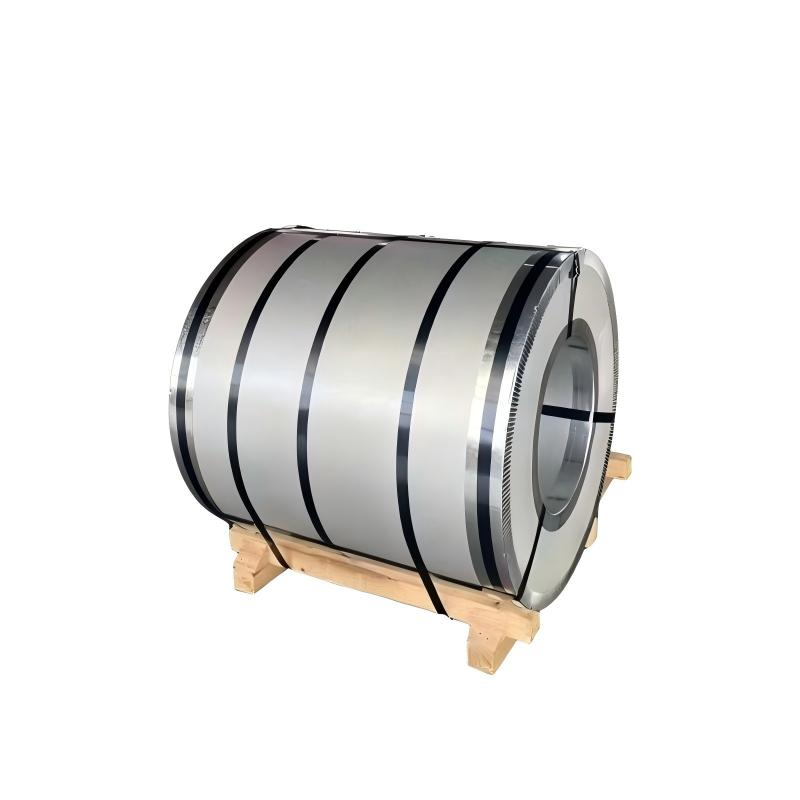
2026/09/10
Learn how to test the bending performance of formable galvalume steel coil samples using T-bend testing to prevent cracking and scrap.
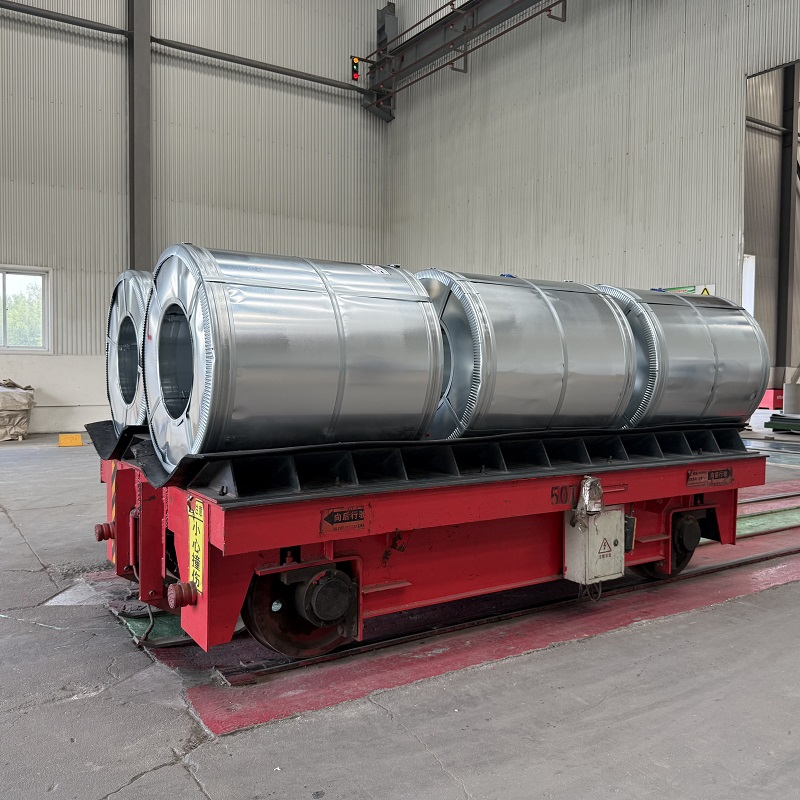
2026/09/10
Discover how multi specification galvalume steel coil simplifies purchasing, boosts productivity, and lowers costs for metal fabricators.
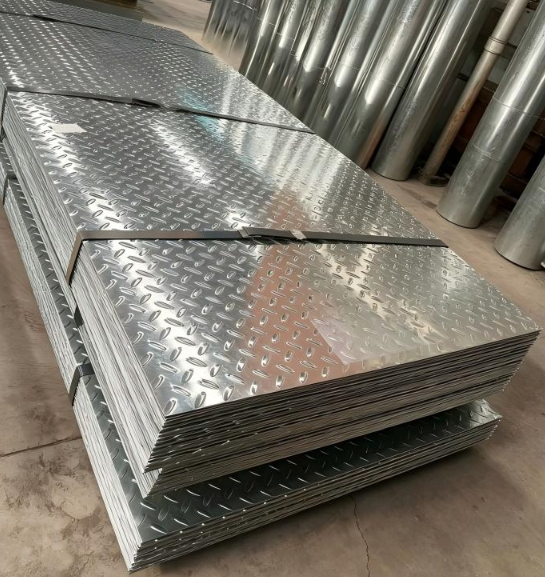
2026/09/10
Discover why hot dipped galvanized steel and hot dip galvanized checkered plate offer ideal corrosion resistance and strength for road guardrails.
Covering green transformation, product comparison, selection guide, and industry empowerment, helping you fully grasp the dynamics of the color steel industry.

Global climate action and Belt and Road cooperation are driving the color steel industry’s shift toward green, sustainable development.
Comparing PPGI and PPGL across performance, durability, and applications to help you select the optimal coated steel for your project.
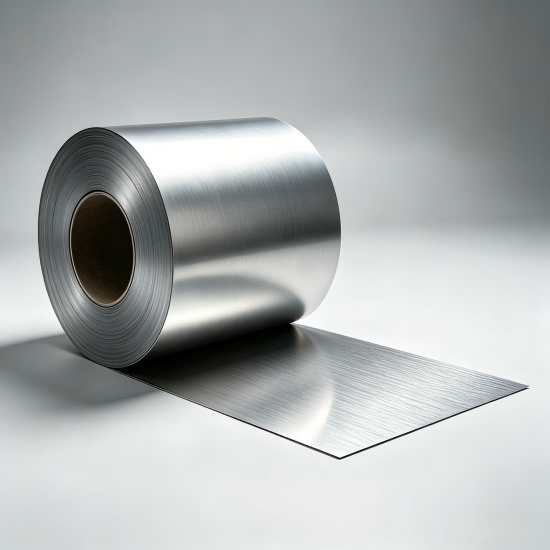
A practical guide to selecting and applying color steel coils, ensuring optimal performance, durability, and cost-effectiveness for your projects.
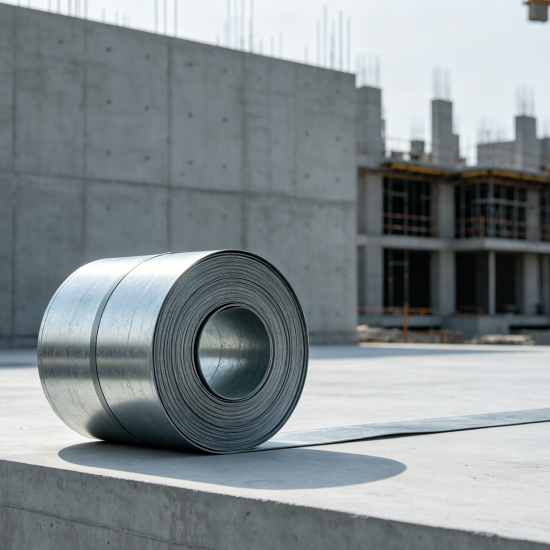
Industry forum drives digital and green transformation, empowering steel sector development through innovation and collaboration.