EN
EN

What Advantages Does PPGL Coil Have Over Ordinary Coated Steel Materials
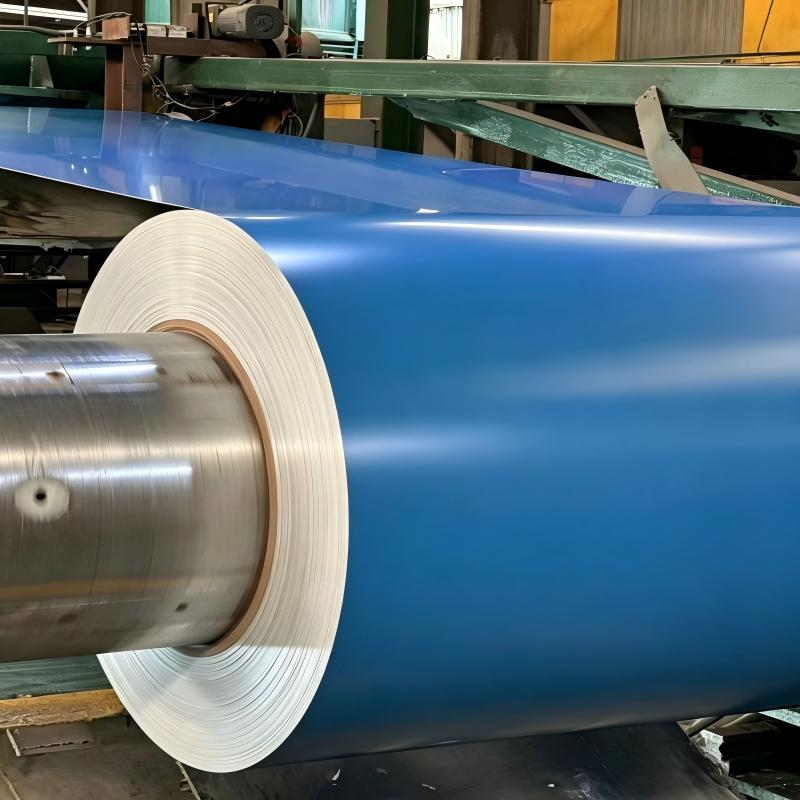
When procurement managers and construction engineers evaluate coated steel coils for roofing, wall cladding, or light-gauge fabrication, the first question is usually about price. The second — and ultimately more important — question is how long the material will actually perform. Here's the thing about PPGL coil: the aluminum-zinc alloy substrate doesn't just add a layer of protection — it fundamentally changes how the steel responds to heat, humidity, and corrosive environments across its entire service life.
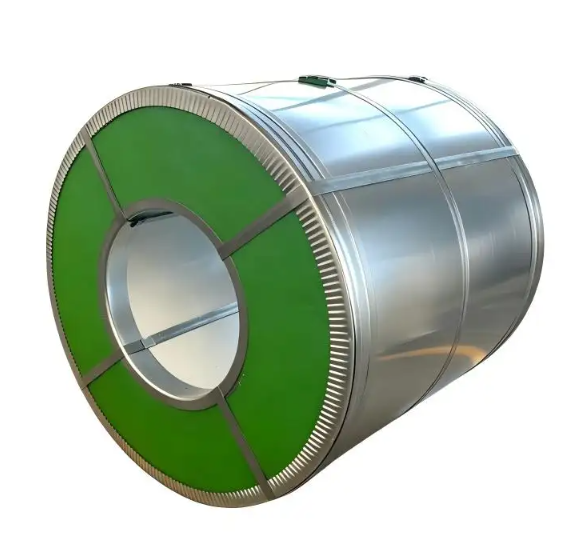
Ordinary coated steel materials typically use a hot-dip galvanized (GI) substrate beneath the paint layer. While GI provides adequate rust protection in moderate conditions, it relies on zinc alone to form a barrier against oxidation. PPGL coil, by contrast, is built on a Galvalume (GL) substrate composed of approximately 55% aluminum, 43.5% zinc, and 1.5% silicon. That composition difference is the foundation of PPGL coil's performance advantages over conventional coated steel products.
What Makes PPGL Coil Different from Ordinary Coated Steel
Most ordinary coated steel in the market — whether PE-coated GI or standard PPGI — relies on a zinc coating to slow the progression of rust. Zinc sacrifices itself to protect the steel substrate, which is effective, but it depletes over time. PPGL coil uses a Galvalume substrate that combines both barrier protection (from aluminum) and sacrificial protection (from zinc), creating a dual-mechanism defense that extends the material's effective service life well beyond what zinc-only coated steel can achieve.
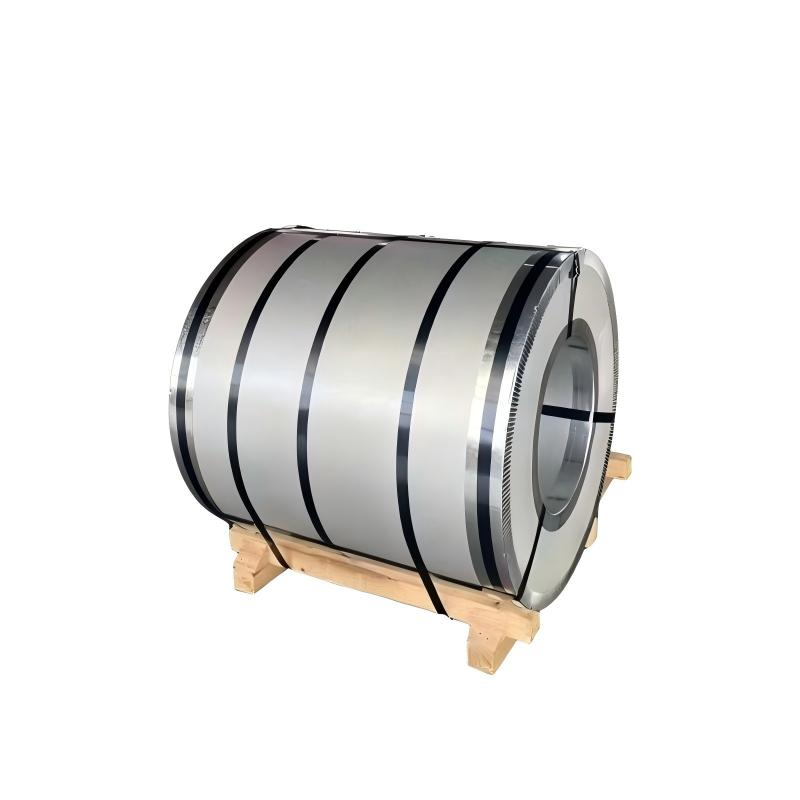
Available in thickness ranges of 0.12 mm to 1.5 mm and standard widths from 600 mm to 1250 mm (with customized widths on request), PPGL coil meets the dimensional flexibility requirements of most construction and fabrication applications while delivering a substantially upgraded performance profile compared to ordinary alternatives.
Key Advantages of PPGL Coil Over Ordinary Coated Steel
1. Superior Corrosion Resistance
The aluminum component in the Galvalume substrate gives PPGL coil a passive barrier protection mechanism that zinc-only coatings cannot replicate. In standard atmospheric exposure testing, PPGL coil consistently outperforms conventional GI-based coated steel in salt-spray resistance and oxidation resistance — particularly on broad, flat roof surfaces where moisture can accumulate and chloride deposition builds over time.
For buyers sourcing materials for coastal construction projects in West Africa, South America, or tropical Asia-Pacific markets, this performance gap is not marginal. After two years of tropical coastal exposure, the difference in rust resistance between standard GI-based coated roofing sheets and PPGL coil panels becomes clearly visible to the naked eye. Projects that specified ordinary coated steel to save upfront material cost often face accelerated maintenance cycles within five to seven years — well before the roof was designed to fail.
2. Enhanced Heat Reflectivity and Thermal Performance
PPGL coil also delivers better heat reflectivity compared to ordinary coated steel. That aluminum content in the Galvalume substrate reflects radiant heat more effectively than a pure zinc coating — which is why architects and building engineers in high-temperature markets increasingly specify PPGL coil for standing-seam roof systems and industrial shed cladding.
While ordinary PE-coated GI steel may satisfy minimum building specification requirements in temperate climates, it cannot match PPGL coil's thermal performance in environments where internal temperature reduction directly affects energy consumption and occupant comfort. For warehouse roofing in tropical regions, the difference translates into measurable cooling load reductions over the building's operational life.
3. Extended Service Life and Lower Lifecycle Cost
The shift from evaluating PPGL coil by unit price to evaluating it by coating durability over a 15-to-25-year roof lifespan changes the entire procurement decision. Industry data shows that PPGL coil typically delivers a service life of 20 to 25 years or more under normal conditions, compared to 10 to 15 years for standard PPGI or ordinary PE-coated GI coil. Under aggressive corrosive conditions — coastal air, industrial pollutants, repeated wet-dry cycling — that performance gap widens further.
When bare corrosion resistance is the top priority, the Galvalume substrate in PPGL coil wins on heat and cut-edge protection, but if color aesthetics and brand consistency also matter, PPGL coil remains the stronger overall choice. Modern PPGL coil paint systems deliver the same broad RAL palette and gloss level options available on ordinary coated steel, so buyers no longer have to trade aesthetic flexibility for long-term durability.
4. Consistent Surface Finish and Paint Adhesion
Because the Galvalume substrate is inherently smoother and more dimensionally stable than hot-dip galvanized steel, PPGL coil provides a more uniform surface for paint application during the coil coating process. This results in better paint adhesion, reduced micro-cracking during roll-forming, and lower paint delamination risk over the material's service life.
PPGL coil is well-suited for high-speed profiling lines — or more precisely, it outperforms standard coated GI in roll-forming operations where consistent paint flexibility across the full coil width is essential. Inconsistent paint adhesion on ordinary coated steel is one of the more common root causes of premature coating failure that procurement teams identify during post-project quality reviews.
PPGL and PPGI: Understanding the Relationship
PPGL and PPGI are frequently discussed together in the coated steel market, and the distinction between them matters when specifying materials. Both are pre-painted color coated coils available in similar thickness ranges, but the substrate differs: PPGI uses galvanized (zinc-coated) steel, while PPGL coil uses Galvalume (aluminum-zinc alloy-coated) steel before the color coat is applied.
In most direct comparisons, PPGI is the more cost-effective option for indoor applications, lightly exposed environments, and projects with moderate service life requirements. PPGL coil is the preferred specification when long-term outdoor performance in demanding conditions is the primary driver. Understanding the distinction between PPGL and PPGI allows engineering teams to optimize material selection by zone within a project rather than applying a single specification across all applications.
Where PPGL Coil Delivers the Clearest Advantage
PPGL coil's performance edge over ordinary coated steel materials is most pronounced in the following scenarios:
- Coastal and high-humidity construction: Buildings within 5 to 20 kilometers of saltwater environments where chloride-induced corrosion is an ongoing risk over the project's design life.
- Industrial roofing in tropical climates: Warehouses, logistics centers, and manufacturing sheds in markets like Nigeria, Brazil, Colombia, and Southeast Asia where heat reflectivity directly reduces internal cooling loads.
- Long-duration infrastructure: Developments where the design service life exceeds 15 years and early re-roofing costs are a significant lifecycle risk.
- Multi-phase construction projects: Programs requiring color consistency across multiple shipment batches, where a stable Galvalume substrate reduces batch-to-batch color variance risk.
Selecting a Reliable PPGL Steel Coil Factory
The performance advantages of PPGL coil over ordinary coated steel are only fully realized when the product is sourced from a supplier maintaining strict process controls over coating weight consistency, paint adhesion standards, and substrate quality. When evaluating a PPGL steel coil factory or trading company, procurement teams should request mill test reports confirming the aluminum-zinc alloy coating weight per square meter, along with inspection documentation for paint adhesion and dimensional tolerances.
Shenyang Yuanhe Steel Trading Co., Ltd. supplies PPGI, PPGL coil, GI, and Galvalume coils to buyers across North America, Africa, South America, and Europe. As a specialist in coated and galvanized flat steel, Yuanhe sources from certified Chinese steel mills and provides full export documentation — mill test reports, certificates of origin, and pre-shipment inspection coordination — to ensure that the specifications buyers require are fully verifiable before goods leave China. For buyers comparing PPGL and PPGI options or evaluating PPGL coil for a specific project application, Yuanhe's team provides product selection guidance based on the target environment and application requirements.
Conclusion
The advantages of PPGL coil over ordinary coated steel materials trace back to one structural choice: the aluminum-zinc alloy Galvalume substrate. Better corrosion resistance, superior heat reflectivity, a service life that reaches 20 to 25 years in normal conditions, and more consistent paint performance — these aren't marketing claims, they follow directly from the substrate composition. For projects in coastal, tropical, or industrially demanding environments, specifying PPGL coil rather than standard coated GI is a specification decision that reduces long-term project maintenance risk. Sourcing that PPGL coil from a supplier who provides verified mill documentation confirms that the performance benefits are built into the product — not just claimed in marketing materials.