EN
EN

How to customize length size of precision cut GI coil finished sheets
2026/09/11
Learn how to specify precision cut GI coil sheets in custom lengths — tolerance selection, coating integrity, and ordering tips.
2026/07/22
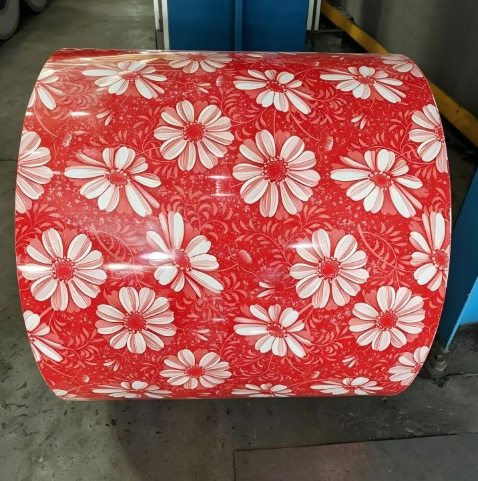
Automated metal tile production lines are engineered for speed, consistency, and minimal human intervention. But even the most sophisticated roll-forming machinery cannot compensate for inconsistent raw material. Over the past five years, I have visited over 30 automated tile lines in China, Vietnam, and Nigeria, and the single most common variable separating high-yield operations from struggling ones is the quality of the color coated sheet coil feeding the line.
This article examines the specific technical advantages that premium colour coated metal strip delivers to automated tile manufacturing, with real production examples.
Consistent Coating Thickness Enables Stable Roll Forming
An automated metal tile line operates at speeds between 12 and 25 meters per minute. At these velocities, the forming rollers engage the color coated sheet coil thousands of times per shift. If the coating layer varies by more than ±5 microns, the friction coefficient changes unpredictably, causing the strip to drift laterally or develop micro-wrinkles at the bend radii.
Premium colour coated metal strip from reputable prepainted steel manufacturers maintains a coating thickness tolerance of ±3 microns across the entire coil length. This consistency ensures that each tile emerges with identical profile geometry. A client in Shandong Province, producing Roman-style metal tiles, reported a 40% reduction in dimensional rejects after switching to our precisely coated color coated sheet coil—from 2.5% down to 1.5%.
Superior Paint Adhesion Prevents Flaking During High-Speed Bending
Metal tile profiles involve tight radius bends—sometimes as sharp as 1T (where the bend radius equals the material thickness). Under these conditions, paint adhesion is tested to its极限. Low-quality colour coated metal strip often exhibits delamination at the bend apex, exposing the bare substrate.
The key lies in the primer-to-substrate bond. Advanced continuous coil coating lines apply a chemical pre-treatment layer—typically chromium-free conversion coating—that creates a micro-porous surface on the galvanized substrate. The primer then penetrates this layer, forming a mechanical interlock. Our color coated sheet coil undergoes a six-stage pre-treatment process that achieves a cross-hatch adhesion rating of 100% (no peeling) per ASTM D3359, even after 180-degree bending.
UV and Weather Resistance for Outdoor Tile Applications
Metal roof tiles are exposed to intense solar radiation, temperature swings, and humidity. The topcoat formulation of the colour coated metal strip directly determines the tile's service life. Polyester (PE) coatings, while economical, begin chalking after 3–5 years in tropical climates. High-Durability Polyester (HDP) and PVDF coatings, by contrast, retain 80% of their original gloss after 10 years of Florida-style UV exposure testing.
For automated tile lines exporting to markets with high solar index, I recommend specifying color coated sheet coil with HDP or PVDF topcoats. The incremental material cost is approximately 8–12%, but the warranty period extends from 5 years to 15–20 years—a value proposition that resonates strongly with builders and homeowners.
Dimensional Stability Reduces Machine Downtime
One of the most costly disruptions in an automated line is a coil splice or a gauge variation that jams the forming station. Colour coated metal strip with inconsistent thickness—deviating beyond ±0.02 mm—can cause the rollers to overload, triggering emergency stops that waste 15–30 minutes per incident.
Our color coated sheet coil is produced with strict thickness control: the hot-rolled substrate is cold-rolled to achieve a gauge tolerance of ±0.01 mm for thicknesses up to 0.6 mm, and ±0.015 mm for 0.6–1.2 mm. This level of precision allows automated lines to run continuously for 8-hour shifts without a single jam-related stoppage.
Case Study: Bangladesh Metal Tile Manufacturer
I worked closely with a Dhaka-based manufacturer who was producing 8,000 metal tiles per day using imported colour coated metal strip. Their reject rate hovered around 4.5%, primarily due to edge cracking and coating blisters. After switching to our color coated sheet coil—with optimized annealing cycles that eliminated hydrogen blistering—their reject rate dropped to 1.8% within two months. Annual material savings exceeded USD 45,000.
Supply Chain Reliability Matters
Automated tile lines cannot afford raw material shortages. A single day of downtime due to delayed colour coated metal strip delivery can cost a medium-sized factory USD 5,000–8,000 in lost output. Shenyang Yuanhe Steel Trading Co., Ltd. maintains a 15,000-ton inventory of color coated sheet coil across multiple specifications, supported by a 24-hour dispatch system. Our partnerships with Anshan Shenlong and Tianjin Xinyu ensure continuous supply even during peak construction seasons.
Conclusion
The advantages of using high-quality color coated sheet coil in automated metal tile production extend far beyond aesthetics. Consistent coating thickness, superior paint adhesion, UV resistance, dimensional stability, and reliable supply all contribute to higher yield rates, less downtime, and longer product warranties. For manufacturers investing in automation, the raw material specification is not a secondary consideration—it is the foundation upon which production efficiency is built.
When sourcing colour coated metal strip, insist on detailed coating specifications, adhesion test reports, and thickness tolerance data. The right color coated sheet coil will pay for itself through reduced waste and increased machine utilization.
2026/09/11
Learn how to specify precision cut GI coil sheets in custom lengths — tolerance selection, coating integrity, and ordering tips.
2026/09/11
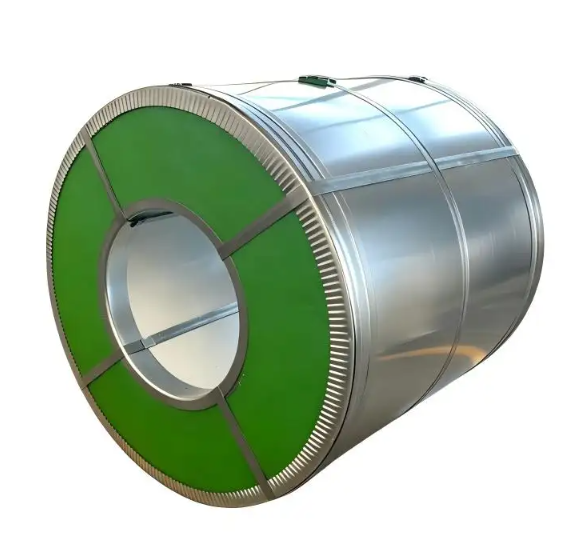
Learn why premium finish galvalume steel coil delivers better paint adhesion and visual consistency in finished building products. Request specs today.
2026/09/10
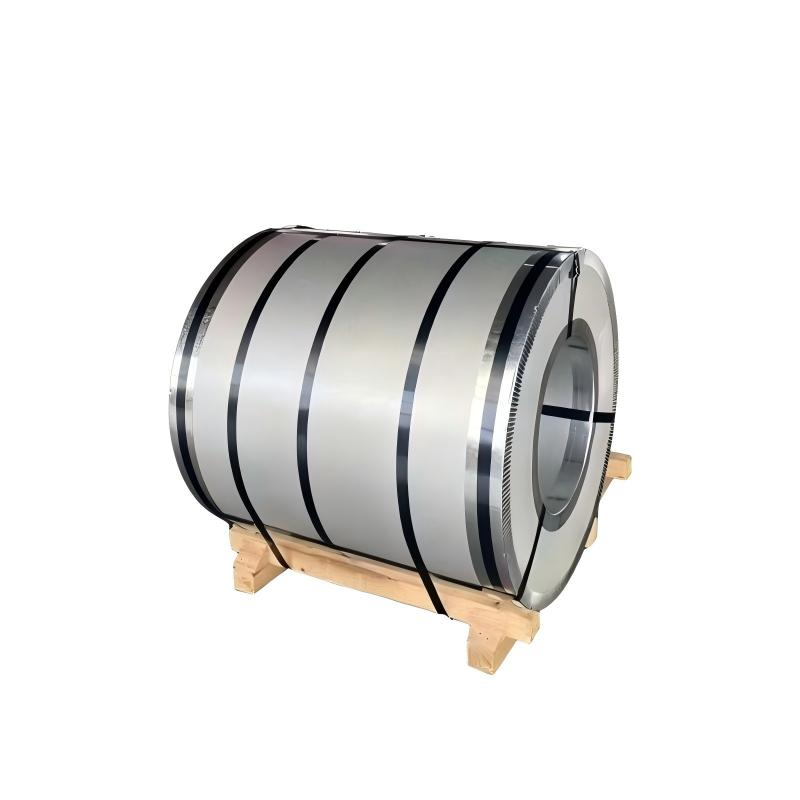
Learn why heavy coating galvalume steel coil provides superior corrosion resistance in harsh coastal settings and saves long-term maintenance costs.
2026/09/10
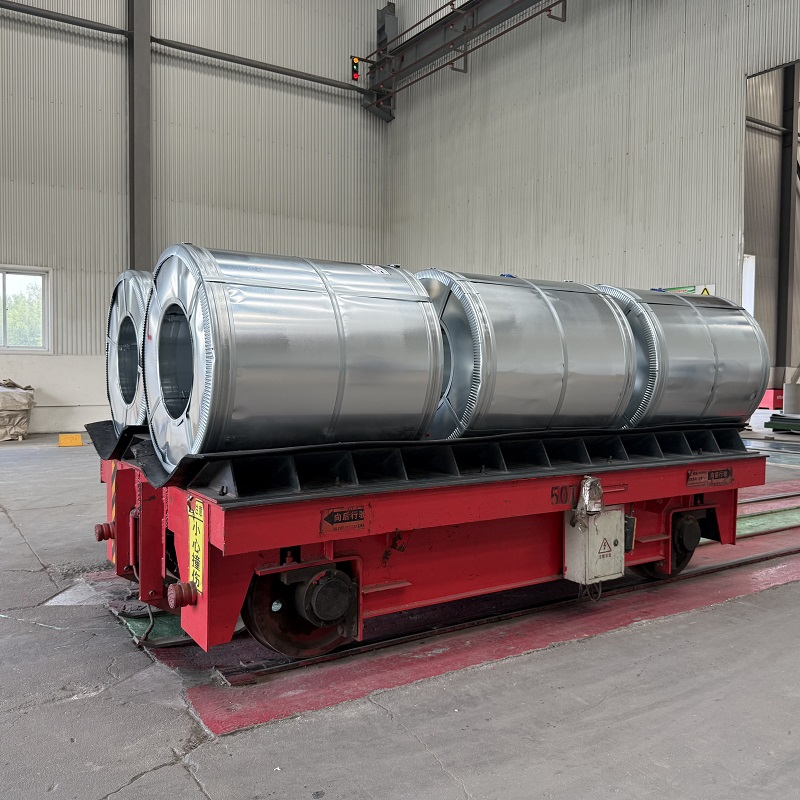
Learn how to test the bending performance of formable galvalume steel coil samples using T-bend testing to prevent cracking and scrap.
2026/09/10
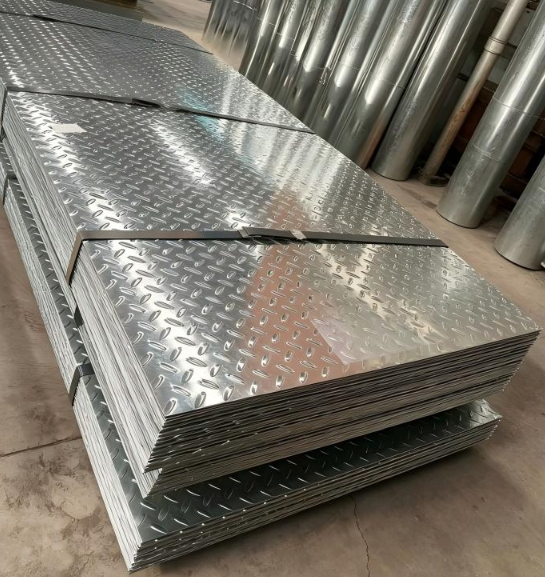
Discover how multi specification galvalume steel coil simplifies purchasing, boosts productivity, and lowers costs for metal fabricators.
2026/09/10
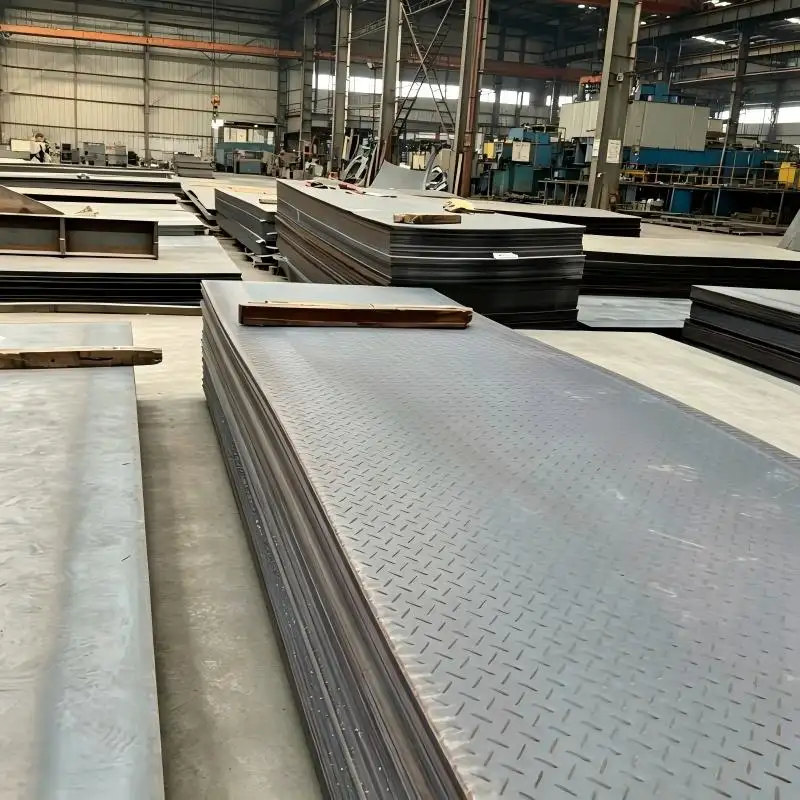
Discover why hot dipped galvanized steel and hot dip galvanized checkered plate offer ideal corrosion resistance and strength for road guardrails.
Covering green transformation, product comparison, selection guide, and industry empowerment, helping you fully grasp the dynamics of the color steel industry.
Global climate action and Belt and Road cooperation are driving the color steel industry’s shift toward green, sustainable development.
Comparing PPGI and PPGL across performance, durability, and applications to help you select the optimal coated steel for your project.
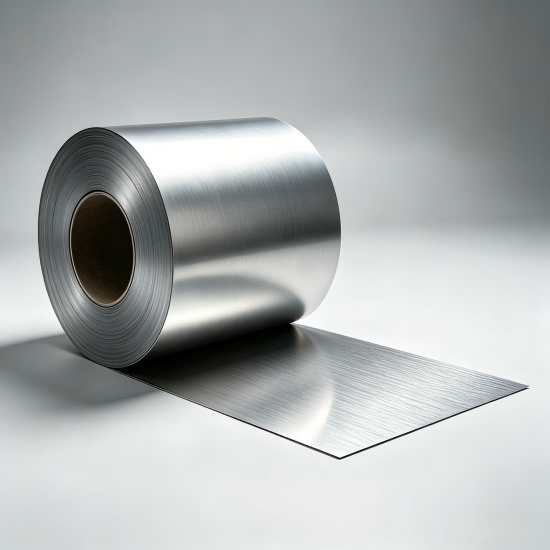
A practical guide to selecting and applying color steel coils, ensuring optimal performance, durability, and cost-effectiveness for your projects.
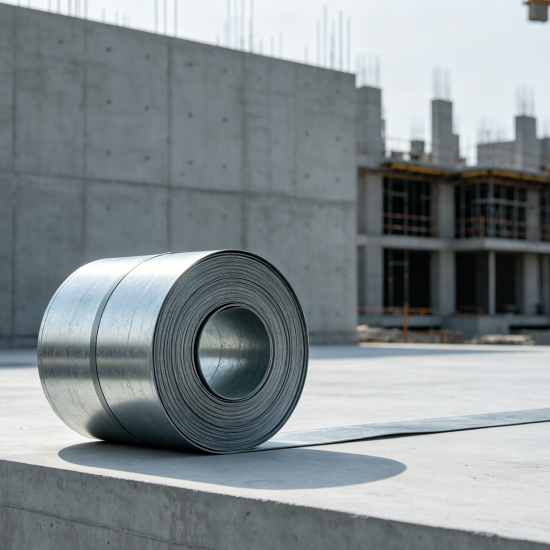
Industry forum drives digital and green transformation, empowering steel sector development through innovation and collaboration.