EN
EN

How to customize length size of precision cut GI coil finished sheets
2026/09/11
Learn how to specify precision cut GI coil sheets in custom lengths — tolerance selection, coating integrity, and ordering tips.
2026/08/10
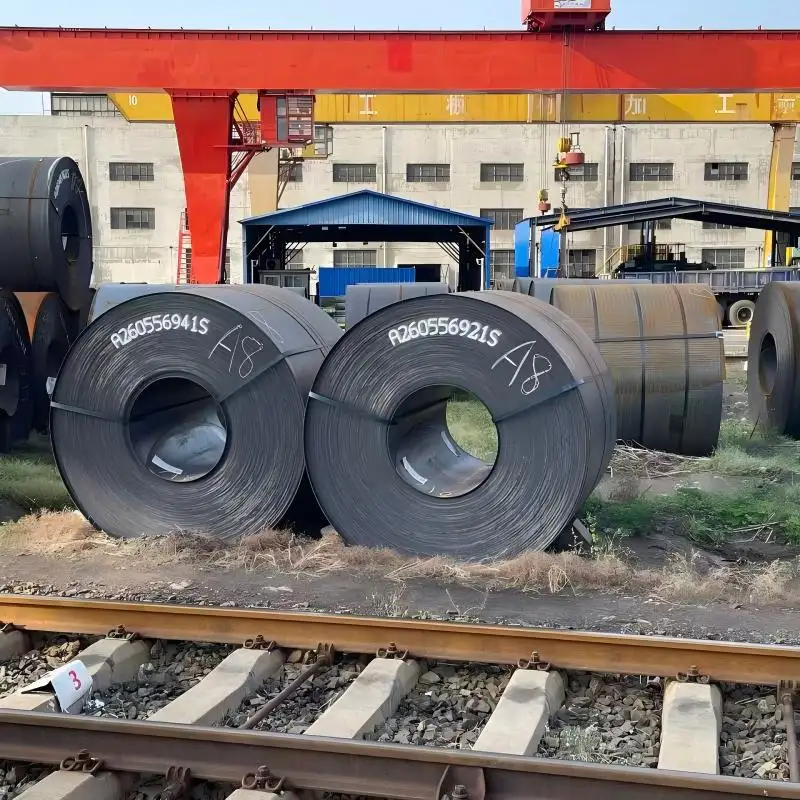
Achieving a consistent finish on every PPGL coil is essential for smooth downstream fabrication, especially in operations involving metal spraying rework. When a PPGL coil maintains uniform layer thickness across its entire width and length, fabricators experience fewer surface preparation headaches and achieve much more predictable spraying outcomes. The underlying galvalume steel coil base receives its aluminum-zinc shielding through continuous hot-dip lines, where tiny shifts in line speed, bath temperature, or air knife pressure can cause thickness irregularities that create serious challenges during later processing steps.
Industry findings show that metal stock exhibiting a thickness variation exceeding plus or minus 5 percent across the strip width suffers from a 22 to 35 percent spike in rework rates compared to standard galvalume steel coil options with variations under 2 percent. This happens because uneven surfaces create fluctuating roughness profiles, causing sprayed metal droplets to grip inconsistently. For operations utilizing PPGL coil as a foundation for wear-resistant machine components, high coating consistency is an absolute requirement for production efficiency.
Uneven layers on a PPGL coil trigger specific manufacturing bottlenecks during thermal spray applications. First, thickness shifts across the galvalume steel coil surface cause differential thermal expansion as molten sprayed particles cool down. This imbalance creates internal stress that frequently leads to cracking or delamination right where thick and thin zones meet. Second, variations in surface texture compromise the mechanical interlocking required for strong adhesion.
Third, chemical inconsistencies at the boundary between the PPGL coil substrate and the sprayed overlay can alter bonding performance. Thicker sections often retain different oxide structures compared to thinner areas, creating variable chemical bonding conditions across a single component. These combined mechanical and chemical flaws result in pinholes, porosity, and peeling that force expensive metal spraying rework cycles. Each repair loop not only wastes materials and labor but also subjects the base metal to repeated thermal shocks, worsening structural integrity.
Securing stable coating consistency starts with precise measurement protocols. Standard evaluations for a galvalume steel coil require checking layer weights at a minimum of five distinct points across the strip width, alongside regular lengthwise checks. For PPGL coil designated for heavy industrial spraying, purchase orders should mandate that weight variations stay within plus or minus 3 percent across all test zones.
Beyond weight metrics, surface roughness analysis via profilometers ensures proper texture control. Maintaining stable arithmetic average roughness values across the PPGL coil surface guarantees that prep methods like grit blasting create uniform anchor patterns. Savvy buyers incorporating PPGL coil into demanding manufacturing workflows always specify strict parameters for both weight distribution and textural coating consistency in their supply contracts.
| Quality Parameter | Uniform Surface Stock | Irregular Surface Stock | Operational Impact |
| Layer Weight Drift | Plus/minus 2-3% | Plus/minus 8-12% | Higher rework frequency |
| Surface Roughness (Ra) | 0.8-1.2 micrometers | 0.5-2.0 micrometers | Unstable bonding |
| Adhesion Strength | 18-25 MPa | 8-15 MPa | Delamination risks |
| Pinhesion Defect Rate | 1-3% | 8-15% | Multiple repair loops |
| Processing Throughput | 95-98% first pass | 65-75% first pass | Significant delays |
A heavy equipment manufacturer producing wear-resistant mining components recently switched from a standard supplier to a specialized PPGL coil featuring tight coating consistency to resolve persistent manufacturing defects. Their previous galvalume steel coil suffered from 9 percent thickness swings across the strip, resulting in adhesion failures on roughly 18 percent of finished parts. Each failure demanded complete stripping, re-blasting, and re-spraying—consuming up to six hours per component.
After transitioning to a certified PPGL coil with weight drift capped at 3 percent and strict roughness parameters, the facility witnessed dramatic gains. Average bond strength jumped to 22 MPa, pinhole defects plunged to 2.5 percent, and first-pass yield climbed to 94 percent. Although the premium galvalume steel coil carried an 8 percent higher initial price tag, scrap reduction saved thousands monthly, proving that investing in proper coating consistency pays off rapidly during intensive metal spraying rework tasks.
Sustaining high coating consistency demands rigorous automation inside modern production facilities. Critical parameters include maintaining bath temperature stability within plus or minus 2 degrees Celsius, line speed accuracy within 1 percent, and precise air knife pressure regulation. Real-time X-ray fluorescence sensors continuously scan the galvalume steel coil as it moves down the line, allowing automated systems to correct thickness drifts instantly.
Sourcing structural materials from established manufacturers ensures consistent results. Shenyang Yuanhe operates advanced production workshops backed by multi-tier quality inspection systems, delivering customized steel specifications that eliminate processing headaches. By pairing modern manufacturing infrastructure with strict quality oversight, Shenyang Yuanhe helps global partners minimize metal spraying rework and optimize efficiency when utilizing high-performance PPGL coil or galvalume steel coil inventories.
For any PPGL coil destined for thermal spraying, weight variations should never exceed plus or minus 3 percent across the strip width to guarantee uniform adhesion and minimize metal spraying rework.
Inconsistent layers across a galvalume steel coil create fluctuating surface energies and variable roughness profiles, leading to weak spots and localized delamination during secondary coating operations.
While utilizing a high-grade PPGL coil with verified coating consistency drastically cuts defect rates down to minimal levels, operator technique and environmental factors still play a role in final output quality.
2026/09/11
Learn how to specify precision cut GI coil sheets in custom lengths — tolerance selection, coating integrity, and ordering tips.
2026/09/11
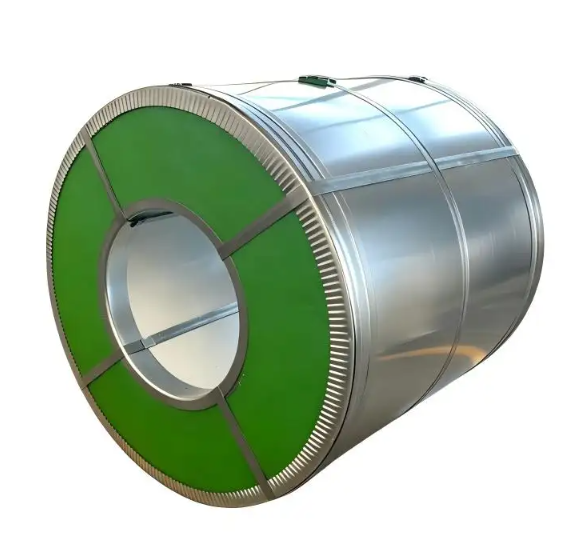
Learn why premium finish galvalume steel coil delivers better paint adhesion and visual consistency in finished building products. Request specs today.
2026/09/10
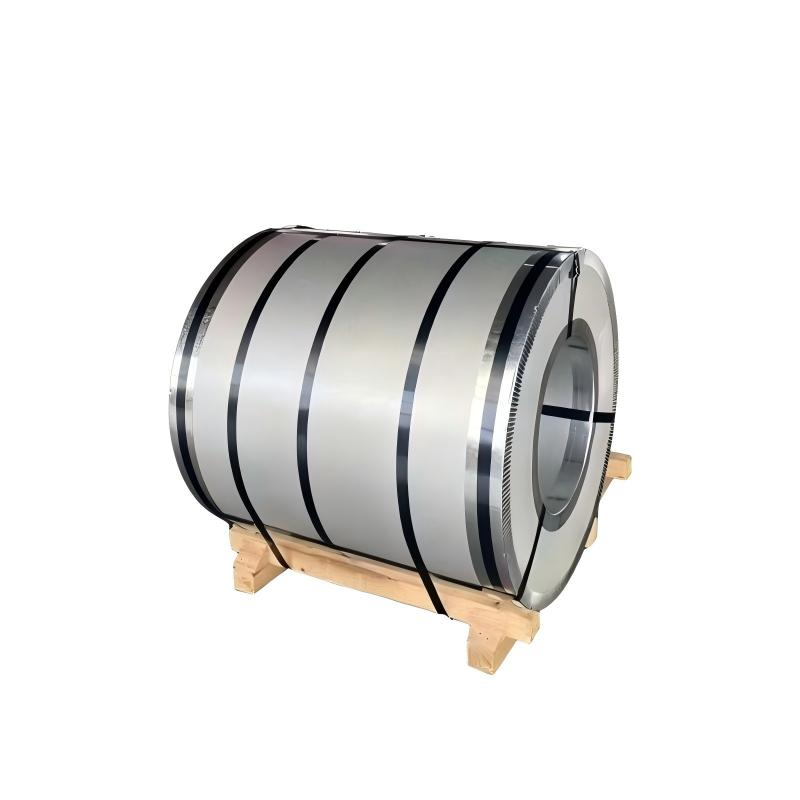
Learn why heavy coating galvalume steel coil provides superior corrosion resistance in harsh coastal settings and saves long-term maintenance costs.
2026/09/10
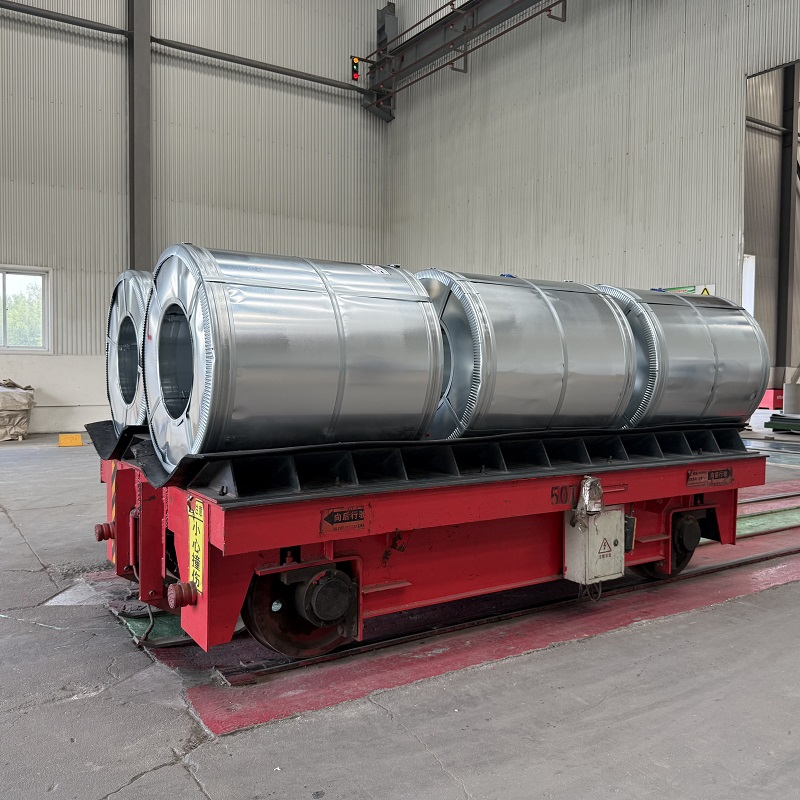
Learn how to test the bending performance of formable galvalume steel coil samples using T-bend testing to prevent cracking and scrap.
2026/09/10
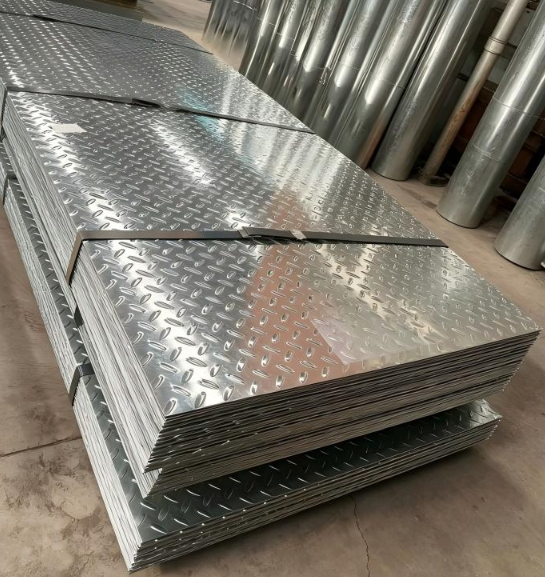
Discover how multi specification galvalume steel coil simplifies purchasing, boosts productivity, and lowers costs for metal fabricators.
2026/09/10
Discover why hot dipped galvanized steel and hot dip galvanized checkered plate offer ideal corrosion resistance and strength for road guardrails.
Covering green transformation, product comparison, selection guide, and industry empowerment, helping you fully grasp the dynamics of the color steel industry.

Global climate action and Belt and Road cooperation are driving the color steel industry’s shift toward green, sustainable development.

Comparing PPGI and PPGL across performance, durability, and applications to help you select the optimal coated steel for your project.
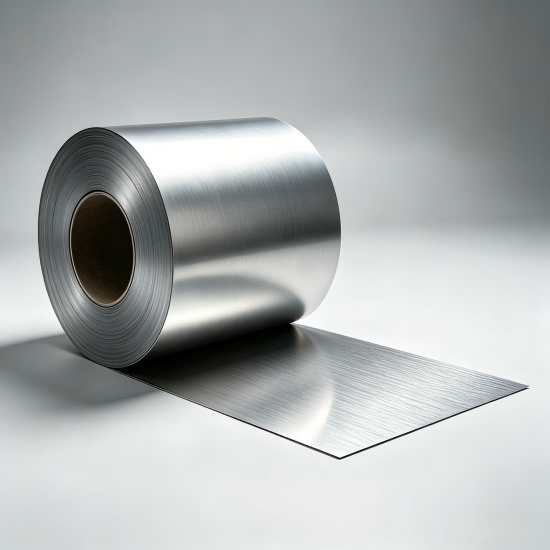
A practical guide to selecting and applying color steel coils, ensuring optimal performance, durability, and cost-effectiveness for your projects.
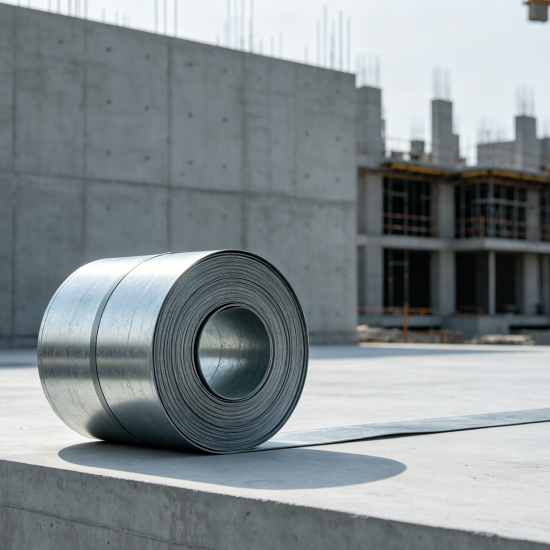
Industry forum drives digital and green transformation, empowering steel sector development through innovation and collaboration.