EN
EN

How to customize length size of precision cut GI coil finished sheets
2026/09/11
Learn how to specify precision cut GI coil sheets in custom lengths — tolerance selection, coating integrity, and ordering tips.
2026/09/01
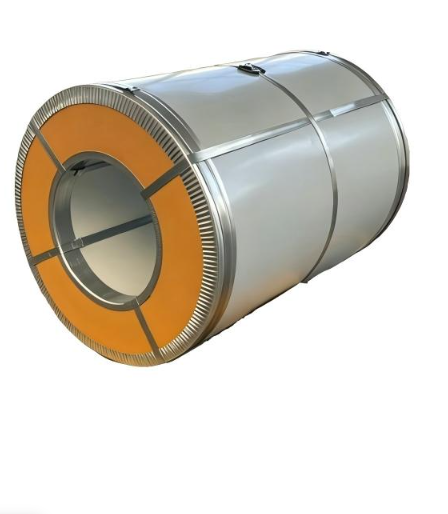
Evaluating the long-term waterproof performance of a PPGI steel coil roof sheet requires looking far beyond basic substrate thickness or topcoat paint color. Building envelope integrity relies on a total system performance framework—combining panel profile design, seam tightness, fastener seals, and underlying material durability.
Before specifying raw stock for industrial or commercial projects, confirming that the material passes rigorous waterproof test standard benchmarks ensures that the building shell will withstand wind-driven rain, pooling water, and tropical storms over decades of outdoor exposure.
Water ingress along side-lap joints remains one of the most frequent causes of structural roof leaks. Capillary action occurs when water gets drawn upward through narrow gaps between overlapping panels, bypassing standard gravimetric drainage paths.
Testing capillary resistance involves evaluating panel profiles under standardized EN 14782 procedures:
Test Slope Angle: Mounting sample profile panels at a shallow 5-degree pitch to simulate low-slope roofs.
Water Head Exposure: Maintaining a constant 20 mm standing water head directly over the side-lap joint.
Observation Period: Monitoring the interior side of the lap joint continuously over 24 hours for signs of moisture migration.
Integrating an anti-capillary groove—a small formed ridge along the female lap edge—breaks the surface tension of trapped water. Combining a well-formed anti-capillary channel with a minimum 80 mm side-lap overlap ensures that every PPGI roof sheet panel maintains a dry interior seal under severe rain conditions.
For large-scale commercial warehouses and logistics parks, standing seam roof profiles offer superior weatherproofing by concealing mechanical fasteners beneath folded metal seams. Subjecting assemblies to standardized roofing material testing validates resistance to wind-driven rain.
| Test Parameter | Standard Specification | Standing Seam PPGI Performance |
| Static Air Pressure Differential | 600 Pa per ASTM E2140 / EN 15601 | Zero leakage recorded at 600 Pa static load |
| Simulated Storm Differential | Up to 1,200 Pa dynamic pressure | Holds structural tightness in 140 km/h wind-driven rain |
| Water Spray Flow Rate | 2.0 L/min per square meter | Continuous surface flooding without joint penetration |
| Seam Closure Configuration | 180° Single Lock or 360° Double Lock | Full mechanical seam closure stops standing water |
| Pass/Fail Criteria | Zero moisture penetration on interior face | Passes complete laboratory certification |
Subjecting a high-grade 0.5 mm PPGI steel coil standing seam assembly to a 1,200 Pa pressure differential proves its ability to withstand severe typhoon-force storms without internal water ingress.
Mechanical fasteners penetrate protective paint layers during installation, creating potential pathways for moisture intrusion and edge rust. Ensuring that a PPGI steel coil roof sheet retains its coating integrity around screw penetrations requires inspecting both washer hardware and under-film corrosion resistance.
Standardized roofing material testing protocols quantify under-film corrosion creep around intentional coating breaks:
Salt Spray Exposure: Testing scribed samples per ASTM D5894 or ISO 9227 standards over 1,000 continuous hours.
Acceptance Thresholds: Quality organic coatings restrict corrosion creep to under 3.0 mm from the initial scribe mark.
Washer Sealing Compatibility: Equipping self-drilling fasteners with weather-resistant EPDM washers prevents water pooling against exposed cut steel margins.
Verifying both fastener sealing hardware and coating creep resistance protects raw sheet stock from premature edge failure around attachment points.
Beyond formal laboratory evaluations, executing practical field checks verifies installation quality on active construction sites. The water spray test provides an immediate, reliable field assessment before project sign-off.
Key steps for field testing include:
High-Pressure Spraying: Directing a continuous stream from a calibrated spray nozzle at panel side laps, ridge caps, and eave flashings for 15 minutes per section.
Interior Inspection: Stationing inspectors below the roof deck to check for micro-droplets or seam dampness along structural purlins.
Critical Penetration Auditing: Concentrating spray streams around HVAC curbs, skylight curbs, and pipe flashings where installation errors typically occur.
Field testing catches assembly flaws—such as missing butyl sealant tape or under-crimped seams—preventing costly interior building damage before occupancy begins.
Long-term waterproof reliability depends directly on raw substrate quality. Material irregularities, surface waviness, or uneven zinc distribution prevent overlapping sheet margins from compressing flush against sealing tapes.
Key physical parameters evaluated during raw material quality checks include:
Surface Flatness Limits: Eliminating edge waves and coil set ensures uniform contact along side-lap seams.
Zinc Coating Adhesion: Ensuring the underlying zinc layer adheres tightly during severe roll-forming bends prevents micro-cracking.
Organic Coating Flexibility: Specifying high-flexibility primers and topcoats prevents coating fracture along tight standing seam folds.
Sourcing raw stock that strictly adheres to waterproof test standard benchmarks guarantees consistent forming performance during sheet profiling.
Matching material specifications to regional weathering demands ensures long-term building security:
Low-Slope Industrial Roofs (1° to 3° Pitch): Requires 360-degree double-lock standing seam profiles fabricated from high-yield PPGI steel coil stock to handle standing water.
High-Rainfall Coastal Facilities: Demands heavy-gauge PPGI roof sheet stock paired with high-build PVDF coatings to withstand severe salt spray and tropical downpours.
Architectural Steeper-Pitch Buildings: Utilizes standard lap-joint panels featuring deep anti-capillary grooves to shed heavy rainwater rapidly.
Supplying high-performance roofing metal requires working with established suppliers operating advanced continuous coating lines, automated profiling machinery, and dedicated laboratory testing equipment. Adhering to every major waterproof test standard guarantees that every sheet panel delivers dry, long-term shelter.
Shenyang Yuanhe Steel maintains an annual inventory exceeding 10,000 tons and operates advanced coil processing workshops equipped for custom slitting, leveling, and profiling. Shenyang Yuanhe Steel supplies certified PPGI steel coil materials, high-durability PPGI roof sheet stock, and customized metal building supplies tested against international quality standards. By combining strict quality control, full mill test certificates, and dependable global shipping, Shenyang Yuanhe Steel supports global construction, engineering, and trading partners worldwide.
2026/09/11
Learn how to specify precision cut GI coil sheets in custom lengths — tolerance selection, coating integrity, and ordering tips.
2026/09/11
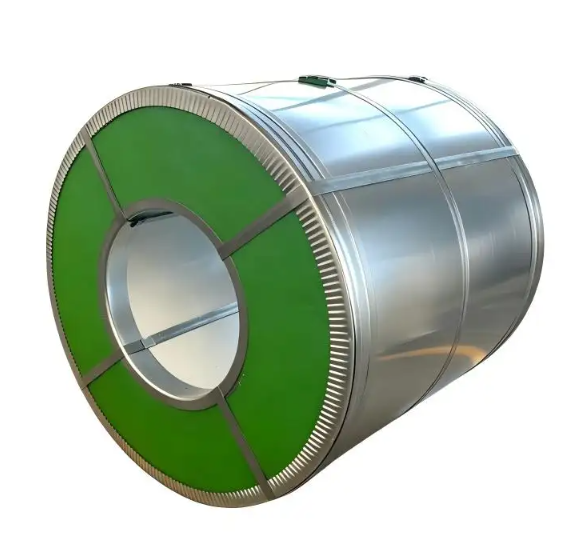
Learn why premium finish galvalume steel coil delivers better paint adhesion and visual consistency in finished building products. Request specs today.
2026/09/10
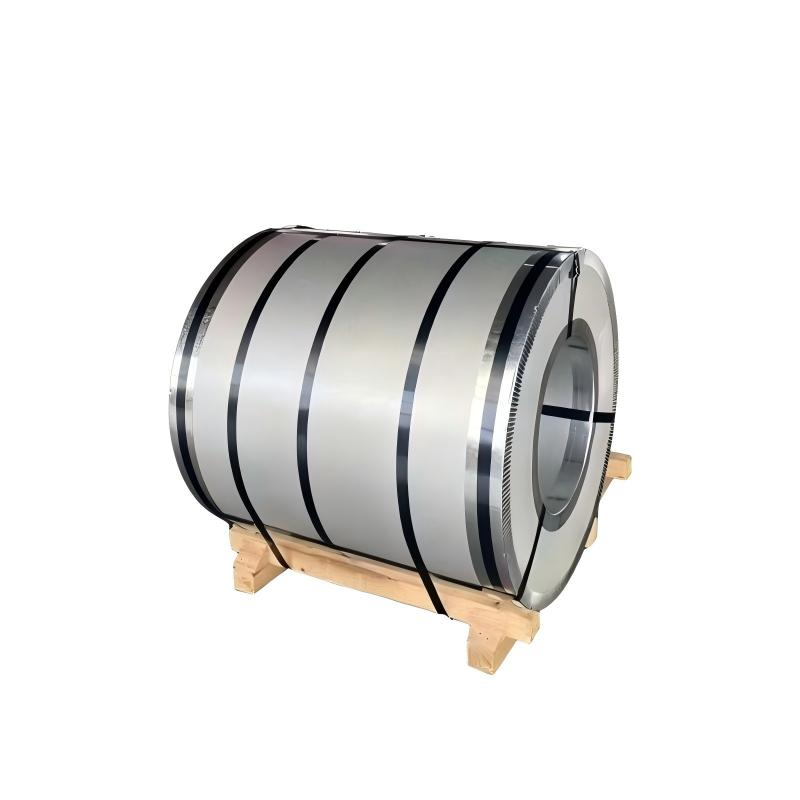
Learn why heavy coating galvalume steel coil provides superior corrosion resistance in harsh coastal settings and saves long-term maintenance costs.
2026/09/10
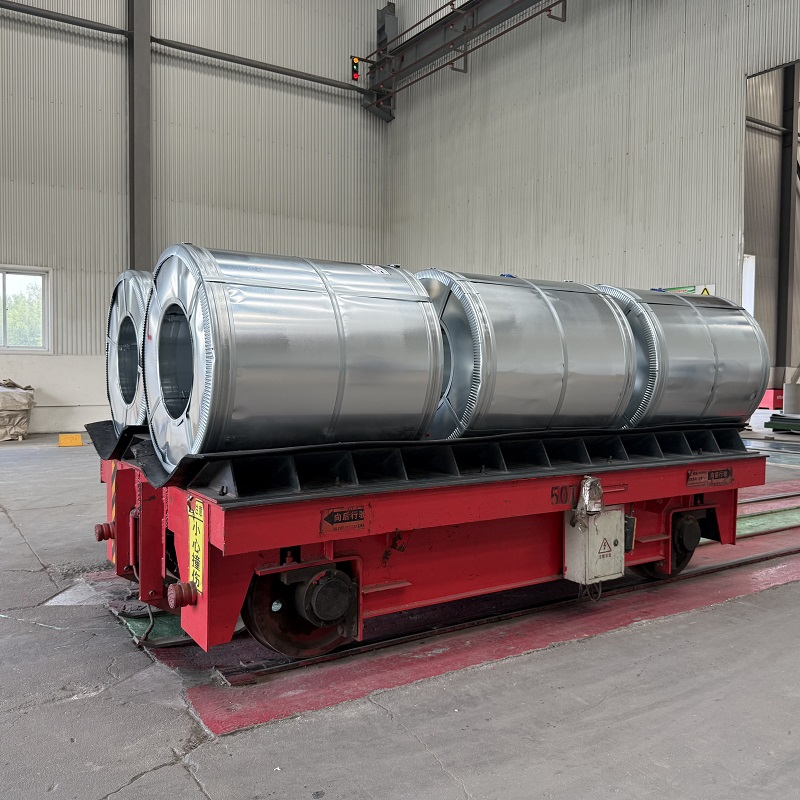
Learn how to test the bending performance of formable galvalume steel coil samples using T-bend testing to prevent cracking and scrap.
2026/09/10
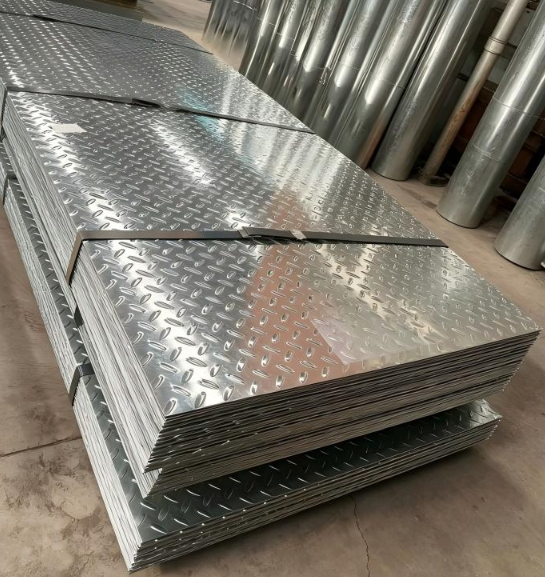
Discover how multi specification galvalume steel coil simplifies purchasing, boosts productivity, and lowers costs for metal fabricators.
2026/09/10
Discover why hot dipped galvanized steel and hot dip galvanized checkered plate offer ideal corrosion resistance and strength for road guardrails.
Covering green transformation, product comparison, selection guide, and industry empowerment, helping you fully grasp the dynamics of the color steel industry.

Global climate action and Belt and Road cooperation are driving the color steel industry’s shift toward green, sustainable development.

Comparing PPGI and PPGL across performance, durability, and applications to help you select the optimal coated steel for your project.
A practical guide to selecting and applying color steel coils, ensuring optimal performance, durability, and cost-effectiveness for your projects.
Industry forum drives digital and green transformation, empowering steel sector development through innovation and collaboration.