EN
EN

How to customize length size of precision cut GI coil finished sheets
2026/09/11
Learn how to specify precision cut GI coil sheets in custom lengths — tolerance selection, coating integrity, and ordering tips.
2026/08/24
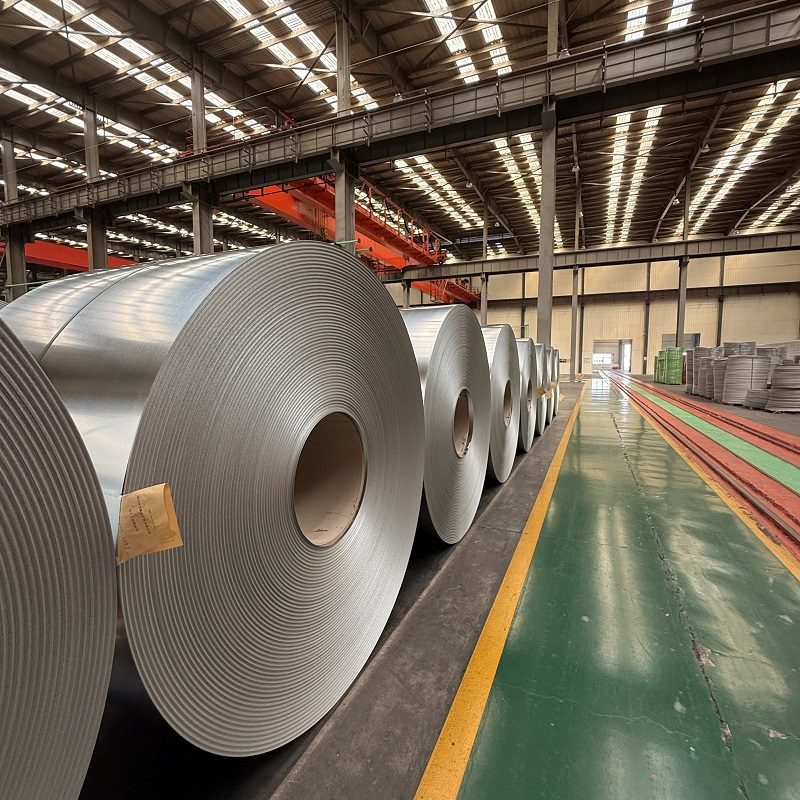
On a coil coating line, gloss and color get all the attention, but the property that decides whether a painted roof still looks right after five monsoons is adhesion — the bond between the zinc-aluminum substrate, the primer and the topcoat. Last spring our inspection team rejected an entire 40-ton lot of imported painted coil after a routine T-bend test cracked the film at 2T. The supplier's certificate said “adhesion passed”; the physical sample said otherwise. That incident, common in the traded-coil business, is exactly why every serious buyer of PPGL should understand the handful of test methods that reveal coating quality before money changes hands. Below is the same toolkit our inspectors use, written so you can replicate each test with modest equipment at your own warehouse.
A PPGL coil can ship with perfect color and still fail in service if the paint system is under-cured, over-baked or applied over an inadequately pretreated strip. Poor adhesion appears months later as chipping at roll-forming rollers, flaking along fastener lines, or blistering where moisture creeps beneath the film. Because a uniform coating PPGI steel coil and its PPGL equivalent are produced on continuous lines running above 80 meters per minute, a few minutes of drift in pretreatment chemistry can quietly compromise several coils. Testing converts that hidden risk into a pass/fail number. Experienced international buyers now write the three core methods — T-bend, reverse impact and cross-cut — directly into purchase contracts, with reference to ASTM D4145, ASTM D2794 and ASTM D3359 respectively.
T-bend measures how far the paint film will follow a tight fold without cracking or losing adhesion. It simulates roll forming, profiling and site bending — the real-world deformations a PPGL sheet endures after it leaves the coil.
Where T-bend stretches the coating slowly, the impact test slams it. A 1 kg falling weight with a 15.9 mm hemispherical head strikes the painted face; the sample is then examined from the reverse, indented side for cracking and tape-lifted paint. It reproduces hail, dropped tools and rough handling during PPGL installation.
Cross-hatch is the simplest portable test — the paint equivalent of a scratch test — and the one method a buyer of painted PPGL can perform in a warehouse with nothing more than a cutter, tape and good light.
Two quick supplementary tests bracket out curing problems from opposite directions. Pencil hardness (ASTM D3363) drags graphite pencils from 6B to 6H across the film; an architectural polyester topcoat should reach 2H–3H without gouging. The MEK double-rub test — 100 back-and-forth rubs of a solvent-soaked cloth — exposes an under-cured film that softens or lifts, while a fully crosslinked topcoat merely loses a little gloss. Together with the three core methods, these checks catch most coil line drift within fifteen minutes of bench time, which is why our own release protocol for PPGL and uniform coating PPGI steel coil lots includes all five.
|
Test |
Standard |
Typical pass for architectural PPGL |
Equipment needed |
|
T-bend |
ASTM D4145 |
≤ 2T, no cracking, no tape removal |
Bench vise, shims, tape |
|
Reverse impact |
ASTM D2794 |
≥ 6 kg·m, no film loss |
Impact tester |
|
Cross-hatch |
ASTM D3359 |
4B–5B rating |
Cutter, tape, lamp |
|
Pencil hardness |
ASTM D3363 |
2H–3H |
Pencil set |
|
MEK rub |
Supplier spec |
100 rubs, no primer exposure |
Solvent, cloth |
One caution drawn from experience: condition PPGL samples for at least 24 hours at 23 ± 2 °C before testing. Cold coil straight from a shipping container reads artificially brittle; PPGL tested under the noon sun at a Gulf port reads artificially soft. Both produce false rejections that damage supplier relationships for no reason.
2026/09/11
Learn how to specify precision cut GI coil sheets in custom lengths — tolerance selection, coating integrity, and ordering tips.
2026/09/11
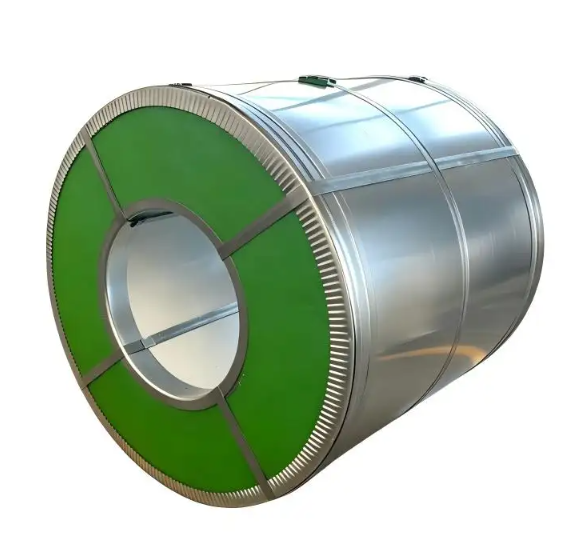
Learn why premium finish galvalume steel coil delivers better paint adhesion and visual consistency in finished building products. Request specs today.
2026/09/10
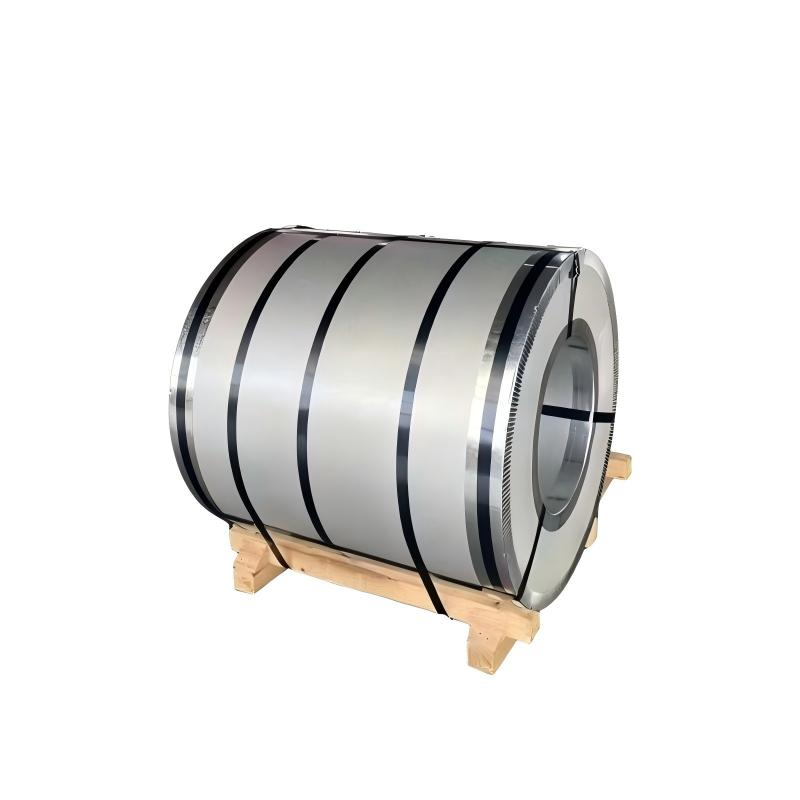
Learn why heavy coating galvalume steel coil provides superior corrosion resistance in harsh coastal settings and saves long-term maintenance costs.
2026/09/10
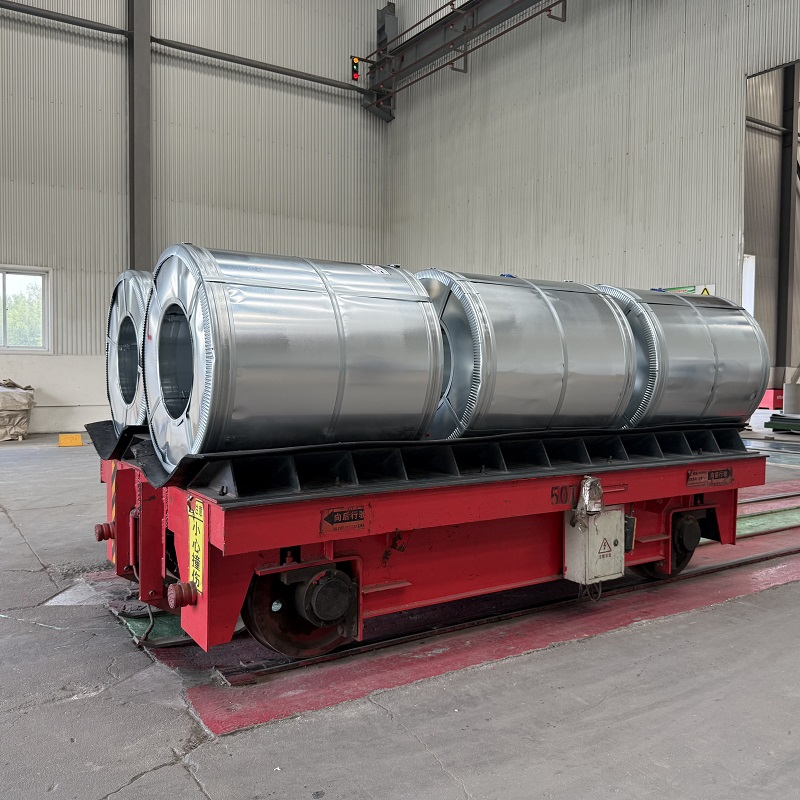
Learn how to test the bending performance of formable galvalume steel coil samples using T-bend testing to prevent cracking and scrap.
2026/09/10
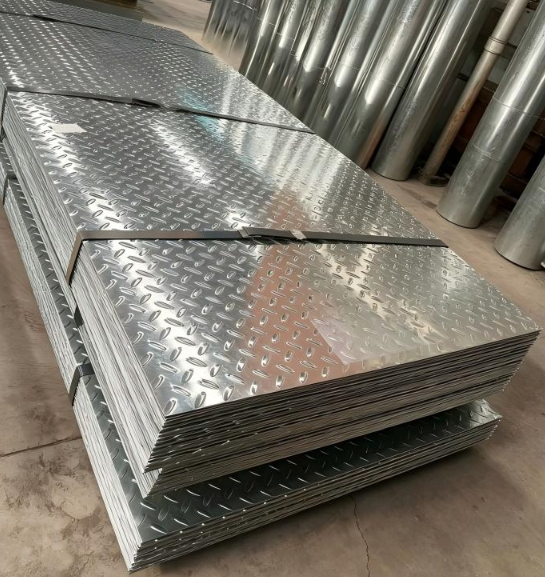
Discover how multi specification galvalume steel coil simplifies purchasing, boosts productivity, and lowers costs for metal fabricators.
2026/09/10
Discover why hot dipped galvanized steel and hot dip galvanized checkered plate offer ideal corrosion resistance and strength for road guardrails.
Covering green transformation, product comparison, selection guide, and industry empowerment, helping you fully grasp the dynamics of the color steel industry.

Global climate action and Belt and Road cooperation are driving the color steel industry’s shift toward green, sustainable development.

Comparing PPGI and PPGL across performance, durability, and applications to help you select the optimal coated steel for your project.
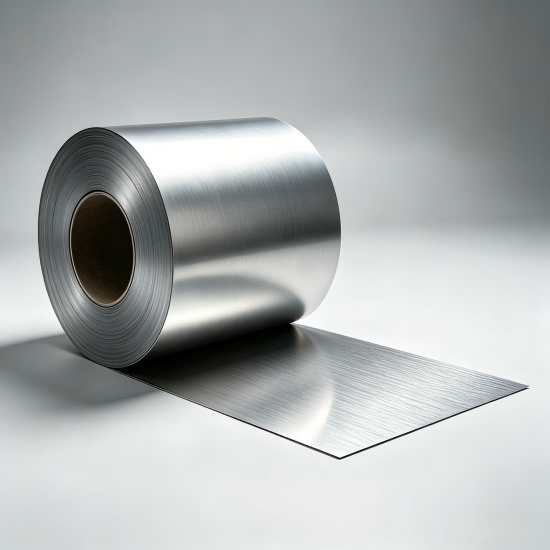
A practical guide to selecting and applying color steel coils, ensuring optimal performance, durability, and cost-effectiveness for your projects.
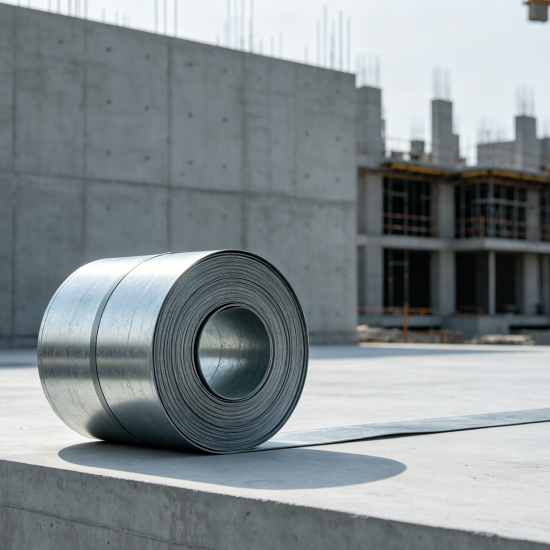
Industry forum drives digital and green transformation, empowering steel sector development through innovation and collaboration.