EN
EN

How to customize length size of precision cut GI coil finished sheets
2026/09/11
Learn how to specify precision cut GI coil sheets in custom lengths — tolerance selection, coating integrity, and ordering tips.
2026/08/31
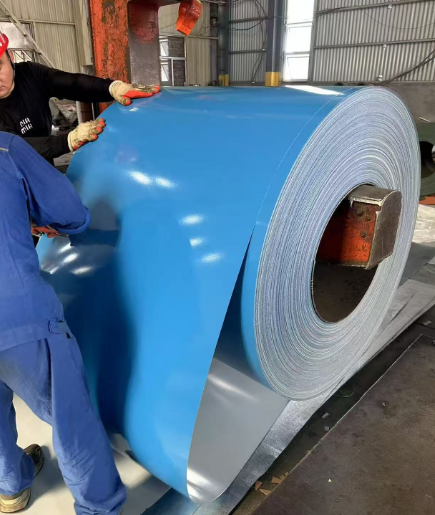
Choosing the right paint coating system on a galvalume steel coil is just as critical as choosing the metal base itself. When building envelopes face harsh environments, the substrate alone cannot handle every natural element forever. A galvalume steel coil features an aluminum-zinc alloy layer (55% Al, 43.5% Zn, and 1.5% Si), providing far better inherent corrosion defense than standard galvanized sheets.
However, without an appropriately engineered protective surface, even high-grade metal can degrade prematurely under strong UV radiation, acid rain, ocean salt spray, and continuous thermal stress. Sourcing teams, project engineers, and contractors must understand how different prepainted galvalume coil systems perform to keep outdoor structures intact for decades.
A galvalume steel coil starts with a cold-rolled steel sheet processed through a continuous hot-dip galvalume line. The resulting microscopic structure blends the barrier protection of aluminum with the sacrificial protection of zinc. This combination delivers roughly two to four times the lifespan of a conventional galvanized coil with identical coating mass.
When processed into a prepainted galvalume coil, the material receives a multi-layered coating sequence:
An inorganic pretreatment layer for chemical bonding.
A high-performance primer on both sides to prevent micro-cracking.
A specialized topcoat on the exposed surface to handle sunlight and weathering.
A backer coat to safeguard the underside against internal condensation and handling damage.
For long-term outdoor steel coil applications, the total dry film thickness generally measures between 20 and 35 microns. Field inspections across high-humidity coastal zones and high-heat tropical regions consistently show that early material failures stem from topcoat breakdown or coating delamination rather than substrate rusting. Pairing the right resin technology with the proper primer is the key to preventing premature failure.
Selecting an outdoor steel coil requires matching the paint chemistry to the local climate, sun exposure, and air pollution levels.
| Paint Resin System | Resin Chemistry | Maximum Temperature (°C) | UV Resistance Rating | Expected Service Lifespan | Primary Outdoor Applications |
| PVDF Coating | 70% Polyvinylidene Fluoride | 120 | Excellent | 20–30 Years | Coastal builds, high-UV zones, landmark roofing, airports |
| HDP Coating | High Durability Polyester | 90 | Very Good | 15–20 Years | Commercial facades, mid-rise roofing, industrial plants |
| SMP Coating | Silicone Modified Polyester | 100 | Good | 10–15 Years | Agricultural buildings, warehouses, industrial roofs |
| Standard PE Coating | Regular Polyester | 80 | Fair | 5–8 Years | Temporary structures, mild environments, interior panels |
A PVDF coating stands as the premium standard for extreme exposure environments. Built around a strong carbon-fluorine bond, a 70% PVDF coating offers exceptional resistance to chalking, fading, and chemical wear. For high-grade commercial projects, specifying a PVDF coating prepainted galvalume coil ensures long-term color retention and surface integrity.
For projects with moderate climate demands, an HDP prepainted galvalume coil provides a cost-effective alternative. High Durability Polyester uses polyester resins that withstand UV breakdown much better than standard paints, making it a reliable middle ground when budgets do not allow for a full PVDF coating.
Before approving a shipment of prepainted galvalume coil material, procurement teams should review complete laboratory test results. Field performance depends on strict quality control metrics:
T-Bend Adhesion: Outdoor-grade prepainted galvalume coil stock must achieve 0T to 1T bending flexibility without paint micro-cracking or tape peeling along the seam.
Reverse Impact Resistance: The surface film should show zero flaking or loss of adhesion after receiving a 9-Joule impact on the reverse side.
Pencil Hardness: Topcoat surfaces typically rate between F and H hardness, striking a balance between scratch resistance and forming flexibility.
MEK Solvent Rubs: A quality PVDF coating easily withstands 200+ double rubs of methyl ethyl ketone without exposing the underlying primer.
Salt Spray Testing: Coastal-grade outdoor steel coil products should sustain at least 1,000 to 1,500 hours of continuous salt spray exposure without edge creep or surface blistering.
QUV Accelerated Weathering: High-grade panels undergo thousands of hours of intense UV radiation testing to confirm that color fading stays within tight limits over time.
A frequent mistake in outdoor steel coil procurement is using standard polyester coatings on roof panels installed in tropical or high-UV environments. Within 18 to 24 months, standard polyester resin degrades under intense sunlight, leading to visible chalking. Within three to four years, red rust often develops along cut edges and lap joints where moisture pools.
The underlying galvalume steel coil base is rarely the issue; the primary failure cause is using an under-specified topcoat for the site conditions. Upgrading to an HDP or PVDF coating is essential whenever:
The building sits within 5 kilometers of a saltwater coastline.
The roof slope drops below 10 degrees, creating potential water ponding zones.
The site faces high annual solar radiation or harsh industrial pollutants.
Another common oversight is neglecting the backer coat specification. A high-quality backer (typically 5 to 10 microns of epoxy or polyurethane service coat) protects against internal corrosion caused by condensation inside the wall cavity, while preventing scratch damage when coils are uncoiled, roll-formed, and stacked during installation.
Environmental factors should guide your choice of prepainted galvalume coil coatings:
Severe Marine Zones: Projects near ocean water face constant salt spray and high atmospheric moisture. A double-side prepainted galvalume coil with a 70% PVDF coating topcoat and a high-build polyurethane primer offers maximum protection against salt corrosion and edge creep.
Industrial Hotspots: Chemical plants, refineries, and dense industrial zones face sulfur dioxide, nitrogen oxides, and acidic rain. A heavy PVDF coating system resists airborne chemical attack while maintaining structural bond strength.
High-Altitude & Sun-Exposed Regions: Extreme sunshine accelerates resin oxidation and causes fading. Highly pigmented PVDF coating formulations reflect solar heat, reduce cooling loads, and prevent surface cracking.
Standard Commercial Buildings: Warehouses and light manufacturing plants in temperate regions achieve long service life and cost efficiency using high-durability HDP prepainted galvalume coil systems.
Getting reliable performance from an outdoor steel coil requires working with production teams that maintain high quality standards, consistent coating weights, and full material traceability. Every project comes with unique site conditions, structural demands, and budget constraints that shape the optimal material choice.
Shenyang Yuanhe Steel Trading operates as a dedicated supplier with over 10,000 tons of annual stock and extensive coil processing facilities. Shenyang Yuanhe Steel delivers certified galvalume steel coil products, prepainted galvalume coil solutions, and specialized PVDF coating configurations engineered for harsh global environments. By conducting comprehensive laboratory testing on every batch and providing complete inspection reports with each order, Shenyang Yuanhe Steel gives global procurement partners, contractors, and design teams the quality assurance needed for long-term project success.
2026/09/11
Learn how to specify precision cut GI coil sheets in custom lengths — tolerance selection, coating integrity, and ordering tips.
2026/09/11
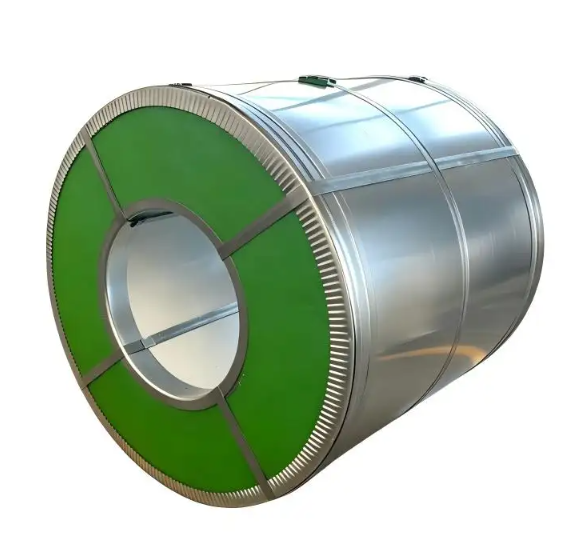
Learn why premium finish galvalume steel coil delivers better paint adhesion and visual consistency in finished building products. Request specs today.
2026/09/10
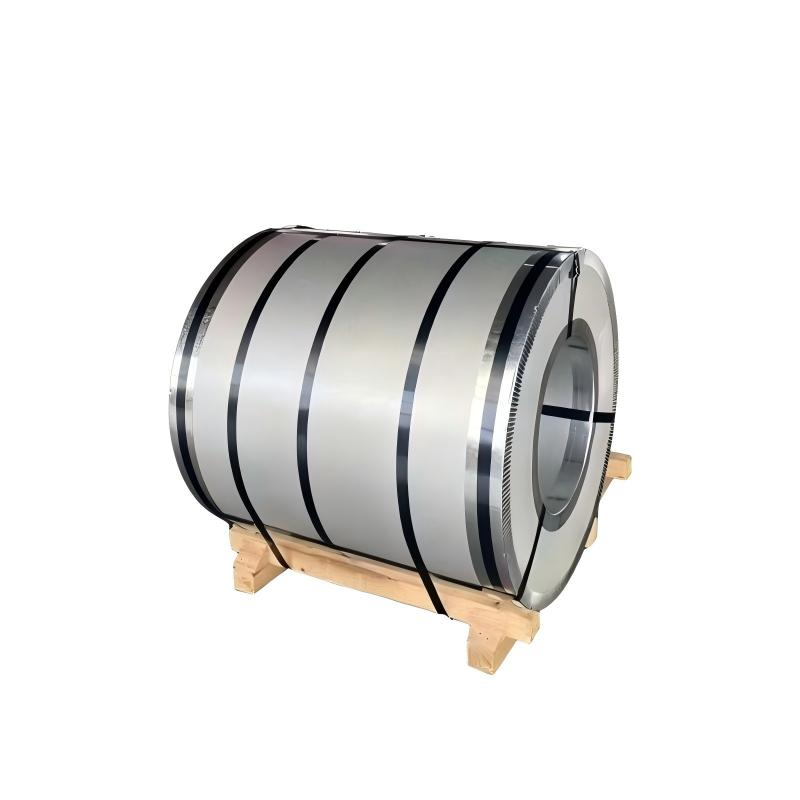
Learn why heavy coating galvalume steel coil provides superior corrosion resistance in harsh coastal settings and saves long-term maintenance costs.
2026/09/10
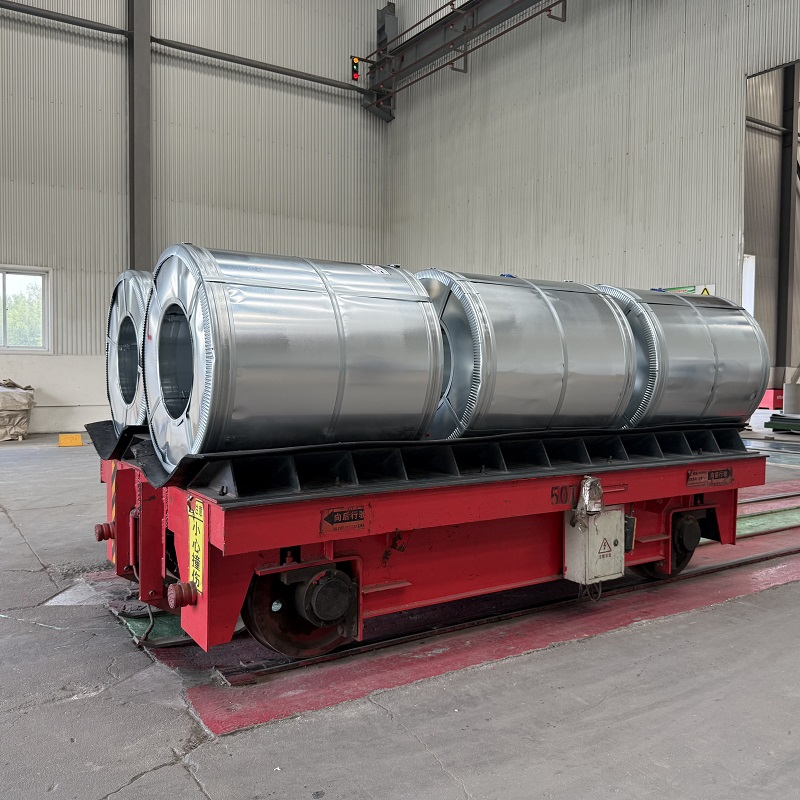
Learn how to test the bending performance of formable galvalume steel coil samples using T-bend testing to prevent cracking and scrap.
2026/09/10
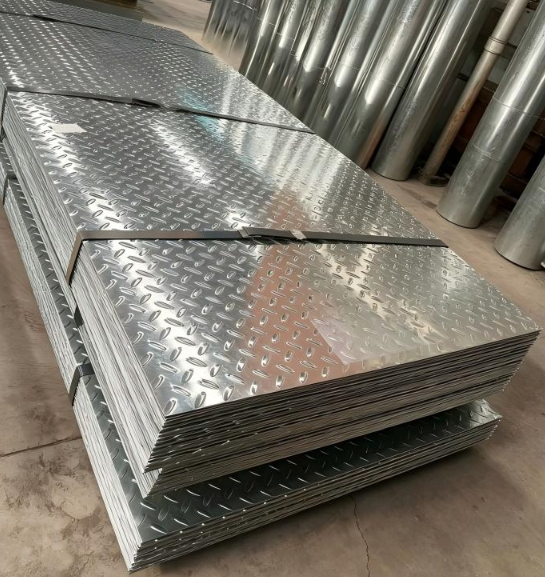
Discover how multi specification galvalume steel coil simplifies purchasing, boosts productivity, and lowers costs for metal fabricators.
2026/09/10
Discover why hot dipped galvanized steel and hot dip galvanized checkered plate offer ideal corrosion resistance and strength for road guardrails.
Covering green transformation, product comparison, selection guide, and industry empowerment, helping you fully grasp the dynamics of the color steel industry.
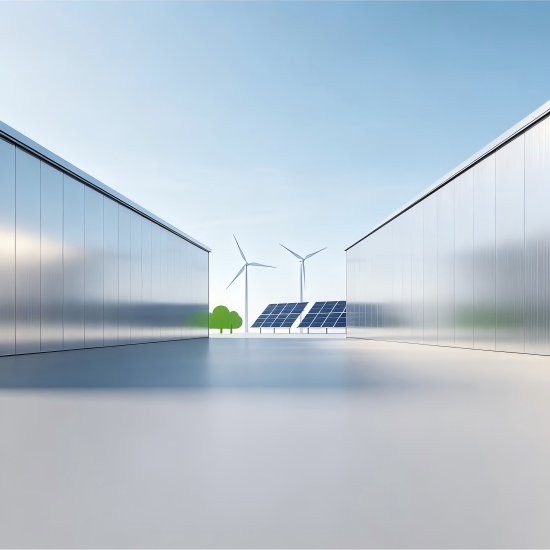
Global climate action and Belt and Road cooperation are driving the color steel industry’s shift toward green, sustainable development.

Comparing PPGI and PPGL across performance, durability, and applications to help you select the optimal coated steel for your project.
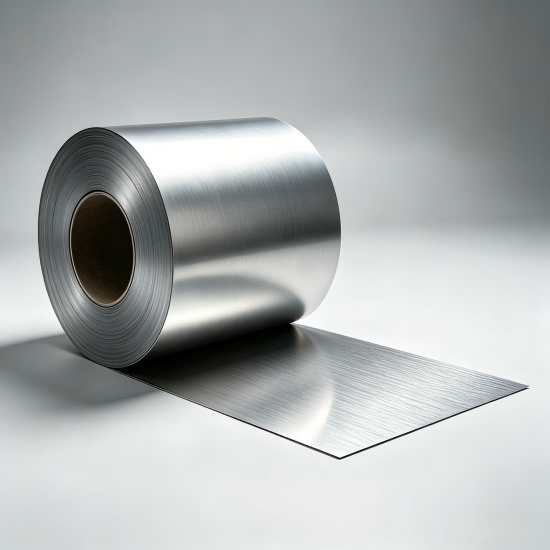
A practical guide to selecting and applying color steel coils, ensuring optimal performance, durability, and cost-effectiveness for your projects.
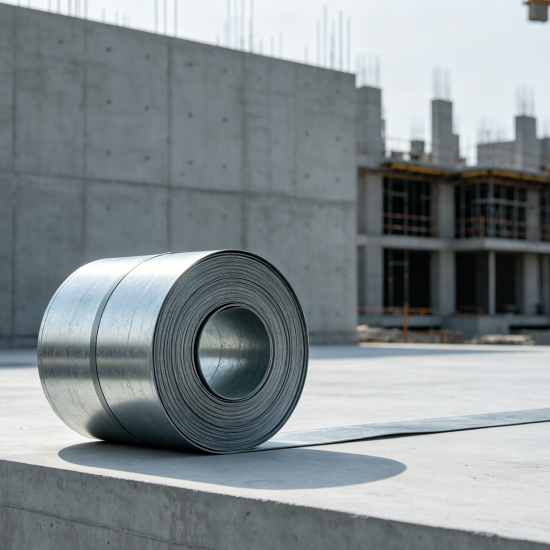
Industry forum drives digital and green transformation, empowering steel sector development through innovation and collaboration.