EN
EN

How to customize length size of precision cut GI coil finished sheets
2026/09/11
Learn how to specify precision cut GI coil sheets in custom lengths — tolerance selection, coating integrity, and ordering tips.
2026/09/01
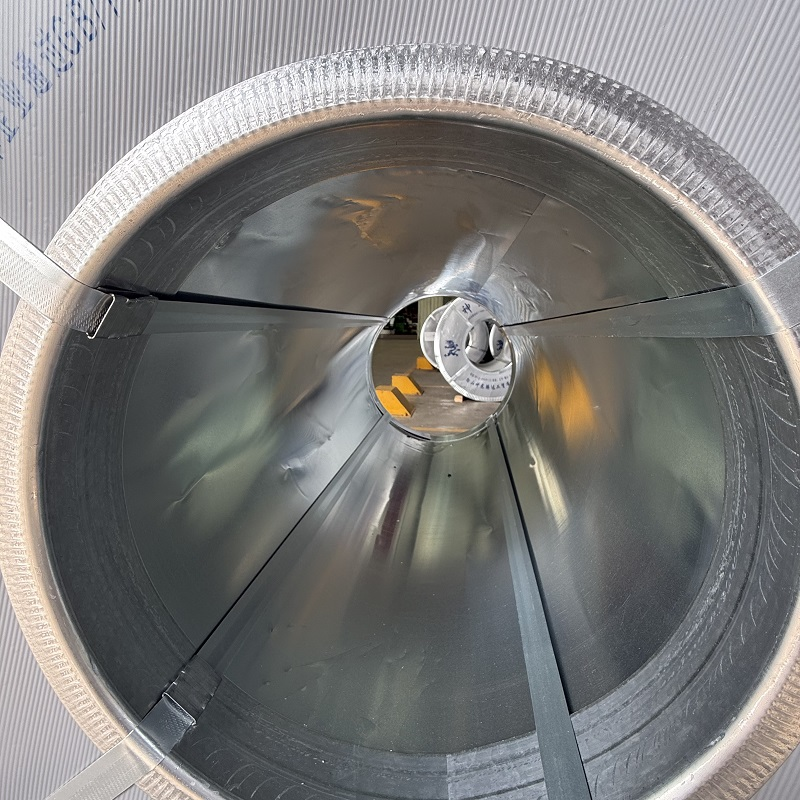
Selecting the correct gauge when specifying raw materials for structural fabrication is a foundational step that influences load-bearing safety, welding efficiency, and overall project costs. When ordering hot rolled coil stock intended for structural framing, heavy beams, or bridge components, engineering teams must evaluate specific dimensions and tolerance thresholds governed by international standards.
Understanding how different hot rolled steel coils perform during uncoiling, cutting, and welding ensures seamless fit-up, reduces material scrap, and maintains total structural integrity across demanding building projects.
Structural applications call for specific material thickness profiles based on structural load demands and fabrication methods. The target sheet thickness depends on whether the material will be roll-formed, cut into web plates, or used for secondary support members.
| Standard Specification | Nominal Thickness Range | Primary Steel Grades | Common Structural Applications |
| GB/T 709 Standard | 1.5 mm to 25.0 mm | Q235B, Q355B, Q460C | Industrial framing, bridges, heavy equipment |
| ASTM A36/A36M | 1.6 mm to 25.4 mm | A36 Grade Base | Bolted structures, general frame building |
| JIS G3101 Standard | 1.6 mm to 22.0 mm | SS400, SM490 | Civil engineering, commercial building frameworks |
| EN 10025-2 Standard | 1.5 mm to 25.0 mm | S235JR, S275JR, S355JR | European structural projects, crane gantry beams |
For most building construction jobs, the standard specified thickness for hot rolled steel coils ranges between 3.0 mm and 16.0 mm:
Gauges Below 3.0 mm: Generally classified as light-gauge sheet stock, used primarily for light secondary cladding, floor decking, or roof purlins.
Gauges from 3.0 mm to 16.0 mm: Ideal for core hot rolled coil processing, including secondary framing, connection plates, and welded H-beams.
Gauges Above 16.0 mm: Typically supplied as discrete cut plate rather than rolled stock, due to uncoiler torque limits and coil weight restrictions on job sites.
Thickness tolerance remains one of the most vital parameters when reviewing HR coil specifications. Tolerance standards dictate how far real-world material thickness can stray from nominal dimensions without violating structural safety limits.
Under GB/T 709 standards, hot rolled steel coils measuring 3.0 mm to 10.0 mm in thickness allow a standard variance of +/-0.25 mm. For gauges between 10.0 mm and 16.0 mm, the permissible variance expands to +/-0.30 mm. ASTM standards apply similar limits (+/-0.30 mm across comparable ranges).
Measuring thickness tolerances requires taking data points 20 mm in from the outer edge. Thermal variation across finishing rolls creates a natural crown effect across the middle of the strip, making the coil center slightly thicker than sheet margins. When fit-up accuracy is crucial for automated robotic welding, specifying tighter tolerance targets (such as half-standard allowance) prevents gap variation during panel assembly.
Preparing heavy steel stock for structural fabrication requires careful attention to material behavior under mechanical cutting and welding heat:
Material Weldability and Preheat Requirements: Heavy hot rolled steel coils exceeding 12.0 mm in thickness often require preheating before high-heat joint welding, particularly when using high-tensile grades like Q355C or S355JR. Reviewing carbon equivalent values (CEV) on mill certificates prevents cold cracking along weld lines.
Coil Flatness and Residual Stress: For material turned into structural web plates or welded flanges, maintaining a flatness tolerance under 3 mm per meter is essential. Uncontrolled coil set curvature creates distortion during laser cutting or shearing operations.
Surface Integrity and Defect Prevention: Structural-grade hot rolled coil stock must be free from deep surface scabs, inclusions, or lamination defects that weaken structural capacity under dynamic loads.
Yield Strength Consistency: Structural calculations depend directly on yield limits. Verifying certified yield and tensile values guarantees long-term load safety under real-world building stress.
Proper material selection relies on matching technical parameters with field assembly requirements. During the construction of a major industrial workshop requiring over 5,000 tons of structural framing, selecting high-grade hot rolled steel coils in 6 mm, 8 mm, 10 mm, and 12 mm gauges was essential for maintaining project schedules.
Sourcing Q355B grade material with controlled rolling parameters kept batch-to-batch thickness variation within a tight +/-0.15 mm range—well within standard GB/T 709 limits. Consistent steel structure thickness minimized joint gap adjustments, accelerated automated submerged arc welding, and kept the project moving efficiently without costly rework.
Different structural elements demand tailored material parameters:
Heavy Welded H-Beams: Demands thick hot rolled steel coils with tight crown control to ensure flush joint contact along flange plates.
Secondary Purlins and C-Channels: Uses medium-gauge hot rolled coil stock designed for smooth cold roll-forming without micro-cracking along bend radii.
Gusset and Connection Plates: Prefers high-yield steel structure thickness stock with consistent surface flatness for accurate CNC hole punching and bolt fitment.
Sourcing high-performance steel products requires working with established suppliers that deliver verified material quality, consistent thickness tolerances, and full supply chain transparency. Aligning HR coil specifications with local building codes guarantees safety, formability, and durability across every project phase.
Shenyang Yuanhe Steel maintains an annual stock exceeding 10,000 tons and operates specialized coil processing workshops equipped for slitting, levelling, and cut-to-length services. Shenyang Yuanhe Steel supplies certified hot rolled coil stock, high-strength hot rolled steel coils, and customized steel structure thickness options to engineering and procurement teams worldwide. By combining full mill test certificates, precise tolerance controls, and dependable international logistics support, Shenyang Yuanhe Steel delivers the quality assurance required for complex structural projects.
2026/09/11
Learn how to specify precision cut GI coil sheets in custom lengths — tolerance selection, coating integrity, and ordering tips.
2026/09/11
Learn why premium finish galvalume steel coil delivers better paint adhesion and visual consistency in finished building products. Request specs today.
2026/09/10
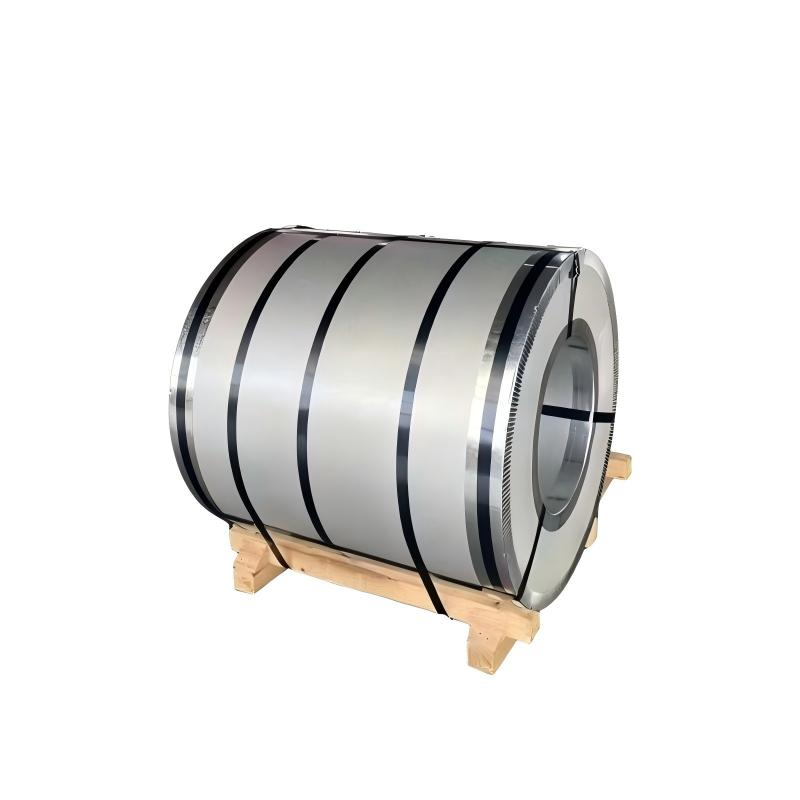
Learn why heavy coating galvalume steel coil provides superior corrosion resistance in harsh coastal settings and saves long-term maintenance costs.
2026/09/10
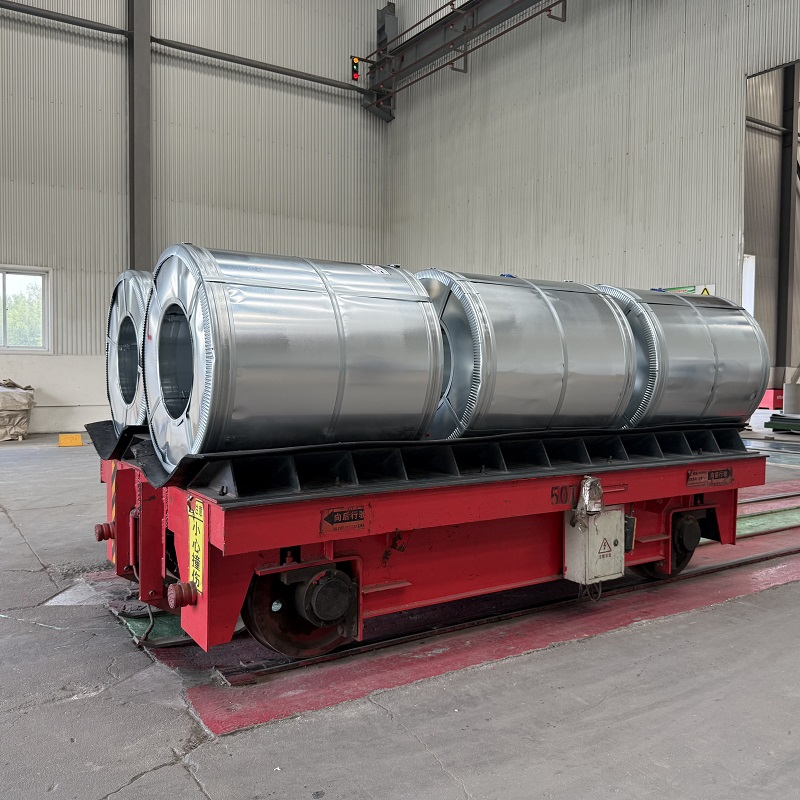
Learn how to test the bending performance of formable galvalume steel coil samples using T-bend testing to prevent cracking and scrap.
2026/09/10
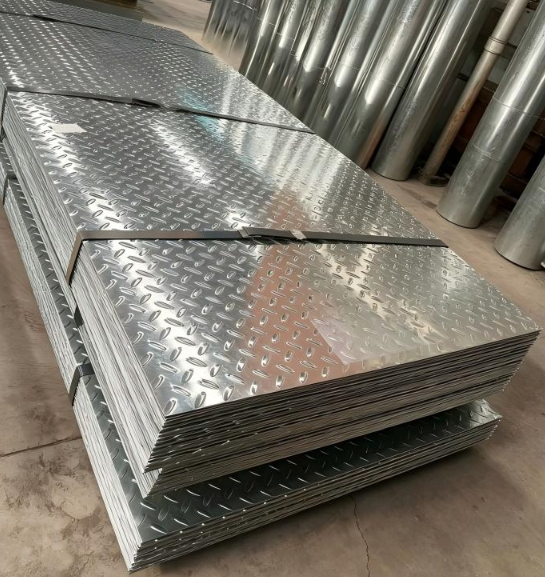
Discover how multi specification galvalume steel coil simplifies purchasing, boosts productivity, and lowers costs for metal fabricators.
2026/09/10
Discover why hot dipped galvanized steel and hot dip galvanized checkered plate offer ideal corrosion resistance and strength for road guardrails.
Covering green transformation, product comparison, selection guide, and industry empowerment, helping you fully grasp the dynamics of the color steel industry.

Global climate action and Belt and Road cooperation are driving the color steel industry’s shift toward green, sustainable development.

Comparing PPGI and PPGL across performance, durability, and applications to help you select the optimal coated steel for your project.
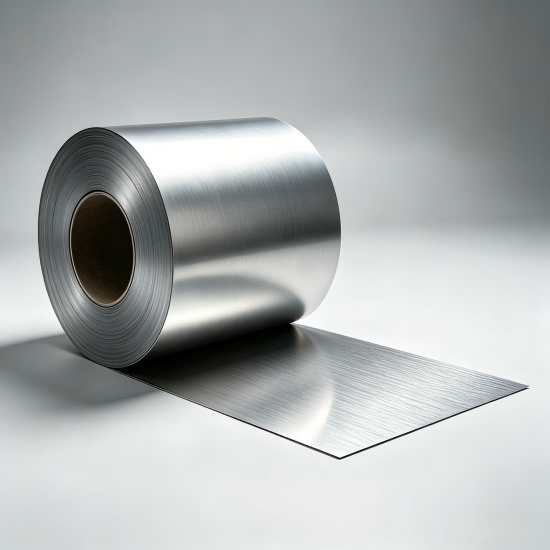
A practical guide to selecting and applying color steel coils, ensuring optimal performance, durability, and cost-effectiveness for your projects.
Industry forum drives digital and green transformation, empowering steel sector development through innovation and collaboration.