EN
EN

How to customize length size of precision cut GI coil finished sheets
2026/09/11
Learn how to specify precision cut GI coil sheets in custom lengths — tolerance selection, coating integrity, and ordering tips.
2026/08/27
The Role of Flattening and Slitting in Steel Coil Value-Added Processing
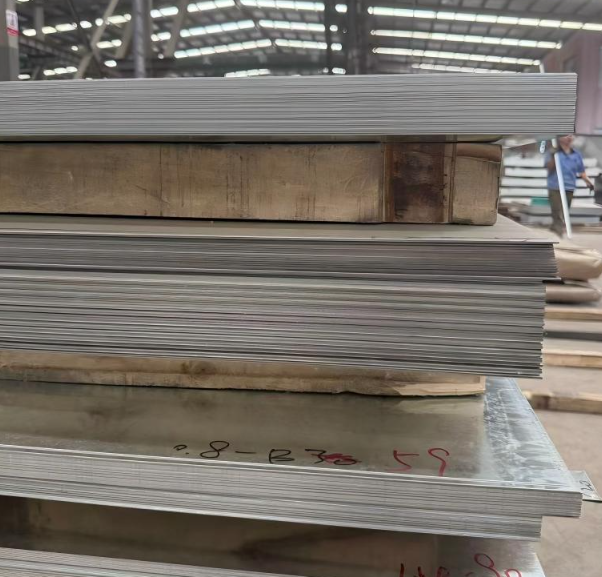
Flattening and slitting are two of the most critical value-added processes applied to galvanized steel coil before it reaches the end user. Flattening, also known as leveling or temper rolling, removes coil set and waviness to produce a flat sheet suitable for downstream fabrication. Slitting cuts the master coil into narrower widths to match the customer's specific application requirements. The precision of these processes directly affects yield, fabrication quality, and the dimensional accuracy of the final product.
A well-executed flattening and slitting operation on galvanized steel coil can achieve width tolerances of plus or minus 0.5mm and flatness deviations below 3mm per meter. However, achieving these tolerances requires proper parameter selection based on the material grade, thickness, and coil dimensions. For hr slit coil products, the parameters differ from cold-rolled-based galvanized steel coil because hot-rolled substrates have different yield strength and surface characteristics.
Flattening Parameters and Tolerances
The flattening process for galvanized steel coil involves passing the strip through a series of leveled rolls under controlled tension. The key parameters include roll diameter, number of rolls, entry and exit tension, and roll gap setting. These parameters must be adjusted based on the material thickness and yield strength.
Comparison Table
|
Material Thickness |
Roll Diameter (mm) |
Tension Level (MPa) |
Flatness Target |
Edge Wave Limit |
|
0.09-0.3mm |
40-60 |
30-50 |
<2mm/m |
<3mm/m |
|
0.3-0.8mm |
60-80 |
50-80 |
<3mm/m |
<4mm/m |
|
0.8-1.5mm |
80-120 |
80-120 |
<3mm/m |
<5mm/m |
|
1.5-3.0mm |
120-160 |
120-180 |
<4mm/m |
<6mm/m |
Slitting Parameters Detail Table
|
Slitting Parameter |
0.09-0.5mm Thickness |
0.5-1.5mm Thickness |
1.5-3.0mm Thickness |
|
Knife Gap (mm) |
0.08-0.15 |
0.15-0.35 |
0.35-0.60 |
|
Knife Overlap (mm) |
0.5-1.0 |
1.0-2.0 |
2.0-3.5 |
|
Slitting Speed (m/min) |
120-200 |
100-180 |
80-150 |
|
Width Tolerance (mm) |
+/-0.15 |
+/-0.3 |
+/-0.5 |
|
Burr Height Max (mm) |
0.03 |
0.05 |
0.08 |
|
Edge Camber (mm/3m) |
<1.0 |
<1.5 |
<2.0 |
Slitting Parameters and Width Tolerances
Slitting galvanized steel coil into narrower strips requires precision knife setup, proper spacer selection, and tension control throughout the rewinding process. For hr slit coil applications, the slitting line must also account for the higher yield strength and thicker gauges typical of hot-rolled substrates. The standard slitting parameters and width tolerances are as follows.
Quality Verification After Processing
After flattening and slitting, the galvanized steel coil or hr slit coil must undergo quality verification before shipment. Key checks include width measurement using a calibrated steel tape or laser gauge at three points along the length, flatness assessment using a straight edge and feeler gauge, edge burr inspection by visual and tactile methods, and coil weight and dimension verification. The zinc coating at the slit edges should remain intact; excessive burr or knife marks can expose bare steel and initiate edge corrosion. Additional checks include verifying coil inner diameter and outer diameter against the customer's uncoiler or re-coiler specifications, confirming that the coil weight does not exceed the handling capacity of the receiving facility, and inspecting the wrap quality to ensure that the coil is rewound with proper tension to prevent telescoping or loose wraps during handling.
For customers receiving slit galvanized steel coil, the acceptance criteria should be clearly stated in the purchase order, including the width tolerance, maximum burr height, and acceptable flatness deviation. Any deviation beyond the agreed tolerances should be documented through a nonconformance report and addressed with the processing facility. For hr slit coil specifically, buyers should verify that the hot-rolled substrate has been properly descaled before galvanizing, as residual scale can cause coating adhesion failures at the slit edges. Shenyang Yuanhe maintains professional flattening and slitting workshops equipped to process galvanized steel coil from 0.09mm to 3.0mm thickness, providing the processing flexibility that procurement teams need for diverse project requirements.
Case Study: Processing Optimization for a Construction Project
A construction company in South America ordered galvanized steel coil for a large roofing project requiring 14 different slit widths ranging from 150mm to 1,000mm. The initial processing run from a standard slitting line produced edge burrs exceeding 0.1mm on the narrower widths, which caused feeding problems in the roll-forming machines. The processing facility reconfigured the slitting line with tighter knife gaps (0.10mm for the narrowest widths) and reduced the slitting speed to 120 meters per minute. After optimization, the burr height dropped below 0.03mm and the roll-forming line operated without interruption. The facility, equipped with professional flattening and slitting workshops, processed the galvanized steel coil with a combined yield exceeding 98 percent. This case demonstrates the importance of parameter optimization and having processing capabilities that can be adjusted to meet specific project requirements.
Frequently Asked Questions
Q: What is the standard width tolerance for slit galvanized steel coil? A: For thicknesses up to 0.5mm, the standard tolerance is plus or minus 0.15mm. For thicker material, tolerance ranges from plus or minus 0.3mm to plus or minus 0.5mm depending on thickness.
Q: Can hr slit coil be flattened to the same flatness as cold-rolled galvanized coil? A: Hot-rolled substrates typically require larger roll diameters and higher tension to achieve comparable flatness, but with proper parameter selection, flatness of less than 4mm per meter is achievable.
Q: What causes excessive burr during slitting of galvanized steel coil? A: Excessive burr is typically caused by incorrect knife gap, excessive knife overlap, or worn slitting knives. Regular knife sharpening and proper gap setting per the material thickness are essential for producing clean hr slit coil edges that perform well in downstream fabrication processes.
2026/09/11
Learn how to specify precision cut GI coil sheets in custom lengths — tolerance selection, coating integrity, and ordering tips.
2026/09/11
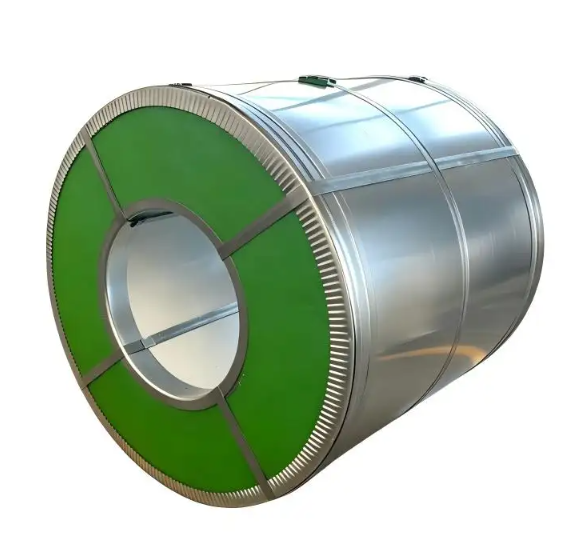
Learn why premium finish galvalume steel coil delivers better paint adhesion and visual consistency in finished building products. Request specs today.
2026/09/10
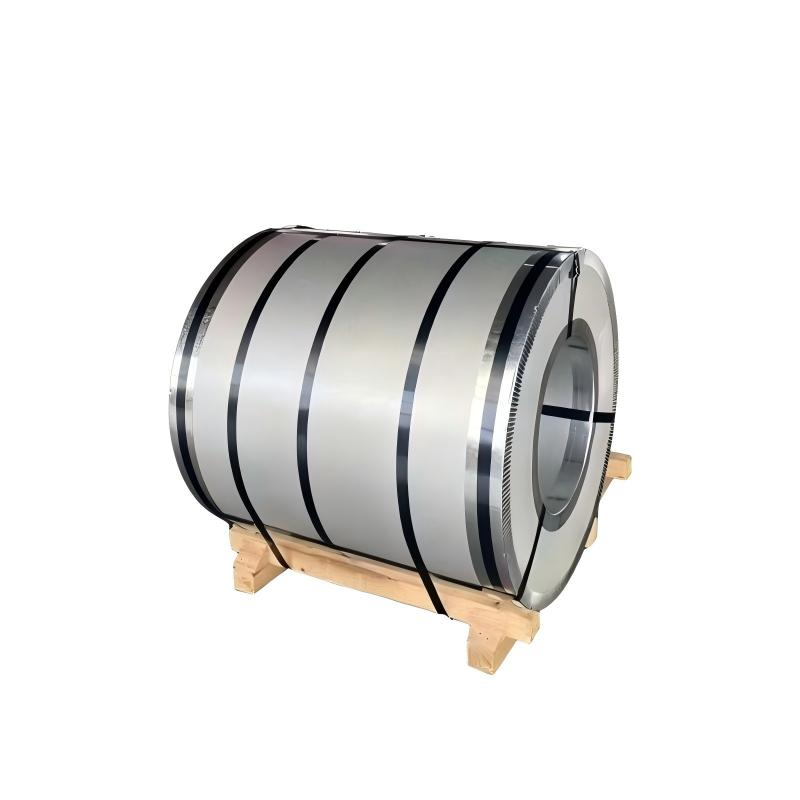
Learn why heavy coating galvalume steel coil provides superior corrosion resistance in harsh coastal settings and saves long-term maintenance costs.
2026/09/10
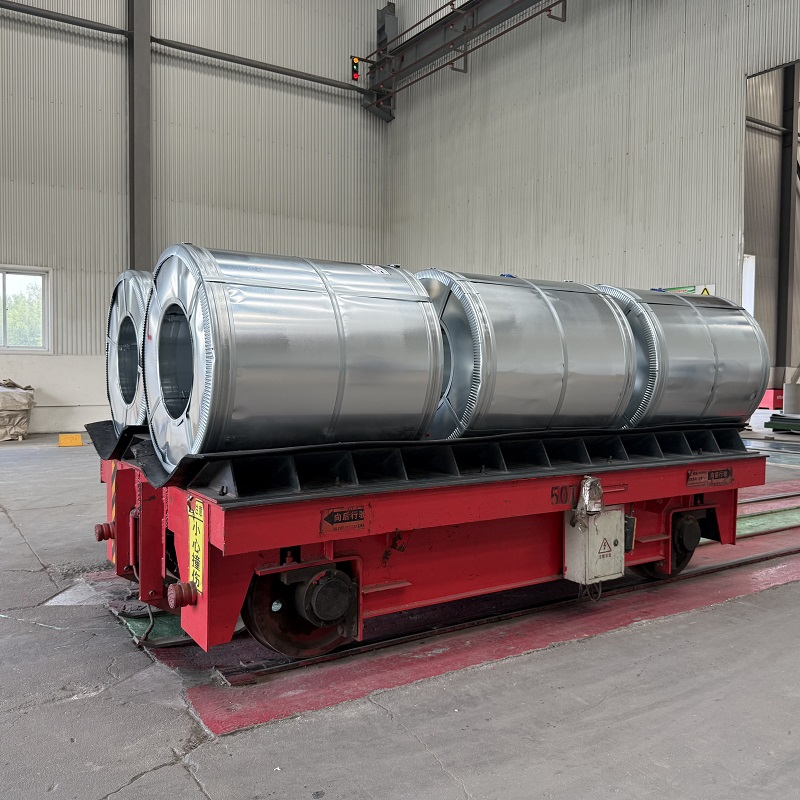
Learn how to test the bending performance of formable galvalume steel coil samples using T-bend testing to prevent cracking and scrap.
2026/09/10
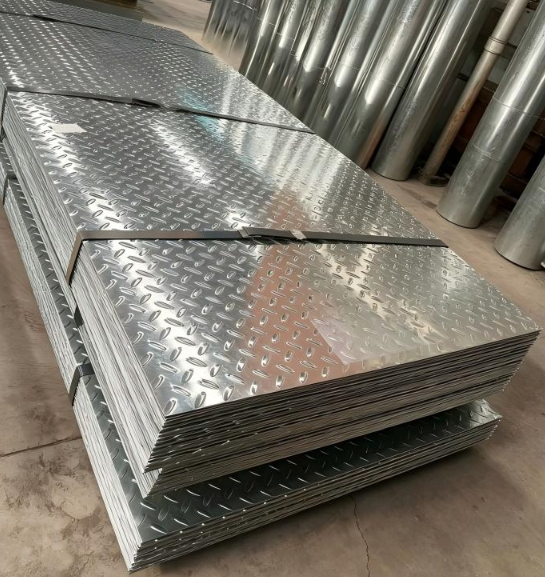
Discover how multi specification galvalume steel coil simplifies purchasing, boosts productivity, and lowers costs for metal fabricators.
2026/09/10
Discover why hot dipped galvanized steel and hot dip galvanized checkered plate offer ideal corrosion resistance and strength for road guardrails.
Covering green transformation, product comparison, selection guide, and industry empowerment, helping you fully grasp the dynamics of the color steel industry.

Global climate action and Belt and Road cooperation are driving the color steel industry’s shift toward green, sustainable development.

Comparing PPGI and PPGL across performance, durability, and applications to help you select the optimal coated steel for your project.
A practical guide to selecting and applying color steel coils, ensuring optimal performance, durability, and cost-effectiveness for your projects.
Industry forum drives digital and green transformation, empowering steel sector development through innovation and collaboration.