EN
EN

How to customize length size of precision cut GI coil finished sheets
2026/09/11
Learn how to specify precision cut GI coil sheets in custom lengths — tolerance selection, coating integrity, and ordering tips.
2026/08/25
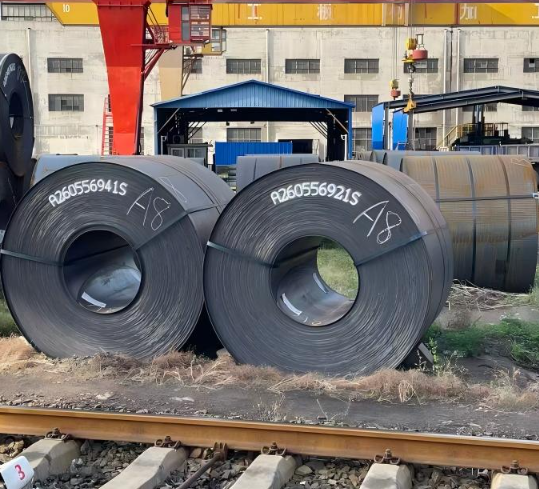
Thin galvanized sheet is welded every day — appliance bodies, ducting, vehicle panels, electrical cabinets — yet it remains one of the most mishandled GI materials in a fabrication shop. The zinc layer that protects a zinc coated gi sheet in service becomes a welding problem at the bench: it boils at 907 °C, far below the melting point of steel, vaporizing into fume and causing porosity, spatter and unstable arcs. We learned this alongside our customers: our processing center in Liaoning runs slitting and cut-to-length lines that regularly prepare thin gauges for downstream fabricators, including edge trimmings from thin gauge ppgl coil jobs. This guide condenses the working practices our technicians teach every buyer who welds the GI we ship.
During arc welding, zinc at the faying surface vaporizes before the steel melts. The vapor streams into the arc column, destabilizes it and produces greenish zinc-oxide fume. Vapor that cannot escape before solidification leaves porosity along the seam; zinc-rich liquid also wets the weld pool erratically, generating spatter. At 0.5–1.2 mm thicknesses there is little thermal mass to absorb heat, so burn-through adds a third failure mode. All three problems are manageable — but only through deliberate process selection, parameter discipline and fume control, which the following five steps cover in order.
|
Process |
Best GI thickness |
Field notes |
|
Short-arc MIG/MAG |
0.6–3.0 mm |
The workhorse; use short-circuit transfer below 2 mm |
|
TIG |
0.5–1.5 mm |
Cleanest seams; slower; locally remove zinc for best results |
|
Spot welding |
0.4–2.0 mm |
Fastest for lap joints in appliance work; slightly longer weld time than bare steel |
|
Laser welding |
0.3–1.5 mm |
Low heat input, minimal zinc disturbance; demands precise fit-up |
For general fabrication of thin GI, short-arc MIG with silicon-rich ER70S-6 wire and an argon-CO2 shielding mix is the pragmatic default. Spot welding dominates appliance lines because it needs no filler metal and tolerates the zinc layer with only a modest increase in weld time compared with bare steel.
|
Sheet thickness |
Recommended starting parameters |
|
0.5–0.8 mm MIG |
0.8–0.9 mm wire, 60–90 A, 16–17 V, travel 30–40 cm/min |
|
1.0–1.2 mm MIG |
0.9 mm wire, 90–130 A, 17–19 V |
|
1.5 mm MIG |
1.0 mm wire, 130–170 A, 18–20 V |
|
0.5–1.0 mm spot |
5–6 mm electrode, 7–9 kA, 0.25–0.4 s, 2.5–4 kN force |
Treat these figures as starting points and tune them on offcuts before touching production parts. The universal rule for thin material: favor lower current with faster travel rather than high current with slow travel — heat input, not amperage alone, decides burn-through. On lap joints, opening the root gap 10–15% also gives zinc vapor an escape route and visibly reduces porosity.
Zinc oxide fume causes metal fume fever — chills, fever and aching hours after exposure — and occupational limits are strict worldwide. Engineering controls always beat personal protection: local exhaust at the arc, general shop ventilation, and a supplied-air or P3 respirator where fume generation is continuous. Anti-spatter spray or paper protects the surrounding coating, because grinding spatter off later damages the corrosion protection you paid for. One absolute rule: never weld galvanized steel inside an enclosed space without working extraction. That single discipline prevents most serious incidents in GI fabrication shops.
Q1: Can I weld painted PPGI or thin gauge PPGL coil directly?
Only where the paint is removed first; welding through paint produces toxic fume and contaminated welds. Best practice is shearing trims to size and using mechanical fastening — which is why fabricators often order bare GI edge strips alongside painted coil.
Q2: Do I need to remove zinc before spot welding?
No. Spot welding handles zinc well because electrode force squeezes vapor out of the nugget. Just extend weld time roughly 10–20% versus bare steel and dress the electrodes more often.
Q3: Which filler wire suits galvanized sheet best?
ER70S-6 for MIG on structural parts — its silicon and manganese deoxidizers cope with zinc contamination. For cosmetic TIG seams on thin gauge ppgl coil trims, ER70S-2 gives cleaner results.
Welding outcomes start upstream with material consistency: clean slit edges, uniform zinc and tight thickness tolerance all make bench work easier. Shenyang Yuanhe Steel supports fabricators with slitting, cut-to-length and leveling services on GI, PPGI, PPGL and GL coils from z20 to z275 — GI available from 0.09 to 3.0 mm — processed in Liaoning under a three-tier QC system and dispatched worldwide within 6–14 days, with 24-hour works delivery available for stocked items.
2026/09/11
Learn how to specify precision cut GI coil sheets in custom lengths — tolerance selection, coating integrity, and ordering tips.
2026/09/11
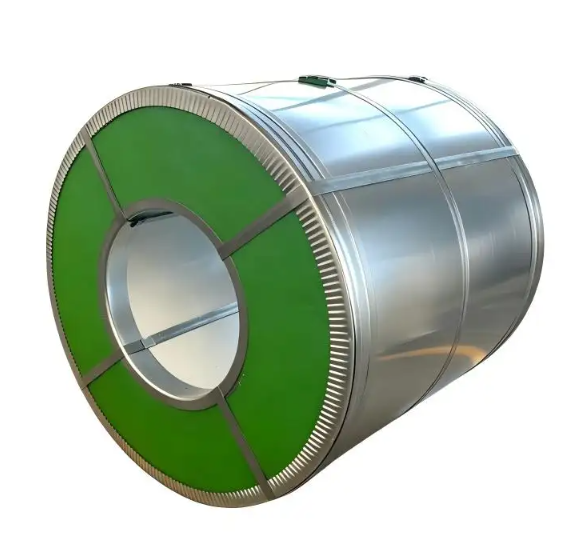
Learn why premium finish galvalume steel coil delivers better paint adhesion and visual consistency in finished building products. Request specs today.
2026/09/10
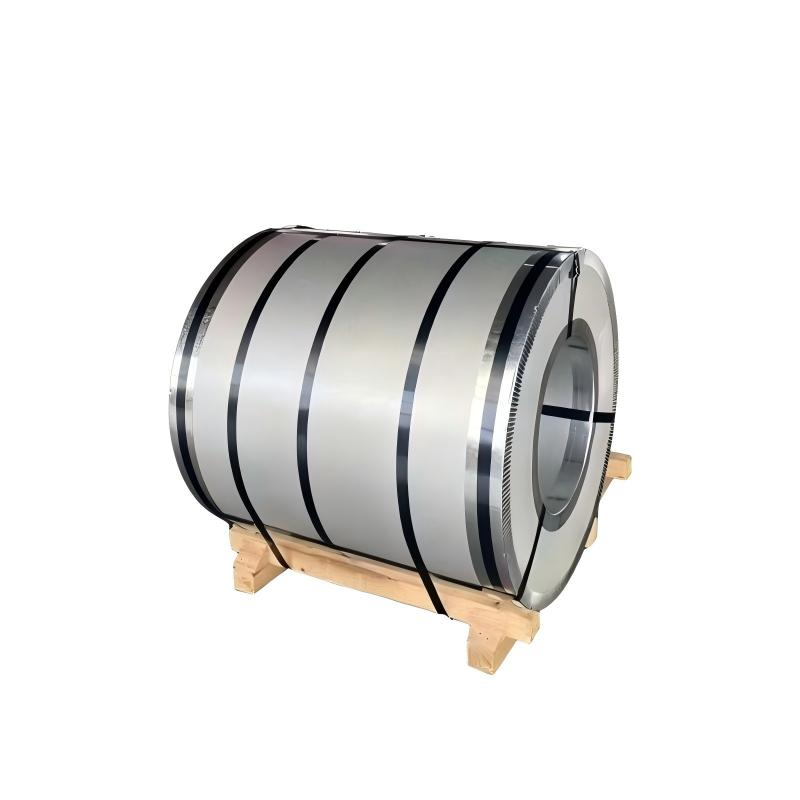
Learn why heavy coating galvalume steel coil provides superior corrosion resistance in harsh coastal settings and saves long-term maintenance costs.
2026/09/10
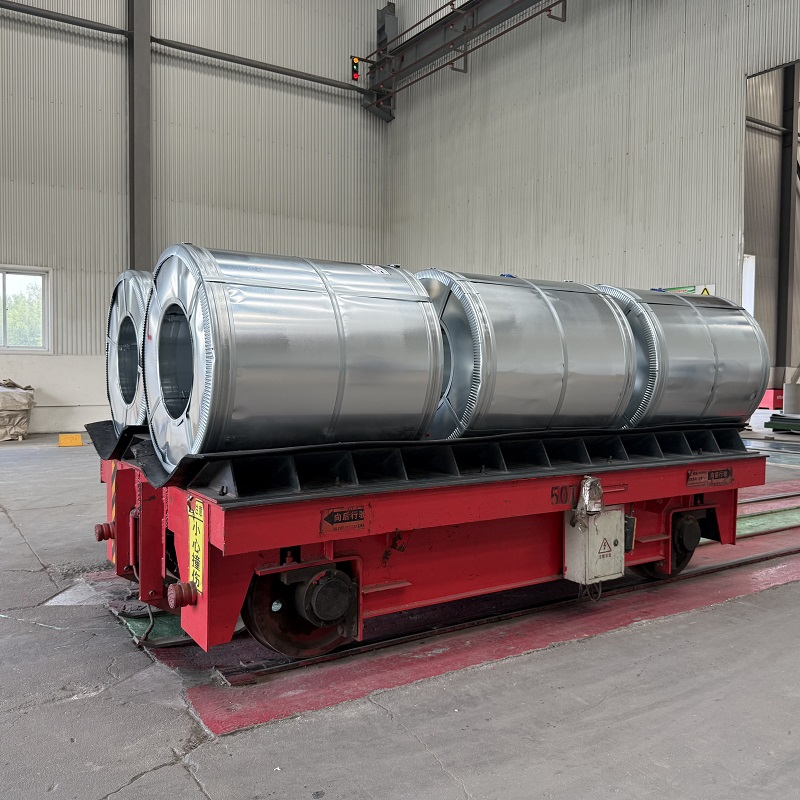
Learn how to test the bending performance of formable galvalume steel coil samples using T-bend testing to prevent cracking and scrap.
2026/09/10
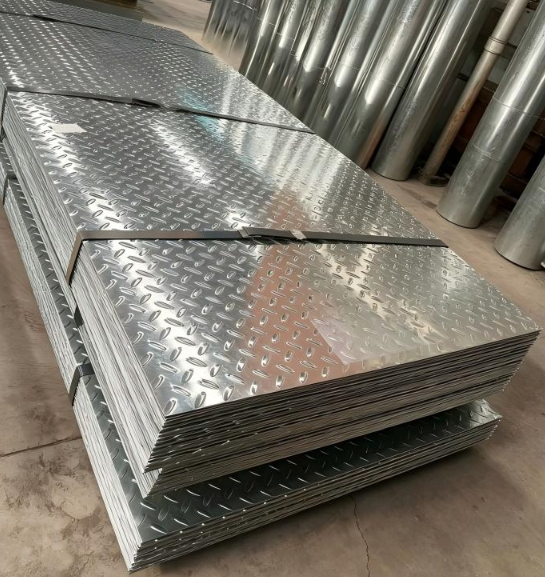
Discover how multi specification galvalume steel coil simplifies purchasing, boosts productivity, and lowers costs for metal fabricators.
2026/09/10
Discover why hot dipped galvanized steel and hot dip galvanized checkered plate offer ideal corrosion resistance and strength for road guardrails.
Covering green transformation, product comparison, selection guide, and industry empowerment, helping you fully grasp the dynamics of the color steel industry.

Global climate action and Belt and Road cooperation are driving the color steel industry’s shift toward green, sustainable development.
Comparing PPGI and PPGL across performance, durability, and applications to help you select the optimal coated steel for your project.
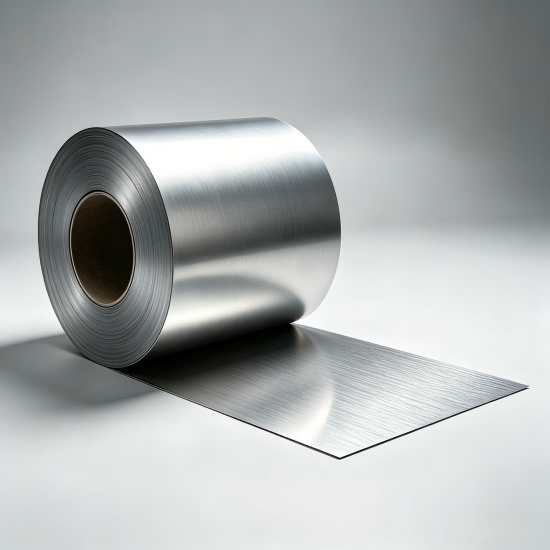
A practical guide to selecting and applying color steel coils, ensuring optimal performance, durability, and cost-effectiveness for your projects.
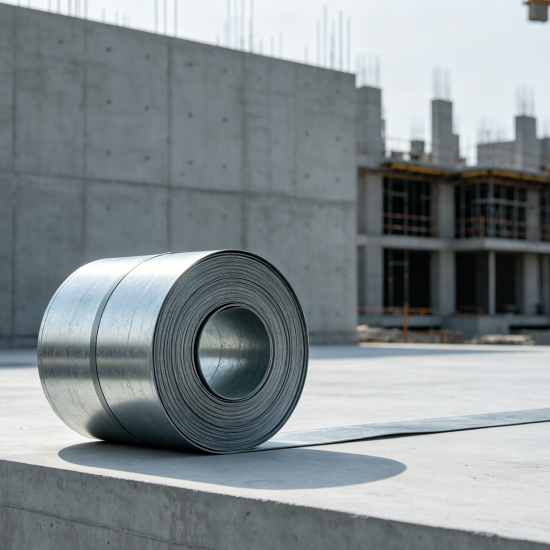
Industry forum drives digital and green transformation, empowering steel sector development through innovation and collaboration.