EN
EN

How to customize length size of precision cut GI coil finished sheets
2026/09/11
Learn how to specify precision cut GI coil sheets in custom lengths — tolerance selection, coating integrity, and ordering tips.
2026/08/31
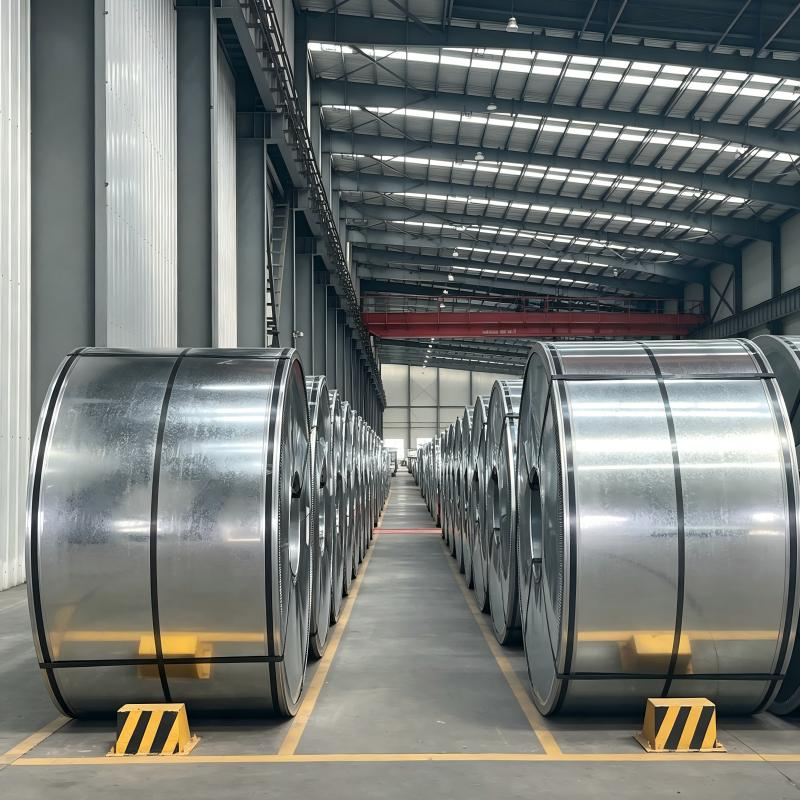
Cutting heavy material like thick gauge galvalume steel coil—typically defined as sheet stock exceeding 1.2 mm in thickness—presents operational challenges that differ from standard thin-gauge processing. High tensile strength (often ranging from 550 to 750 MPa for structural substrate), strong coil set memory, and sharp cut edges require strict operating procedures. Managing a precision cut galvalume steel coil production line demands well-maintained machinery, continuous monitoring, and clear safety practices to protect technicians and preserve material quality.
Understanding how thick steel behaves during uncoiling and shearing prevents workplace injuries while keeping dimensional tolerances tight across every batch.
Thick gauge steel cutting requires extra care because heavy metal sheet stock exhibits higher yield strength and reduced ductility compared to lighter gauges. The 55% aluminum-zinc alloy surface layer provides unmatched corrosion protection, but its microscopic hardness increases blade friction and accelerates tool wear if setup parameters are off.
When processing a thick gauge galvalume steel coil, tension stored during coiling creates a spring-back force during uncoiling. Without proper hold-down equipment and heavy-duty straightener rollers, the leading edge of a heavy coil can snap upward unexpectedly. Implementing strict steel coil safety rules keeps processing lines running smoothly without sacrificing worker protection or product finish.
Achieving a clean, burr-free edge on a precision cut galvalume steel coil requires checking equipment parameters before starting any production run. Machinery must handle the increased cutting force required for thick gauge steel cutting.
Key pre-operation machinery checks include:
Mandrel Expansion Pressure: Confirm that the uncoiler mandrel maintains a firm grip on the internal diameter to prevent slipping during high-tension feeding.
Straightener Roller Calibration: Set roll clearance roughly 0.1 mm to 0.2 mm below nominal material thickness to flatten coil set without crushing the protective coating.
Shear Blade Clearance: Maintain a shear blade gap equal to 5% to 8% of the material thickness to avoid rough edges and blade jamming.
Hold-Down Bar Pressure: Ensure hydraulic hold-downs apply sufficient pressure (typically 2 tons or more for material over 1.5 mm thick) to hold the sheet flat during guillotine cutting.
Emergency Interlocks: Verify that all emergency stop buttons, trip wires, and foot pedals function properly before loading any thick gauge galvalume steel coil onto the uncoiler.
Regular maintenance and daily parameter checks ensure consistent cut-to-length accuracy while maintaining high steel coil safety standards across every shift.
Working around slitting lines and shearing stations during thick gauge steel cutting requires certified personal protective equipment. Heavy sheet metal edges carry extreme force during shear strokes, making personal protection mandatory for all line personnel.
| Personal Protective Equipment | Minimum Rating Standard | Operational Purpose |
| Cut-Resistant Gloves | ANSI A4 Level or Higher | Protects hands from sharp sheet edges and metal burrs |
| Safety Glasses & Face Shield | ANSI Z87+ Impact Rated | Prevents eye injury from high-velocity metal chips and scale |
| Steel-Toe Work Boots | ASTM F2413 Rated | Protects feet from falling off-cuts or heavy coil tails |
| Hearing Protection | NRR 25 dB Minimum | Dampens high-decibel shearing noise (often 95 to 105 dB) |
| Heavy Leather Apron | Cut & Abrasion Resistant | Protects torso from sharp metal edges during manual feeding |
Rigid adherence to personal protection rules reduces lost-time incidents and ensures smooth handling during heavy coil processing.
When executing a precision cut galvalume steel coil order, operators choose between guillotine shearing and rotary slitting based on the intended application. Guillotine shears handle rapid cut-to-length production, while rotary slitting knives provide smooth, burr-free edges for architectural and standing-seam roofing panels.
Critical parameters for slitting a thick gauge galvalume steel coil include:
Knife Vertical Overlap: Maintain knife overlap between 30% and 40% of sheet thickness to ensure clean metal fracture without double-piercing.
Side Knife Clearance: Set side clearance between 8% and 10% of material thickness per side to prevent excessive burr formation.
Line Pull Tension: Apply uncoiler and recoiler tension equal to 10% to 15% of material yield strength to keep the sheet flat during shearing.
Using incorrect tool clearance on a thick gauge galvalume steel coil causes edge burrs exceeding 0.1 mm. Excessive burrs create cut hazards for installation crews, damage stack coatings, and reduce long-term edge corrosion performance.
Handling finished sheets after thick gauge steel cutting requires careful organization. Heavy cut-to-length sheets often weigh more than 50 kg each for 2.0 mm thick panels measuring 1.25 m by 2.5 m. Manual lifting of individual sheets should be avoided; vacuum lifters or overhead cranes should handle heavy bundles instead.
Key material handling rules include:
Coating Interleaving: Place protective paper or plastic film between stacked sheets to prevent friction scratches during transport.
Edge Guard Protection: Apply rigid plastic or cardboard edge guards beneath steel strapping to protect sheet margins from damage.
Moisture Prevention: Store cut sheets in dry, temperature-controlled indoor spaces. Stack bundles at a slight 5-degree to 10-degree tilt to encourage moisture drainage if condensation forms.
Staggered Stacking: Avoid stacking bundles too high to prevent bottom-sheet surface marking under heavy total loads.
Following proper storage protocols preserves the aluminum-zinc surface, ensuring every precision cut galvalume steel coil arrives at the job site in prime condition.
Different construction applications require tailored cutting, slitting, and handling setups:
Heavy Structural C/Z Purlins: Processing thick gauge galvalume steel coil for load-bearing purlins requires heavy-duty slitting and precise punch-hole positioning. High steel coil safety standards keep purlin production lines efficient under heavy loads.
Architectural Standing Seam Roofing: Producing precision cut galvalume steel coil strips for continuous standing-seam panels requires smooth slitting knife setups to prevent microscopic coating cracks along folded edges.
Industrial Enclosures and Ducting: Fabricating HVAC casings and heavy machinery housings demands exact sheet squareness and minimal edge burr, allowing quick assembly on field job sites.
Processing heavy gauge metal safely while maintaining tight tolerances requires specialized machinery, experienced technicians, and thorough quality management. Matching the right processing parameters to each thick gauge galvalume steel coil specification guarantees structural reliability and long service life.
Shenyang Yuanhe Steel operates modern slitting and cut-to-length processing workshops equipped with high-precision straighteners, heavy-duty rotary shears, and automated stacking equipment. Shenyang Yuanhe Steel delivers custom galvalume steel coil products, precision cut galvalume steel coil sheets, and specialized heavy-gauge processing services for global construction, manufacturing, and distribution partners. By combining rigorous steel coil safety standards with continuous material testing, Shenyang Yuanhe Steel provides international buyers with high-quality steel products, certified test reports, and dependable global delivery.
2026/09/11
Learn how to specify precision cut GI coil sheets in custom lengths — tolerance selection, coating integrity, and ordering tips.
2026/09/11
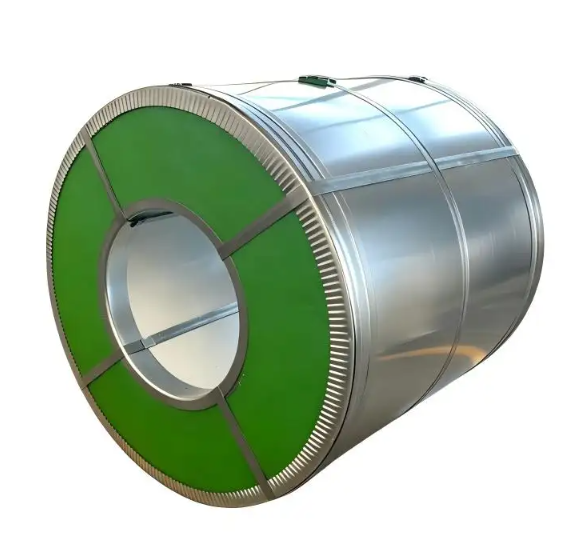
Learn why premium finish galvalume steel coil delivers better paint adhesion and visual consistency in finished building products. Request specs today.
2026/09/10
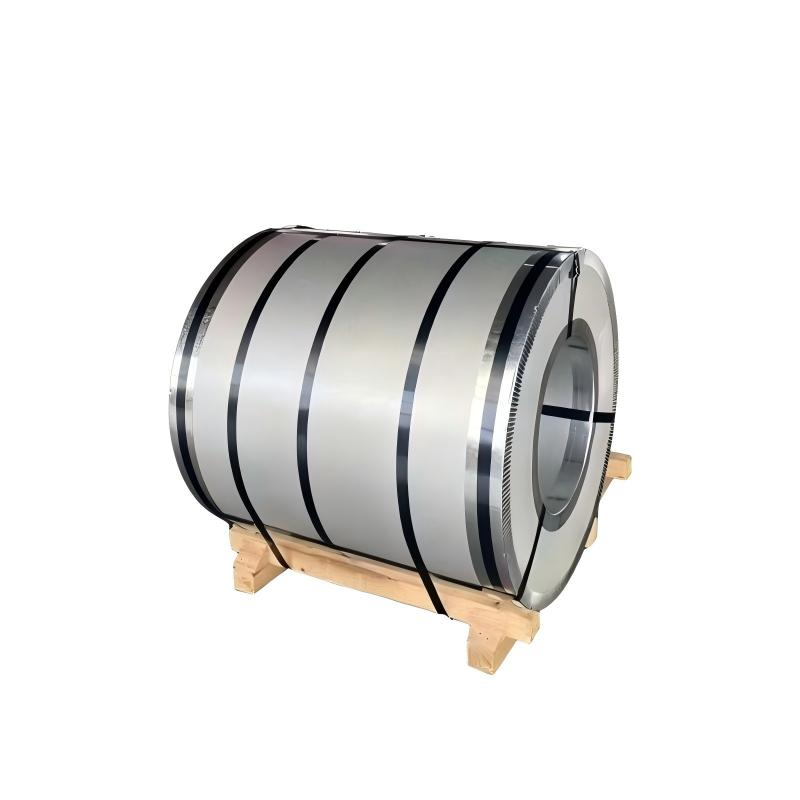
Learn why heavy coating galvalume steel coil provides superior corrosion resistance in harsh coastal settings and saves long-term maintenance costs.
2026/09/10
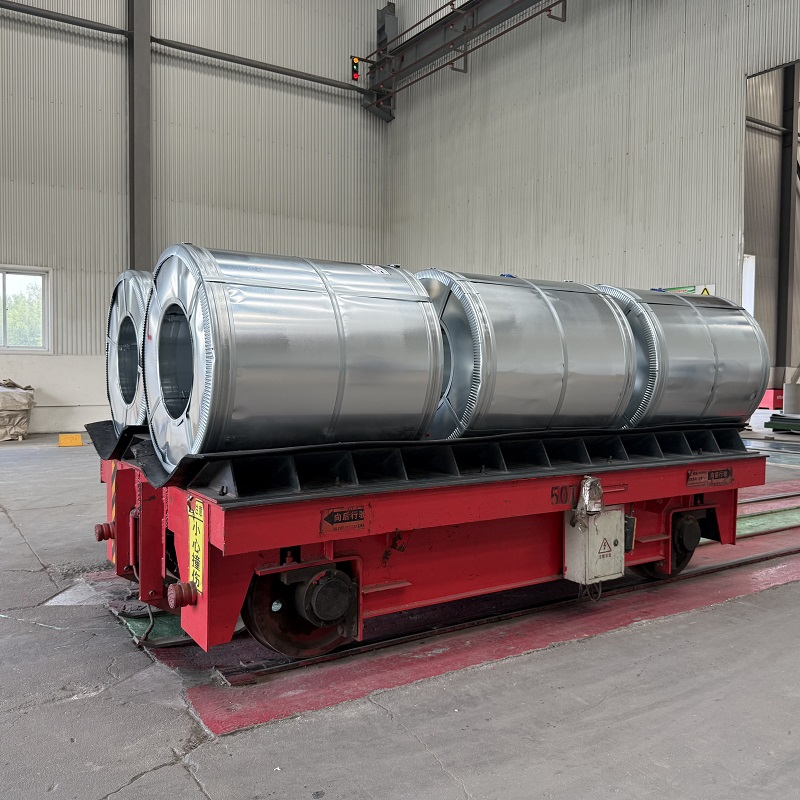
Learn how to test the bending performance of formable galvalume steel coil samples using T-bend testing to prevent cracking and scrap.
2026/09/10
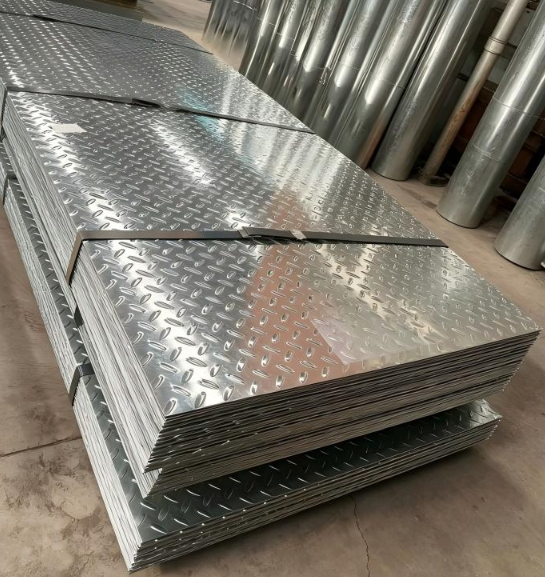
Discover how multi specification galvalume steel coil simplifies purchasing, boosts productivity, and lowers costs for metal fabricators.
2026/09/10
Discover why hot dipped galvanized steel and hot dip galvanized checkered plate offer ideal corrosion resistance and strength for road guardrails.
Covering green transformation, product comparison, selection guide, and industry empowerment, helping you fully grasp the dynamics of the color steel industry.

Global climate action and Belt and Road cooperation are driving the color steel industry’s shift toward green, sustainable development.

Comparing PPGI and PPGL across performance, durability, and applications to help you select the optimal coated steel for your project.
A practical guide to selecting and applying color steel coils, ensuring optimal performance, durability, and cost-effectiveness for your projects.
Industry forum drives digital and green transformation, empowering steel sector development through innovation and collaboration.