EN
EN

How to customize length size of precision cut GI coil finished sheets
2026/09/11
Learn how to specify precision cut GI coil sheets in custom lengths — tolerance selection, coating integrity, and ordering tips.
2026/09/01
Processing a thin GI sheet—typically defined as galvanized iron sheet stock under 1.0 mm thickness—through punching, shearing, and stamping operations introduces unique manufacturing challenges. The zinc surface layer, while essential for long-term corrosion resistance, adds operational complexity during high-speed metal forming.
Achieving clean, burr-free cut margins on a GI perforated sheet requires adjusting tool clearances, selecting appropriate tooling materials, and using compatible synthetic lubricants. Fine-tuning these process parameters allows stamping facilities to maintain high structural quality, cut down tool wear, and prevent surface flaking across demanding fabrication runs.
Thin sheet stock behaves differently than uncoated carbon steel under high-velocity punching punches. The protective zinc coating features a melting point of roughly 419°C, which can trigger galling and zinc pickup on the punch tip if friction is not actively managed.
Key mechanical differences affecting thin GI sheet stamping include:
Lower Surface Friction Coefficient: The smooth zinc coating alters blank-holder resistance during initial shear penetration.
Ductile Surface Layer Elasticity: Improper tool gaps push the zinc layer to shear unevenly, leading to cut edge flaking.
Thermal Friction Sensitivity: High-speed continuous punching generates localized friction heat, causing micro-welding of zinc particles onto tool steel surfaces.
For high-density GI perforated sheet designs—where thousands of small-diameter holes are punched into a single panel—managing tool heat and zinc buildup becomes vital. Standard punch-to-die clearances designed for uncoated steel cause excessive burrs and rapid coating degradation when applied across dense perforation matrices.
Setting the correct clearance between the punch and die button serves as the foundation for clean shear fractures. For a thin GI sheet, maintaining a tight clearance equal to 5% of material thickness per side minimizes edge roll-over and reduces burr height.
| GI Sheet Thickness | Recommended Clearance (Per Side) | Clearance Percentage | Expected Edge Burr Height |
| 0.3 mm to 0.5 mm | 0.015 mm to 0.025 mm | 5% of Material Thickness | Less than 0.03 mm |
| 0.5 mm to 0.8 mm | 0.025 mm to 0.040 mm | 5% of Material Thickness | Less than 0.05 mm |
| 0.8 mm to 1.0 mm | 0.040 mm to 0.060 mm | 5% to 6% of Material Thickness | Less than 0.08 mm |
Reducing tool clearance from a standard 8% down to 5% during thin GI sheet stamping shrinks the tensile tearing zone along the cut edge. Tight clearances create a clean burnished land with minimal surface flaking, improving edge uniformity across every hole on a complex GI perforated sheet panel.
High-volume punching galvanized sheet runs demand tool steels capable of resisting severe adhesive wear. Standard AISI D2 tool steel hardened to 58–62 HRC performs well for light production. However, continuous GI perforated sheet production calls for powder metallurgy high-speed steel (PM HSS) or micro-grain tungsten carbide tooling.
Extending tool life during high-speed press runs relies on thin-film physical vapor deposition (PVD) coatings:
Titanium Nitride (TiN): Reduces surface friction and stops direct zinc-to-steel contact on punch flanks.
Titanium Carbonitride (TiCN): Delivers higher surface hardness (3000 HV) and superior abrasion resistance for continuous thin GI sheet stamping.
Chromium Nitride (CrN): Offers low chemical affinity for non-ferrous alloys, preventing zinc galling under heavy press forces.
Using TiN or TiCN coated tooling during punching galvanized sheet operations extends tool life between regrinds by 300% to 500% compared to uncoated tool steel.
Effective lubrication prevents direct contact between the zinc surface and the tool steel edge. Selecting fluids for thin GI sheet stamping requires balancing extreme-pressure (EP) performance with chemical compatibility:
Synthetic EP Lubricants: Neutral-pH synthetic formulations provide necessary boundary lubrication without reacting with the metallic zinc surface.
Evaporative Stamping Oils: Light vanishing oils evaporate cleanly after press forming, eliminating solvent degreasing before spot welding or painting.
Alkaline-Wash Compatible Fluids: Heavy-duty punching galvanized sheet applications call for water-soluble oil emulsions that wash away easily in mild alkaline bath systems.
Avoiding acidic lubricant additives prevents white rust staining during long-term storage of finished GI perforated sheet panels.
Troubleshooting punch defects quickly maintains high throughput across automated press lines:
Zinc Coating Flaking Around Hole Margins: Caused by excessive die clearance or dull punch edges. Tightening punch-to-die clearance to 5% and sharpening punch faces resolves coating separation.
Edge Burrs Exceeding 0.1 mm: Indicates tool edge rounding or insufficient stripper plate pressure. Inspecting punch tips for micro-chipping and increasing stripper spring force corrects edge burnishing.
Hole Shape Distortion and Pitch Error: Occurs when high hole density causes stress relief across the metal strip. Using shear-angled punch faces or staggered punching routines redistributes punching shock across the press bed.
Small Punch Snap During Micro-Perforation: Punching holes below 3.0 mm diameter risks tool pin breakage under sudden impact loads. Employing stepped punch designs or guided stripper bushings stabilizes thin punch pins during high-stroke cycles.
Matching proper press parameters with final product requirements guarantees clean visual appearance and structural fit:
HVAC Architectural Ventilation Grilles: Manufacturing GI perforated sheet panels requires tight hole pitch accuracy and burr-free edges to prevent airflow noise and cut hazards during field installation.
Acoustic Sound Barrier Enclosures: Industrial noise dampening panels rely on clean thin GI sheet stamping setups to preserve zinc coatings along panel cutouts exposed to rainy weather.
Agricultural Grain Drying Pans: High-density perforated sheets demand uniform hole geometry across wide panels to maintain consistent pressure drop across grain silos.
Processing thin gauge sheet metal requires consistent material chemistry, uniform zinc coating thickness, and accurate mechanical properties. Sourcing high-grade raw stock ensures predictable spring-back, low tool wear, and superior surface quality during continuous stamping runs.
Shenyang Yuanhe Steel maintains an annual stock exceeding 10,000 tons and operates advanced coil processing workshops equipped for slitting, leveling, and custom shearing operations. Shenyang Yuanhe Steel supplies certified GI sheet coils, precision-rolled GI perforated sheet stock, and customized material specifications for thin GI sheet stamping applications. By providing uniform coating thickness, reliable yield strength control, and complete mill test documentation, Shenyang Yuanhe Steel supports global manufacturing, agricultural, and industrial partners with high-quality steel products and international supply chain solutions.
2026/09/11
Learn how to specify precision cut GI coil sheets in custom lengths — tolerance selection, coating integrity, and ordering tips.
2026/09/11
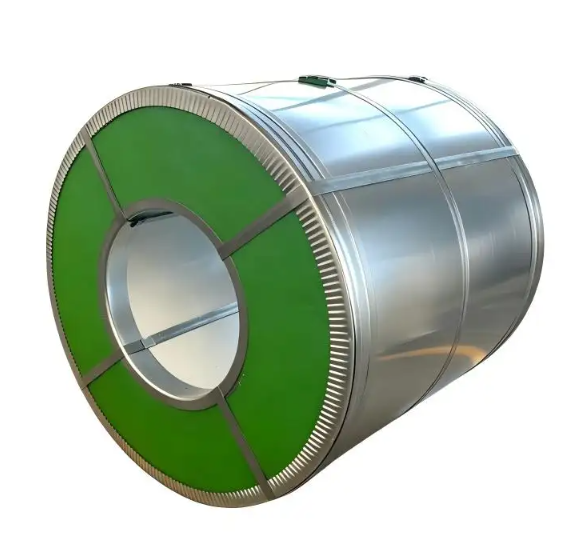
Learn why premium finish galvalume steel coil delivers better paint adhesion and visual consistency in finished building products. Request specs today.
2026/09/10
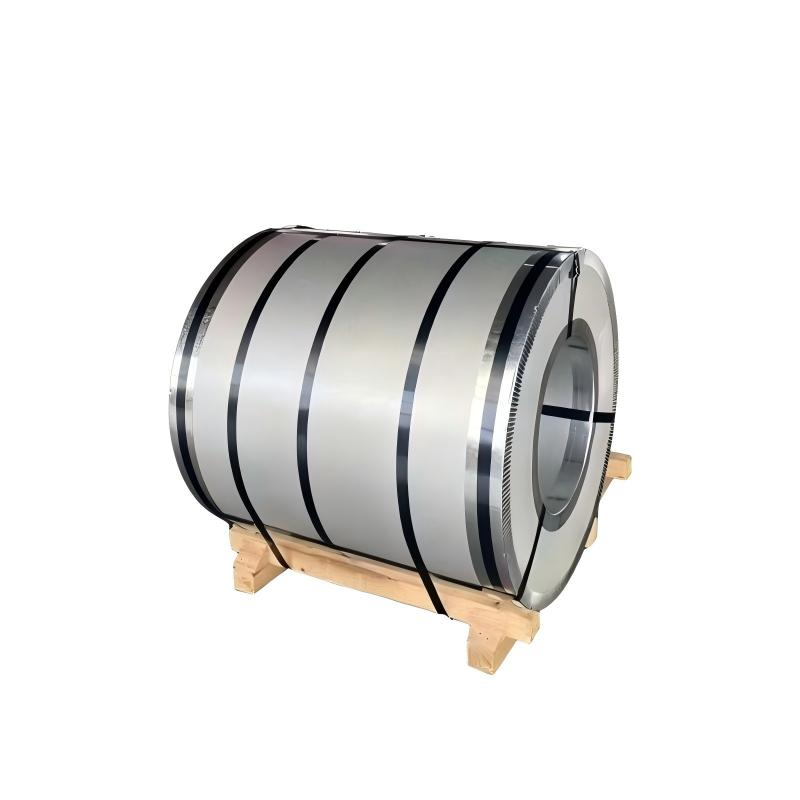
Learn why heavy coating galvalume steel coil provides superior corrosion resistance in harsh coastal settings and saves long-term maintenance costs.
2026/09/10
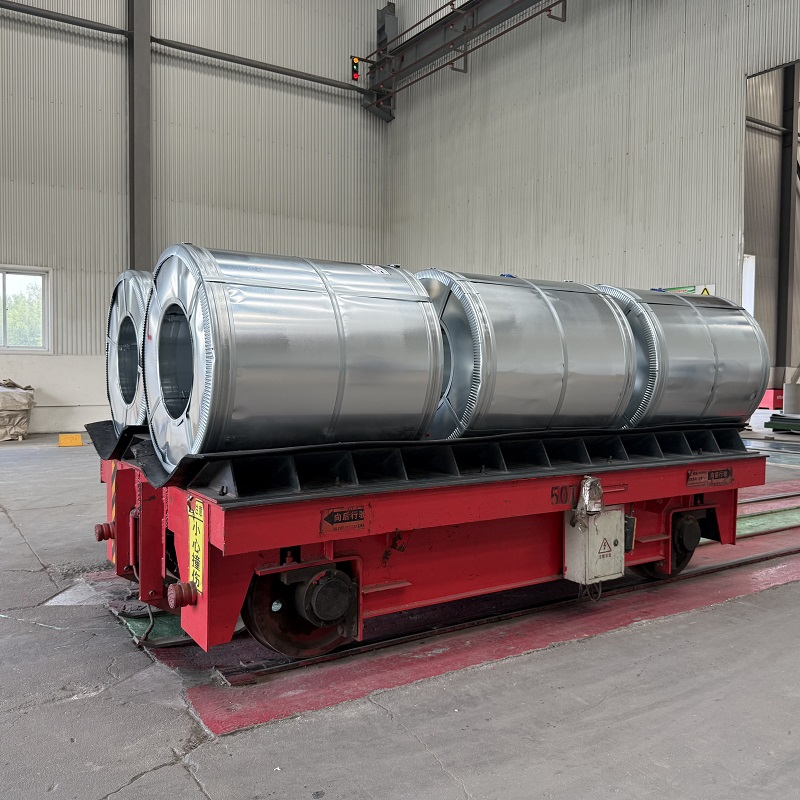
Learn how to test the bending performance of formable galvalume steel coil samples using T-bend testing to prevent cracking and scrap.
2026/09/10
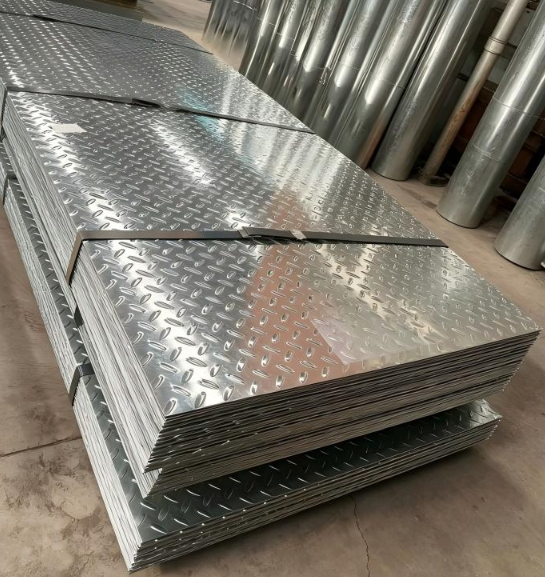
Discover how multi specification galvalume steel coil simplifies purchasing, boosts productivity, and lowers costs for metal fabricators.
2026/09/10
Discover why hot dipped galvanized steel and hot dip galvanized checkered plate offer ideal corrosion resistance and strength for road guardrails.
Covering green transformation, product comparison, selection guide, and industry empowerment, helping you fully grasp the dynamics of the color steel industry.

Global climate action and Belt and Road cooperation are driving the color steel industry’s shift toward green, sustainable development.

Comparing PPGI and PPGL across performance, durability, and applications to help you select the optimal coated steel for your project.
A practical guide to selecting and applying color steel coils, ensuring optimal performance, durability, and cost-effectiveness for your projects.
Industry forum drives digital and green transformation, empowering steel sector development through innovation and collaboration.