EN
EN

What Surface Treatment Processes Create Premium Finish PPGI Steel Coil for High-End Projects
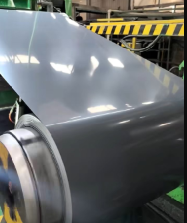
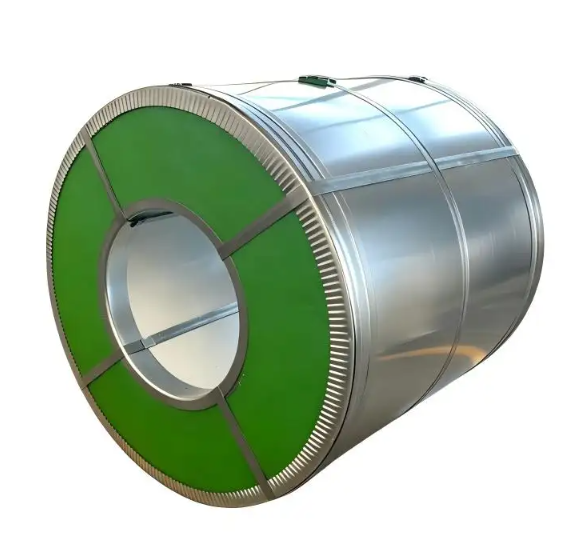
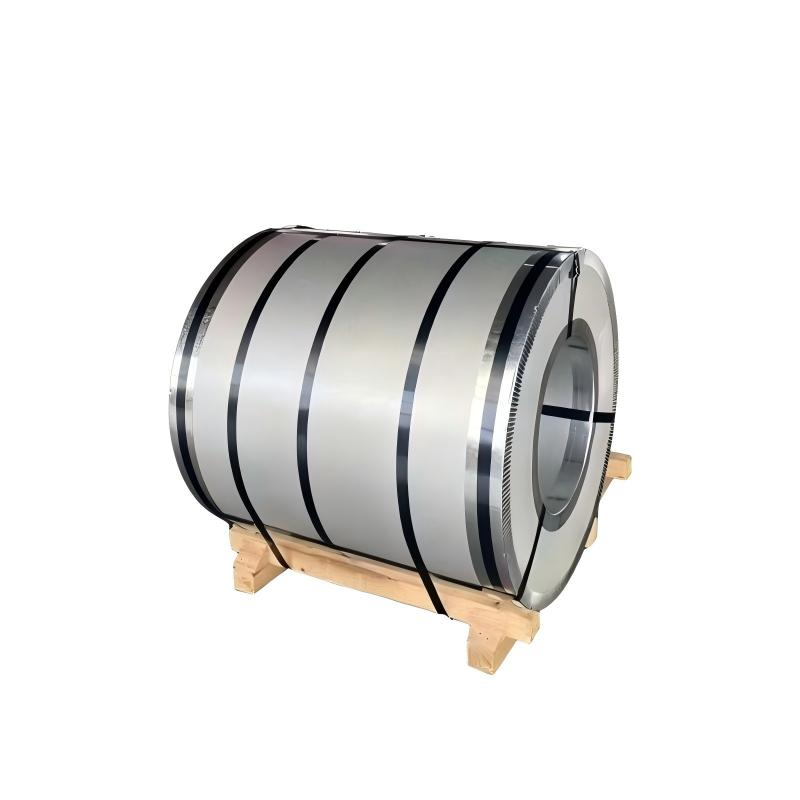
When you specify a premium finish ppgi steel coil for an architectural facade, a commercial roofing system, or a high-visibility cladding project, the visual result you receive is not an accident. It is a direct outcome of the surface treatment sequence applied before a single gram of paint ever touches the steel strip. Working in roofing systems specification long enough, I can say this honestly: the finish quality you see on installed panels starts being determined at the degreasing tank, not at the paint applicator.
This article walks through the key production stages that distinguish a premium-grade PPGI coil from a standard commercial product — and explains why each step matters for projects where appearance, consistency, and long-term performance are non-negotiable.
Stage 1: Substrate Preparation — The Foundation Everything Else Depends On
The galvanized steel substrate that enters the coil coating line carries surface contaminants from rolling oil, storage, and transit. Before any treatment chemistry can work effectively, the strip must be cleaned to a near-clinical standard. This involves two sub-stages that are easy to underestimate:
- Alkaline degreasing: The strip passes through a hot alkaline bath that removes rolling oils, fingerprint contamination, and particulate matter. On premium lines, this is followed by a brushed scrubbing section that removes stubborn surface film without scratching the zinc layer.
- Rinse and drying: Thorough rinsing prevents chemical carry-over between treatment stages. Residual alkaline chemistry on the strip surface would interfere with the phosphating step that follows, leading to adhesion failure in the paint layers — a defect that may not appear until months of weathering have occurred on a completed building.
The zinc coating weight of the base substrate also matters here. A surface treated colour coil built on a Z180 or Z275 galvanized base performs differently over a 15-year exposure period than one built on a Z60 minimum base, regardless of how well the topcoat is applied. For high-end projects, specifying a zinc coating weight of at least Z100–Z180 g/m² total is a reasonable minimum.
Stage 2: Chemical Surface Treatment — Creating the Adhesion Platform
This is the stage that most purchasing specifications describe only vaguely, and it is where meaningful differences between premium and standard PPGI coil production emerge most clearly.
Phosphating
The cleaned strip enters a phosphating bath that creates a microcrystalline conversion coating on the zinc surface. This conversion layer does two things: it increases surface area for mechanical interlocking with the primer, and it passivates the zinc to slow under-film corrosion. On premium production lines, iron-zinc or zinc phosphate coatings are used rather than lower-grade chromate-only treatments. The phosphate crystal structure is tightly controlled — coarse crystals can create adhesion voids that become corrosion initiation points under the paint film.
Passivation (Chromating or Chrome-Free Equivalent)
After phosphating, a passivation rinse seals the conversion coating. Traditionally, chromate-based passivation was standard. However, for premium PPGI coils supplied to European and North American markets, chrome-free passivation using titanium/zirconium chemistry is increasingly required to meet RoHS and environmental import regulations. When properly applied, chrome-free passivation delivers comparable corrosion protection to traditional chromate treatment while meeting the compliance requirements that high-end specification projects in regulated markets demand.
And this is something I have seen buyers learn the hard way: a visually beautiful gloss topcoat applied over inadequate passivation will show early blistering or filiform corrosion within two to three years in humid or coastal environments. The surface treatment beneath the paint is invisible at delivery, but its quality determines whether that premium finish lasts.
Stage 3: Primer Application — The Invisible Performance Layer
Once the chemical treatment stages are complete, the strip enters the primer application section. The primer coat — typically applied at 5–8 μm dry film thickness — provides the adhesion bridge between the conversion coating and the decorative topcoat. For premium products, epoxy-based or polyurethane primers are common because they offer better corrosion-inhibiting performance than standard acrylic primers used in commodity PPGI.
On many premium coil coating lines, a back coat is also applied simultaneously on the reverse side of the strip. Back coat thickness ranges from 8–12 μm and protects the steel during roll-forming, cut-edge handling, and long-term reverse-side exposure. A premium finish texture ppgi steel coil intended for sandwich panel or profiled roofing applications requires a functional back coat — not just a cosmetic one — because the reverse side may be exposed to condensation in building envelope applications.
After primer application, the strip passes through a curing oven. Oven temperature profile and dwell time are critical: under-cured primer is soft and adhesion-deficient; over-cured primer becomes brittle and may crack during roll-forming. Premium production facilities run automated temperature monitoring throughout the oven length.
Stage 4: Topcoat Application — Where the Premium Finish Becomes Visible
The topcoat is the layer that defines the appearance characteristics buyers associate with a premium PPGI product. The paint chemistry selected for the topcoat determines both visual performance and service life.
Paint System Options and Their Premium Positioning
| Paint System | Topcoat Thickness | Gloss Stability | Chalk Resistance | Typical Application |
|---|---|---|---|---|
| Polyester (PE) | 15–25 μm | Moderate | Moderate | Standard commercial PPGI |
| Silicon Modified Polyester (SMP) | 20–30 μm | Good | Good | Mid-range architectural PPGI |
| High Durability Polyester (HDP) | 25–35 μm | Very Good | Very Good | High-performance roofing and cladding |
| PVDF (Polyvinylidene Fluoride) | 25–35 μm | Excellent | Excellent | Premium finish gloss PPGI steel coil for facades and long-warranty projects |
For genuinely high-end project specifications, PVDF or HDP systems are the appropriate choices. A premium finish gloss ppgi steel coil based on PVDF topcoat maintains color and gloss stability over 20–25 year service periods in exposed environments, which is why it is specified for landmark commercial buildings and premium residential facades where color uniformity must survive multiple container deliveries and years of weathering.
Gloss Level Control
Gloss is measured using a calibrated glossmeter at a 60° angle, expressed in Gloss Units (GU). Premium finishes are typically specified as:
- High gloss: 70+ GU at 60° — delivers a reflective, architectural surface
- Semi-gloss: 30–70 GU — most common for commercial roofing and cladding
- Matte / low-gloss: below 30 GU — increasingly requested for contemporary architectural aesthetics
Consistent gloss control across production batches matters more than most buyers realize. A variance of more than ±5 GU between coils on the same order can produce visible tonal differences on an installed facade — one that is very difficult to remedy after installation. Premium production facilities specify gloss tolerance in their quality acceptance criteria and verify with in-line gloss monitoring.
Stage 5: Final Inspection, Slitting, and Coiling
After topcoat curing, the strip passes through a comprehensive inspection station. On premium lines, this includes automated surface defect detection cameras that flag coating inclusions, pinholes, and color streak defects at line speed. Visual inspection by trained operators follows for confirmation.
Slitting to final coil width is performed with precision blade sets. For a surface treated colour coil intended for direct roll-forming into building profiles, slit edge quality matters: burr height and edge squareness affect how cleanly the material feeds through roll-forming tooling, and poor slit edges can introduce micro-cracks at the cut that compromise paint adhesion in the field.
Why the Full Process Chain Matters for High-End Projects
The common misconception is that a higher gloss level equals a better product. It is genuinely worth being direct about this: It does not. A high-gloss topcoat on a poorly passivated substrate will fail faster than a semi-gloss coat on a properly treated surface. Premium finish does not mean only the topcoat is premium; it means the entire process chain, from substrate zinc weight through surface treatment chemistry to paint system selection and application, has been executed to a higher standard.
For engineering contractors and real estate developers sourcing PPGI coils for high-end projects, the practical implication is this: ask your supplier for the full technical data sheet that covers zinc coating weight (g/m²), passivation type, primer system, topcoat paint chemistry, topcoat dry film thickness, and gloss tolerance. A supplier who can provide this documentation — rather than only a color card and a price — is demonstrating that their product is genuinely a premium finish PPGI steel coil, not just one labeled as such.
Shenyang Yuanhe Steel Trading Co., Ltd. offers technical consultation on PPGI coil specification for construction projects across North America, Africa, South America, and Europe. Contact Leo Liu at [email protected] or +86-18642064006 to discuss surface treatment specifications, paint system options, and project-specific requirements.