EN
EN

How to customize length size of precision cut GI coil finished sheets
2026/09/11
Learn how to specify precision cut GI coil sheets in custom lengths — tolerance selection, coating integrity, and ordering tips.
2026/06/10
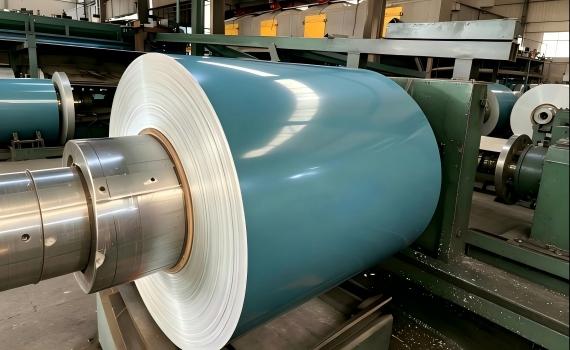
In the modern color-coated steel industry, the performance and service life of building and industrial metal products are largely determined by the quality and type of base substrate. Among all available coated steel materials, Pre-painted Galvanized Iron (PPGI) and Pre-painted Galvalume Steel (PPGL) stand out as the two most widely adopted and versatile solutions in global construction and manufacturing sectors. Despite their similar appearances, the two materials differ significantly in coating composition, anti-corrosion mechanism, temperature resistance, weathering stability, and long-term economic benefits. This article comprehensively compares PPGI and PPGL from product structure, core performance advantages, and practical application scenarios, providing reliable technical references for industrial and architectural project selection.
Product Overview: Different Substrates Determine Inherent Material Properties
PPGI is manufactured based on hot-dip galvanized steel substrate. Through rigorous pre-treatment processes including degreasing, surface cleaning, and chemical conversion film treatment, the steel surface is uniformly coated with high-quality organic paint and cured under controlled high-temperature baking. The galvanized layer consists of more than 99% pure zinc, which delivers reliable cathodic protection through the sacrificial anode principle. In cases of surface scratches, cutting edges, or local coating damage, the zinc layer corrodes preferentially to protect the internal steel substrate from rust and oxidation. With mature production technology, stable quality consistency, and cost-effective pricing, PPGI has become the most mainstream color-coated steel material widely used in global civilian construction, household appliances, and general industrial projects.
PPGL adopts advanced aluminum-zinc alloy coated steel as the base material. Its exclusive coating composition of 55% aluminum, 43.4% zinc, and 1.6% silicon forms a unique compact alloy structure that perfectly integrates the dual advantages of aluminum inert protection and zinc sacrificial protection. The aluminum element in the coating quickly forms a dense and stable aluminum oxide protective film on the material surface, effectively isolating air, moisture, and corrosive substances to stop continuous oxidation and substrate erosion. Meanwhile, the zinc component retains the classic sacrificial anti-rust function, ensuring effective protection for cut edges and damaged areas. Benefiting from this composite alloy structure, PPGL exhibits far superior anti-corrosion and weathering performance compared with traditional galvanized steel.
Our company provides standardized and customized PPGI and PPGL products with complete specifications. The product thickness ranges from 0.09 mm to 1.5 mm, and the width covers 500 mm to 1500 mm to adapt to different processing and construction needs. Multiple coating systems are available, including standard polyester (PE), high-durability polyester (HDP), silicon-modified polyester (SMP), and fluorocarbon (PVDF). Customers can choose standard RAL color codes or provide personalized samples for customized color matching to meet diverse architectural design and industrial production requirements.
Performance Characteristics: Unique Strengths and Differentiated Application Values
Corrosion Resistance :PPGI delivers stable performance in dry inland and rural environments, providing a service life of 10–15 years under normal conditions. Yet its pure zinc coating wears quickly in high humidity, coastal salt spray and acid rain, leading to shorter service life and surface rusting. By comparison, PPGL’s aluminum-zinc alloy coating offers 3–6 times better corrosion resistance than ordinary galvanized steel, effectively resisting salt spray, humid aging and industrial pollution for harsh working conditions.
High Temperature Resistance: PPGI features limited heat resistance, with a maximum long-term working temperature of 220°C. Excessively high temperatures will cause rapid oxidation, embrittlement and peeling of the zinc protective layer. In contrast, PPGL possesses excellent thermal stability and can withstand continuous high temperatures up to 315°C without coating discoloration or performance loss, suitable for high-temperature equipment lining, chimney cladding and thermal pipeline protection.
Heat Reflection and Energy-Saving Performance:PPGL inherits the high heat reflectivity and thermal insulation of galvalume substrates. Equipped with high weather-resistant topcoat, it boasts excellent UV resistance, anti-chalking and color retention capabilities. It effectively reflects solar heat, lowers indoor temperature and reduces energy consumption, serving as an ideal energy-saving material for high-grade building roofing and exterior wall systems.
Full Life Cycle Cost: PPGI has a lower initial procurement cost, which is highly cost-effective for short-cycle and conventional construction projects. Although PPGL has a slightly higher unit price due to alloy coating costs, its super weather resistance and anti-corrosion performance support a service life of more than 20 years with minimal maintenance. For long-term permanent buildings and industrial facilities, PPGL effectively reduces later maintenance, replacement, and repair costs, achieving lower comprehensive life-cycle costs. In short, PPGI is the optimal choice for projects with a service cycle of 5–8 years, while PPGL creates greater economic value for projects requiring 15+ years maintenance-free service.
Typical Application Scenarios: Scientific Material Selection for Different Projects
PPGI is ideal for low-corrosion and conventional scenarios, widely used in indoor decoration, home appliance panels, dry-area warehouses, ordinary workshops and agricultural sheds. It is the preferred material for temporary facilities including building enclosures, prefabricated houses, temporary exhibition venues and outdoor billboards. Thanks to its excellent ductility and deep drawing performance, PPGI is also suitable for manufacturing complex-shaped electrical housings, automotive interior parts and ventilation components.
PPGL is tailored for high-standard, harsh-condition and long-service-life projects. It is widely applied in coastal salt-spray areas for villas, port facilities and offshore platform roofing and cladding. It effectively resists chemical and industrial gas corrosion in heavily polluted zones such as chemical and smelting plants. Featuring excellent high-temperature resistance, PPGL is ideal for boiler linings, chimney claddings and thermal equipment outer protection. In addition, its high heat reflection, low condensation and superior stability make it suitable for cold storage, grain warehouses and food processing plants. For premium public buildings such as airport terminals, stadiums and commercial complexes, PPGL maintains stable appearance and excellent weather resistance for more than 20 years.
Our company stably supplies a full range of high-quality PPGI and PPGL products. All batches of raw materials are subject to rigorous and professional quality inspection procedures. We provide customers with free technical selection guidance and sample support. Feel free to consult our professional technical team for your demands.
2026/09/11
Learn how to specify precision cut GI coil sheets in custom lengths — tolerance selection, coating integrity, and ordering tips.
2026/09/11
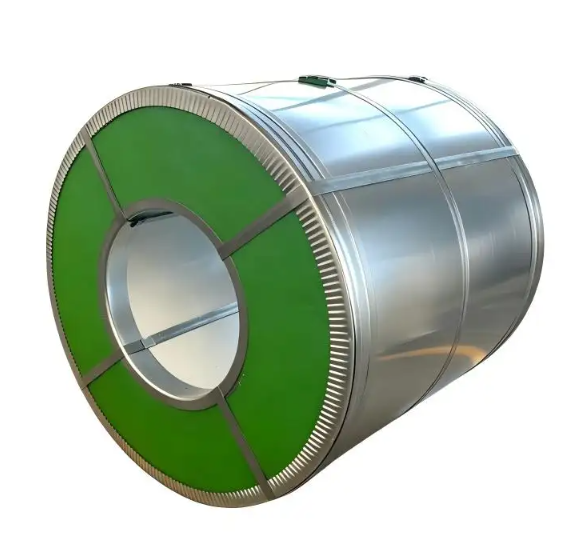
Learn why premium finish galvalume steel coil delivers better paint adhesion and visual consistency in finished building products. Request specs today.
2026/09/10
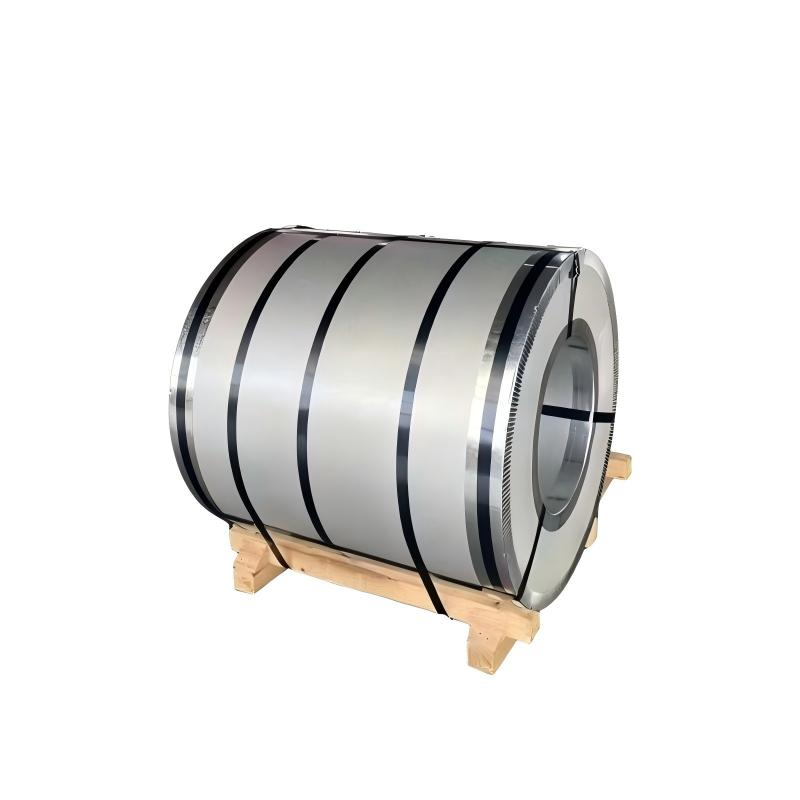
Learn why heavy coating galvalume steel coil provides superior corrosion resistance in harsh coastal settings and saves long-term maintenance costs.
2026/09/10
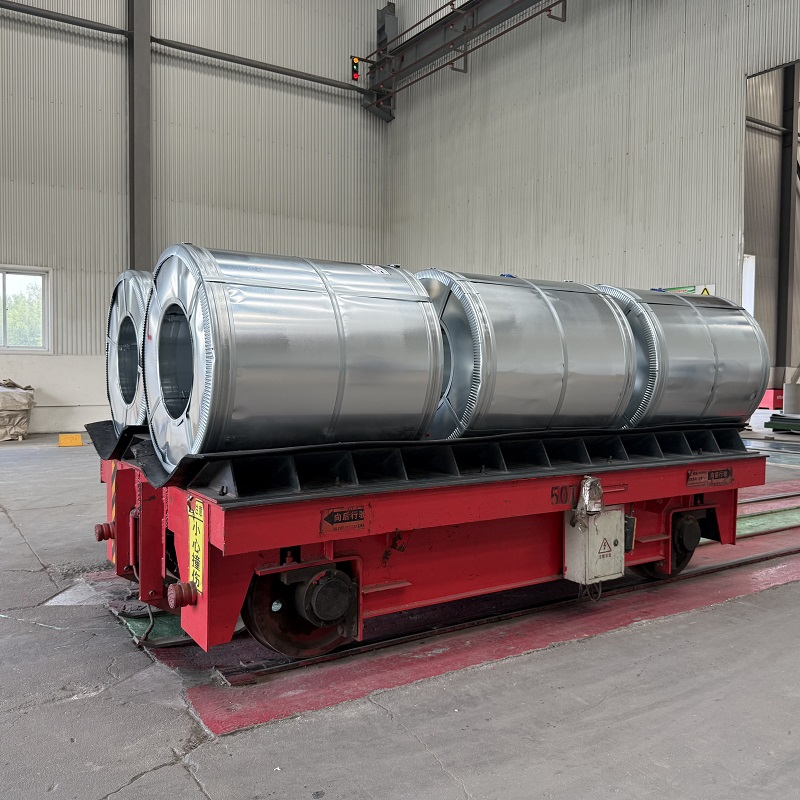
Learn how to test the bending performance of formable galvalume steel coil samples using T-bend testing to prevent cracking and scrap.
2026/09/10
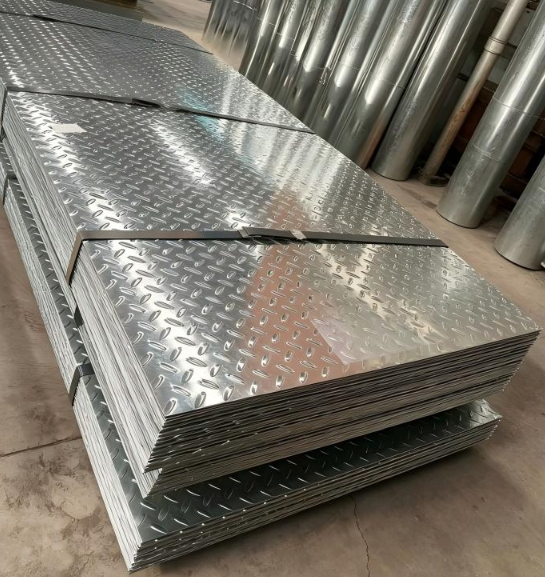
Discover how multi specification galvalume steel coil simplifies purchasing, boosts productivity, and lowers costs for metal fabricators.
2026/09/10
Discover why hot dipped galvanized steel and hot dip galvanized checkered plate offer ideal corrosion resistance and strength for road guardrails.
Covering green transformation, product comparison, selection guide, and industry empowerment, helping you fully grasp the dynamics of the color steel industry.
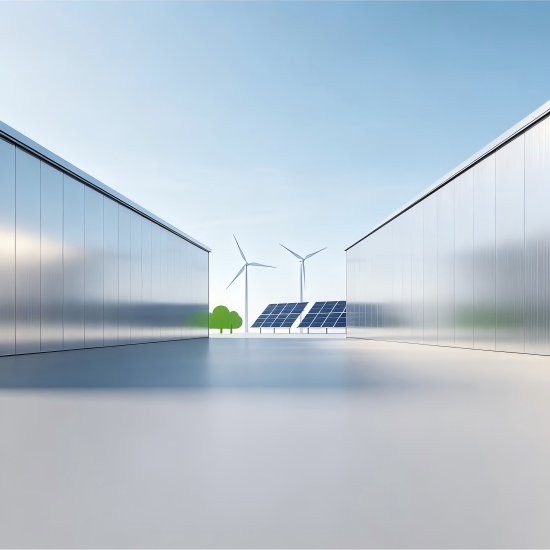
Global climate action and Belt and Road cooperation are driving the color steel industry’s shift toward green, sustainable development.

Comparing PPGI and PPGL across performance, durability, and applications to help you select the optimal coated steel for your project.
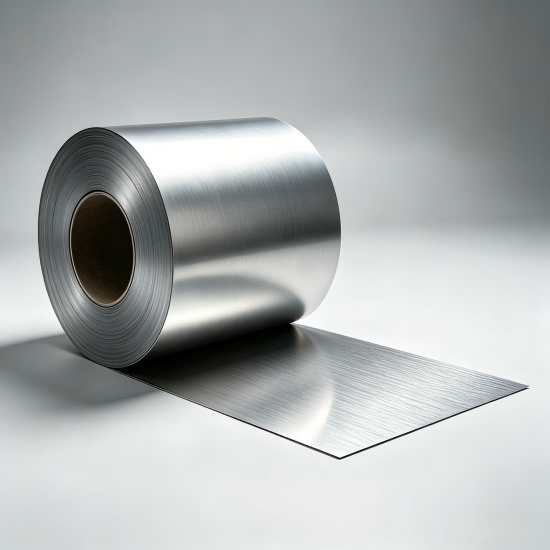
A practical guide to selecting and applying color steel coils, ensuring optimal performance, durability, and cost-effectiveness for your projects.
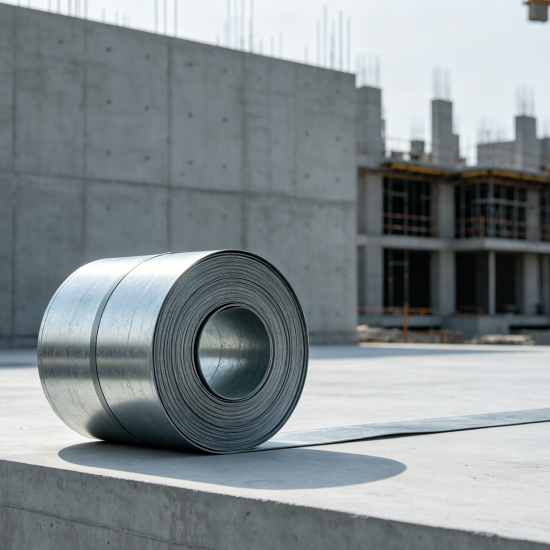
Industry forum drives digital and green transformation, empowering steel sector development through innovation and collaboration.