EN
EN

Performance comparison between hot dipped galvanized steel and cold galvanized steel
As a procurement engineer working with construction clients across Africa, South America, and Europe, one question comes up more than most: should we specify hot dipped galvanized steel or cold galvanized steel? On paper, both products are "galvanized" — buyers sometimes assume they can be swapped based on price. That assumption tends to create real problems later, especially in coastal or high-humidity environments where selecting the wrong coating specification can lead to visible corrosion within two or three years.
This article walks through the two processes side by side, covering the dimensions that matter most to construction procurement: coating weight, corrosion resistance, process mechanism, cost positioning, and application fit. Where relevant, I've included ASTM and EN standard designations, since coating weight terms are commonly used imprecisely in supplier quotations.
What Is Hot Dipped Galvanized Steel?
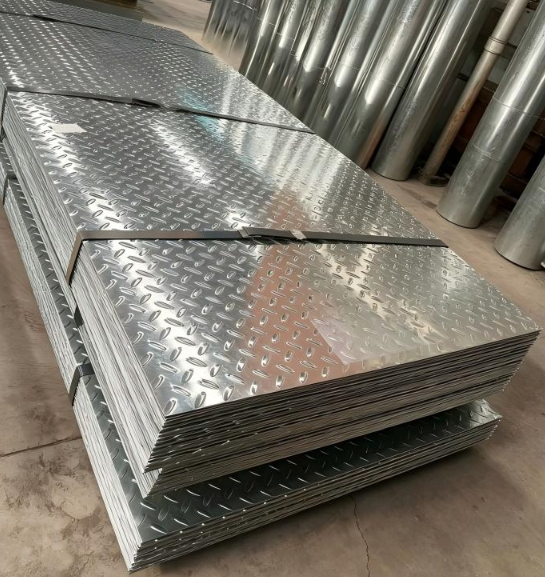
Hot dipped galvanized steel is produced by immersing cleaned steel into a bath of molten zinc at approximately 450–460°C. At that temperature, zinc reacts metallurgically with the iron in the base metal, forming a series of zinc–iron intermetallic alloy layers bonded to the substrate. The outermost layer is pure zinc. This multi-layer structure gives hot dipped galvanized steel its characteristic durability: if the zinc surface is scratched, the surrounding zinc acts as a sacrificial anode and continues protecting the exposed steel.
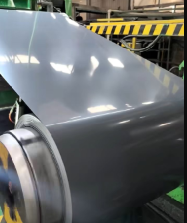
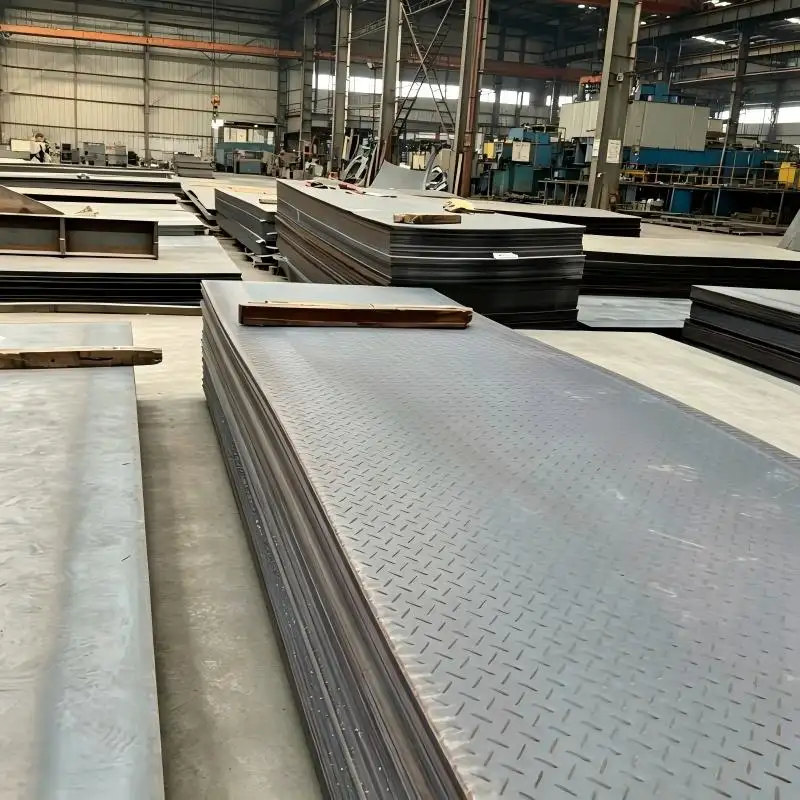
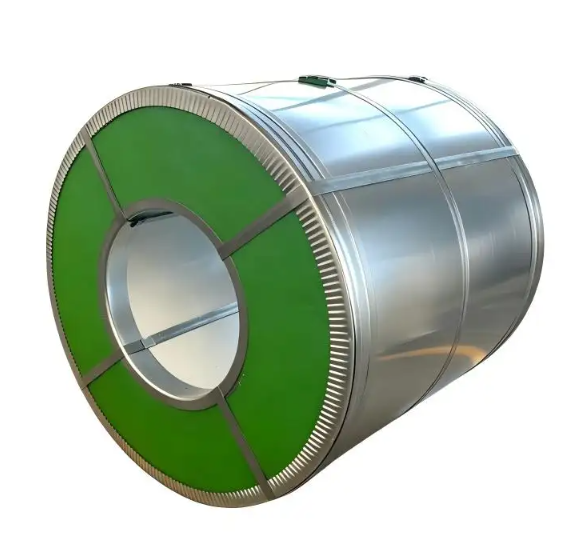
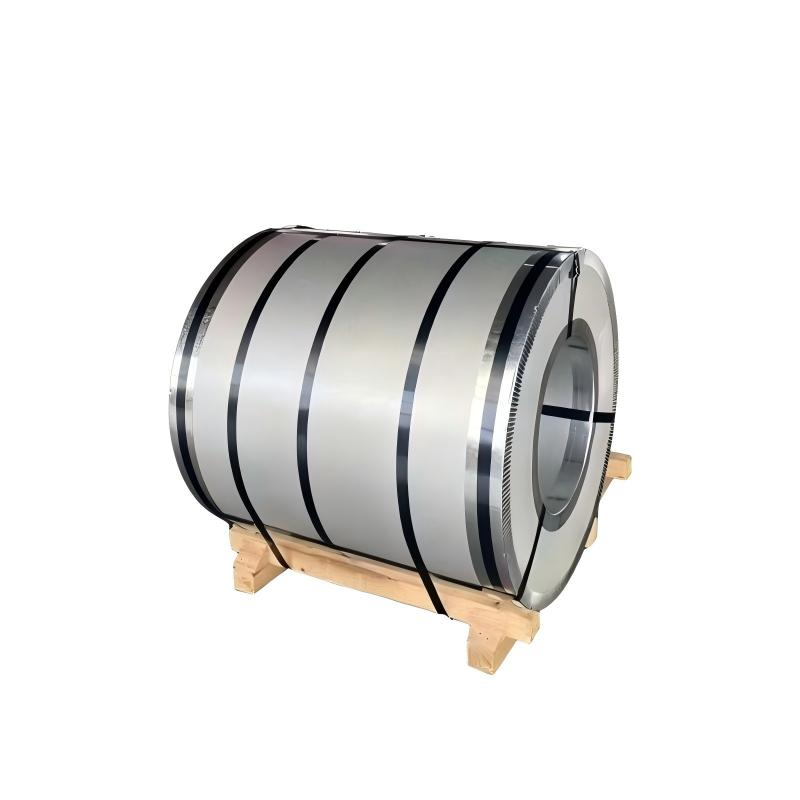
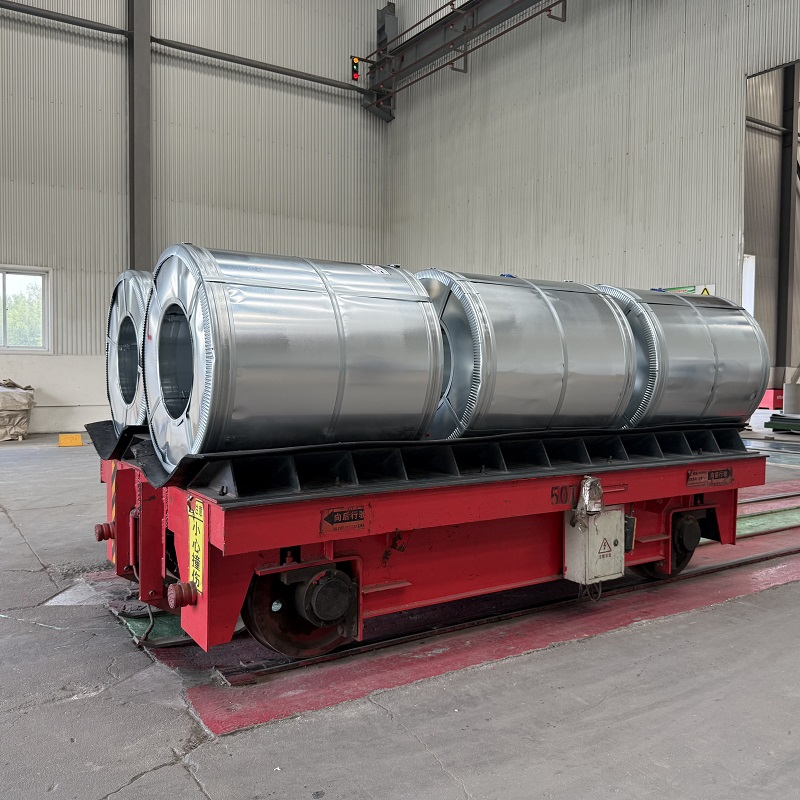
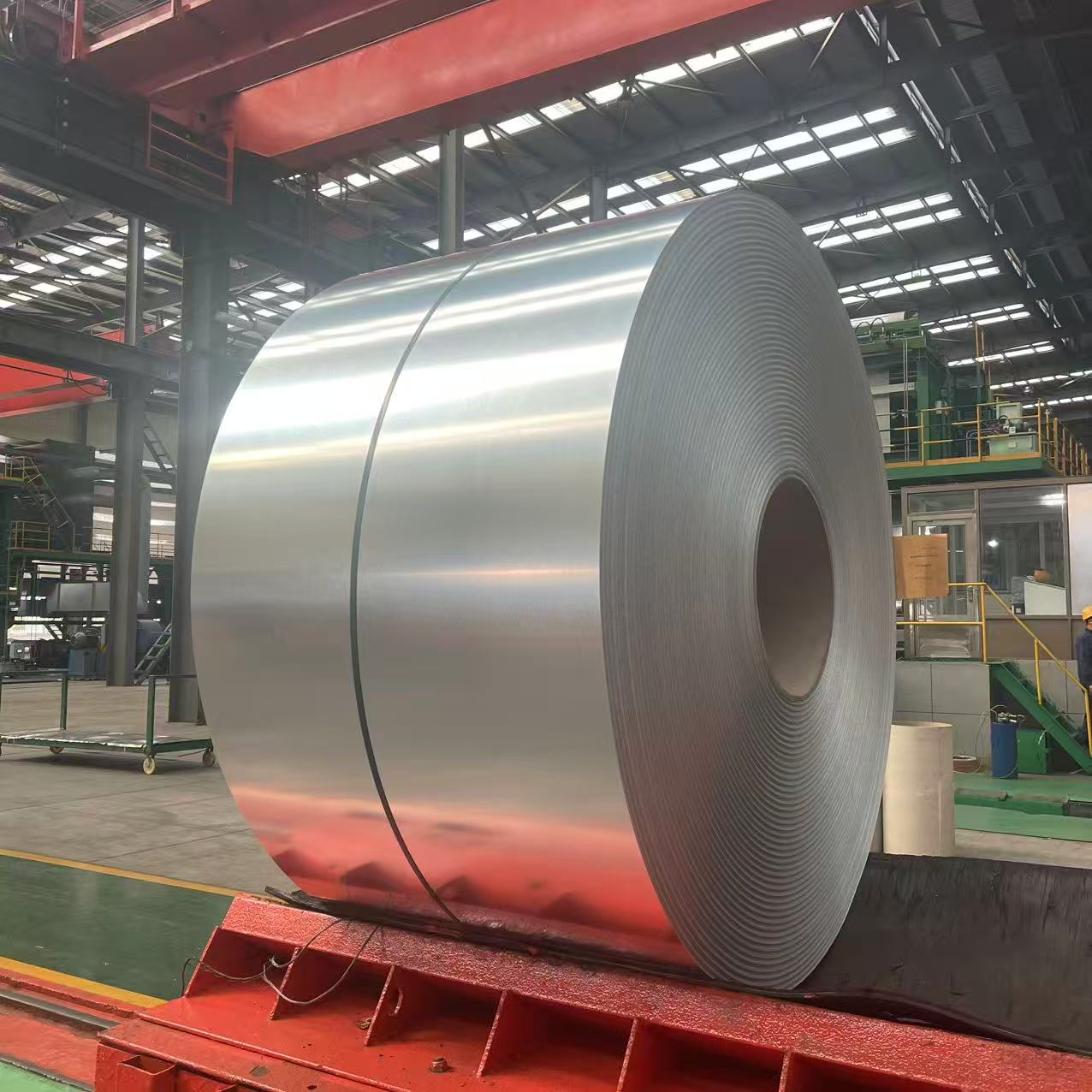
For coil products — the form most relevant to roofing, cladding, and structural applications — the hard dip galvanizing process produces GI (galvanized iron) coils or hot dip galvanized plate with coating weights typically specified under ASTM A653 or EN 10346. Under ASTM A653, a G90 designation means 275 g/m² total zinc (both sides), while G115 means 350 g/m². EN 10346 uses Z-series designations where the number is total g/m²: Z120 (120 g/m²), Z200 (200 g/m²), Z275 (275 g/m²).
What Is Cold Galvanized Steel?
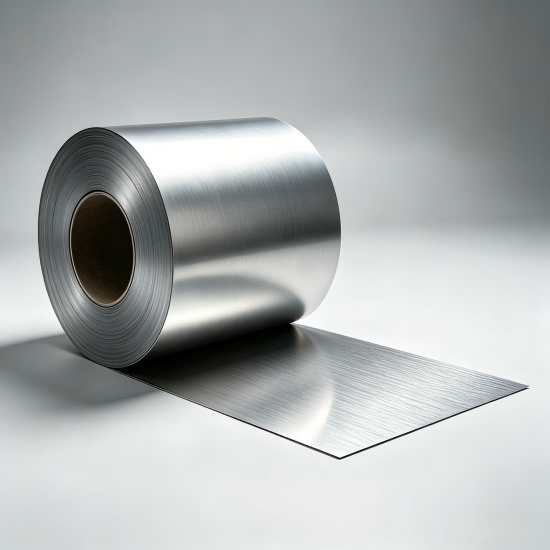
Cold galvanizing — more precisely called electro-galvanizing or electrodeposition galvanizing — applies a zinc coating through an electrochemical process at ambient temperature. Zinc ions in solution are deposited onto the steel surface under an electrical current. There's no metallurgical bonding; the zinc adheres as a thin electrodeposited layer, typically ranging from 10 to 50 g/m² depending on specification.
Cold galvanized steel has a smoother, more uniform appearance and tighter thickness tolerances — useful for precision fabrication or consumer products where finish consistency matters more than corrosion durability. The trade-off is coating thickness and the absence of the intermetallic bond that makes hot dipped galvanized steel perform well in demanding outdoor environments.
Key Performance Comparison
| Dimension | Hot Dipped Galvanized Steel | Cold Galvanized Steel |
|---|---|---|
| Zinc coating weight | Typically 120–600 g/m² (Z120–Z600 / G40–G235) | 10–50 g/m² |
| Bonding mechanism | Metallurgical zinc–iron intermetallic bond | Electrochemical deposition (mechanical adhesion) |
| Corrosion resistance | High; suitable for outdoor, marine, industrial environments | Moderate; suitable for indoor or mild environments |
| Surface finish | Spangle pattern, variable texture | Smooth, uniform, tighter tolerances |
| Process temperature | 450–460°C | Ambient / room temperature |
| Typical applications | Roofing coils, cladding, structural steel, GI coil exports | Automotive panels, consumer electronics, light-duty indoor steel |
| Cost positioning | Higher material cost; lower lifecycle cost in outdoor use | Lower upfront cost; higher lifecycle cost if used outdoors |
Corrosion Resistance: The Critical Difference
Coating weight is the primary driver of corrosion resistance, and the gap between hot dipped galvanized steel and cold galvanized steel here is substantial. A Z120 hot dip galvanized plate carries 120 g/m² of zinc — already two to ten times thicker than a typical electro-galvanized coating of 10–50 g/m². For roofing in coastal West Africa or a warehouse in a humid South American climate, that difference is measured in service life years, not months.
I've seen projects where contractors chose cold galvanized steel based on the lower quoted price, then found visible rust formation within 18 to 24 months of installation in a tropical coastal environment. The coating was present but couldn't match the corrosion load. This outcome is predictable when coating weight isn't matched to the exposure environment — and it's the kind of situation hard dip galvanizing is specifically designed to prevent in outdoor and industrial applications.
For inland, dry, or indoor applications, cold galvanized steel may perform adequately and the lower cost is justifiable. Selection should be based on the project's actual corrosion environment classification rather than upfront price per tonne.
Process Mechanism and Long-Term Adhesion
The metallurgical bond in hot dipped galvanized steel isn't just thicker — it behaves differently under mechanical stress. When a hot dip galvanized plate is cut, bent, or punched, the intermetallic layers flex with the steel rather than flaking off as a separate coating. For roofing and cladding fabrication where coils are roll-formed into profiles, that's critical: the coating must survive forming without delamination. Electro-galvanized coatings, being thinner and mechanically adhered, are more susceptible to coating loss at bends and cut edges under the same mechanical load.
For applications that don't involve severe forming and where the service environment is controlled, cold galvanized steel can be the appropriate and cost-effective choice. These two products are not equivalent substitutes — the overlap in suitable applications is narrower than the shared "galvanized" label suggests.
Standards and Specification Guidance
When reviewing quotations for hot dipped galvanized steel, verify the coating weight designation rather than accepting a generic "galvanized" description. Common hot dip designations:
- ASTM A653: G60 (180 g/m²), G90 (275 g/m²), G115 (350 g/m²), G165 (500 g/m²)
- EN 10346: Z100, Z120, Z200, Z275 — the number is total zinc g/m² both sides
- JIS G3302: Z08, Z12, Z20, Z27 — multiply by 100 for g/m² approximation
Electro-galvanized coil for flat-rolled applications is covered under separate standards (e.g., ASTM A879/A879M) and typically specifies coating in g/m² per side. Comparing these designations across a hot dip galvanized plate quote and an electro-galvanized quote requires care: the numbers are not calculated on the same basis.
When to Choose Hot Dipped vs. Cold Galvanized
The decision comes down to where the steel will be used and for how long:
- Choose hot dipped galvanized steel (GI coil / hot dip galvanized plate) for outdoor roofing, wall cladding, or structural framing; service environments classified as C3 or higher (ISO 9223) — particularly coastal, tropical, or industrial; expected service life of 15 or more years; or projects where local building codes require minimum zinc coating weights (typically Z120 or higher).
- Cold galvanized steel is appropriate for dry indoor environments where corrosion exposure is limited; applications where appearance uniformity or tight thickness tolerances are primary requirements; light-duty consumer or electronic products; and short project lifecycles where total cost needs to be minimized.
Sourcing Hot Dipped Galvanized Steel Coils
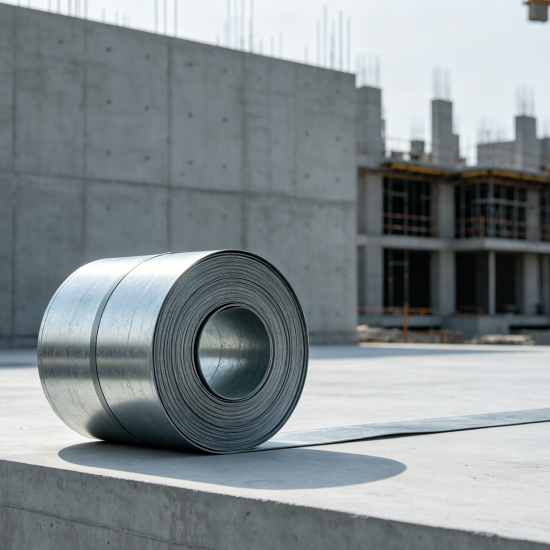
For buyers sourcing GI coils for roofing and construction in Africa, South America, or other humid-climate markets, hot dipped galvanized steel coils are the standard specification. Substituting lower-cost cold galvanized options in these environments typically produces corrosion outcomes that fall short of buyer expectations — and in some cases, below project warranty requirements.
Shenyang Yuanhe Steel Trading Co., Ltd. supplies hot dipped galvanized steel coils (GI coils) across coating weight specifications from Z60 to Z275 and above, supporting construction projects in North America, Africa, South America, and Europe. Each shipment is backed by mill test reports covering actual coating weight, mechanical properties, and dimensional specifications. Pre-shipment third-party inspection (SGS, BV, or equivalent) can be arranged on request.